Independence Day 2026: How India's national flag evolved through the freedom struggle

As India is gearing up to celebrate its 80th Independence Day on Saturday, August 15, 2026, let's take a look at the evolution of the Indian national flag, whose journey began in the 20th century.
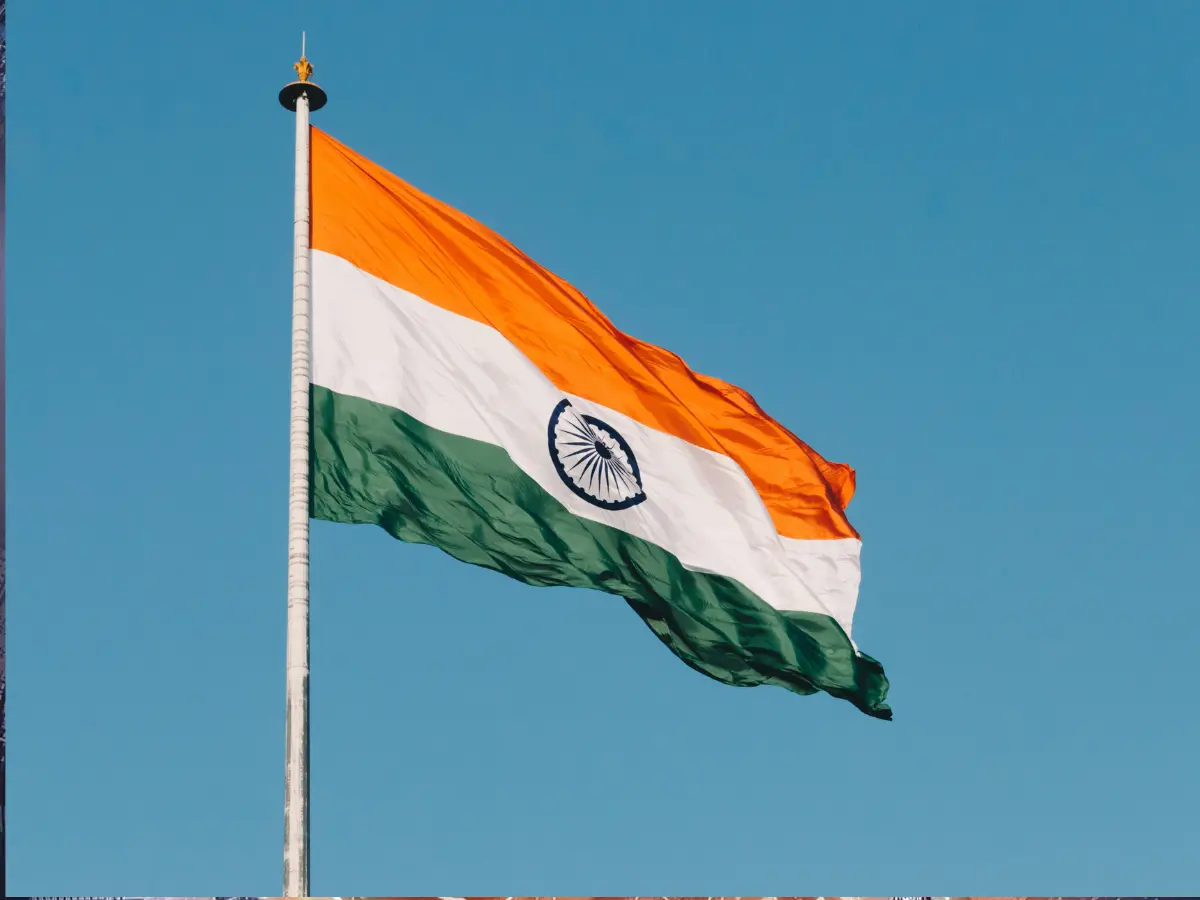
Independence Day 2026
As Independence Day 2026 draws closer, the Indian national flag has once again appeared all over the market, with people taking it home for decoration. But the Tiranga is a lot more than just a symbol that flies above government buildings. It carries within it the story of India's freedom struggle, and the changing political aspirations of the country. The flag that India proudly recognises today did not come in its present form overnight. Over several decades, it underwent several changes in colour, design and symbolism. Ahead of Independence Day 2026, let's understand the evolution of India's national flag.
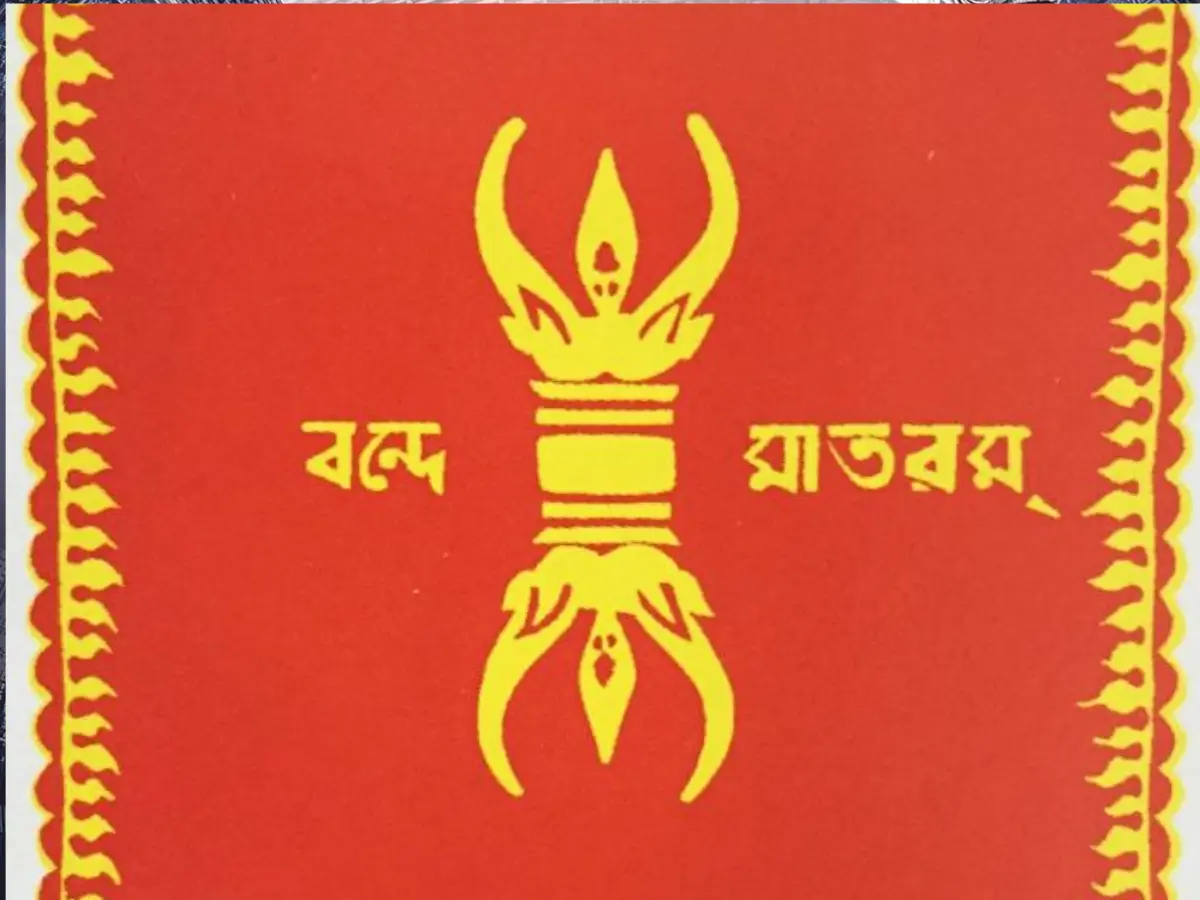
Sister Nivedita's flag
Sister Nivedita, the Irish-born disciple of Swami Vivekananda, is associated with the creation of the earliest flag representing Indian nationalism. It is generally traced to the early years of the 20th century. The design at that time featured red and yellow colours, along with Vajra, associated with Lord Indra, at its centre, accompanied by a white lotus. It is said that the Vajra represented strength, while the lotus meant purity. The words "Vande Mataram" were also incorporated into the design in Bengali script.
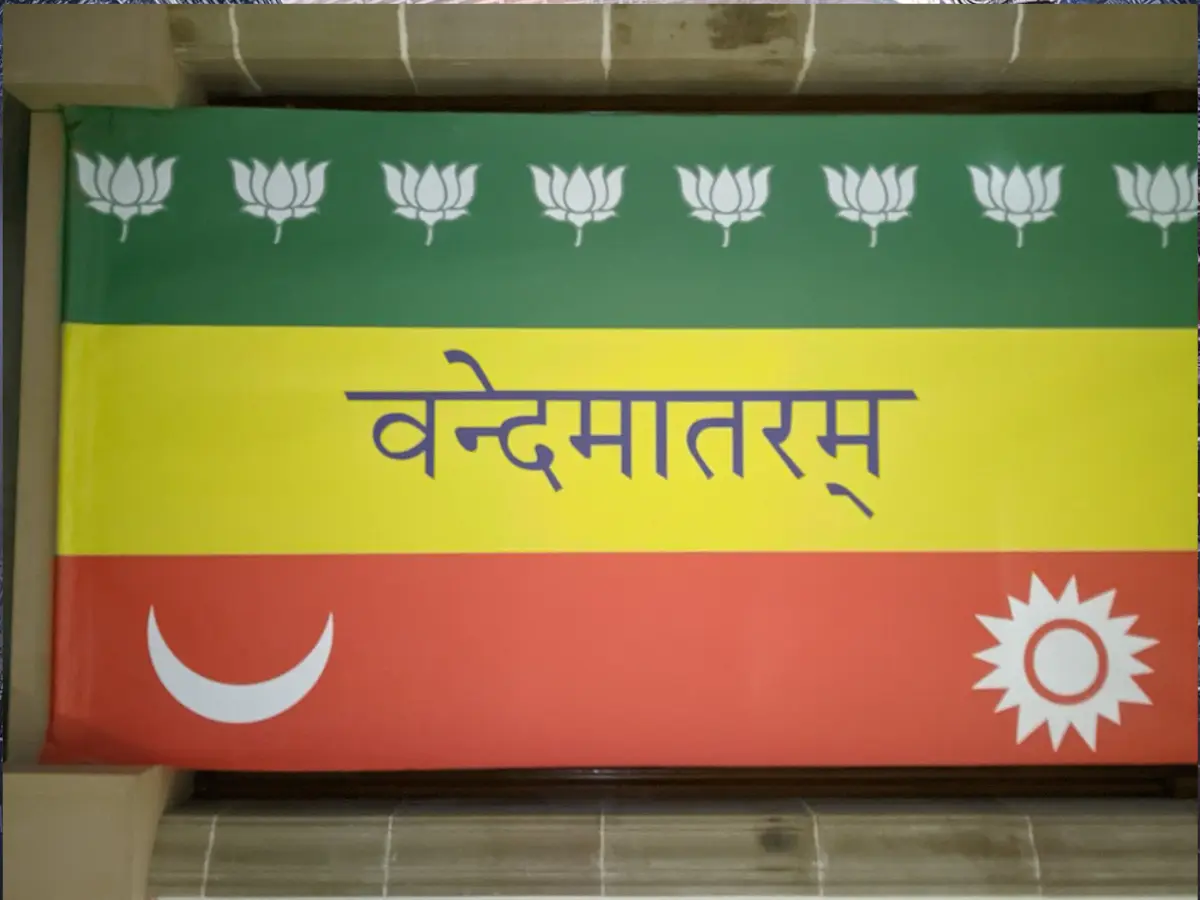
The 1906 flag
The next chapter came on August 7, 1906, when an early version of an Indian nationalist flag was hoisted at Parsee Bagan Square, now known as Green Park, in Kolkata. The flag consisted of three horizontal bands in red, yellow and green. The green section had eight lotus flowers, while the red portion featured representations of the sun and crescent moon. "Vande Mataram" appeared in the middle.
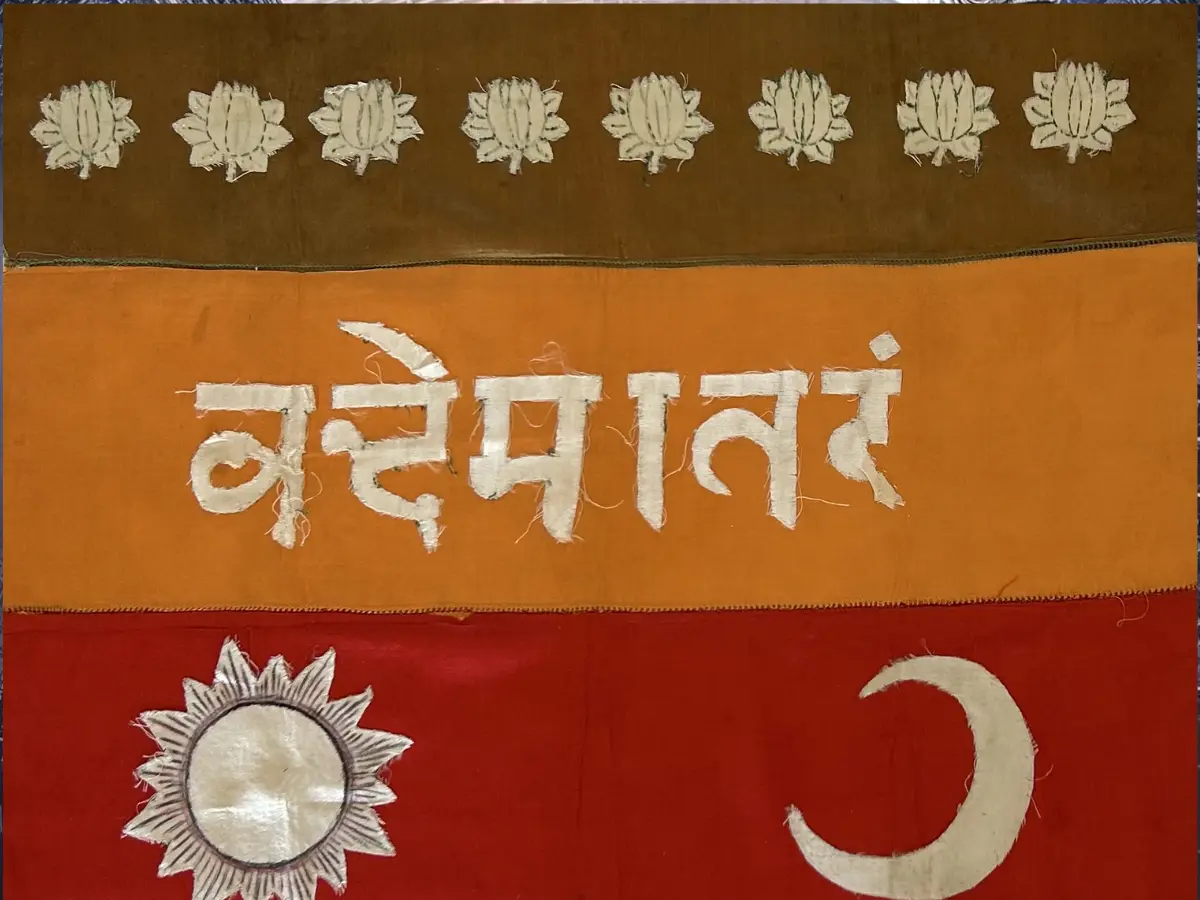
The Cama flag
In 1907, Madam Bhikaji Cama, along with revolutionary nationalists including Vinayak Damodar Savarkar and Shyamji Krishna Varma, was associated with another version of the flag. Known as the Cama flag or Berlin Committee flag, the notable feature was the representation of seven stars associated with the Saptarishi. Madam Cama famously unfurled the flag at an international socialist gathering in Stuttgart, Germany.
The Home Rule Movement flag
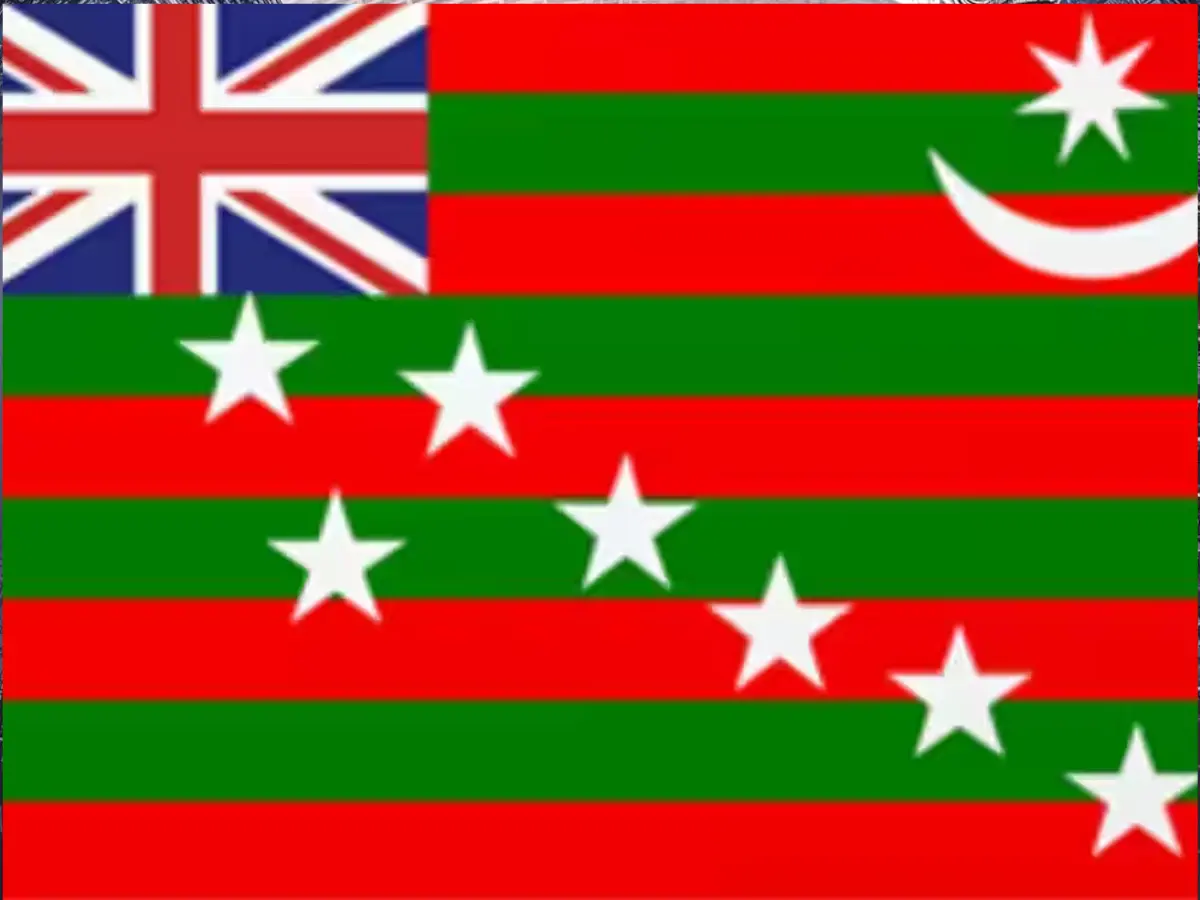
By 1917, India's political struggle had entered another phase with the Home Rule Movement. Dr Annie Besant and Lokmanya Bal Gangadhar Tilak were among the prominent leaders associated with the movement, and another flag emerged during this period. This design featured nine alternating horizontal stripes: five red and four green. Seven stars arranged in the Saptarishi pattern appeared on the flag. The Union Jack was seen on the upper corner near the pole, while a crescent and star were also incorporated into the design.
When Charkha was incorporated
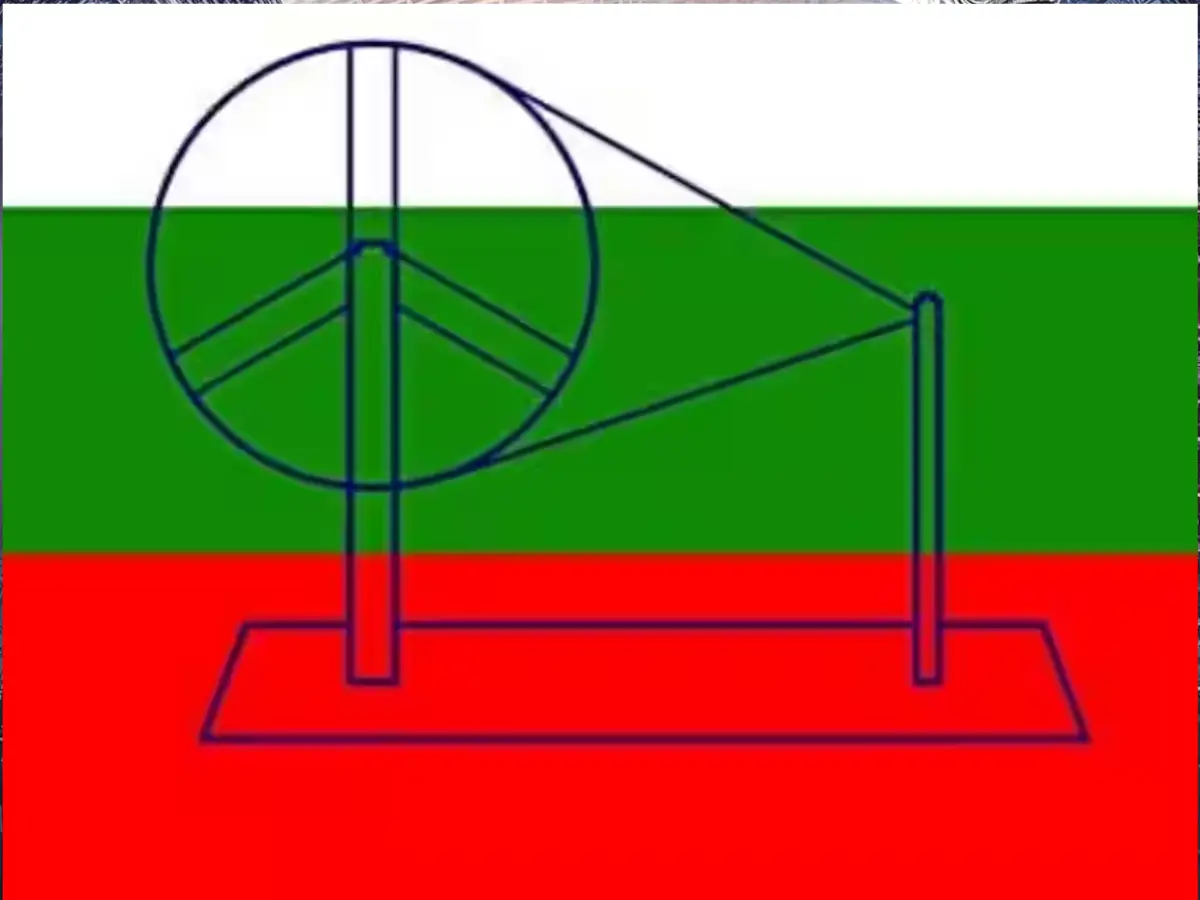
It was in 1921, when Pingali Venkayya, a freedom fighter and scholar from Andhra Pradesh, presented a flag design to Mahatma Gandhi during an All India Congress Committee session at Bezwada, now Vijayawada. Venkayya's initial design used red and green to represent the two major religious communities of the time. Gandhi proposed adding a white band. He also supported the inclusion of the spinning wheel, or Charkha, which soon became a powerful nationalist symbol.
The Tricolour
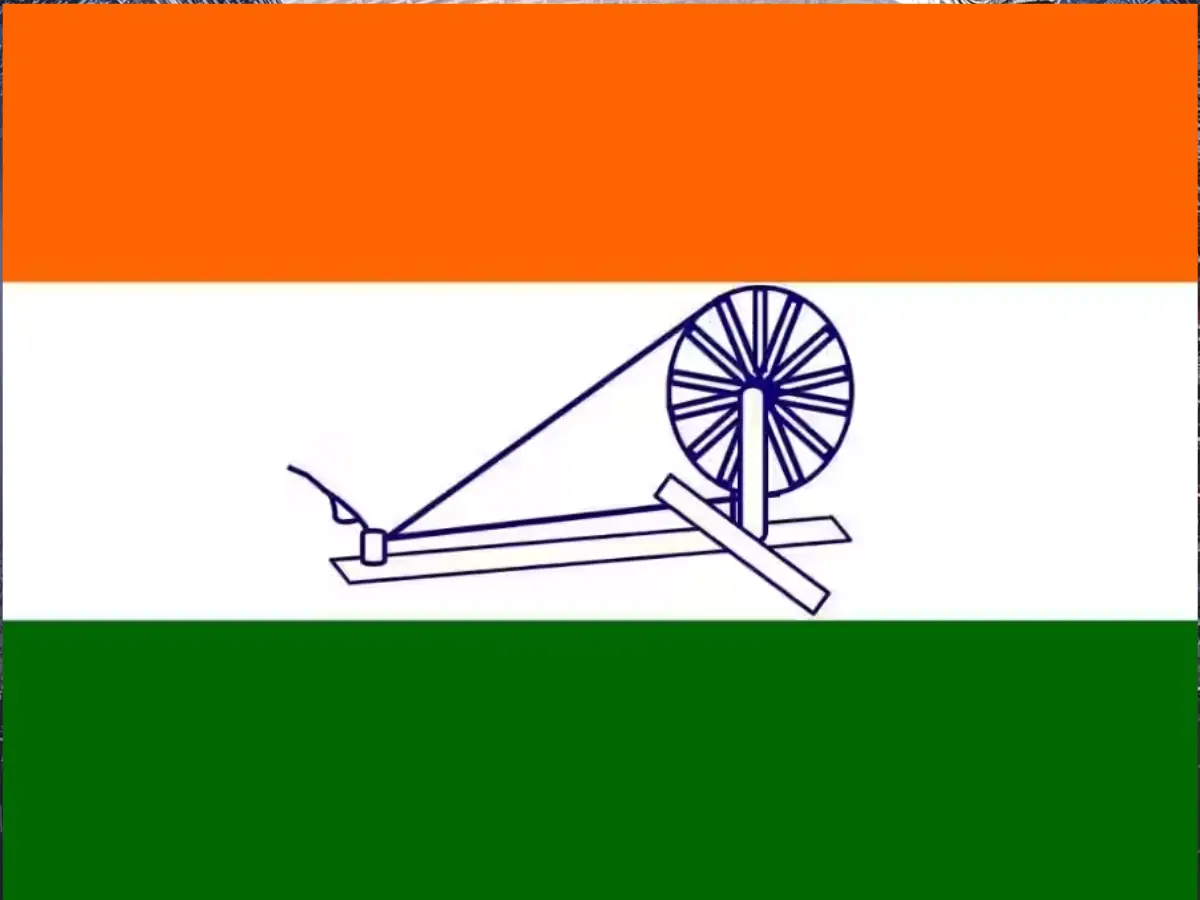
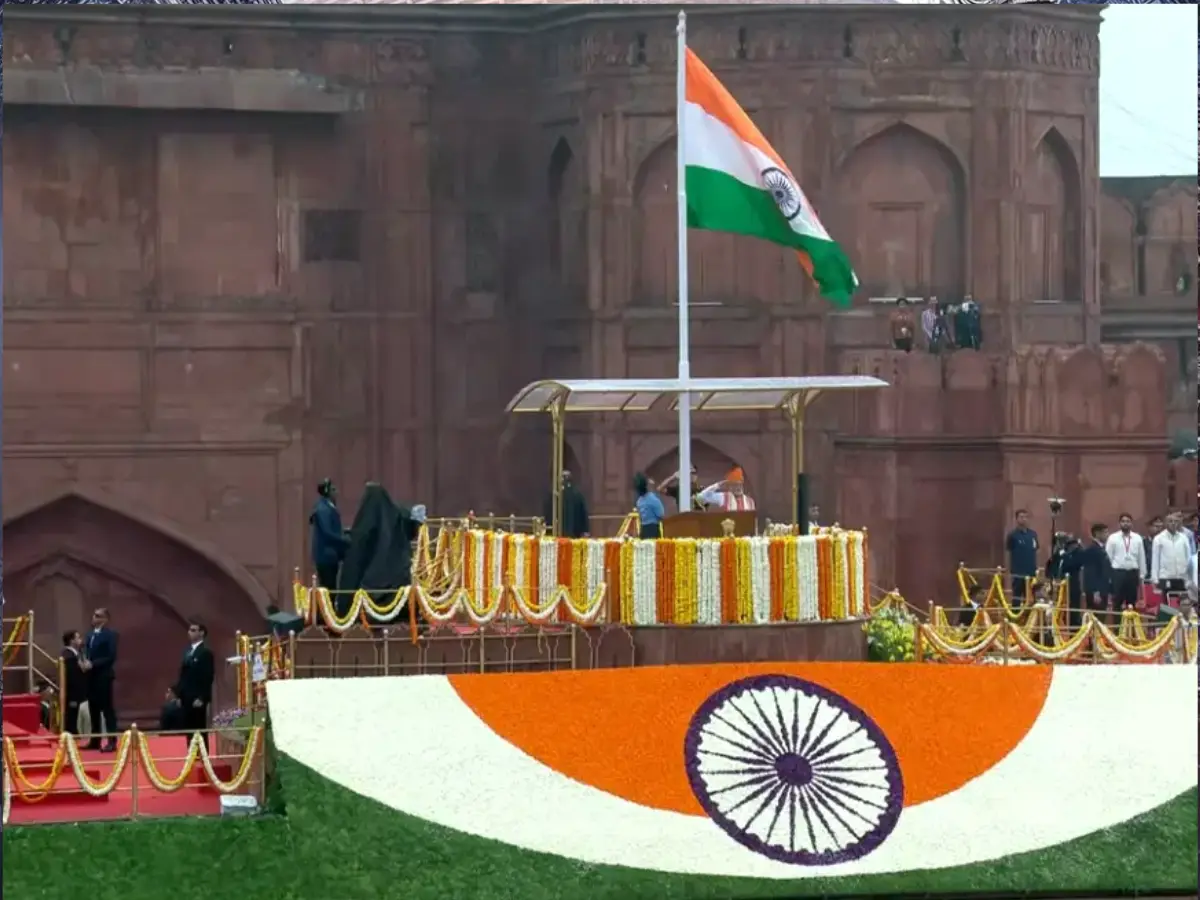
In 1931, a resolution was adopted that formally endorsed a new tricolour design. The colours were arranged as saffron at the top, white in the middle and green at the bottom. The Charkha remained at the centre of the white band. A few years later, the Constituent Assembly adopted the present design on July 22, 1947, less than a month before independence. The basic tricolour arrangement was retained: deep saffron at the top, white in the middle and dark green at the bottom. However, the Charkha was replaced by the Ashoka Chakra. The navy-blue wheel was inspired by the Dharma Chakra depicted on the Lion Capital of Ashoka at Sarnath. It contains 24 spokes and occupies the centre of the white band.
What does the Tiranga represent
The final flag has three colours, and each carries significance. Saffron represents courage and sacrifice. White is associated with truth and peace. Green represents prosperity, growth and the fertility of the land. At the centre, the Ashoka Chakra signifies movement and progress. The flag has a width-to-length ratio of 2:3, with the three horizontal bands of equal width.
)
)
)
)
)