Independence Day 2025: Rules for hoisting the Indian National Flag on 15 August

The national flag should be hoisted at sunrise and lowered at sunset in line with traditional protocol. Following the 2022 amendment to the Flag Code of India, it can also be flown at night if it is properly illuminated.
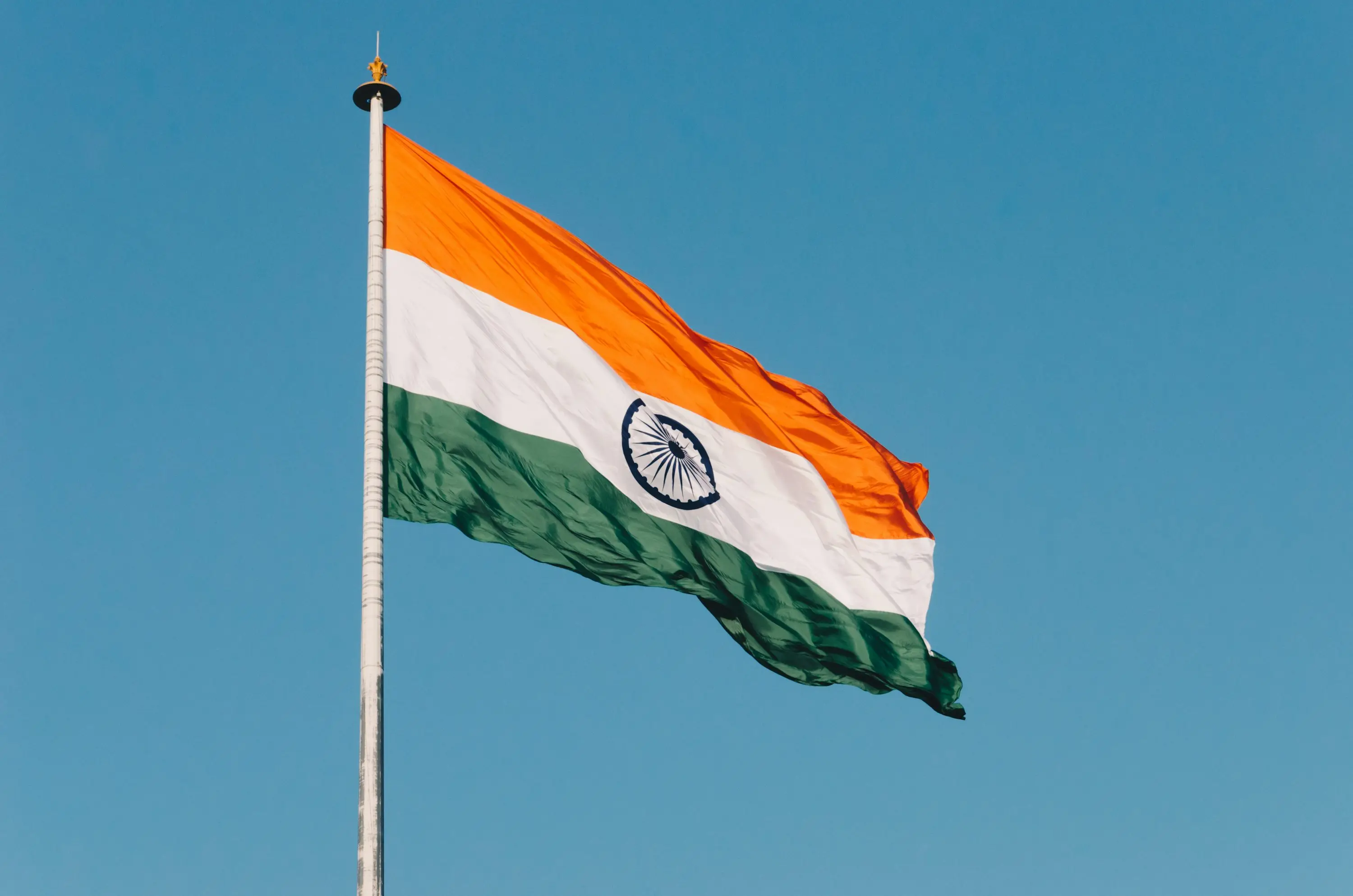
The Correct Ceremony: Hoisting vs. Unfurling
On Independence Day, the national flag is hoisted, meaning it is raised from the base of the flagpole to the top in a single upward movement. This act symbolises India achieving independence in 1947. The Prime Minister performs this ceremony at the Red Fort in Delhi, while Chief Ministers hoist the flag at state capitals. In contrast, on Republic Day, the flag is unfurled because it is already tied at the top of the pole and is dropped downwards to mark the adoption of the Constitution in 1950.
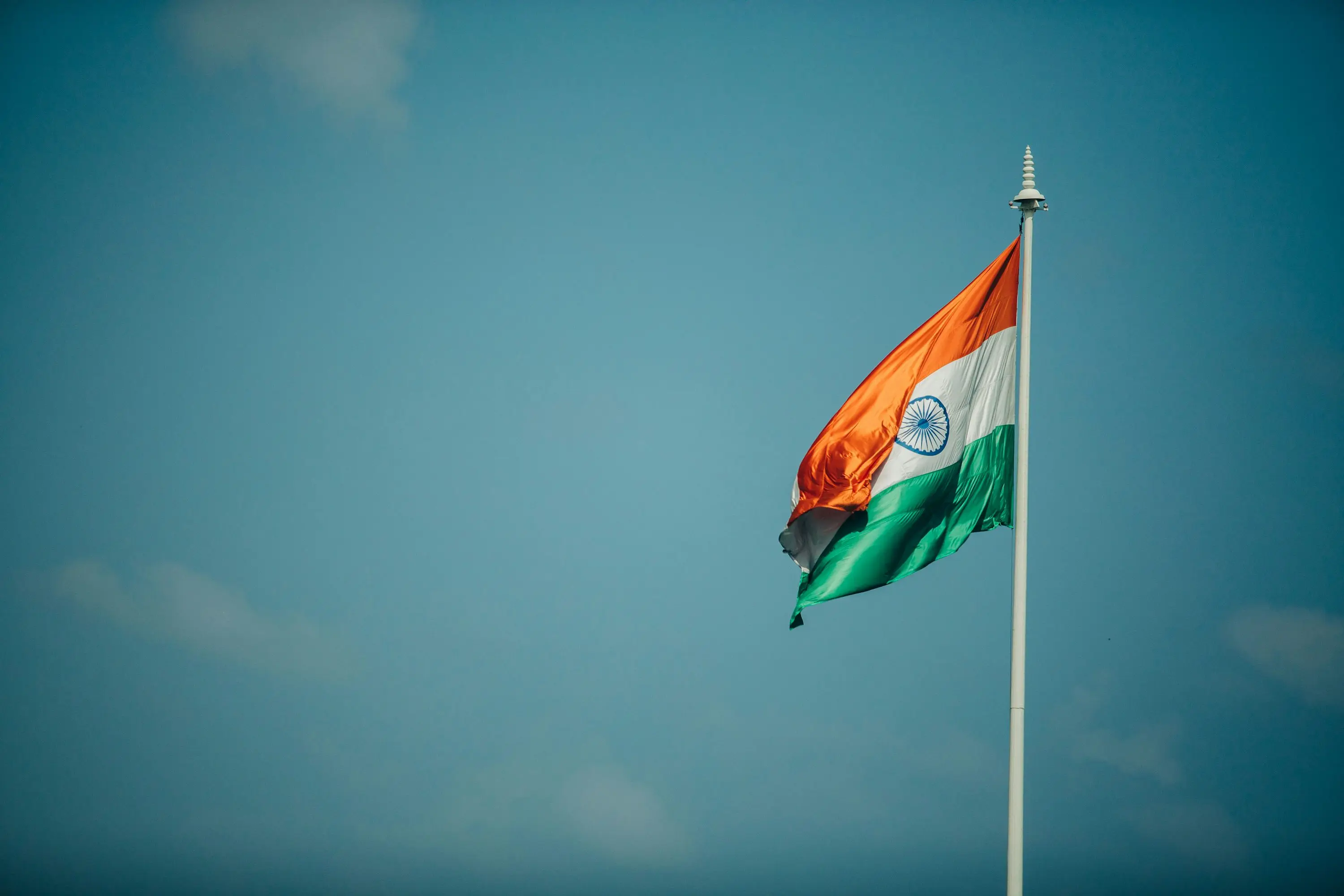
Approved Time and Method of Display
The national flag should be hoisted at sunrise and lowered at sunset in line with traditional protocol. Following the 2022 amendment to the Flag Code of India, it can also be flown at night if it is properly illuminated. During the ceremony, the hoisting must be done briskly, while lowering should be slow and dignified. Whenever the national anthem is played as part of the event, everyone present is required to stand to attention facing the flag.
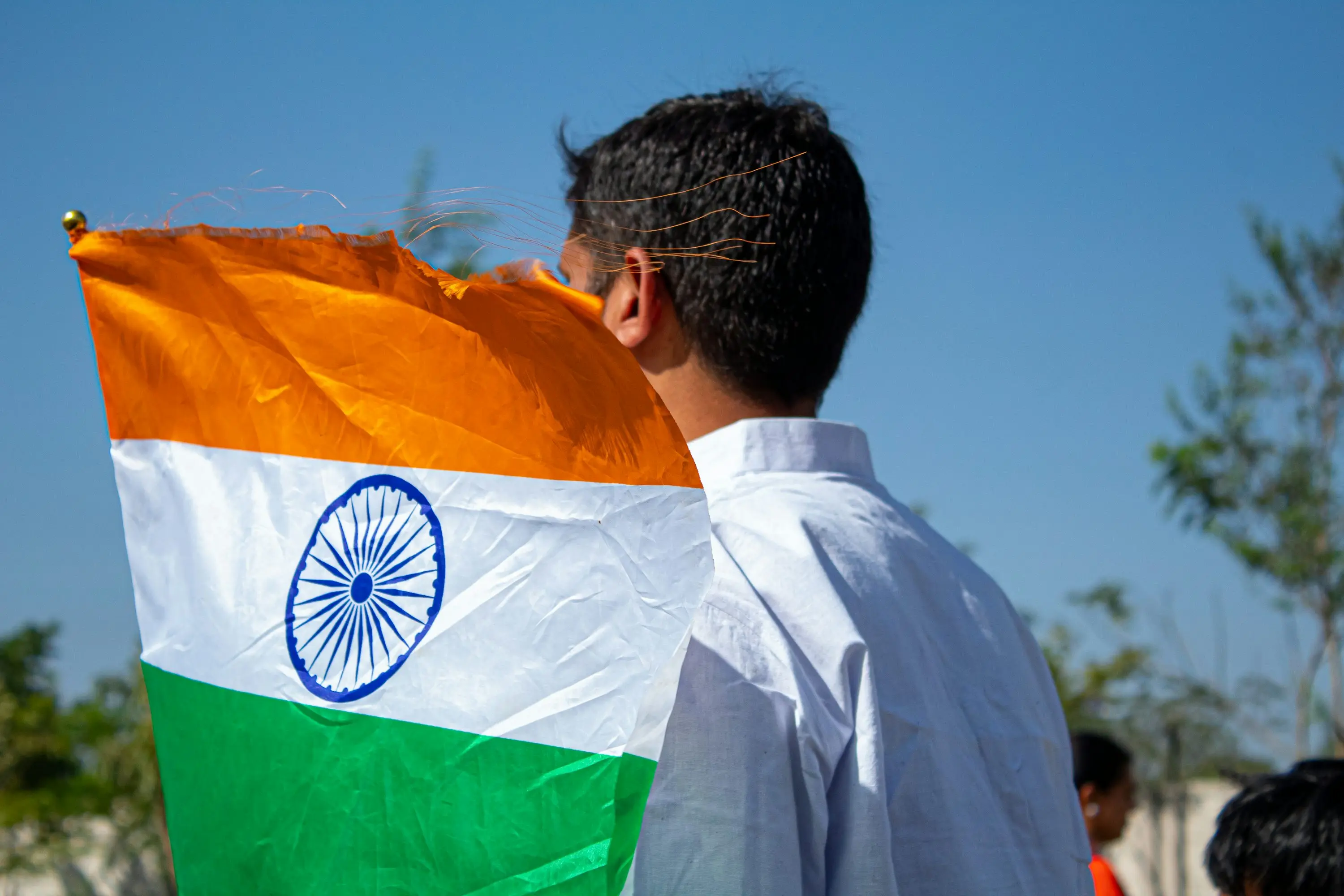
Specifications of the National Flag
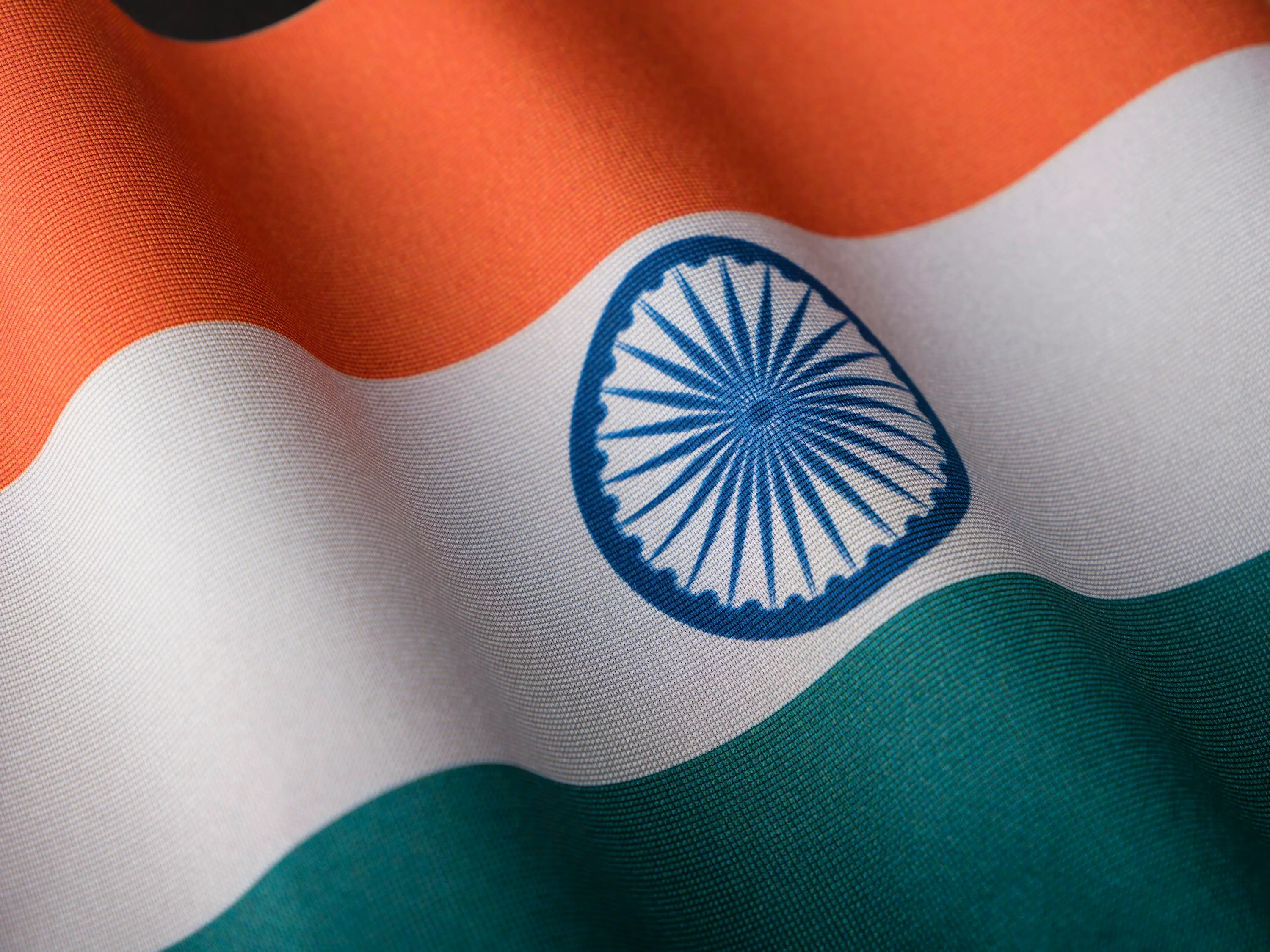
The Indian flag must always be rectangular with a strict length-to-height ratio of 3:2. It can be made from hand-spun or machine-made cotton, polyester, silk, wool or khadi as per the amended Flag Code. The top band must always be saffron, followed by white and green, with the navy blue Ashoka Chakra featuring exactly 24 spokes placed in the centre of the white band. These specifications are mandatory under law to ensure uniformity in the national symbol.
Position and Placement Rules
When the flag is displayed with other flags, it must occupy the highest position of honour and cannot be placed below or at the same level as any other flag. In processions, the national flag should always be on the marching right or, if in a line, in the centre and highest point. On vehicles, only authorised dignitaries such as the President, Vice President, Prime Minister, Governors and certain officials are permitted to display the flag in accordance with the Flag Code of India.
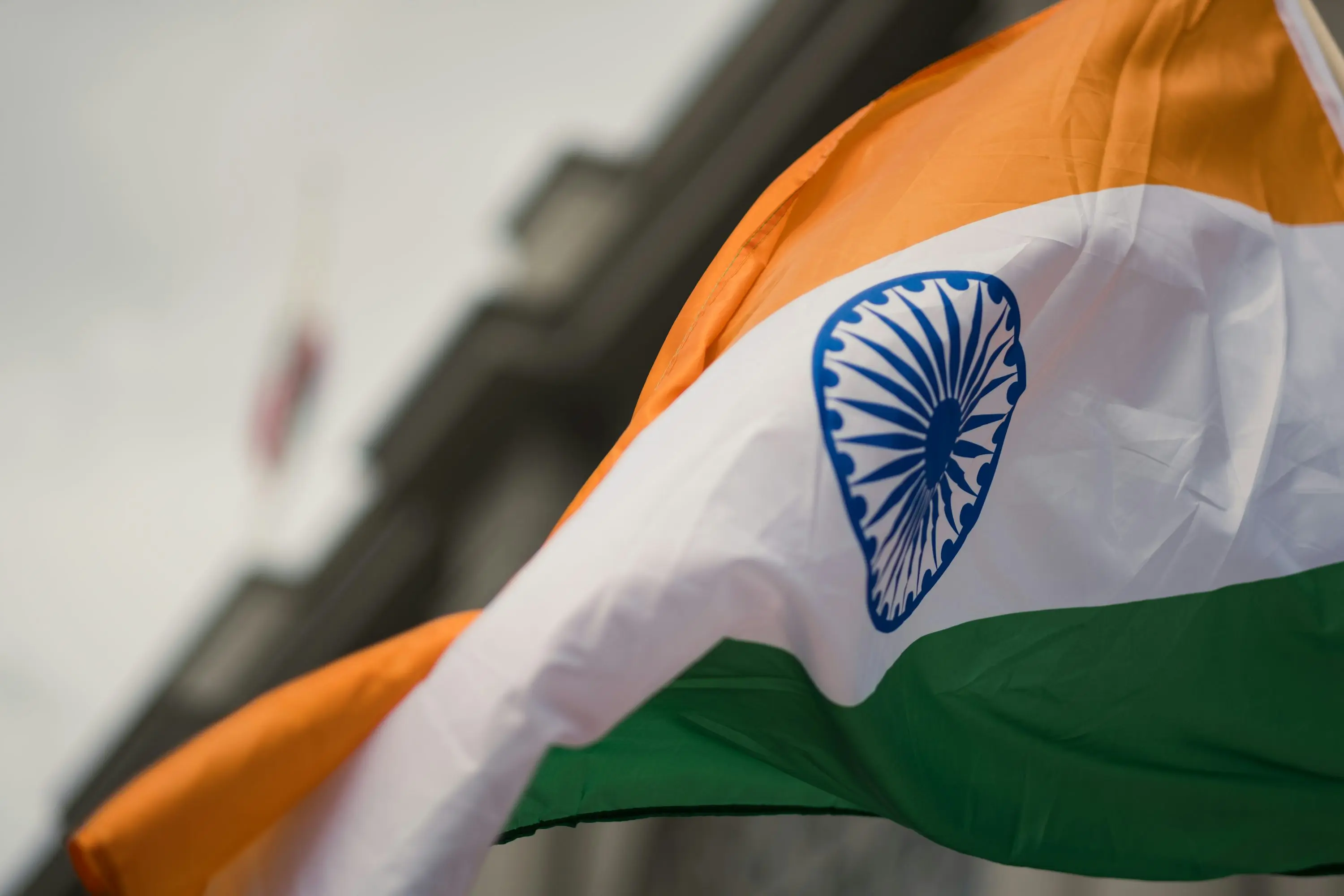
Do’s and Don’ts Under the Flag Code of India
The flag must never be allowed to touch the ground or water and cannot be used as clothing, costume, drapery or table covering. It is not permitted to deface the flag with slogans, images or any writing. The flag cannot be dipped in salute to any person or object, and no flowers, garlands or other decorative items can be placed on it. Citizens, private organisations and educational institutions are encouraged to hoist the flag, but it must be done with dignity and respect.
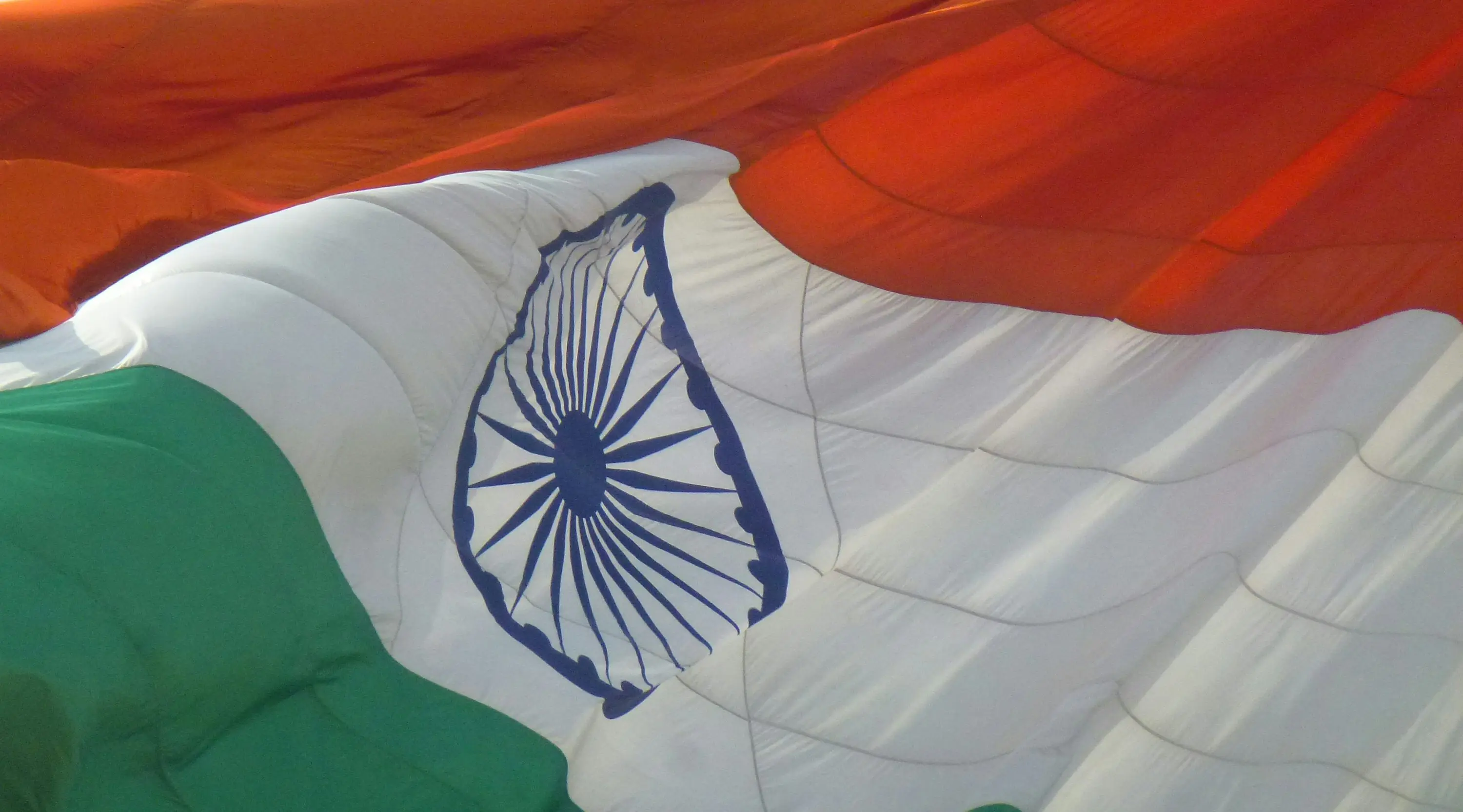
Respectful Disposal of Damaged Flags
Any flag that is damaged, torn or soiled must not be displayed under any circumstances. The Flag Code requires such flags to be destroyed in a dignified manner, preferably by burning them privately and completely. Small paper flags used during celebrations should not be discarded on the ground; they should be collected and disposed of respectfully to avoid any insult to the national symbol.
)
)
)
)
)