Independence Day 2025: Monuments that echo India’s fight for freedom

From the Red Fort to the Gateway of India, these iconic monuments silently stood witness to protests, sacrifices, and pivotal moments that shaped India’s courageous journey to independence.
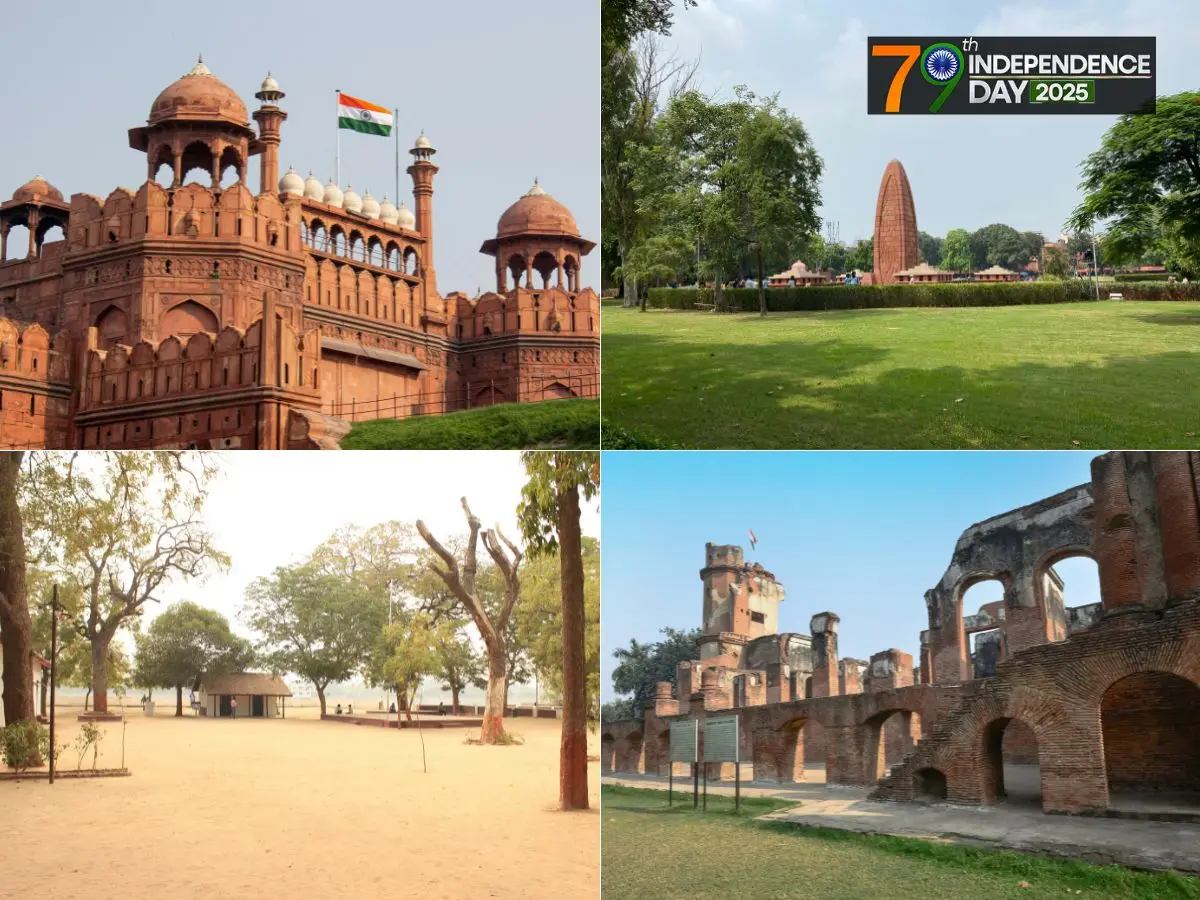
Independence Day 2025
As India celebrates its 79th Independence Day on August 15, 2025, it’s a moment to reflect on the long and arduous journey to freedom. While we honour the brave freedom fighters, it is also important to remember the places that bore witness to their struggles and sacrifices. These historical monuments, from grand forts to humble ashrams, are not just structures of stone and brick, but powerful symbols of our nation's fight for independence.
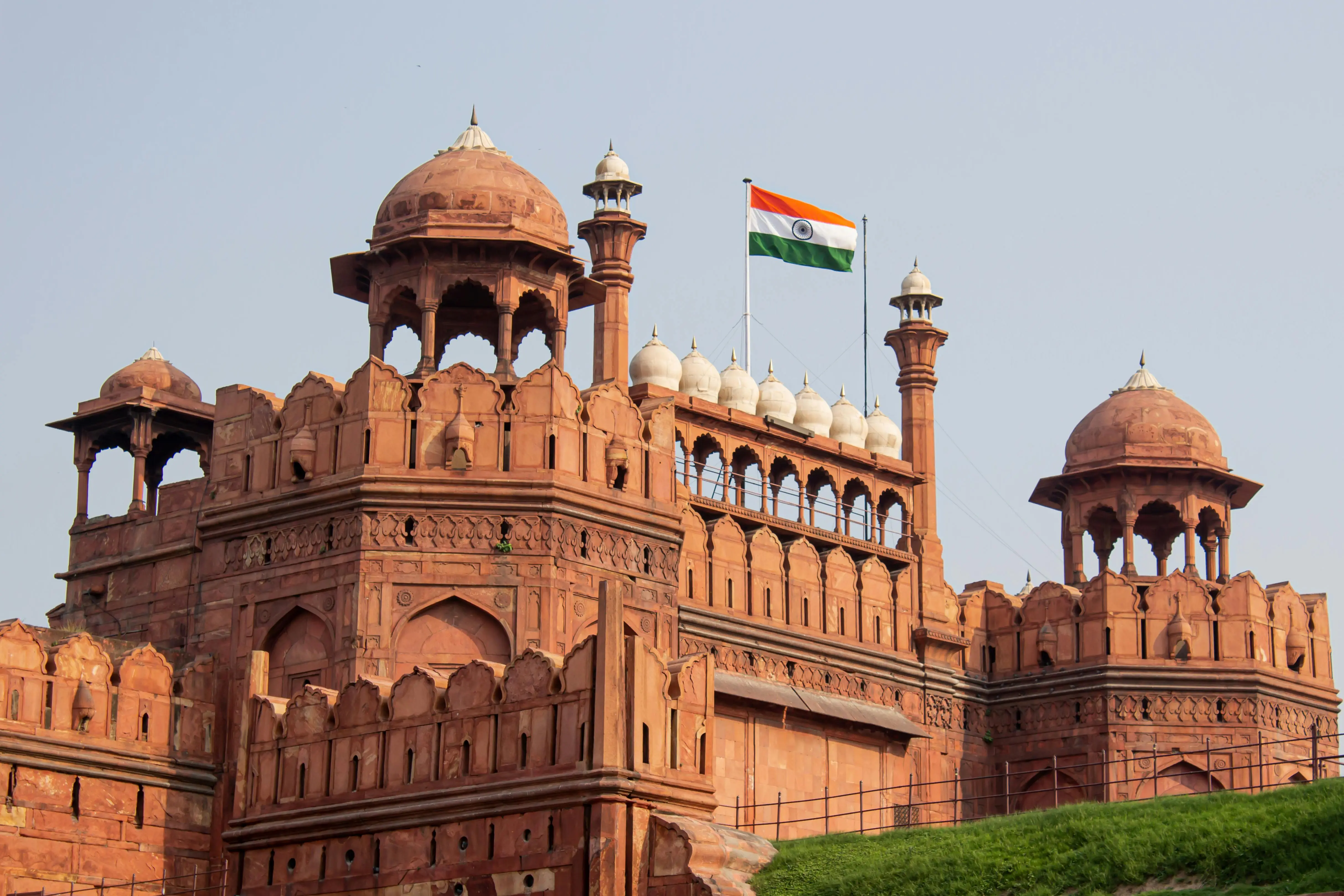
Red Fort, Delhi
The iconic fortress, once the seat of Mughal power, became a symbol of national pride during the freedom struggle. The Red Fort played a key role in the 1857 rebellion, considered the first war of independence, where Bahadur Shah Zafar was declared the leader. It was also the place where the first Independence Day flag was hoisted by Jawaharlal Nehru in 1947, marking the end of British rule. Today, the Prime Minister continues this tradition every Independence Day.
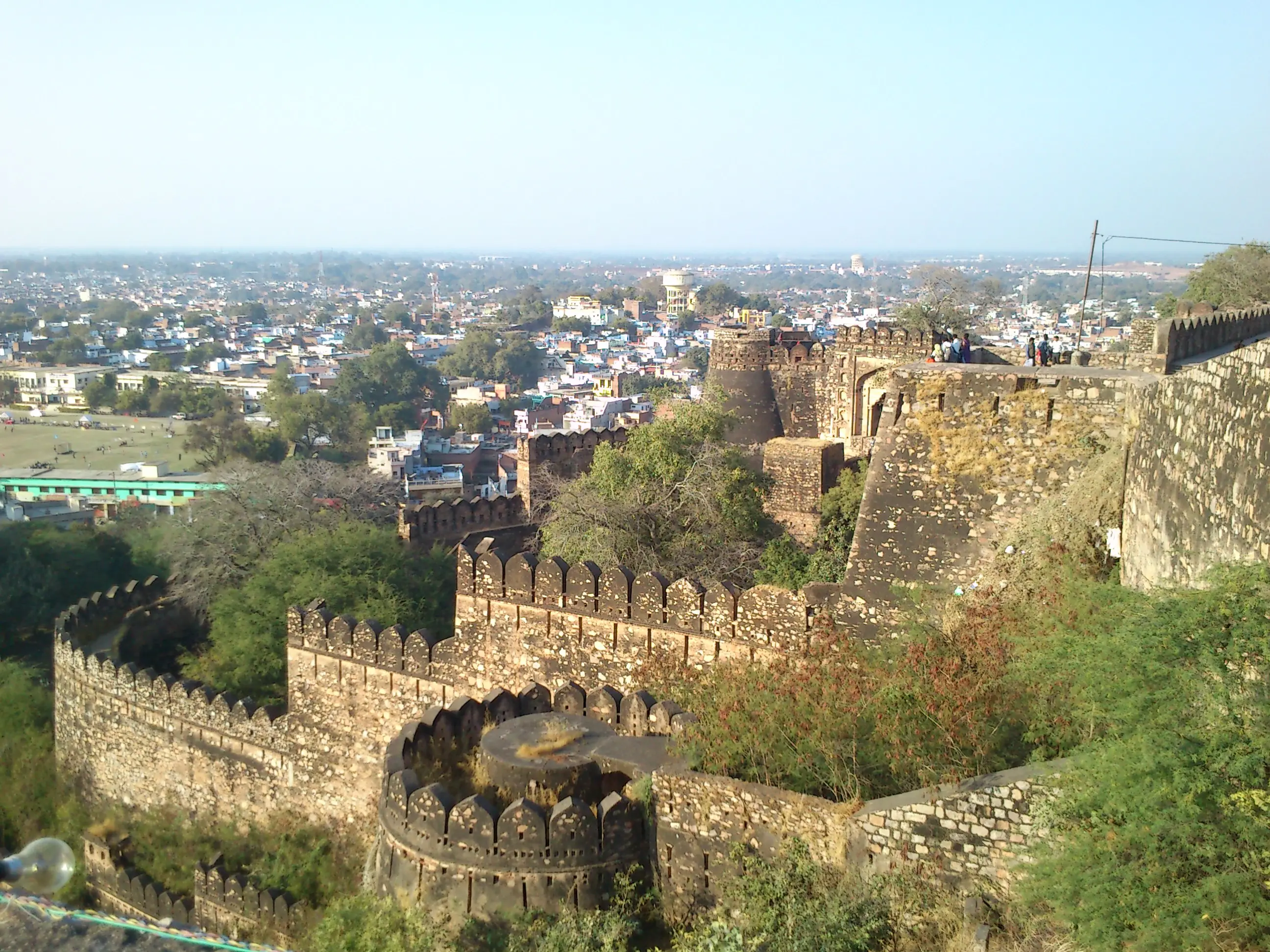
Jhansi Fort, Uttar Pradesh
A symbol of fierce resistance, this fort was the stronghold of Rani Lakshmibai, a key figure in the 1857 revolt, who fought fiercely against the British. Her struggle inspired countless others and cemented her legacy as a fearless warrior and a central figure in India’s fight for independence.
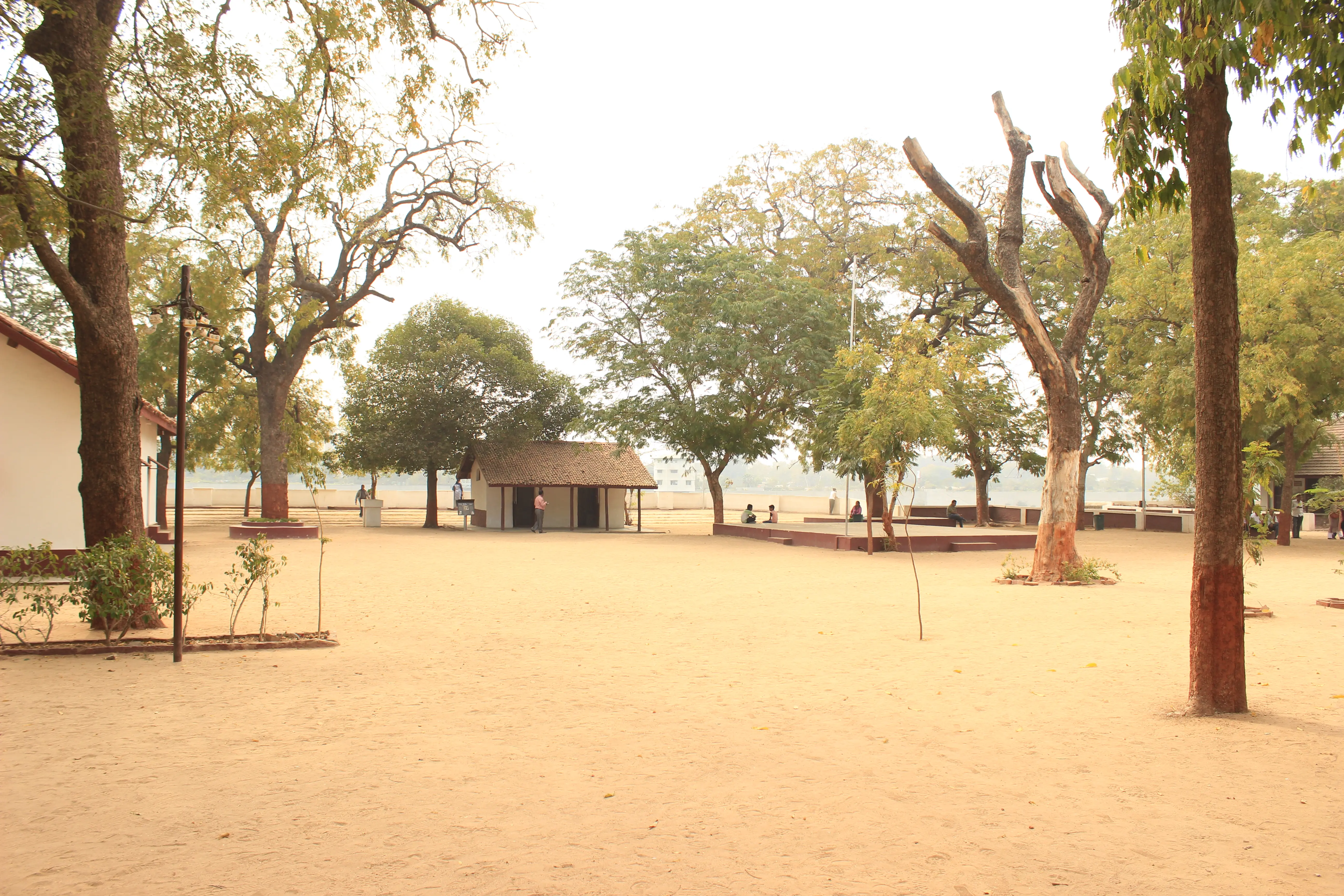
Sabarmati Ashram, Gujarat
The Sabarmati Ashram was more than just a residence for Mahatma Gandhi. From here, Gandhi launched some of his most significant campaigns, including the famous Dandi March in 1930, and served as a powerful symbol of peaceful resistance.
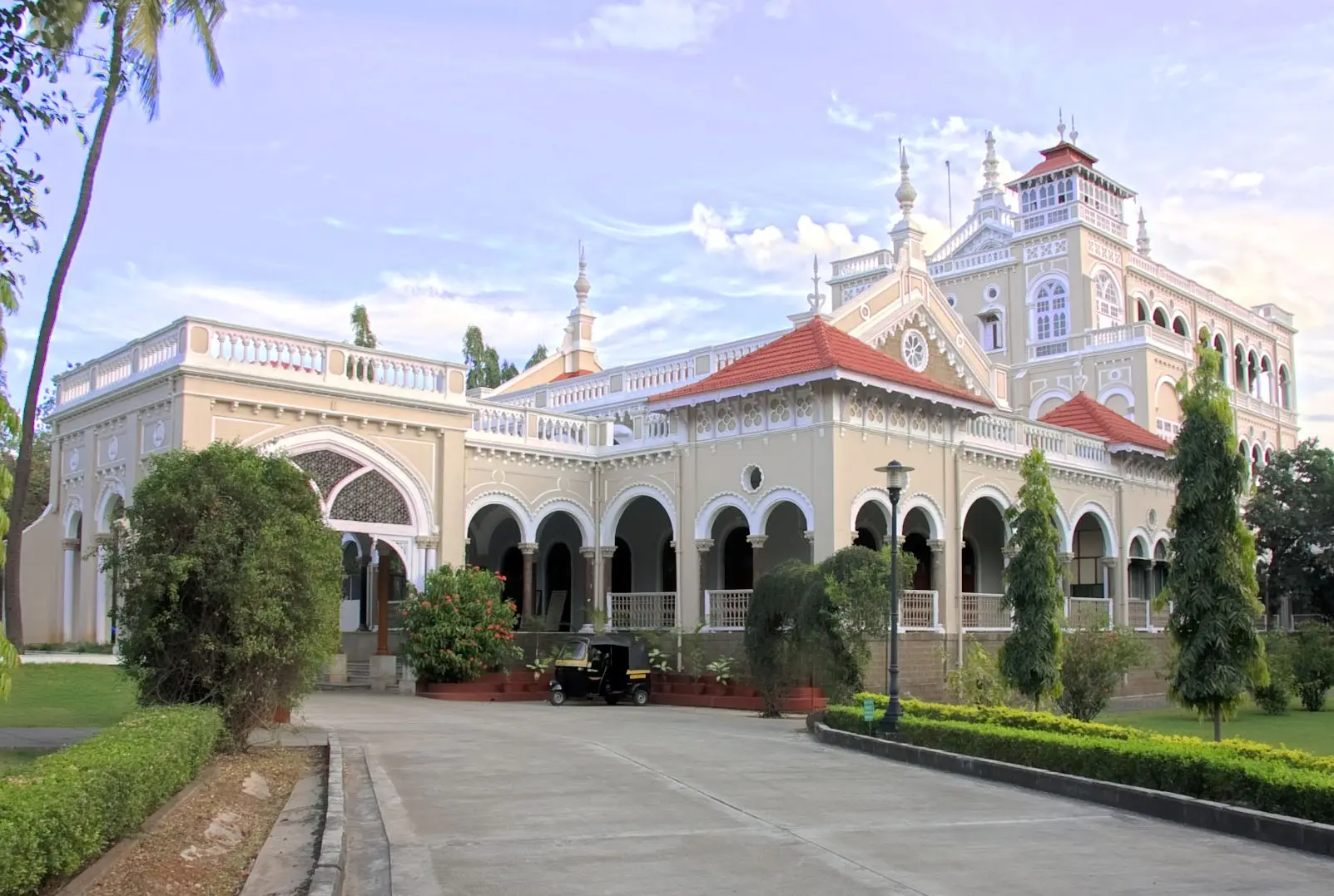
Aga Khan Palace, Pune
During the Quit India Movement in 1942, the British imprisoned Mahatma Gandhi. His wife, Kasturba Gandhi, and his secretary, Mahadev Desai, passed away here, turning the palace into a memorial for their sacrifice. Today, it stands as a poignant reminder of the personal toll of the freedom struggle.
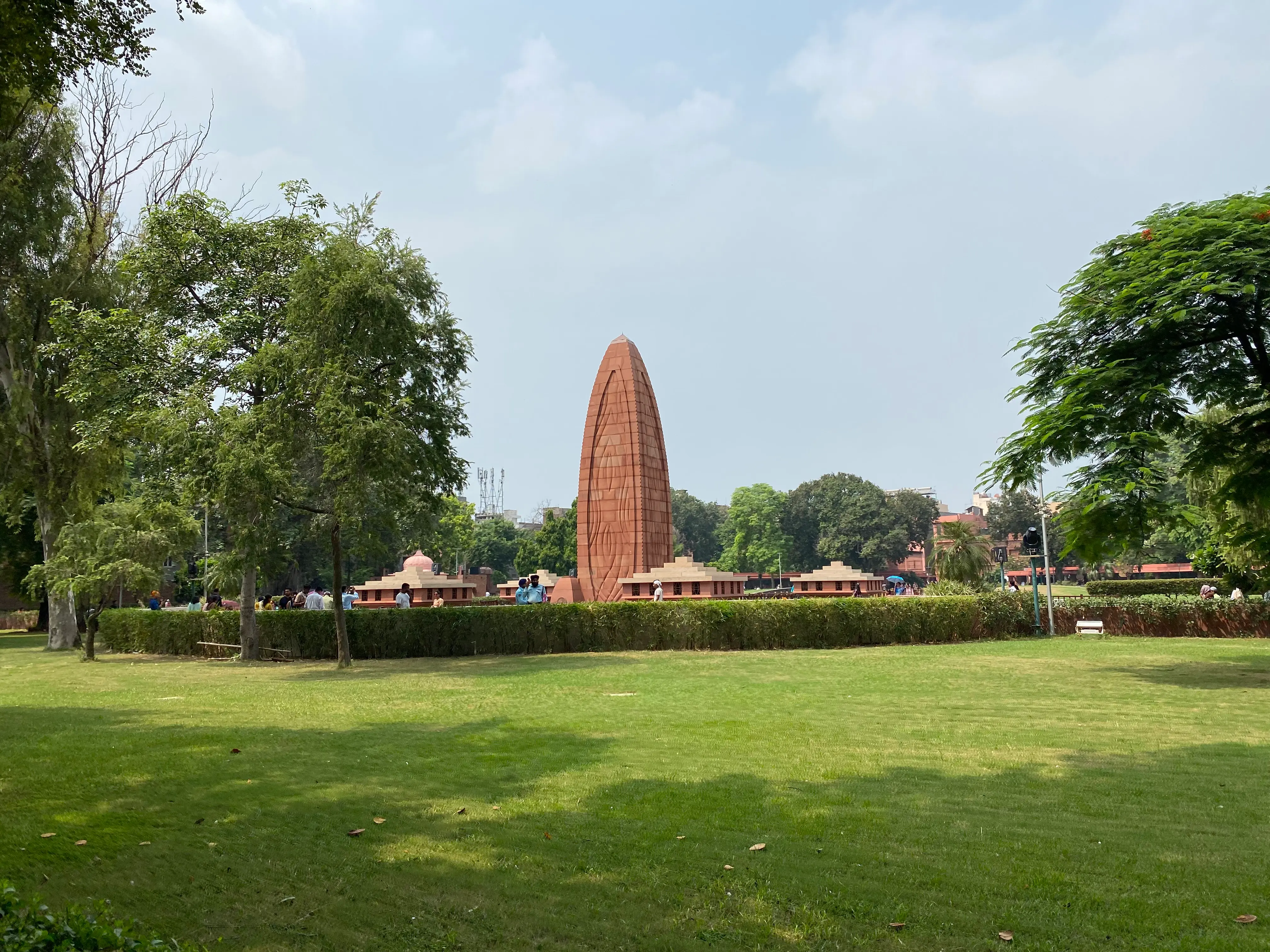
Jallianwala Bagh, Amritsar
On April 13, 1919, the walled garden of Jallianwala Bagh became the site of a horrific massacre after British troops, under the command of General Dyer, opened fire on a peaceful gathering of unarmed people, killing hundreds. This brutal incident became a turning point in the freedom movement. Today, the Jallianwala Bagh memorial stands as a solemn tribute to the innocent lives lost.
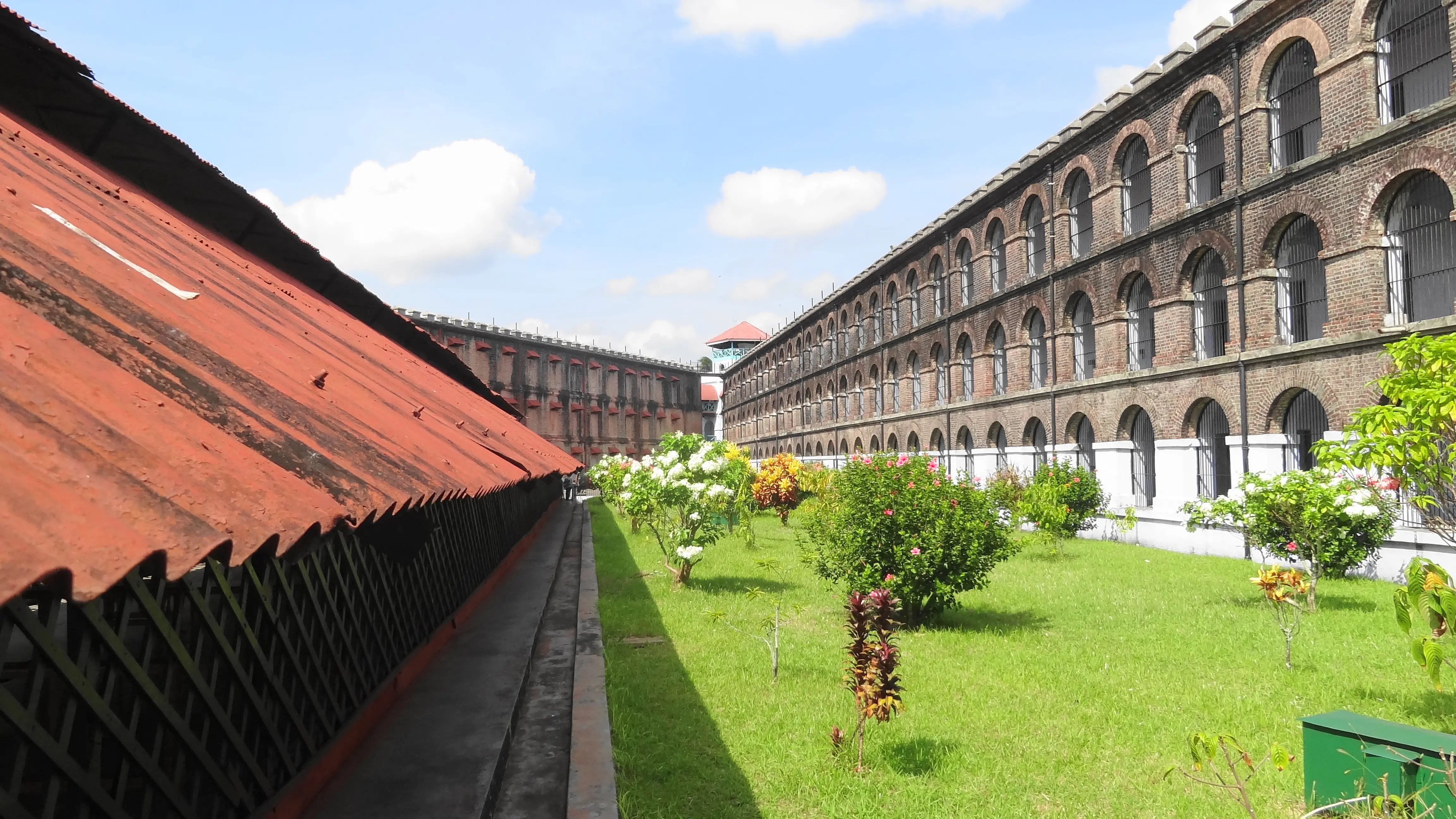
Cellular Jail, Andaman & Nicobar Islands
Known infamously as ‘Kala Pani’ (Black Water), the Cellular Jail was a remote and brutal prison where the British exiled countless freedom fighters, including prominent figures like Veer Savarkar and Batukeshwar Dutt. The jail serves as a stark reminder of the immense sacrifices and suffering endured by freedom fighters.
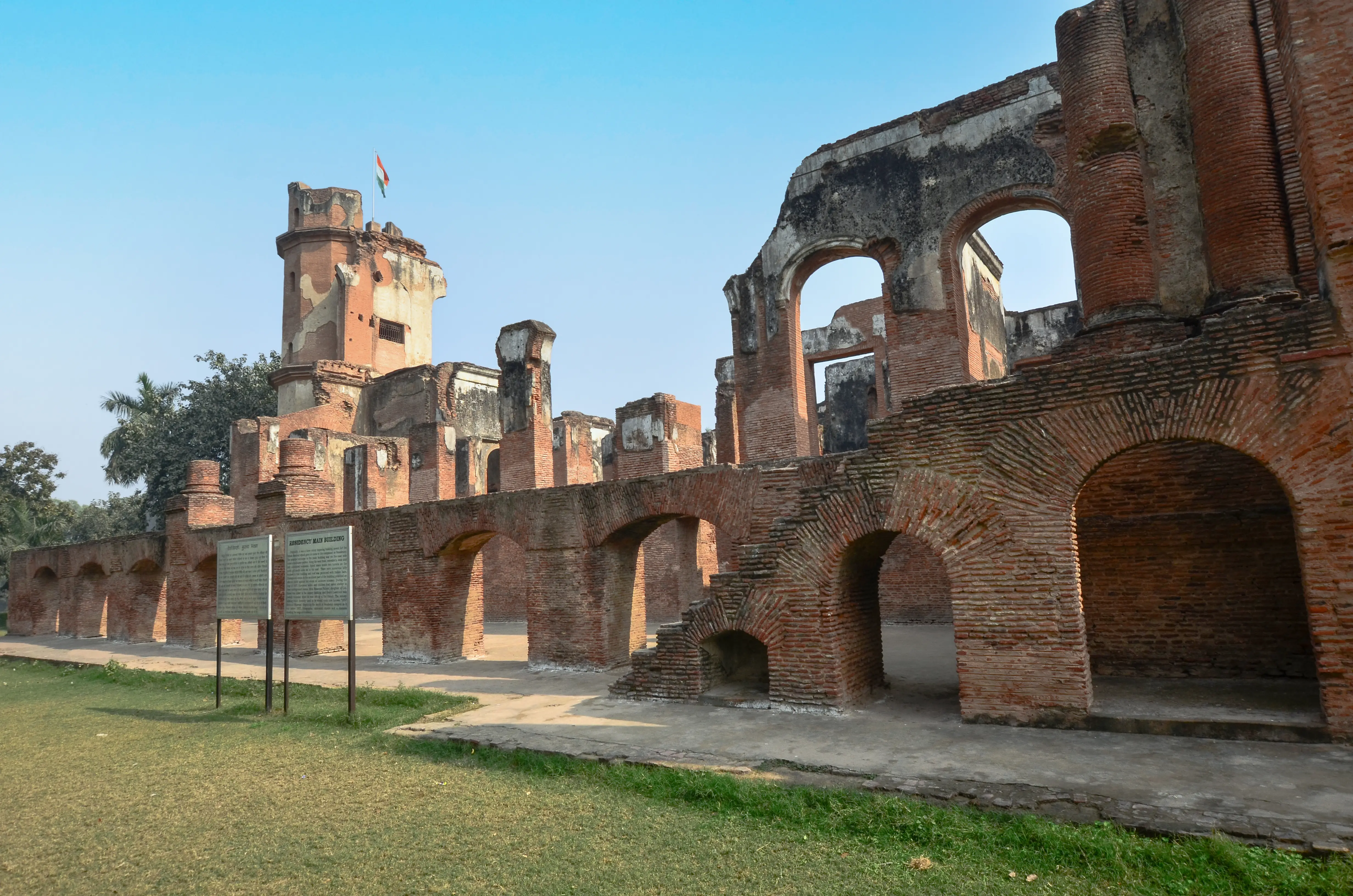
Lucknow Residency, Uttar Pradesh
The Lucknow Residency was a key site during the 1857 uprising. It was here that British officials and their families were besieged by Indian rebels for several months. The ruins of the Residency, still bearing the marks of cannonballs and gunfire, serve as a historical testament to the early and fierce resistance against British colonial power.
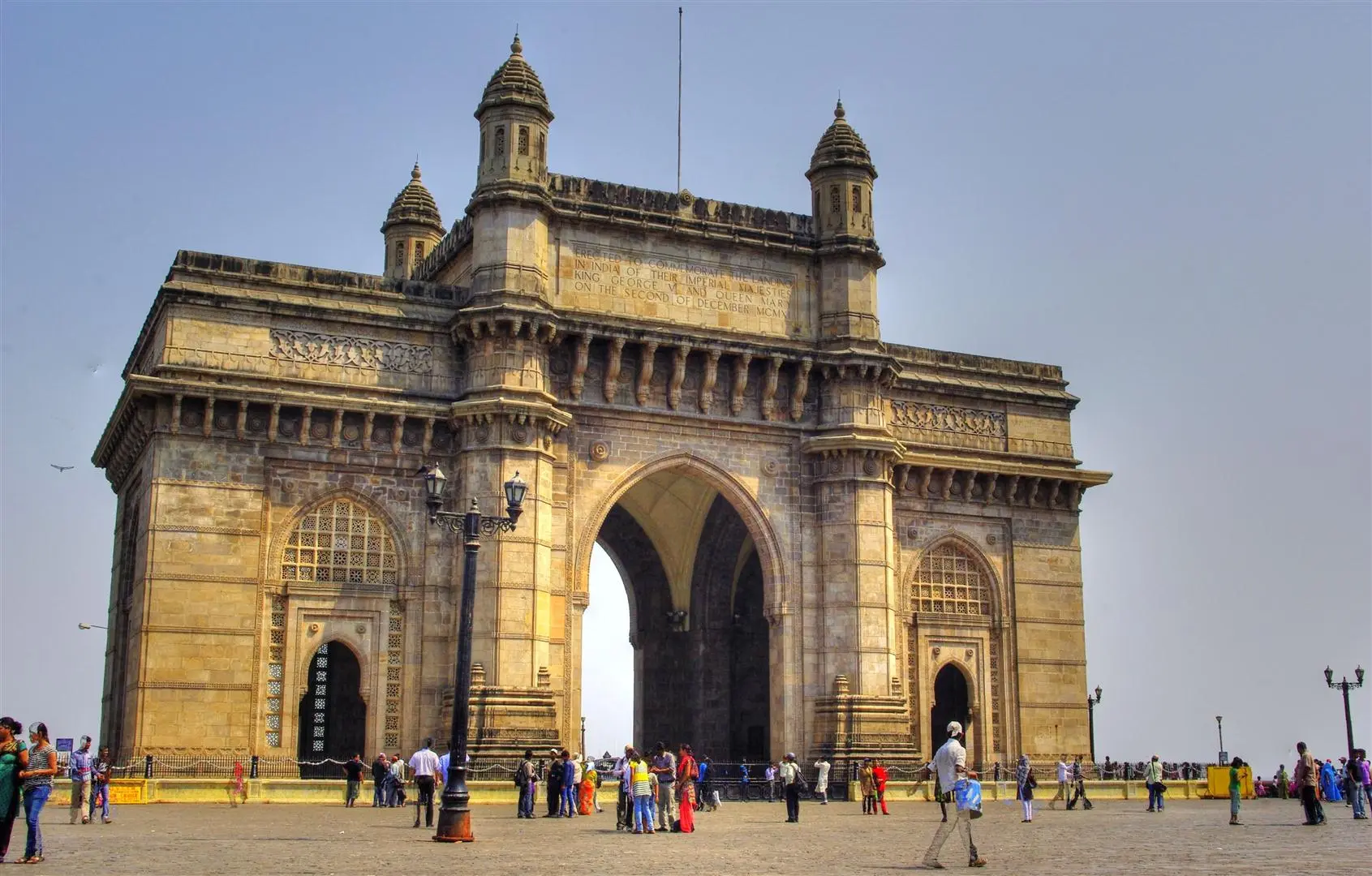
Gateway of India, Mumbai
Originally built for a royal visit, the Gateway of India is an iconic British-era monument that became a significant site in the freedom struggle in 1948. It was through this very arch that the last British troops marched out of India, marking the symbolic departure of British colonial rule and the dawn of a new era for our nation.
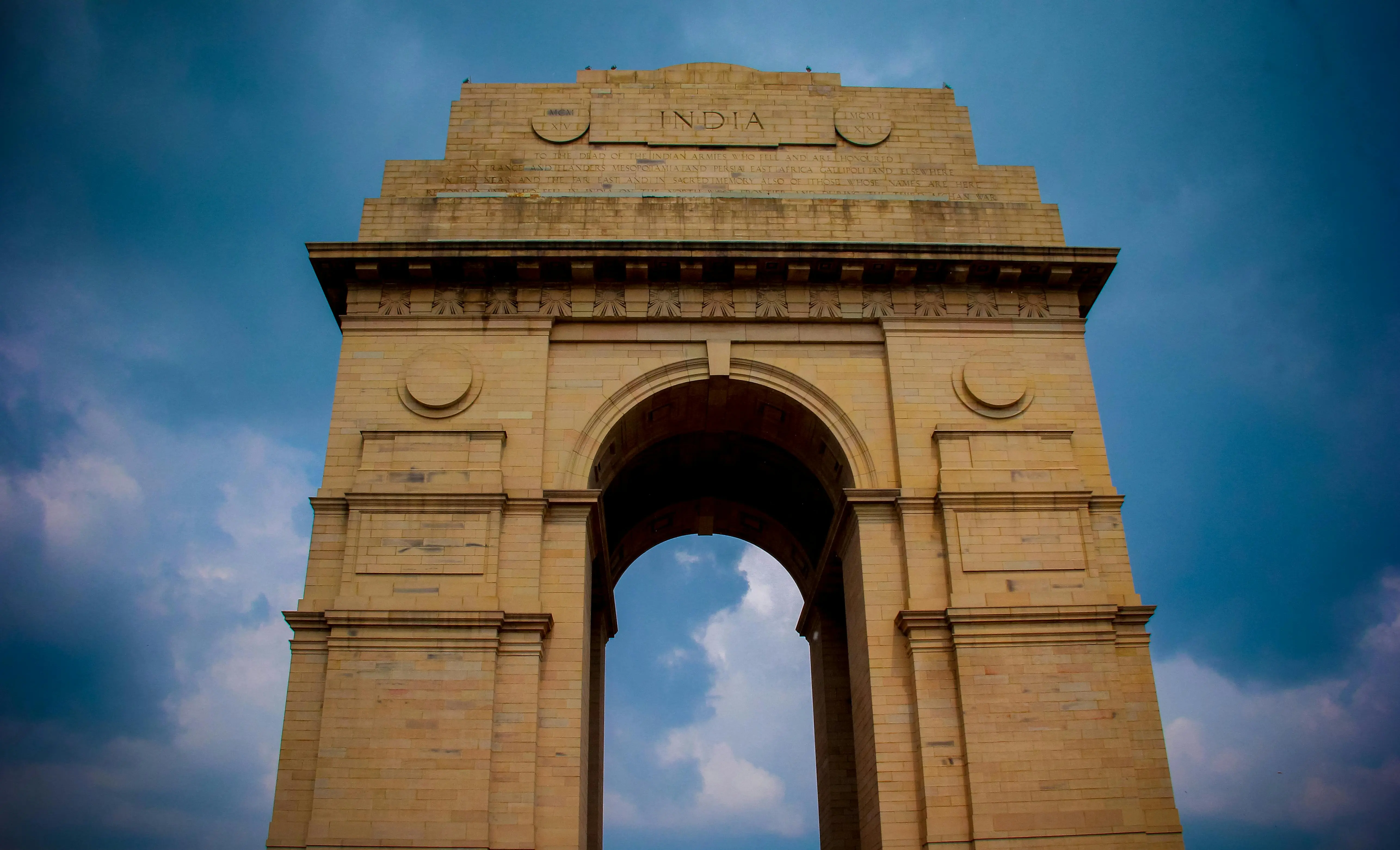
India Gate, Delhi
While built by the British to honour soldiers who died in World War I, India Gate has become a powerful symbol of our national identity and a tribute to the Indian soldiers who have sacrificed their lives for the country.
)
)
)
)
)