Independence Day 2025: India’s Nirbhay vs Pakistan’s Fatah IV and why India’s missile holds the edge

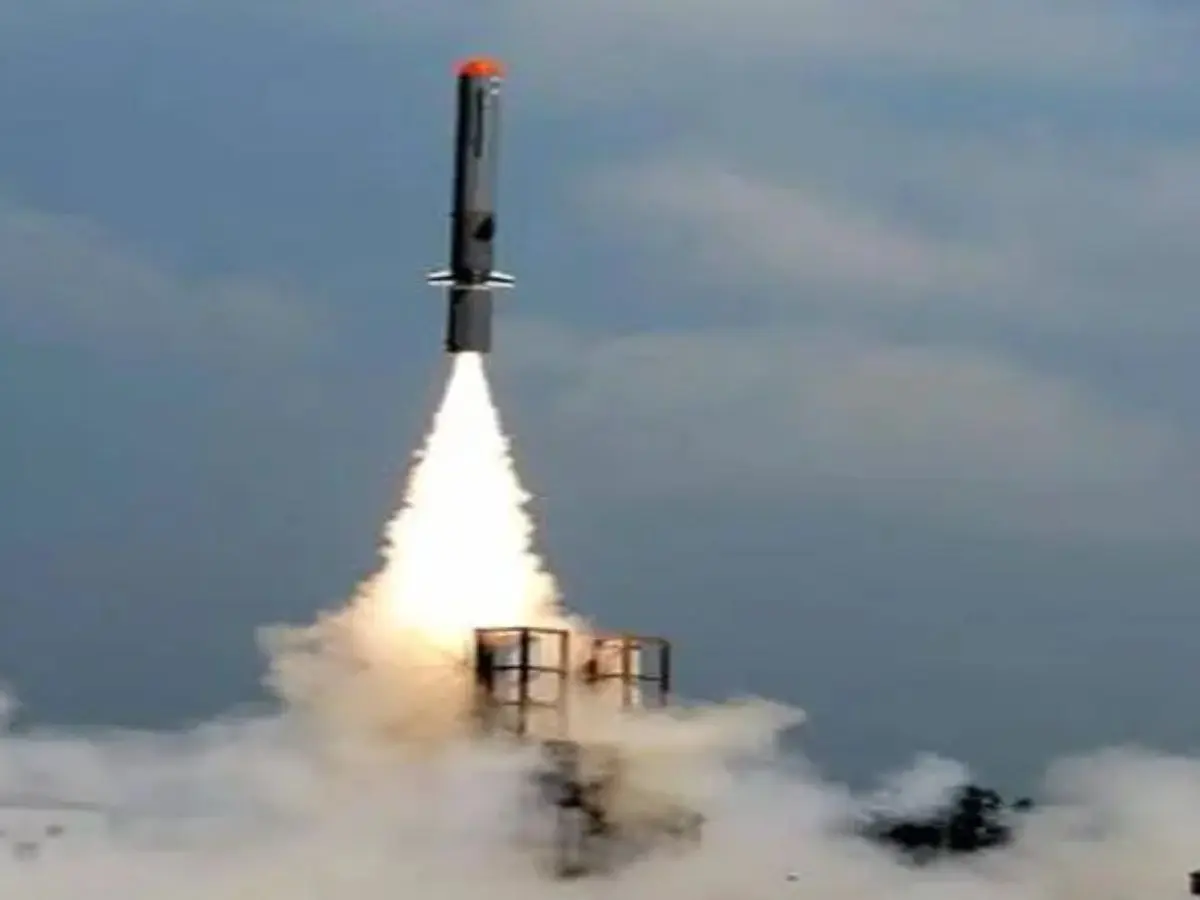
First tested in 2013, the Nirbhay’s journey has been more rigorous but also more ambitious, placing India firmly ahead in subsonic cruise missile capability.
Introduction: Independence Day Timelines and a Tale of Two Missiles
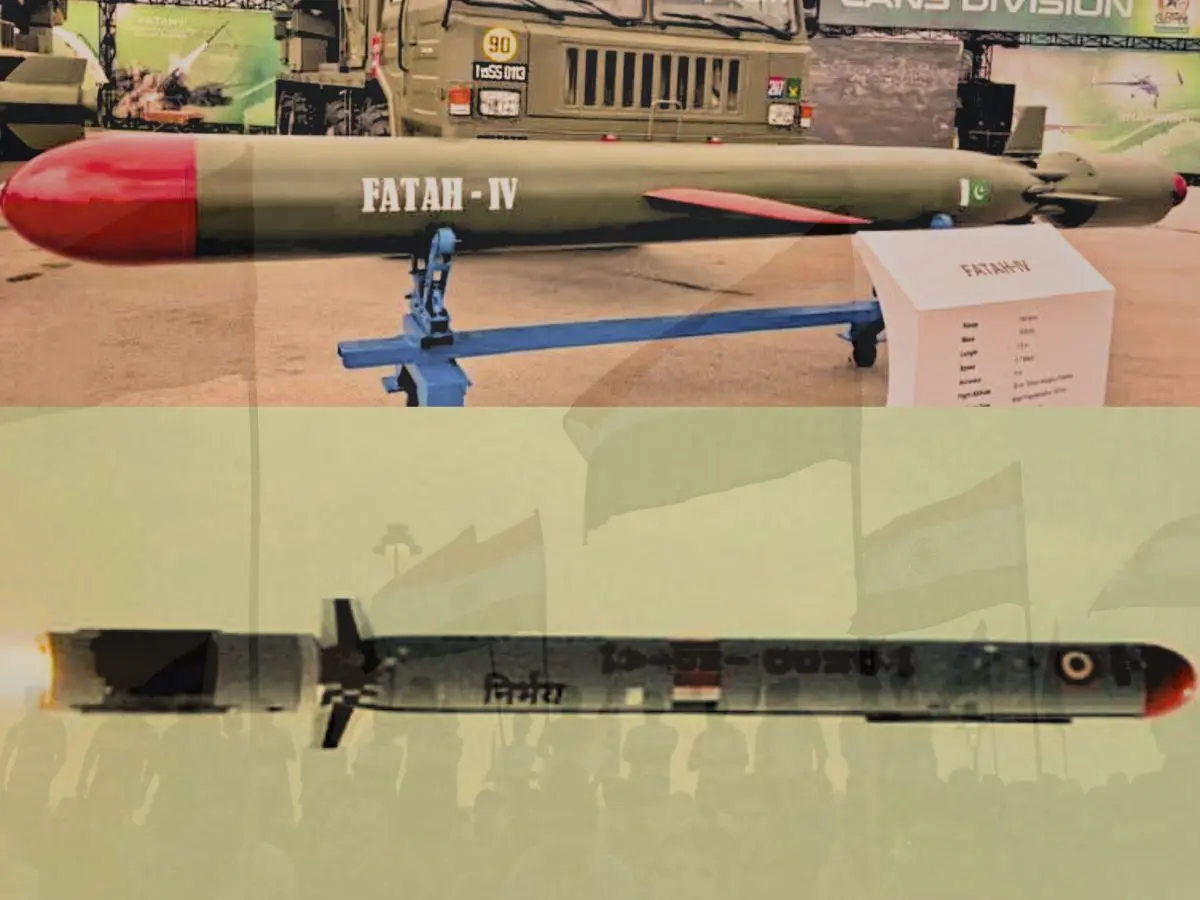
This August, with Pakistan marking its Independence Day on the 14th and India celebrating its 79th on the 15th, Islamabad chose to reveal its latest cruise missile, the Fatah-IV. Billed as a 'game-changer' by Pakistani media, the missile is intended to plug the gap between its tactical and strategic strike capabilities. India, however, has been operating its own subsonic cruise missile, the Nirbhay, for years, a platform with a longer range, greater payload, and proven versatility. First tested in 2013, the Nirbhay’s journey has been more rigorous but also more ambitious, placing India firmly ahead in subsonic cruise missile capability.
Design and Range: Edge to India
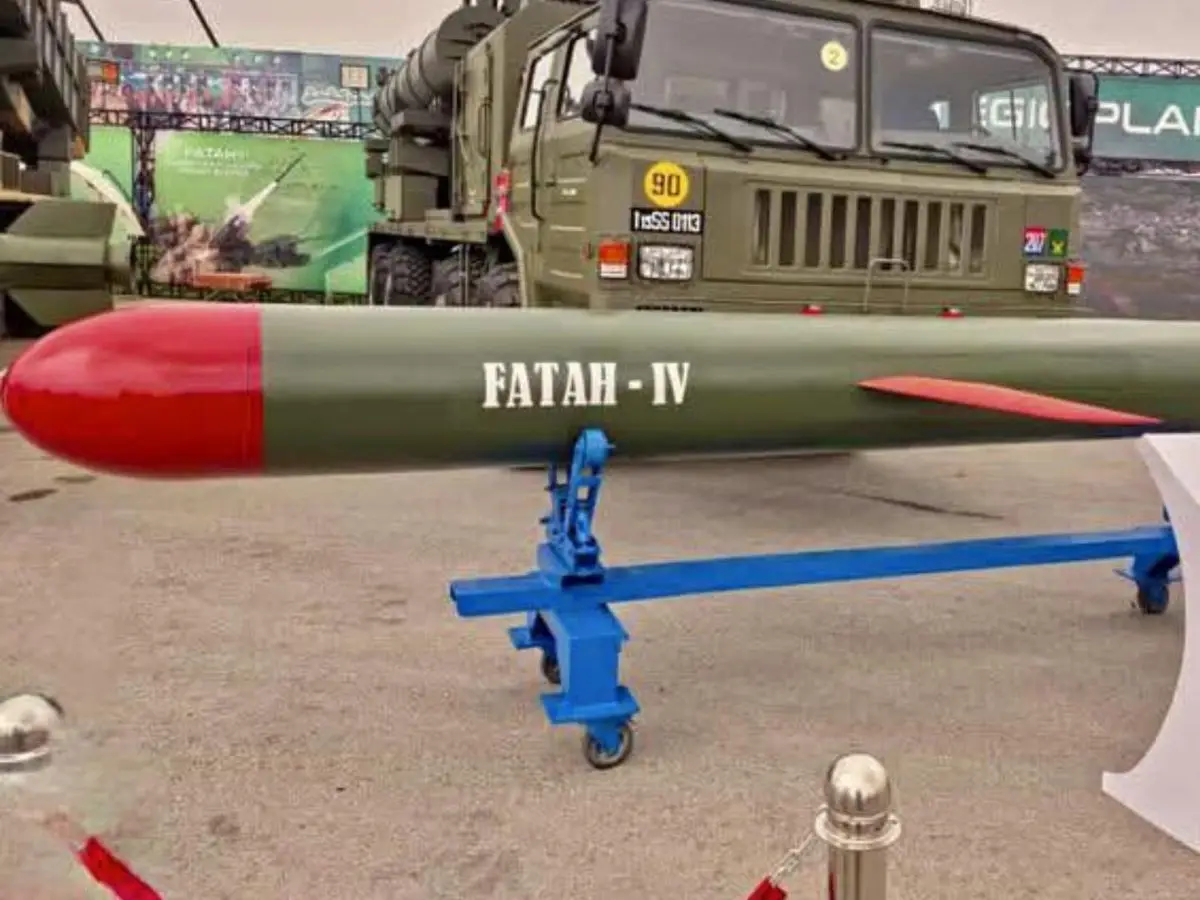
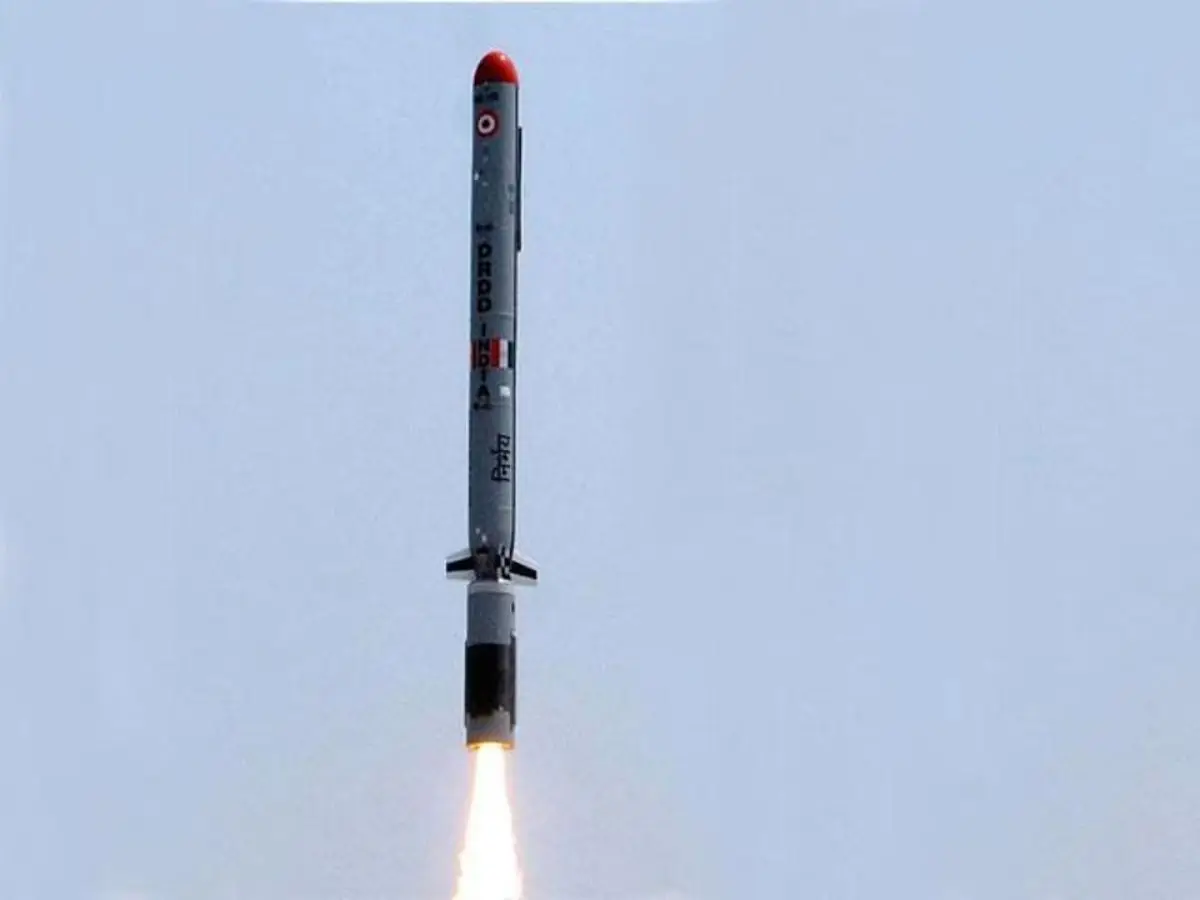
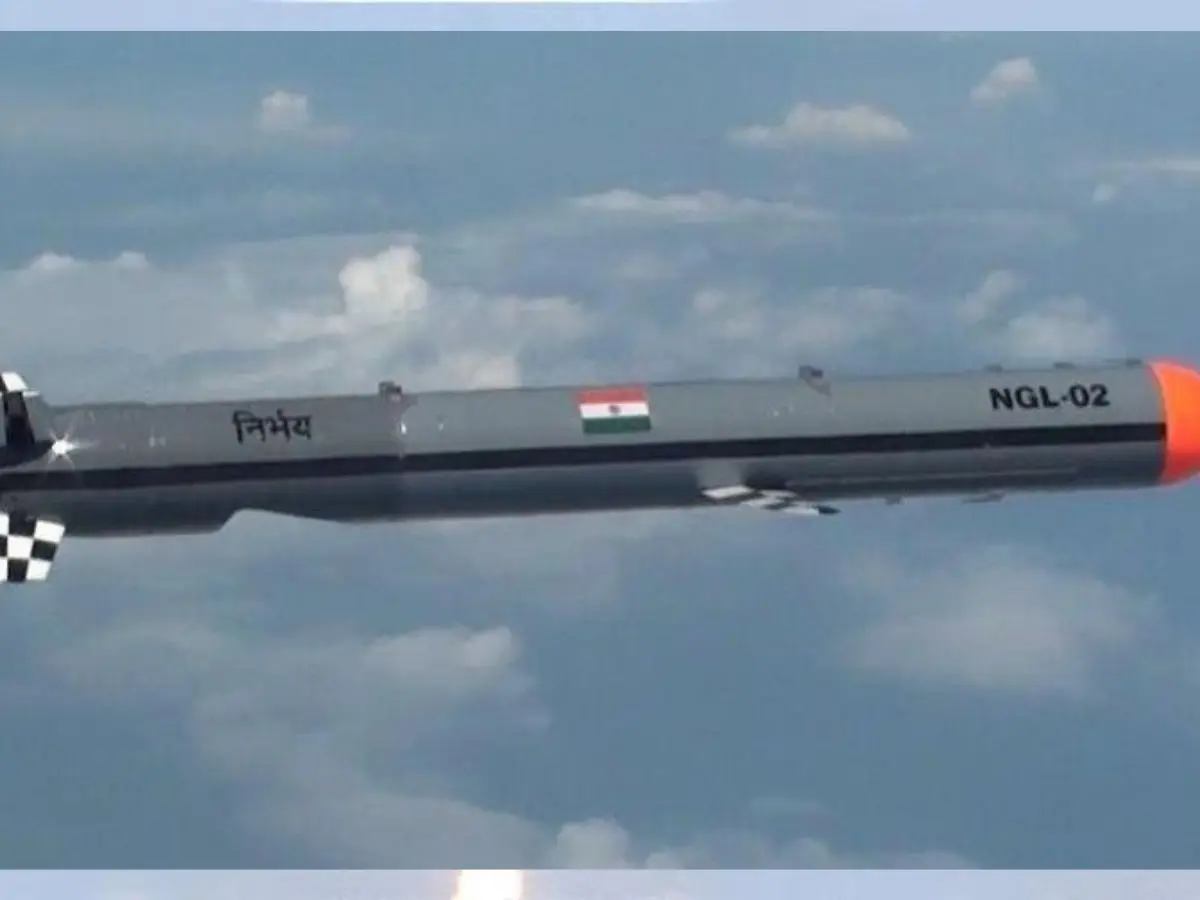
The Fatah-IV measures 7.5 metres in length, weighs 1,530 kg, and carries a 330 kg warhead. Its range is reported at 750 km, cruising at Mach 0.7. In contrast, India’s Nirbhay is more compact at 6 metres and around 1,500–1,600 kg, yet carries a heavier 450 kg payload over a longer range of 800–1,000 km. The Nirbhay’s extra reach allows it to strike deeper into adversary territory without moving launch assets forward, providing greater strategic flexibility.
Warhead and Payload Versatility
While the Fatah-IV’s payload is limited to a blast-fragmentation warhead, the Nirbhay is designed for multiple warhead types, high explosive, submunitions, and even a small nuclear warhead of around 12 kilotons. This makes it adaptable to a far wider set of missions, from precision strikes on infrastructure to strategic deterrence. Pakistan’s Fatah-IV remains firmly in the conventional strike category, which limits its deterrent flexibility.
Guidance, Navigation, and Survivability
The Fatah-IV integrates GPS/INS navigation with a dual-mode seeker combining electro-optical/infrared and radar sensors, and even claims AI-driven target recognition. It uses terrain-following flight at just 50 metres above ground to avoid radar detection. The Nirbhay, however, offers comparable stealth profiles with sea-skimming and loitering capabilities, combined with an active radar seeker and the option to integrate India’s own navigation satellite system for independence from GPS. The loitering feature, the ability to circle an area before selecting a target, adds tactical flexibility Pakistan’s missile does not match.
Mobility and Deployment
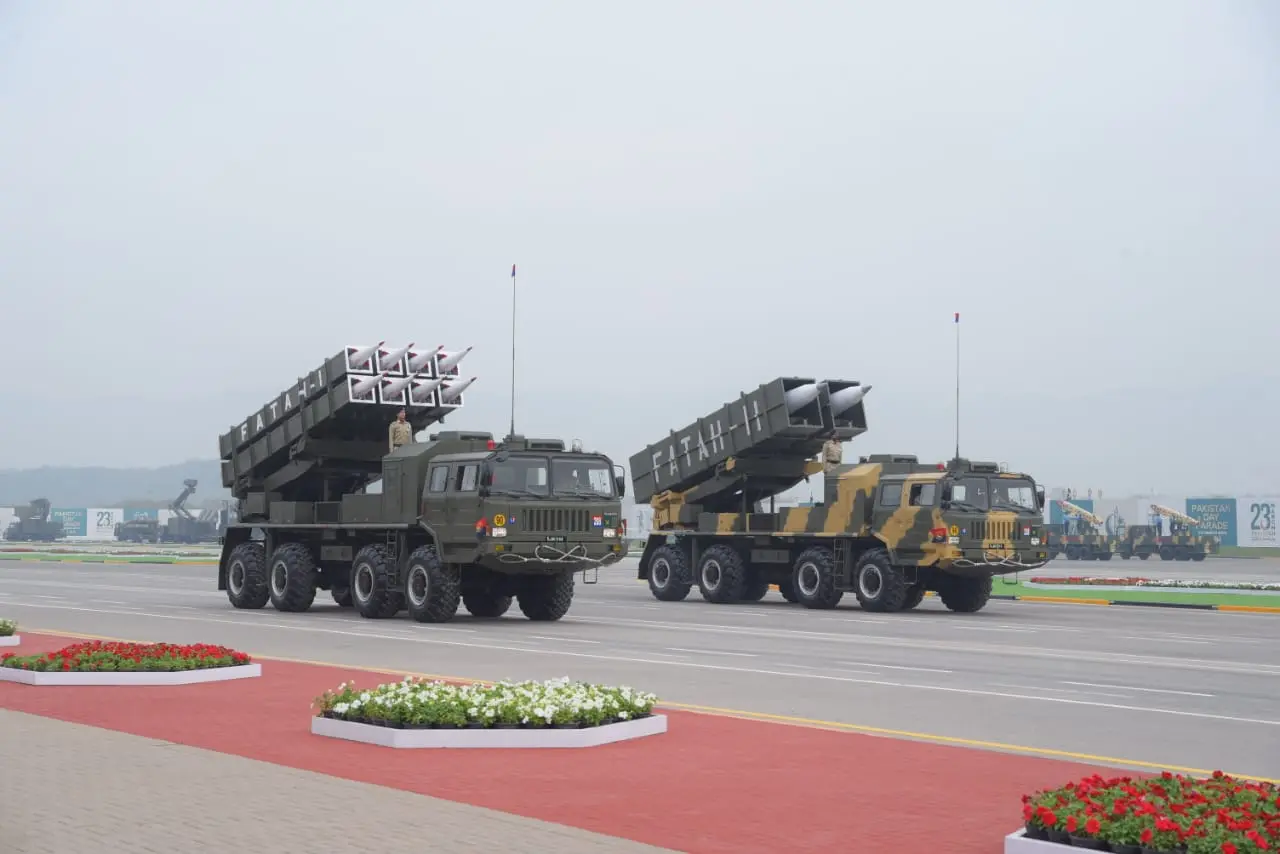
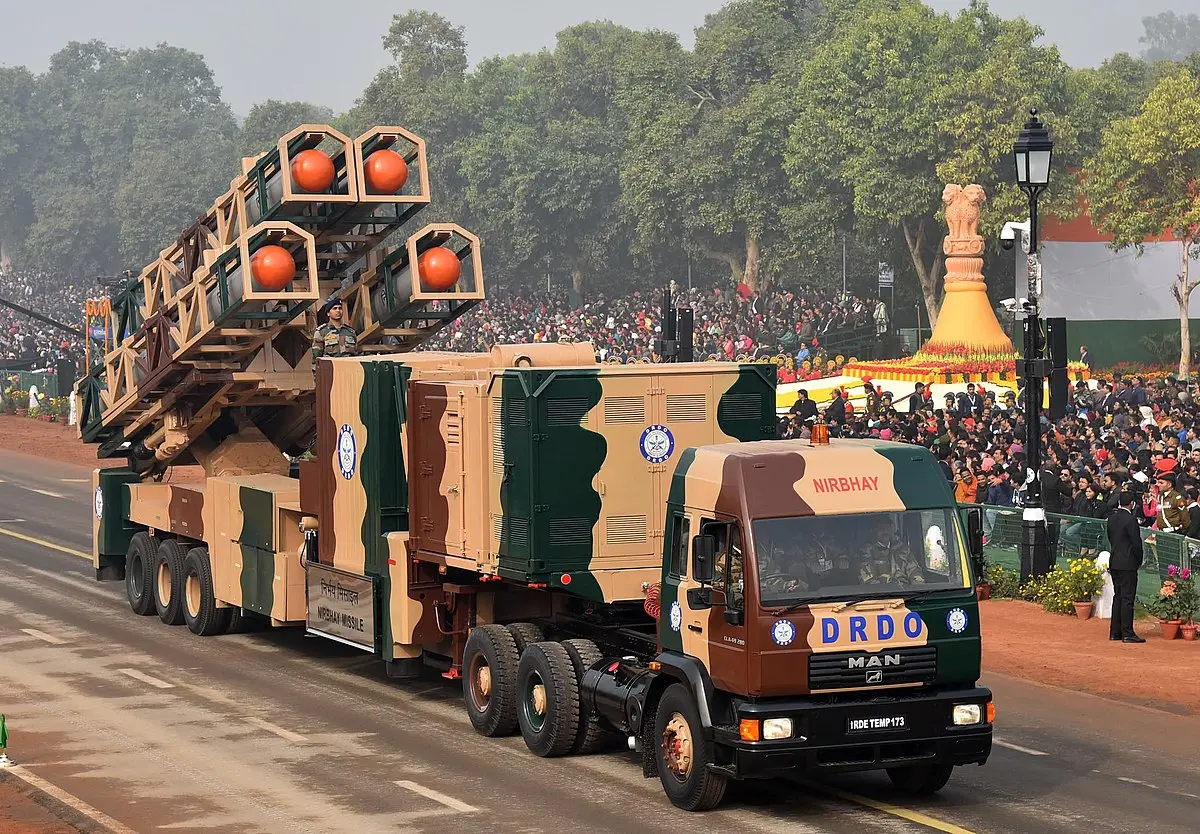
Both systems use mobile transporter-erector-launchers (TELs) for shoot-and-scoot tactics. Fatah-IV TELs can carry three missiles and deploy across varied terrain. Nirbhay is launched from a TATA Motors all-terrain 12x12 mobile platform, with future variants planned for submarine deployment. This potential for land and sea launch gives India a clear advantage in multi-domain operations.
Operational Context and Maturity
Pakistan’s Fatah series has evolved quickly since 2021, moving from short-range guided rockets to the Fatah-IV’s extended range. However, speed of introduction is not the same as battlefield maturity. Nirbhay has undergone multiple test iterations since 2013, ironing out guidance and propulsion issues, and is already deployed in limited numbers along the Line of Actual Control. Continuous refinements, including the indigenous Manik turbofan engine under the ITCM programme, ensure it remains an evolving, future-proof platform.
Conclusion: Independence Day Symbolism and Strategic Reality
Pakistan’s decision to reveal the Fatah-IV on its Independence Day sends a message of military progress, but the underlying comparison shows India’s Nirbhay still holds the upper hand, longer range, heavier payload, nuclear-capable flexibility, and planned multi-platform deployment.
)
)
)
)
)