Independence Day 2025: How India got its national flag, and why it was finalised at the last minute?

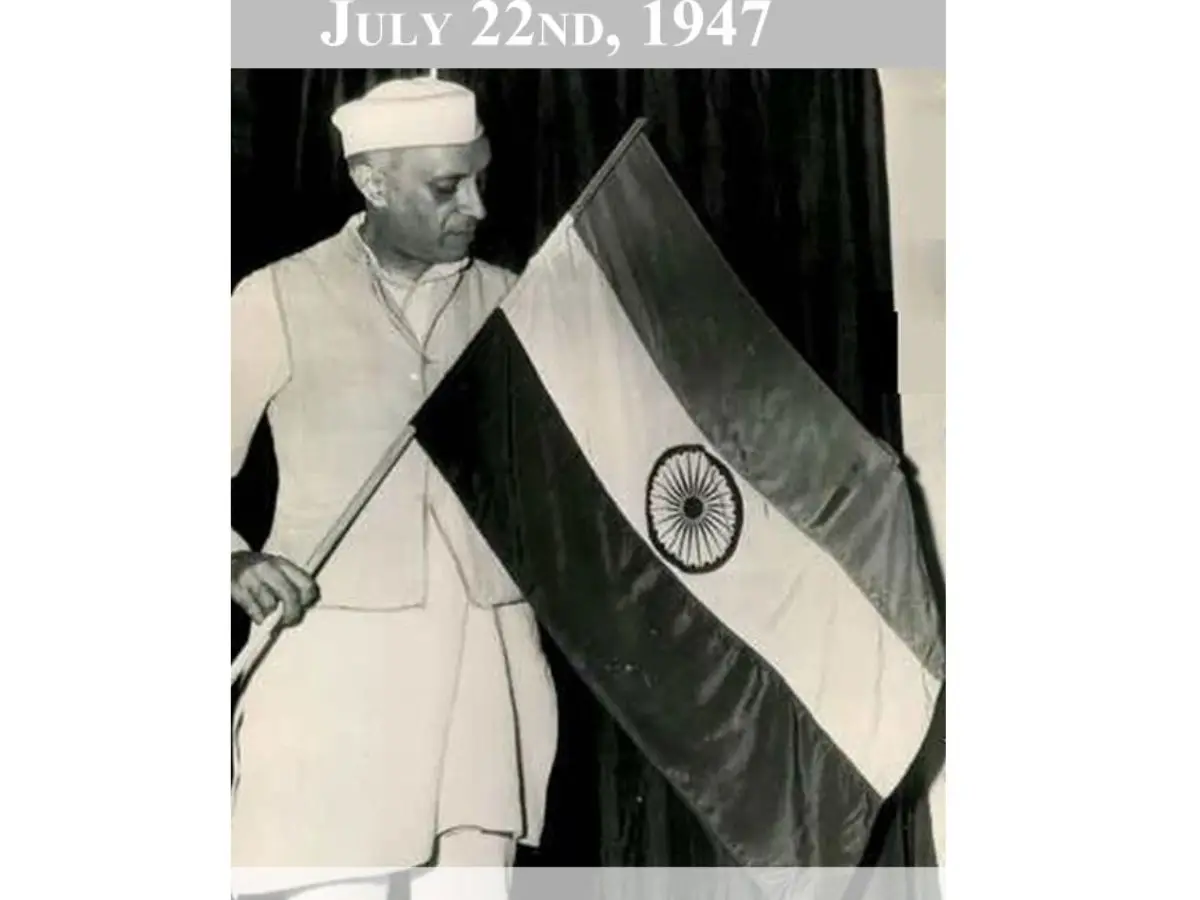
The tricolour was formally adopted on 22 July 1947 by the Constituent Assembly, just three weeks before India gained independence from British rule.
A Symbol of Freedom Finalised Weeks Before Independence
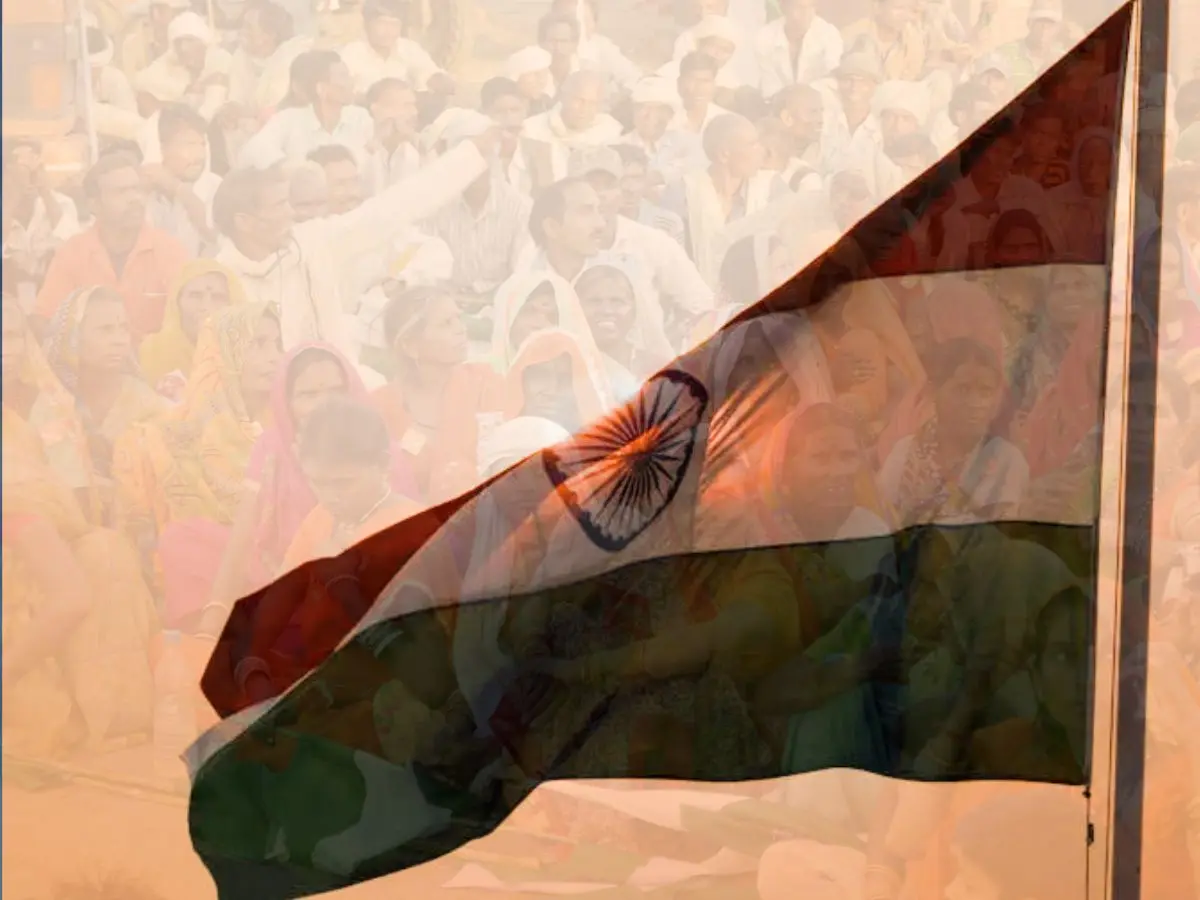
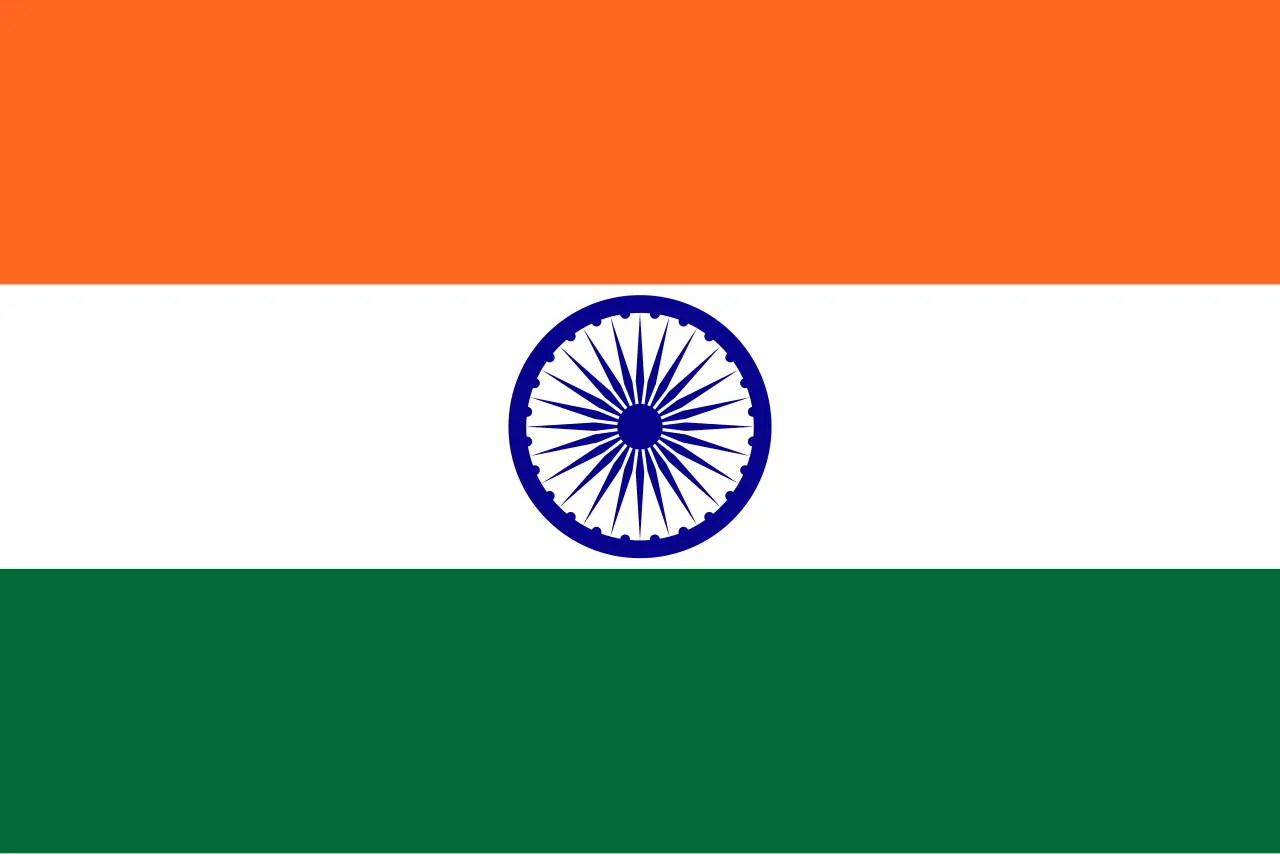
On August 15, 2025, India marks 79 years of independence, yet few realise that the tricolour, which is the most recognisable symbol of the nation’s sovereignty and unity, as officially adopted only weeks before freedom was won. It was formally adopted on 22 July 1947 by the Constituent Assembly, just three weeks before India gained independence from British rule. The decision was taken under considerable urgency, as the soon-to-be independent nation needed a flag that was representative of its diverse communities and reflected the decades-long struggle for freedom. The resolution, moved by Jawaharlal Nehru, declared the flag to be a horizontal tricolour of deep saffron, white, and dark green, with the Ashoka Chakra in navy blue at its centre.
Early Attempts to Create a National Flag
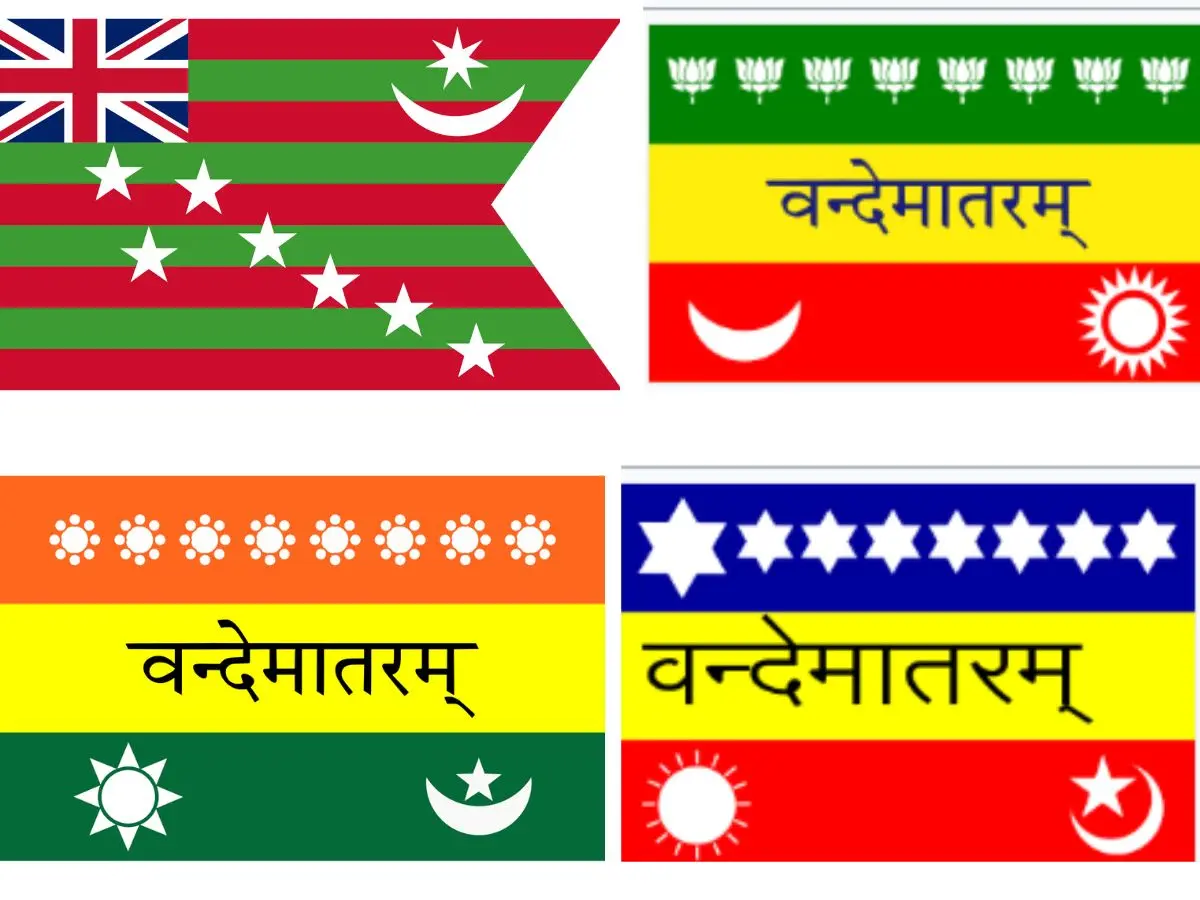
The concept of a national flag for India predates independence by decades. The first recorded hoisting took place on August 7, 1906 at Parsee Bagan Square in Kolkata, featuring green, yellow, and red horizontal bands with religious symbols. In 1907, Madam Bhikaji Cama unfurled a modified flag in Stuttgart, Germany, marking the first time an Indian flag was displayed abroad. The Home Rule Movement of 1917, led by Dr Annie Besant and Lokmanya Tilak, introduced a flag with red and green stripes, the Union Jack in one corner, and symbols including the crescent moon and the seven stars of the Saptarishi constellation.
Pingali Venkayya and the 1921 Design
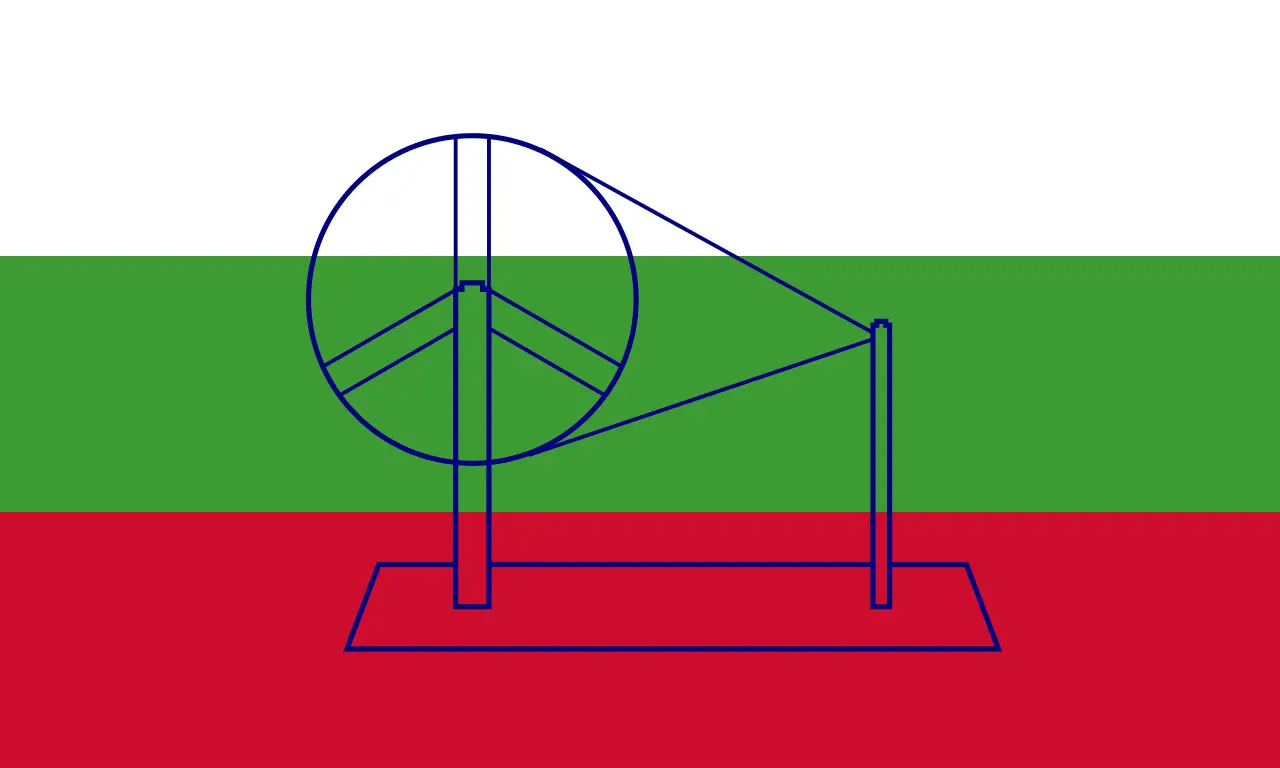
The most influential figure in shaping the present-day design was Pingali Venkayya, a freedom fighter and flag enthusiast who proposed a two-colour flag, red for Hindus and green for Muslims, during the All India Congress Committee meeting in Bezwada in 1921. At Mahatma Gandhi’s suggestion, a white band was added to represent other communities and peace, along with the charkha, symbolising self-reliance and progress. This 'Swaraj Flag' gained widespread, though unofficial, use during the independence movement.
The 1931 Tricolour and the Move Away from Religious Symbolism
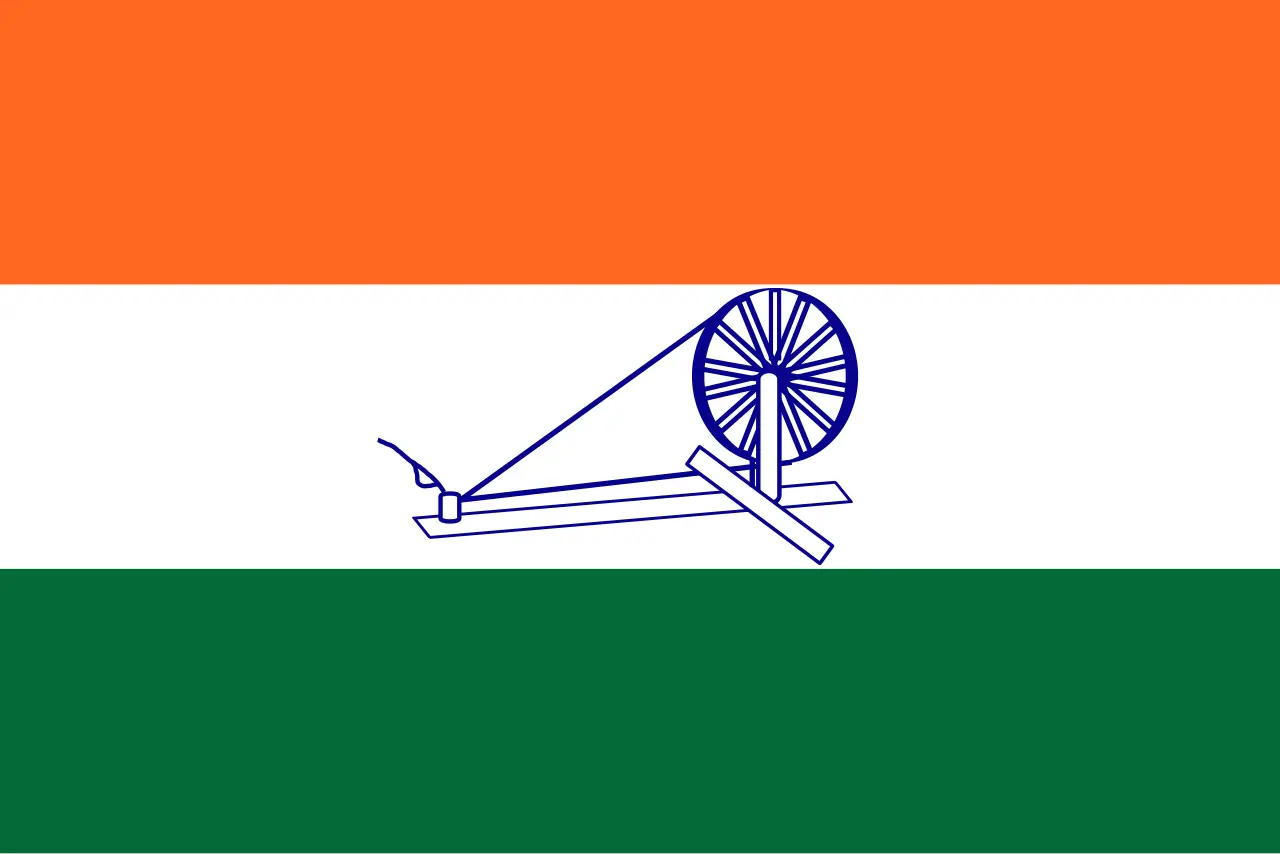
By 1931, the Indian National Congress adopted a tricolour with saffron at the top, white in the middle, and green at the bottom, retaining the spinning wheel in the centre. This arrangement removed explicit religious associations and instead gave each colour a broader symbolic meaning: saffron for courage and sacrifice, white for peace and truth, and green for faith and fertility. This 1931 flag served as the direct precursor to the national flag of independent India.
The Last-Minute Changes of 1947
As independence approached, the Constituent Assembly formed an ad hoc committee headed by Dr Rajendra Prasad to finalise the design. While based on Venkayya’s tricolour, the charkha was replaced by the Ashoka Chakra, a 24-spoke wheel taken from the Sarnath Lion Capital of Emperor Ashoka, symbolising constant movement and progress. Historical accounts differ on who proposed the change, with some attributing it to Surayya Tyabji, an artist married to senior civil servant Badruddin Tyabji. The committee approved the final design on July 17, 1947, leaving only weeks for its production before independence.
The Flag’s Symbolism and First Hoisting
The finalised flag retained its symbolic meanings: saffron for strength and courage, white for peace and truth, and green for fertility and prosperity. The Ashoka Chakra replaced the charkha to present a more universal and non-partisan emblem. Prime Minister Nehru first hoisted the flag at the Red Fort on August 16, 1947, marking the public celebration of independence. In his speech during the adoption, Nehru described it as 'not only a flag of freedom for ourselves, but a symbol of freedom to all people'.
From Struggle to National Identity
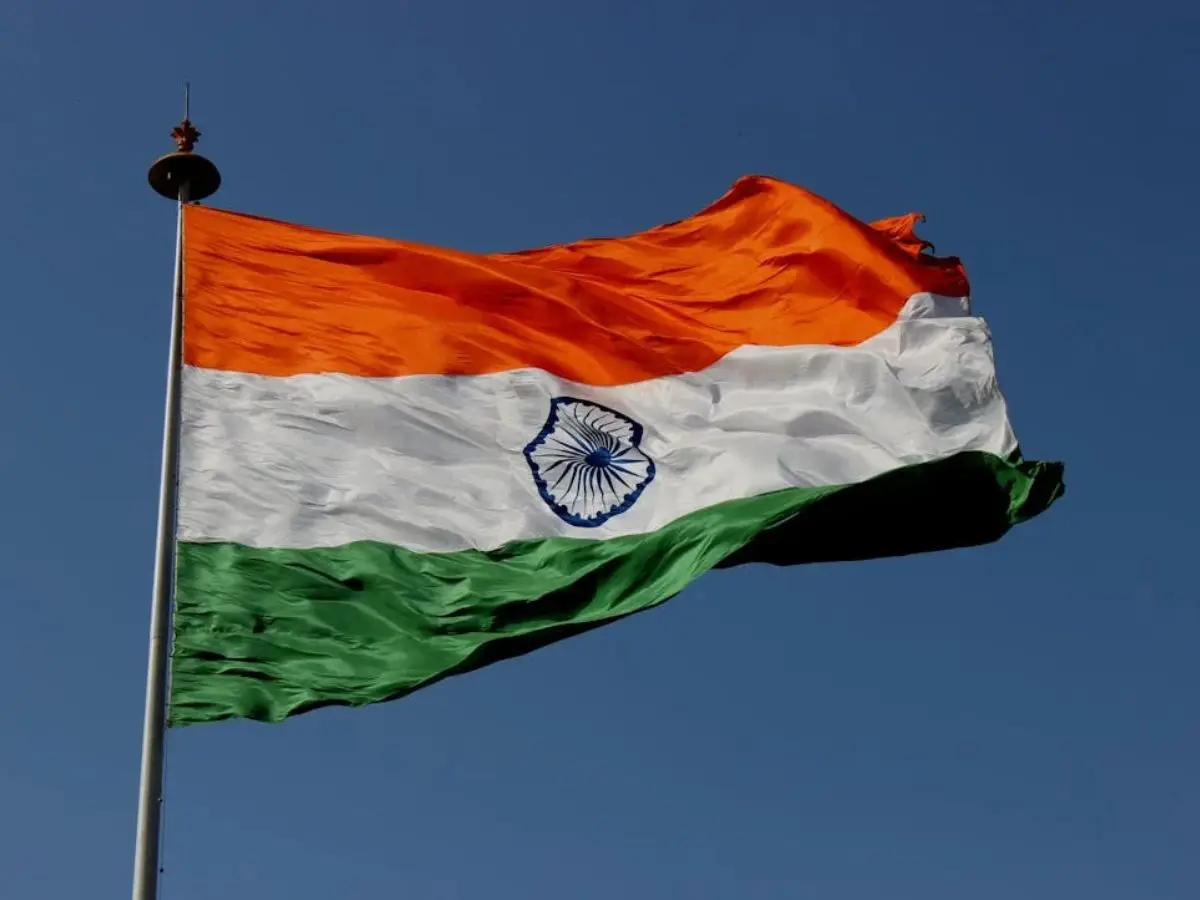
The adoption of the tricolour was more than a procedural necessity; it was a declaration of national identity. The decades of experimentation, regional adaptations, and ideological debates that preceded it reflected India’s diversity and its long fight against colonial rule. Finalised in the last days before independence, the flag became an enduring emblem of unity, resilience, and the aspirations of a free nation.
)
)
)
)
)