Independence Day 2025: Forgotten flags of India — Stories behind the many Indian flags before 1947

The Indian tricolour that fills every Indian's heart with pride is the result of multiple flags that evolved into the modern flag. These are the stories of the forgotten flags of India.

1904
In 1904, an Anglo-Indian weekly showed a proposed flag for India. It had three horizontal bands: dark blue for Hindus and Buddhists, green for Muslims, and light blue for Christians. A vertical purple band on the left featured stars from the Orion constellation, representing India's provinces and states. A red border around the whole flag symbolised British rule, keeping the country united.
1907
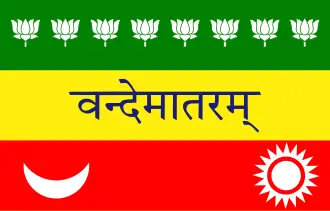
After the 1905 Partition of Bengal, a new flag emerged to unify India's diverse groups. This flag, known as the Calcutta flag, was a tricolor with three horizontal bands. The top green band had eight white lotuses, representing the eight provinces of British India. The middle yellow band was inscribed with the slogan "Vande Mataram" in Hindi. The bottom red band featured a sun and a crescent moon. This design was famously raised by Bhikaji Cama in Stuttgart, Germany, on August 22, 1907, at the International Socialist Conference.
1916
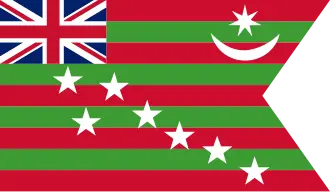
In 1916, Annie Besant and Bal Gangadhar Tilak created a new flag for the Home Rule Movement. It featured the British Union Jack, a crescent and star, and seven stars on a background of alternating red and green stripes. This flag was the first to face government pushback when a magistrate in Coimbatore banned it. This ban sparked a public debate about the importance and purpose of a national flag.
1921
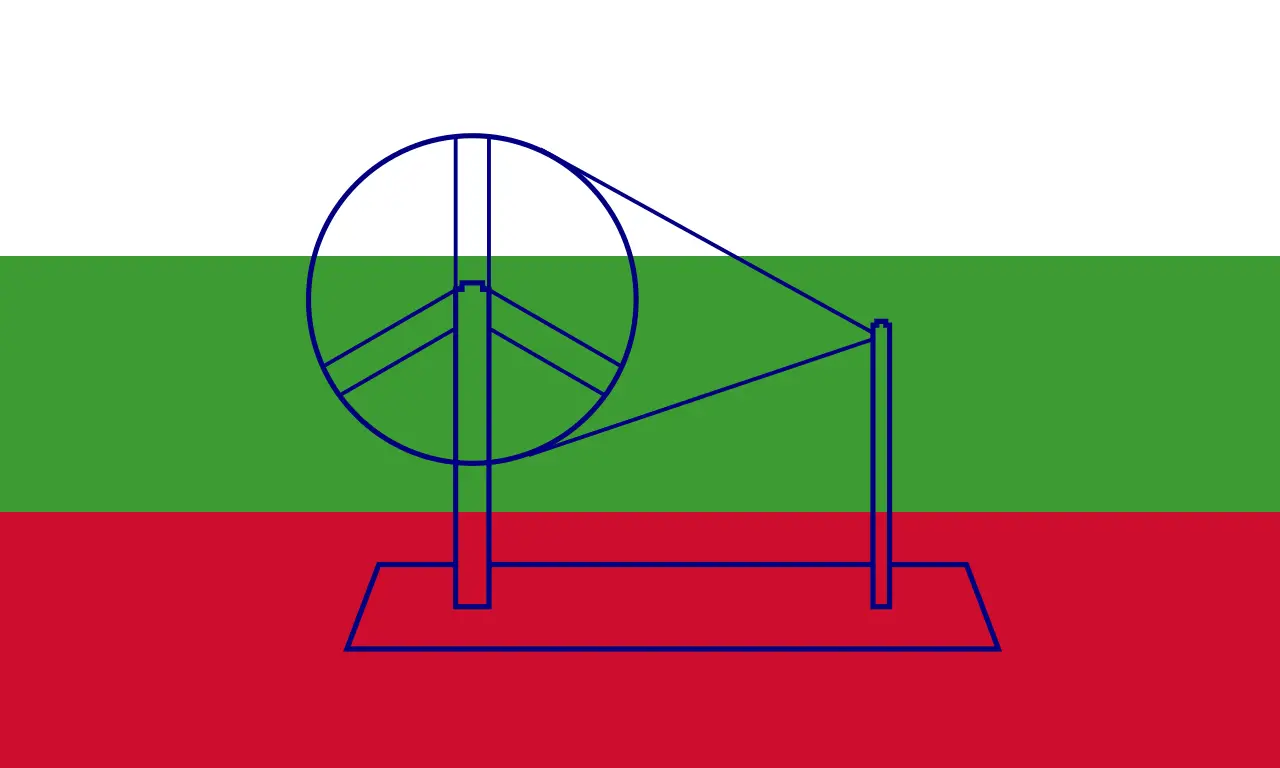
In April 1921, Mahatma Gandhi wrote in his journal, Young India, that India needed its own flag. He proposed a design featuring a charkha, or spinning wheel, in the center. The idea for the spinning wheel came from Lala Hansraj, and Gandhi tasked designer Pingali Venkayya with creating a flag with a spinning wheel on a red and green banner—red for Hindus and green for Muslims.
1929
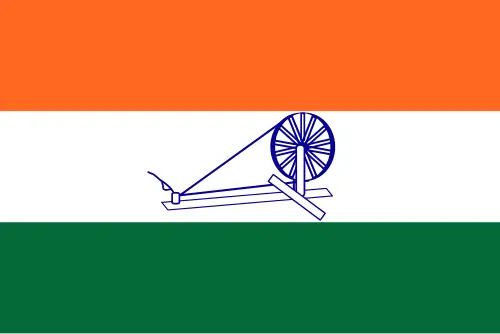
A slightly different version of the Swaraj flag, which Gandhi had originally asked Venkayya to design, became the official flag of the Congress in 1931. Gandhi's initial 1921 design, which included red and green to represent Hindus and Muslims, was delayed. This delay, which Gandhi called a "lucky accident," led him to add a white stripe to represent all other religions. Later, in 1929, Gandhi shifted to a more secular meaning for the flag's colours: red for sacrifice, white for purity, and green for hope.
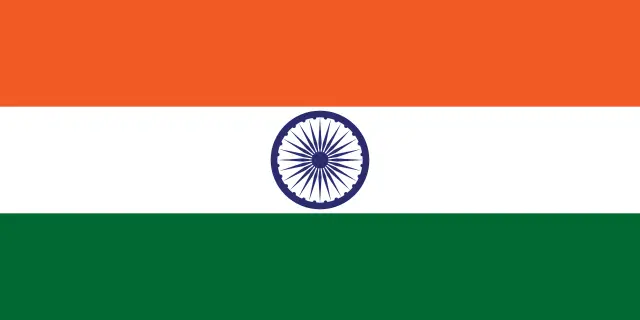
1947 - Now
Before India's independence in August 1947, the Constituent Assembly was formed to get a flag for the new nation. On June 23, 1947, they created a special committee led by Rajendra Prasad and a few other key figures, including Maulana Abul Kalam Azad, Sarojini Naidu, and B. R. Ambedkar. This committee decided to use the Indian National Congress flag as a base, but make some changes so everyone would accept it, like replacing the spinning wheel with the Ashoka Chakra.
Jawaharlal Nehru officially proposed the flag on July 22, 1947. It was a horizontal tricolour with saffron, white, and dark green stripes, with the blue Ashoka Chakra in the middle of the white stripe. The assembly unanimously approved the design, which has been India's national flag ever since.
)
)

)
)