In Pics | Vulture surveillance system alerts Zambian park to poachers

The population is kicking back!
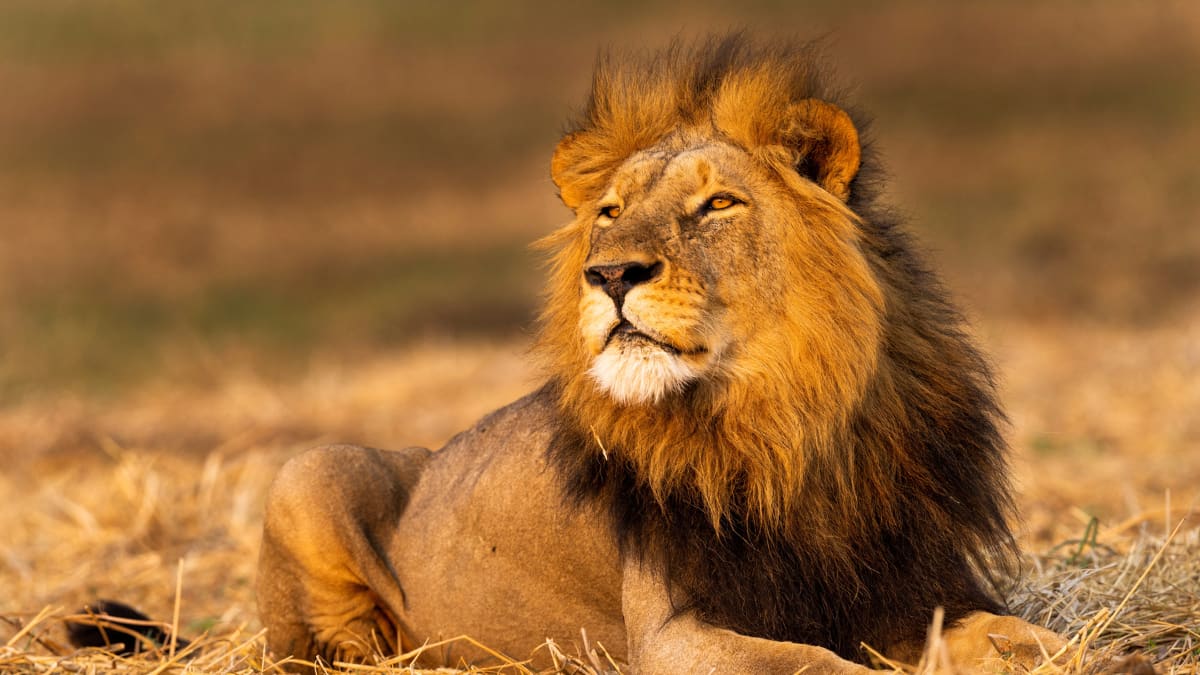
While a dearth of historical population data makes it difficult to track changes over a longer time period, since 2018 scientists have started to see "strong indications that those populations are trending upwards now in areas where we have been investing in protection support," said Kim Young-Overton, director of Panthera's Kavango-Zambezi Transfrontier Conservation Area programme, which includes Kafue.
More cubs born between 2018 to 2021
In the recent assessment, scientists found that more lion cubs were born into Kafue prides from 2018 to 2021. That's a sign that adult survival is improving because as females live longer, "they're more likely to give birth to cubs," said Panthera lion program director Andrew Loveridge.
A half-century of intensive poaching has decimated wildlife populations in Africa's third-largest national park, as it has across much of the continent, with Kafue's free-roaming big cats among the victims.
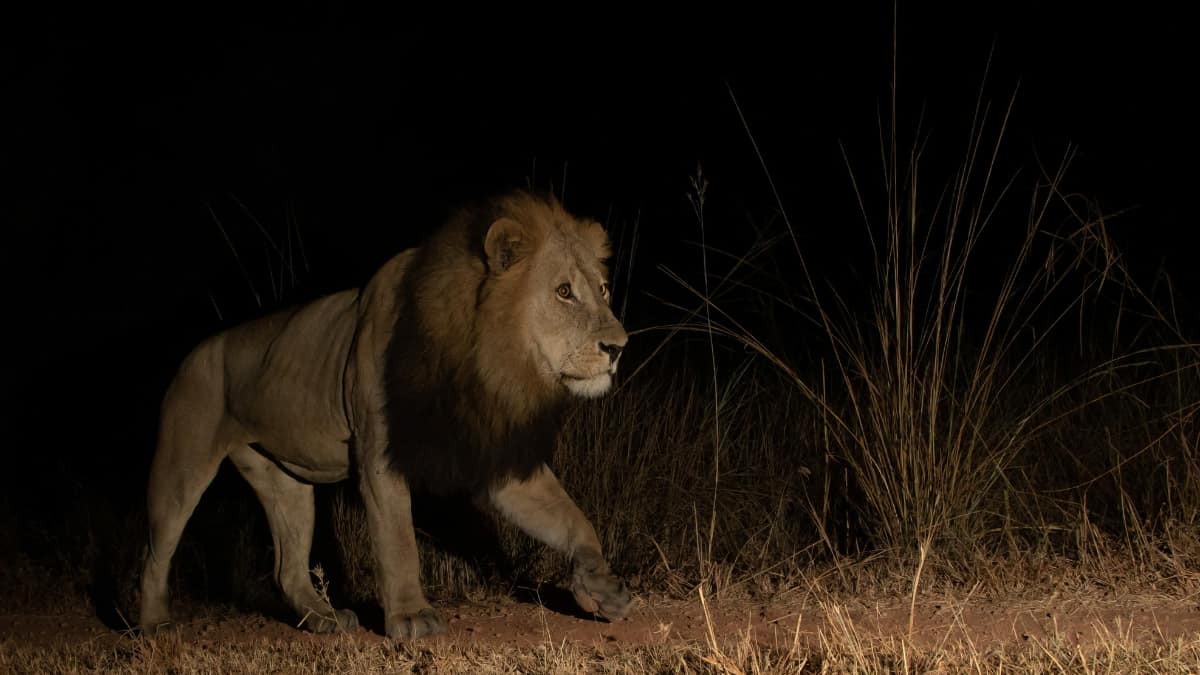
Poachers have targeted leopards and lions for a long time
Leopards have long been hunted for their skins, used as ceremonial attire in the region.
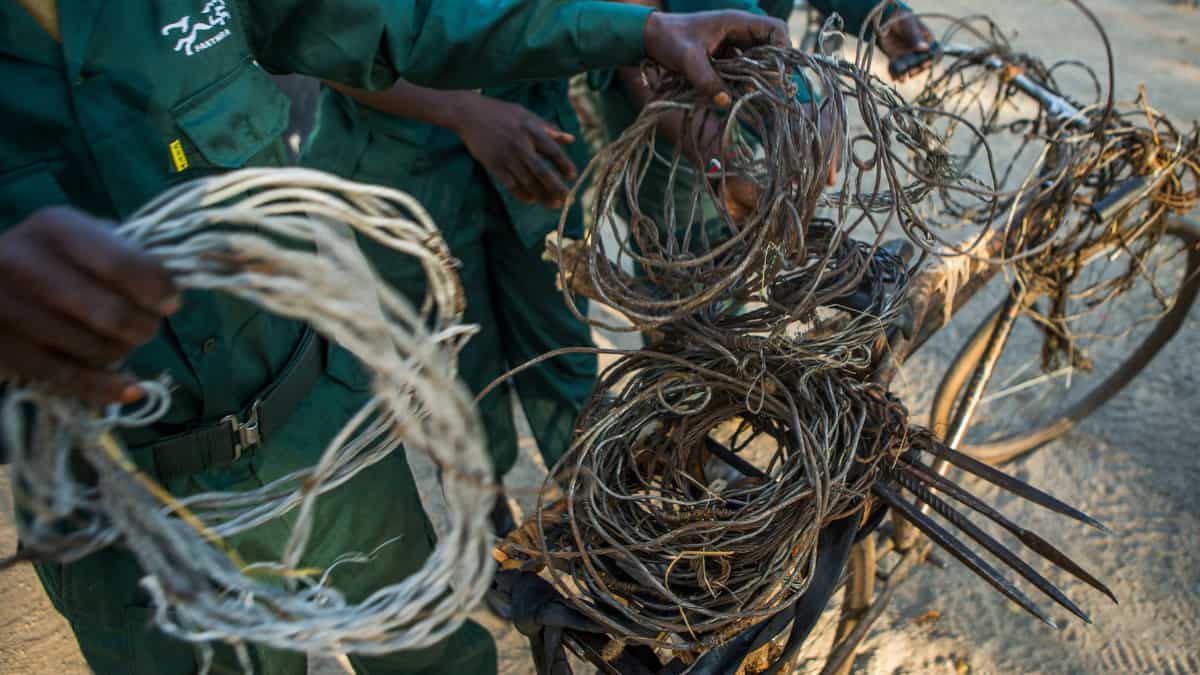
Bushmeat poachers have targeted the lions' grass-eating prey, leaving too little behind for the park's 200 or more of these hungry carnivores. Meanwhile, farmers have targeted lions suspected of killing livestock with guns, arrows, snares and possibly poisonings.
Using different means to protect and expand population
Conservation groups alongside Africa Parks and Zambia's Department of National Parks and Wildlife have been using a myriad of tools to protect Kafue's wildlife, including deploying some 40 anti-poaching patrol teams.
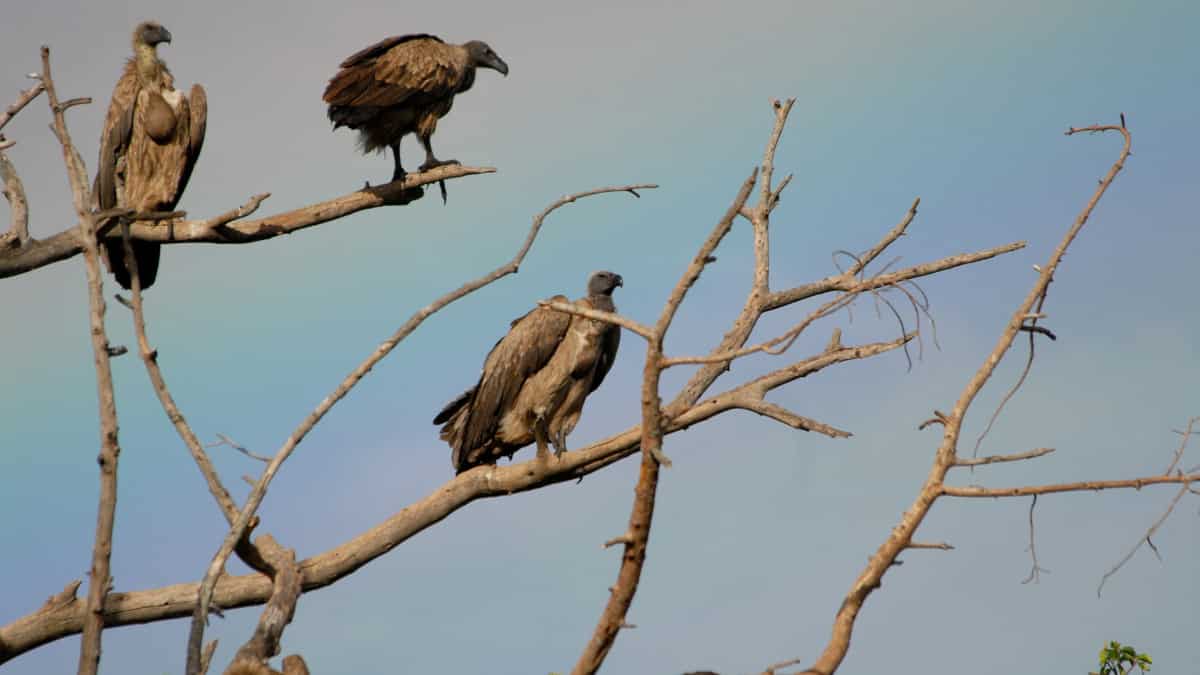
One of the more innovative approaches is tagging white-backed and hooded vultures with satellite trackers to quickly alert wildlife managers of poached or poisoned carcasses.
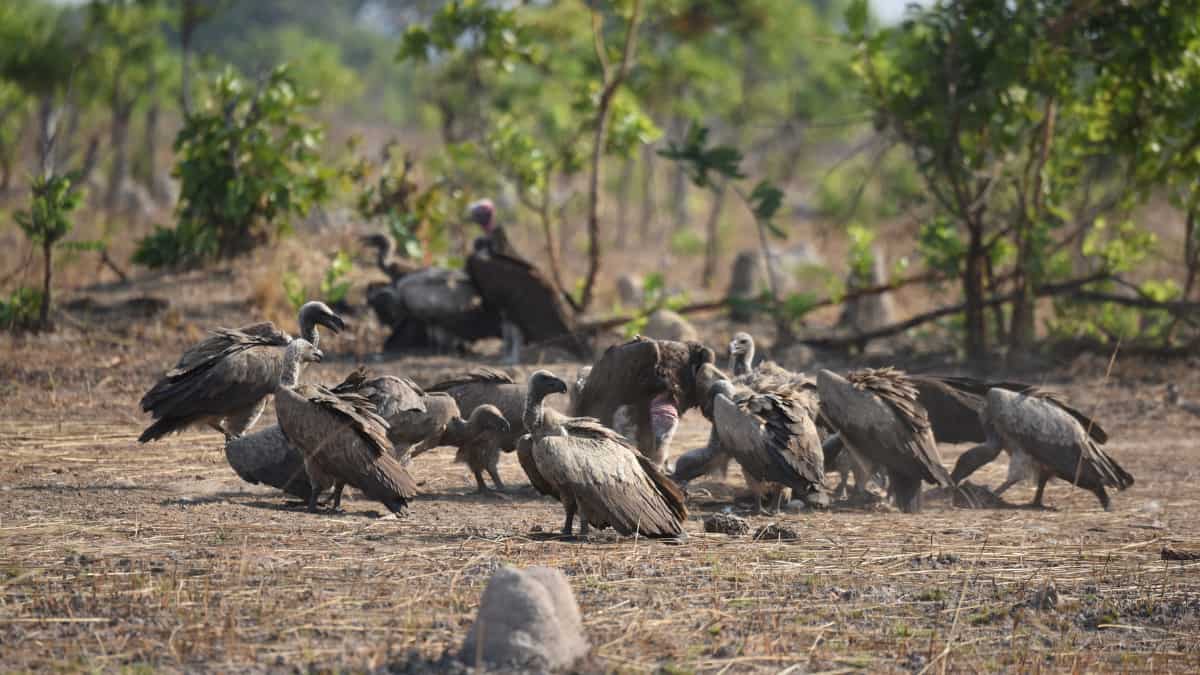
The vultures are coming back!
"African white-backed vultures will come in really large numbers," said Corinne Kendall, curator of conservation and research at North Carolina Zoo which is leading the program.
"You could have up to 100 vultures and they're all going to die. It's had a huge impact on vultures and it's led to these rapid declines. And it's also a big problem for carnivores."
Since 2021, the zoo team has tagged 19 vultures in Zambia, draping tiny backpacks containing the satellite tags over their wings to get a bird's eye view of the situation.
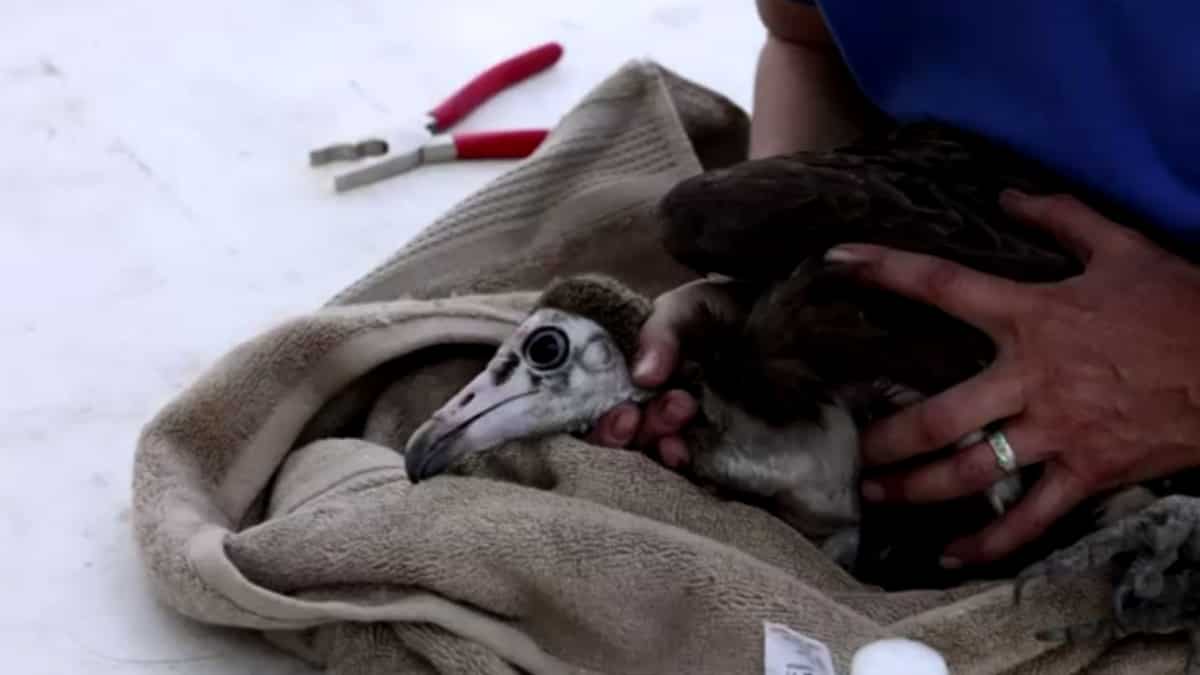
Poisoning incidents at Kafue
The tagged vultures have already led officials to two suspected poisoning incidents near the park, according to the report shared with Reuters. In such incidents, the park staff, after being alerted about the poisoning, can dispose of the carcass and try to track down the perpetrator - helping save both the birds and the big cats.
"Poisoning is a silent killer," said Kendall. "Unless you have something like satellite-tagged vultures, a lot might be going on without anyone knowing about it."
)
)
)
)
)