In Pics | Volunteers clean Manila coastline on World Oceans Day

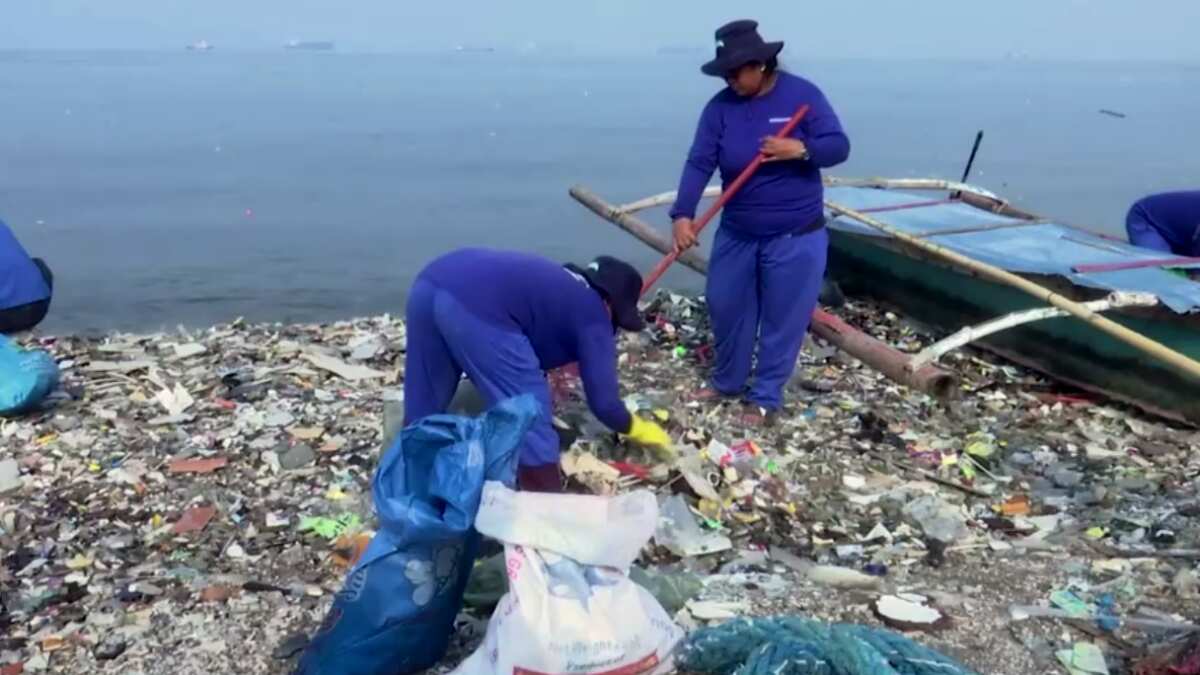
World Oceans Day
Hundreds of volunteers and government workers picked up trash from the coast of Manila Bay, Philippines on Thursday, June 8, to mark World Oceans Day.
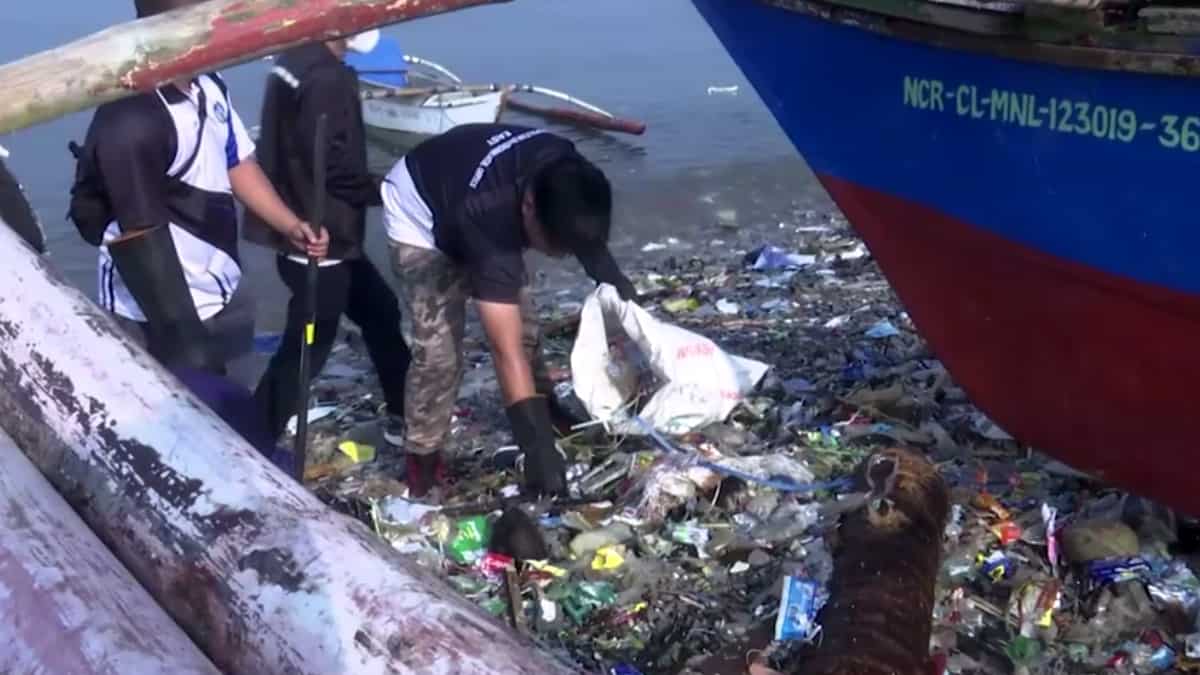
Volunteers clean up Pasig river
Pasig River in Manila is considered to be one of the most polluted rivers in the world. It contributes to nearly 6 per cent of the world’s ocean plastic waste.
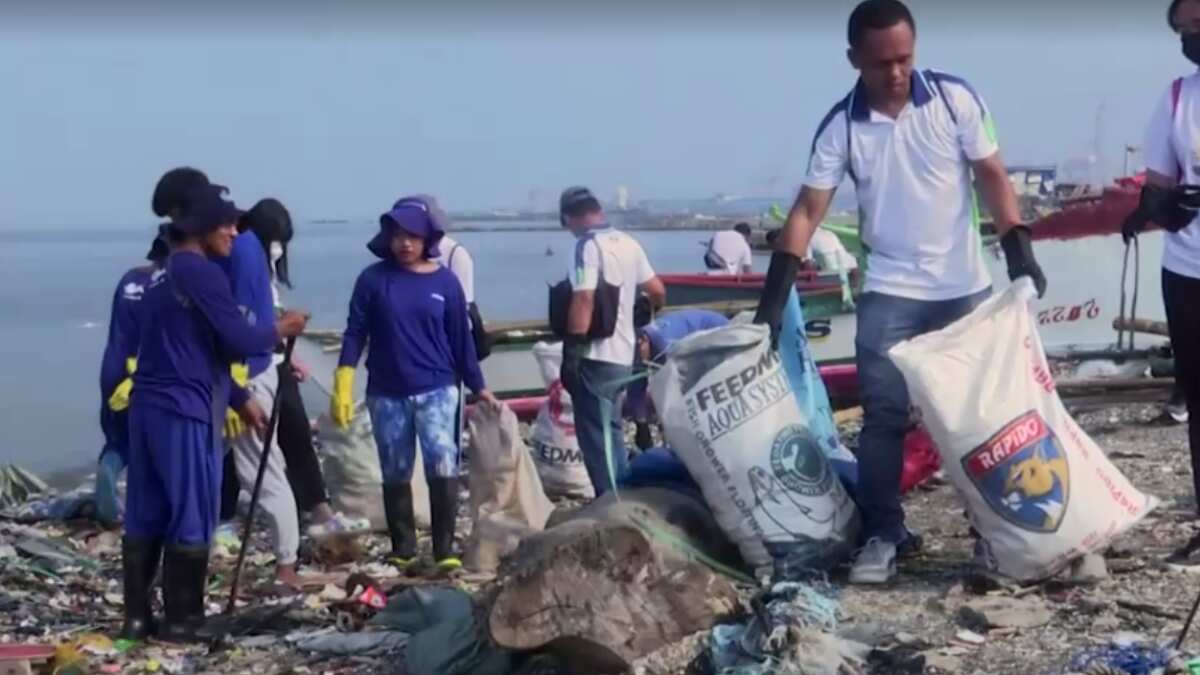
Trash dump at Pasig river
Volunteers cleaned up the Pasig river, considered to be one of the most polluted rivers in the world. Officials said close to 200 sacks of garbage were filled up within two hours.
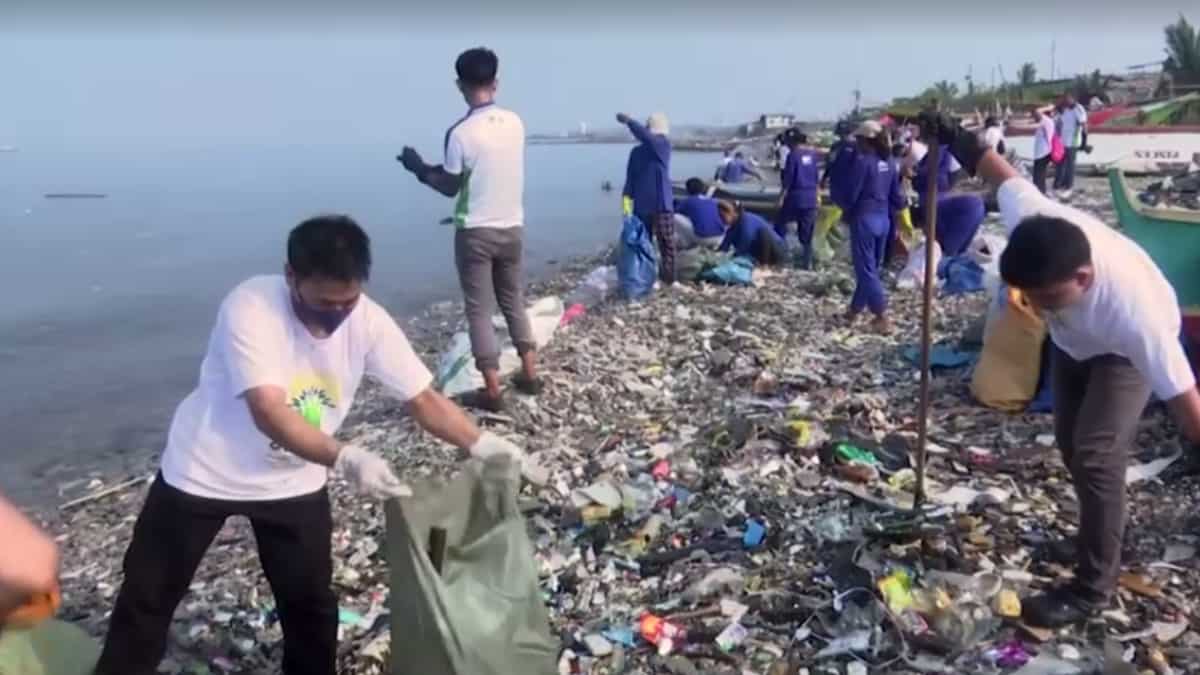
Clean the coastal communities!
During an interaction with the reporters present at the clean-up event, Forest Bureau Management officer-in-charge, Edna Nuestro said, “The government needs to address the great amount of pollution by making policies and also come up with different programmes they can implement in our coastal communities.”
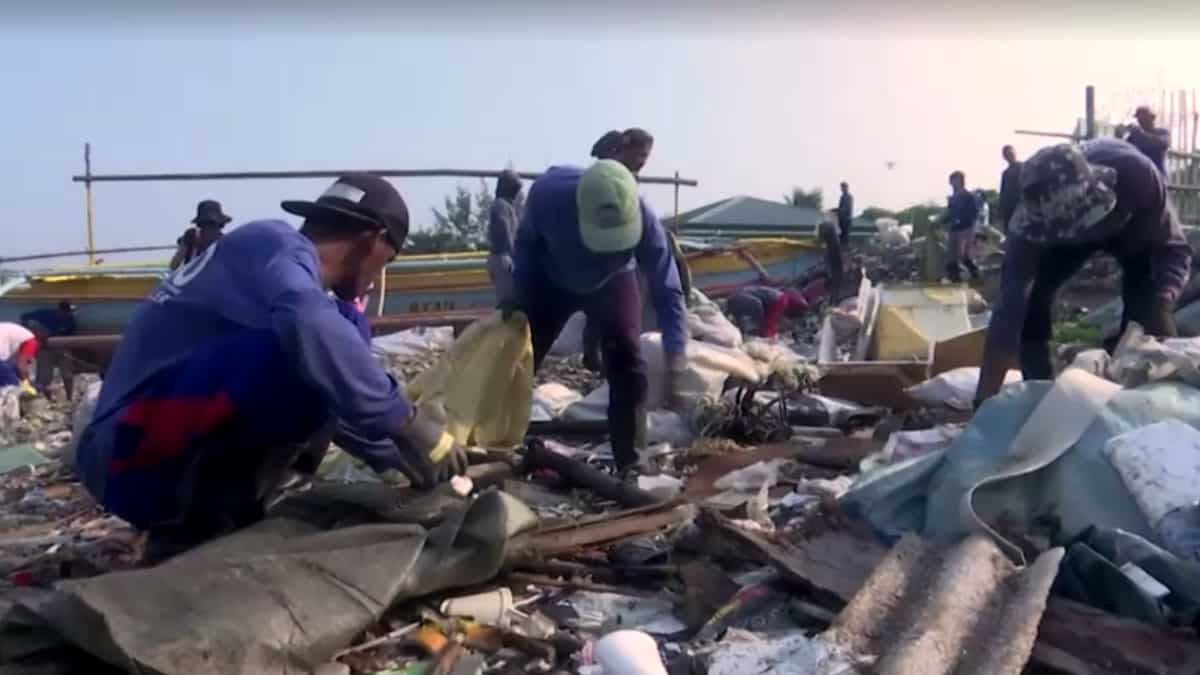
Pollution problem in Philippines
As per reports presented by the environmental group Greenpeace, poor law enforcement on proper waste disposal is among the top reasons for the pollution problem in Philippines.
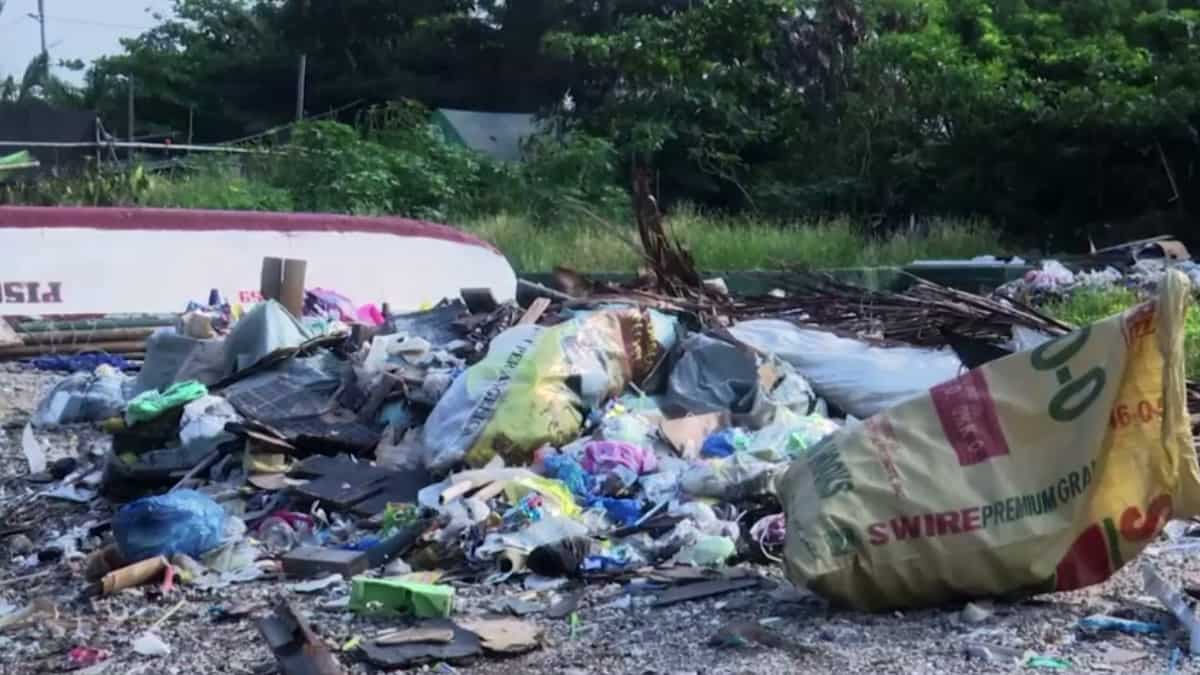
Plastic-dump alongside coastlines
However, the problem of plastic-dump alongside river banks is not just prevalent in Philippines. Seine too, faces an identical issue. Along the Seine, plastic waste is deposited on the banks after being carried by the river. With the tides and currents, it degrades into micro-plastics before reaching the ocean.
As explained by Romain Tramoy, a researcher in palaeo-climatology at the Water Environment and Urban Systems Laboratory, the Seine is a "micro-plastic manufacturing machine".
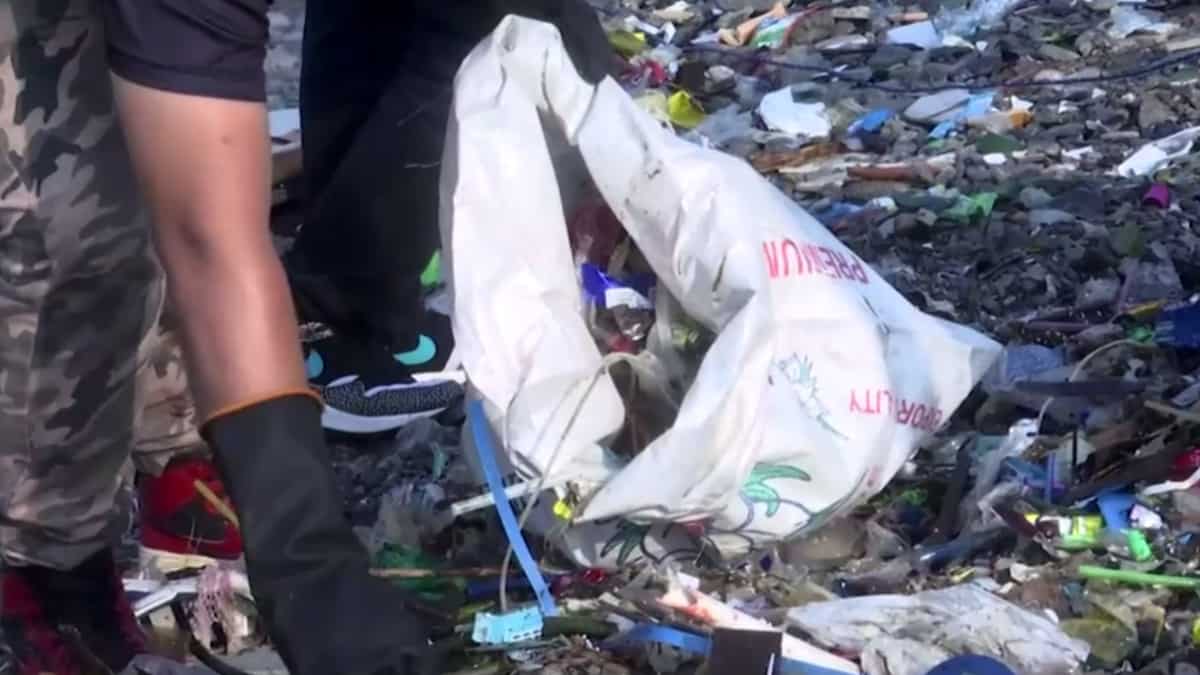
The consequences of human activities
Since the late 1980s, around 95 per cent of the ocean's surface has become more acidic. The acidification of the oceans is dangerous to the marine ecosystem. It directly affects more than three billion people who depend on the oceans for income and diet.
Each year, World Oceans Day is celebrated as a reminder to raise awareness and action against the consequences of human activity on the ocean’s health.
)
)
)
)
)