In pics: Thousands of Sri Lankans queued for fuel and gas amid economic crisis

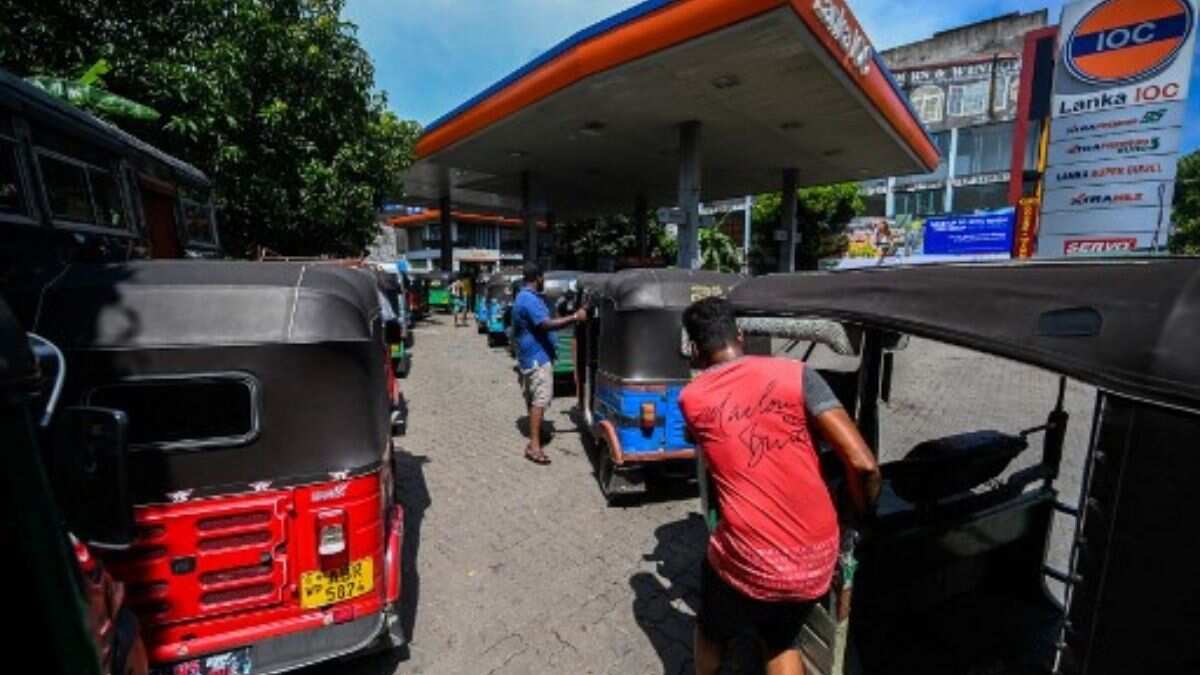
Sri Lanka’s economic crisis
Tourism-dependent Sri Lanka, where India and China jostle for influence, is facing a dire shortage of foreign exchange, fuel and medicines, and economic activity has slowed to a crawl.
Public transport is depleted and traffic is light as most people are staying at home because of the scarcity of petrol.
The economic crisis has come from the confluence of the COVID-19 pandemic battering tourism, rising oil prices and populist tax cuts by the government of President Rajapaksa and his brother, Mahinda, who resigned as prime minister last week.
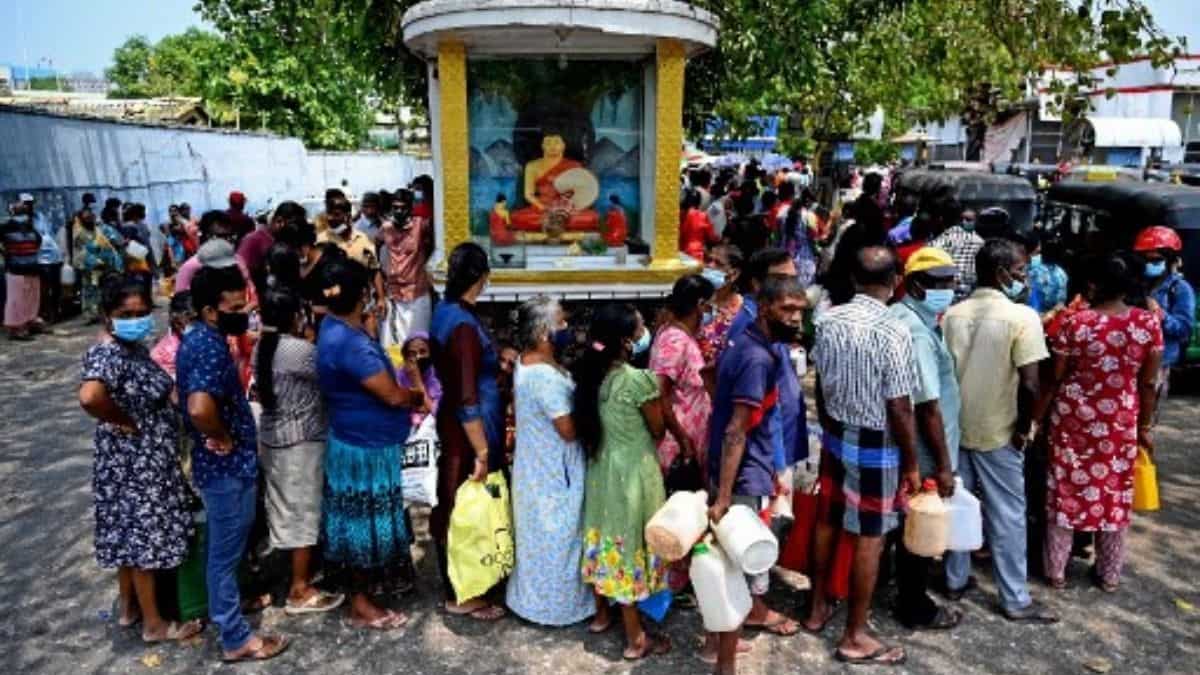
Hundreds of people queue for fuel in capital
Lines formed in many parts of Colombo, a city of around 900,000 people, as residents tried to stock up on fuel, which is mostly imported and is in extremely short supply with the government running out of foreign exchange.
"Only about 200 cylinders were delivered, even though there were about 500 people," said Mohammad Shazly, a part-time chauffeur in a queue for the third day in the hope of procuring cooking gas for his family of five. Hundreds of others were in line, with empty cylinders by their side.
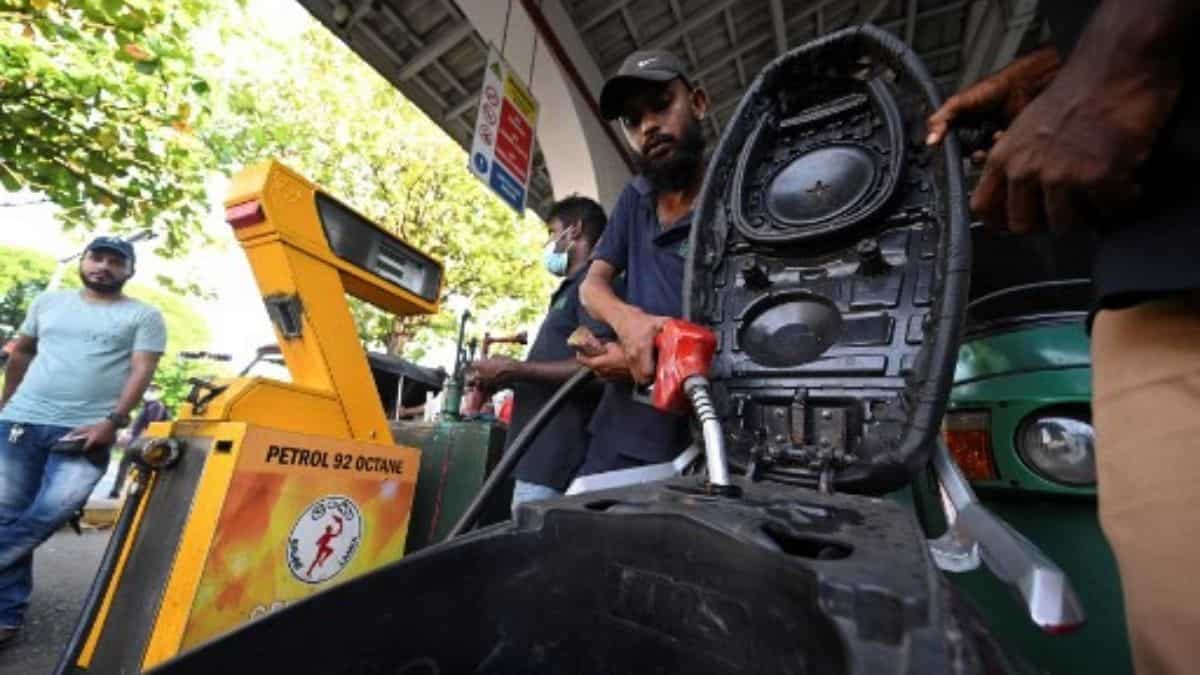
Government trying to fill in demands
State-run Litro Gas is hoping to start distributing 80,000 cylinders a day by Saturday but has to scramble to fill an estimated 3.5 million cylinder shortage in the market, Chairman Vijitha Herath told Reuters.
The government has also called for tenders to procure $120 million worth of cooking gas under a larger $1 billion credit line from India.
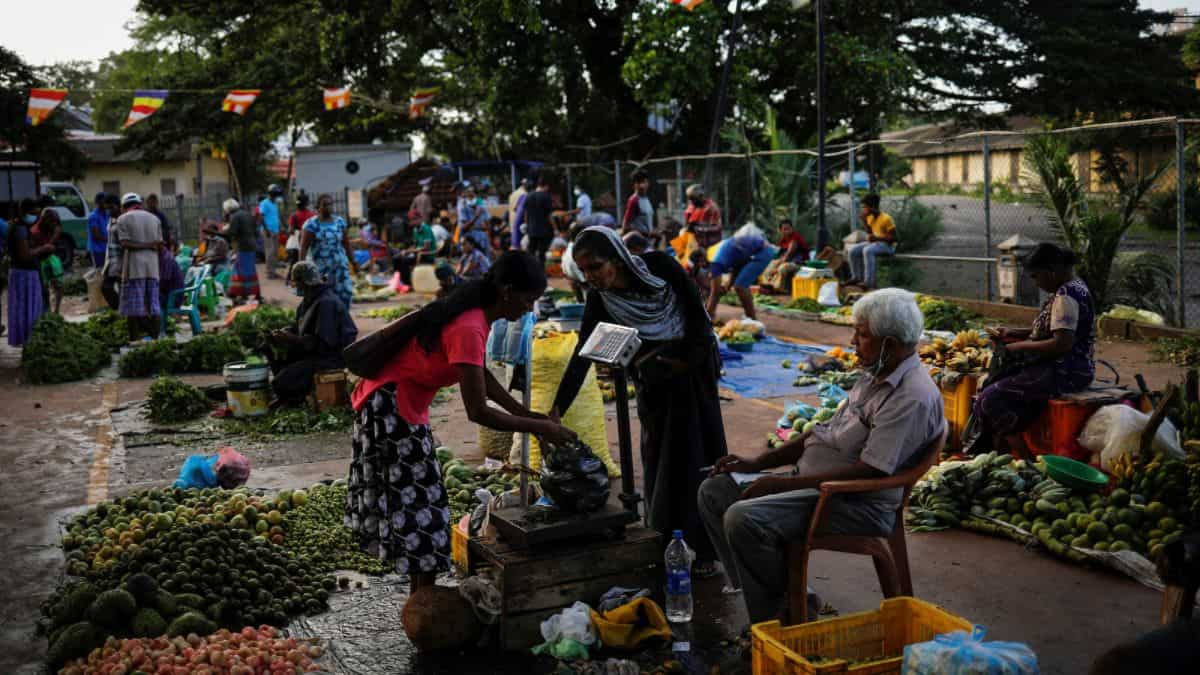
Prices of essentials increased, difficult to afford
However prices have surged, for cooking gas as well as food and other essentials.
The price of a 12.5-kg cooking gas cylinder has soared to nearly 5,000 rupees ($14) from 2,675 rupees in April.
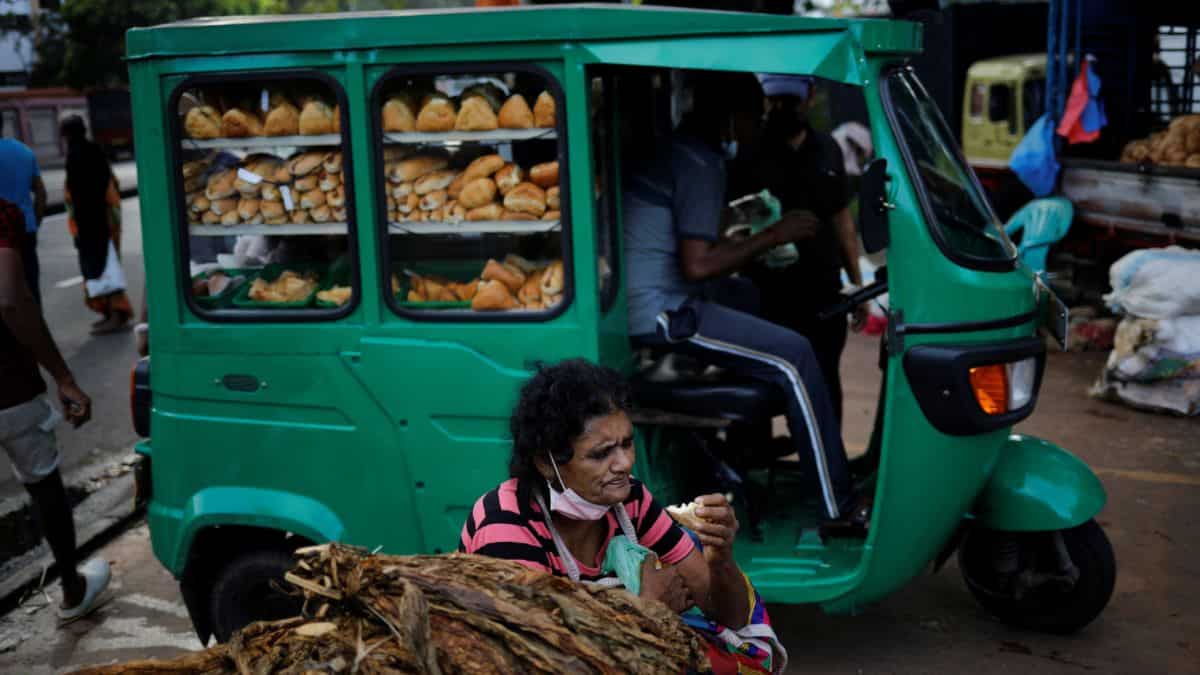
"There is no point in talking about how hard life is," said A.P.D. Sumanavathi, a 60-year-old woman selling fruit and vegetables in Colombo's Pettah market.
"I can't predict how things will be in two months, at this rate we might not even be here."
Inflation rising
Inflation could rise to a staggering 40 per cent in the next couple of months but it was being driven largely by supply-side pressures and measures by the central bank and government were already reining in demand-side inflation, the bank has said.
Inflation hit 29.8 per cent in April with food prices up 46.6 per cent year-on-year.
Sri Lanka’s new cabinet ministers appointed
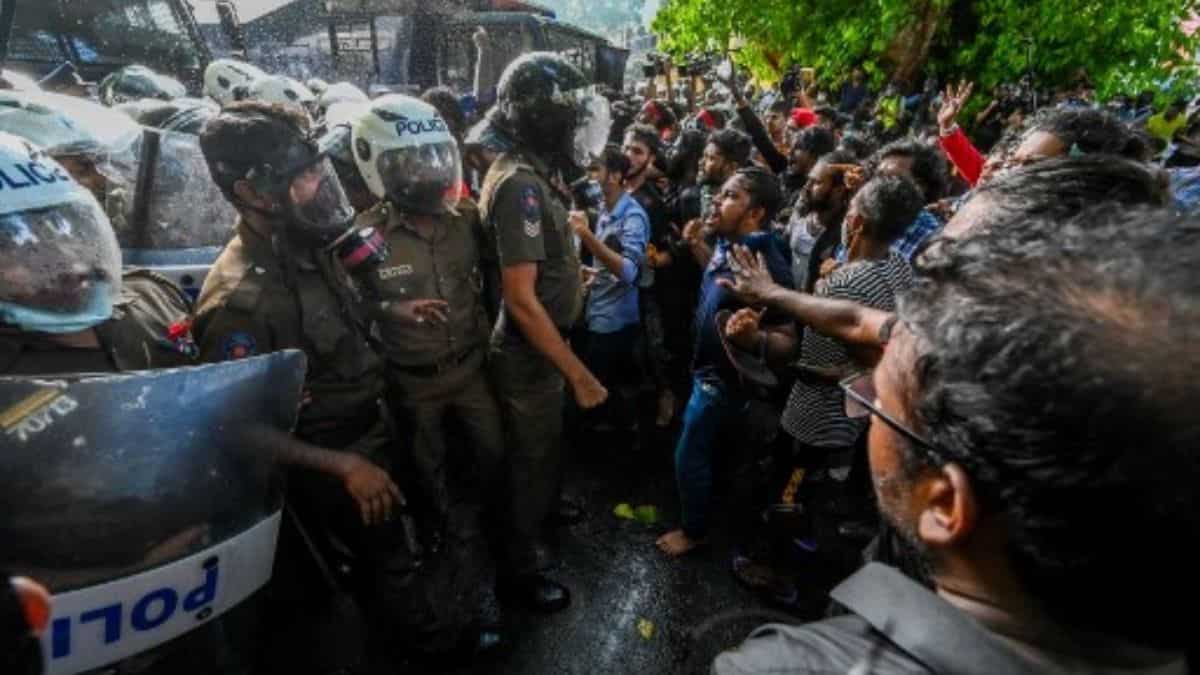
As anger against the government spreads, police fired tear gas and water canon to push back hundreds of student protesters in Colombo on Thursday. The protesters are demanding the ouster of the president as well as the prime minister.
Nine new members were appointed to the cabinet on Friday, including to the critical health, trade and tourism ministries. But no one has been named to head the finance ministry and lead negotiations with International Monetary Fund for a bail-out. The portfolio is likely to be retained by Wickremesinghe.
)

)
)
)