In pics | Thousands of Chileans protest to mark third anniversary of 2019 revolt

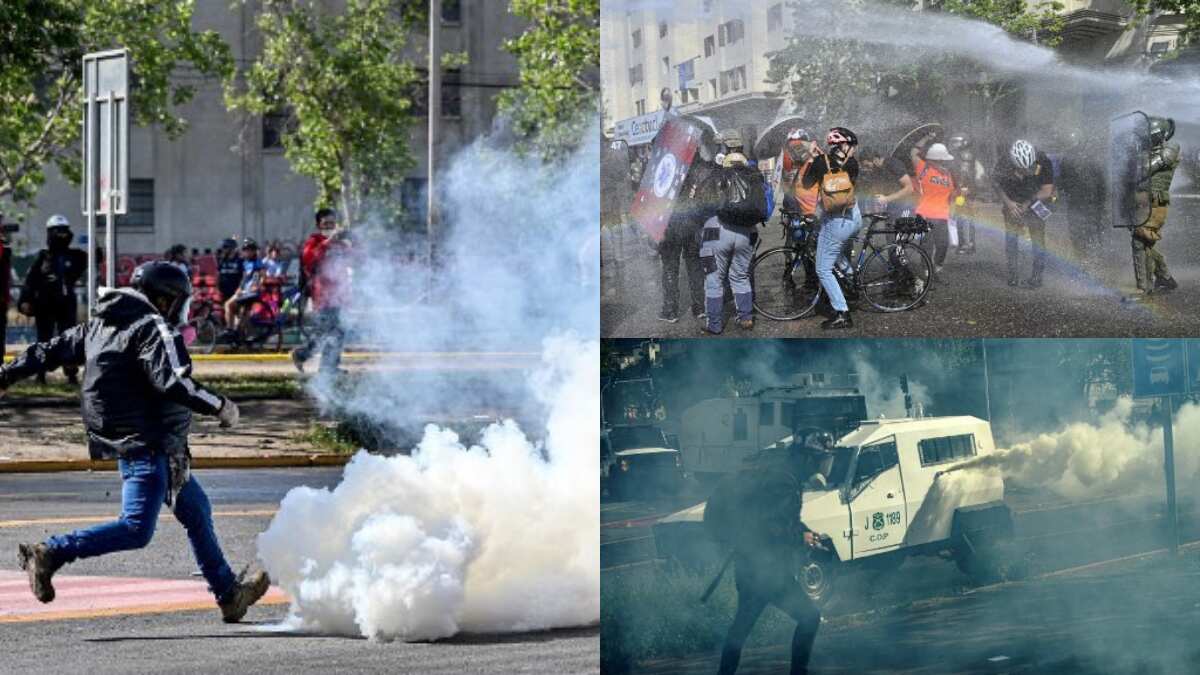
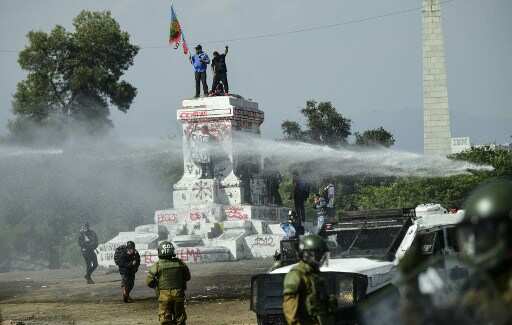
Police use water cannons, make arrests
Police deployed 25,000 officers to keep the peace, and used water cannon and tear gas to disperse trouble-making demonstrators in at least one venue.
Some 2,300 people demonstrated across the country, including several hundred in the capital, a much lower turnout than in the past two years, but marked by incidents in Santiago including the torching of a truck and the theft of two buses, police said.
"There were around 50 arrests, 13 police officers were injured and some 700 people committed crimes" across the country, said Deputy Interior Minister Manuel Monsalve.
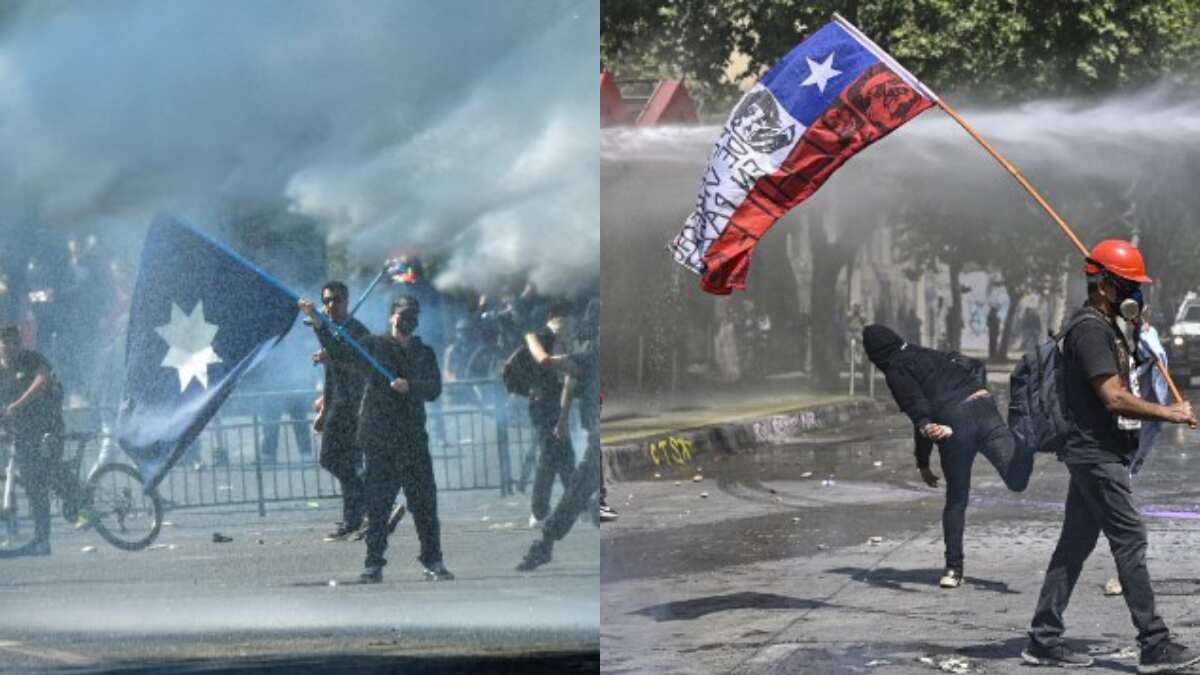
2019 revolt's anniversary
Many shops closed early, or did not open at all, while schools sent pupils home early.
"We have gained nothing" in the three years since the movement began, said Andrea Valdebenito, a 43-year-old social worker who was among those gathered.
The protests came exactly three years after the start of a mass revolt against a rise in metro fares in 2019 that quickly escalated into a general clamor for better conditions and social equality.
The government suspended the price hike but protests continued, and dozens were killed over months of clashes. Hundreds of people were injured.
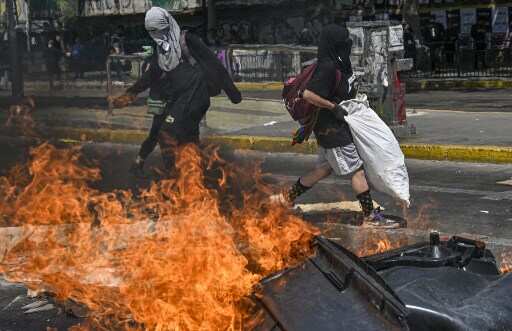
Demonstrations grow severe
The demonstrations kickstarted reforms that included the government's agreement to the drafting of a new constitution to replace the one inherited from the military dictatorship of Augusto Pinochet and perceived as market-friendly.
Last December, Chile elected a leftist president in Gabriel Boric, who supported the constitution-writing process.
But last month, nearly two-thirds of voters rejected the proposed draft despite the new revolutionary mood, amid concerns that parts of the document were too far-reaching.
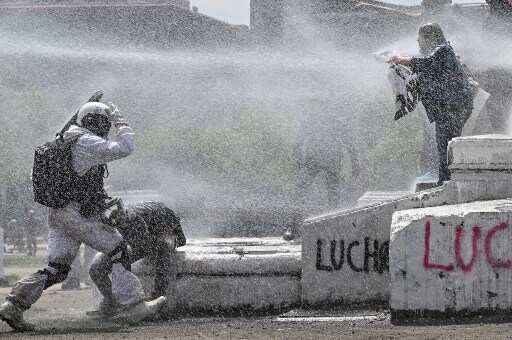
A call for social reform
A constitutional provision to legalise abortion was a key stumbling block in the conservative, majority-Catholic country.
Boric, a former student leader who had supported the 2019 protests, on Tuesday called for a new social dialogue to give shape to much-needed social reform.
The 2019 uprising, he said, "was an expression of pain and fractures in our society that politics, of which we are a part, has failed to interpret or answer."
Government fails to improve the situation
Boric came to office with promises of turning the deeply unequal country into a greener, more egalitarian "welfare state."
He admitted that his government has "still not carried out the reforms" to improve "the social rights of Chileans."
)
)
)
)
)