In Pics: Sri Lanka enforces curfew after 5 killed in violence

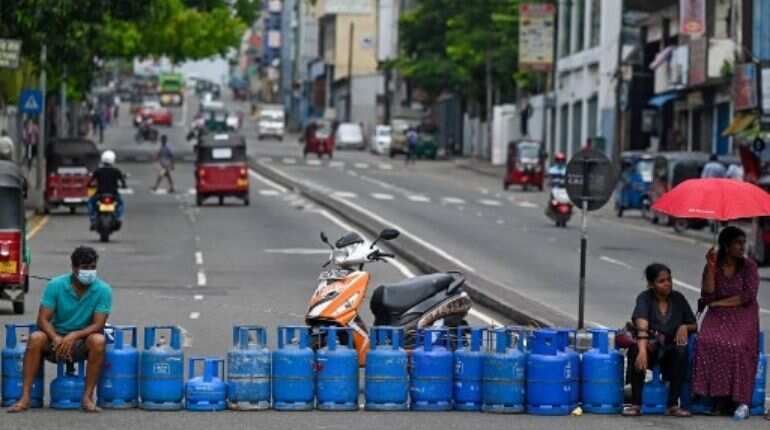
Worst economic crisis since 1948
The Rajapaksa clan's hold on power has been shaken by months of blackouts and shortages in Sri Lanka, the worst economic crisis since it became independent in 1948.
The protests came after the coronavirus pandemic hammered the island's vital income from tourism and remittances, which starved the country of foreign currency needed to pay off its debt.
This forced the government to ban many imports, leading to severe shortages, inflation and lengthy power blackouts.
In April, Sri Lanka announced it was defaulting on its $51 billion foreign debt.
After weeks of overwhelmingly peaceful anti-government demonstrations, violence broke out on Monday when Mahinda Rajapaksa's supporters, bussed into the capital from the countryside attacked protestors with sticks and clubs.
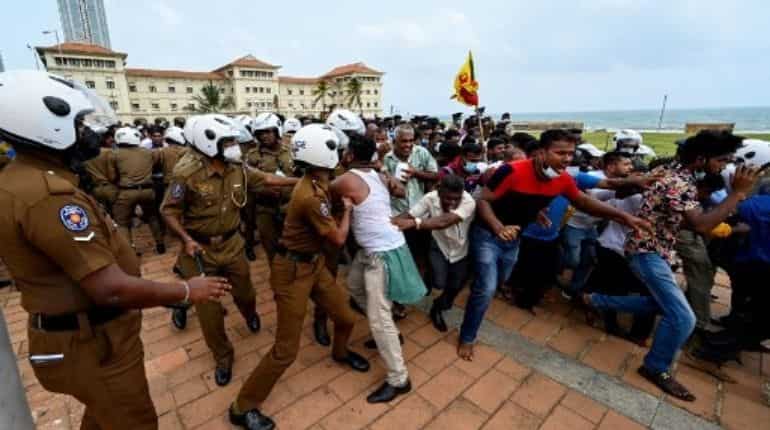
Former prime minster’s office attacked
Nearly 200 were also wounded on Monday as prime minister Mahinda Rajapaksa resigned, but that did little to calm public anger.
He had to be rescued in a pre-dawn operation by the military on Tuesday after thousands of anti-government protesters stormed his official residence in Colombo overnight, with police firing tear gas and warning shots to keep back the crowd.
President Gotabaya Rajapaksa remains in office, however, with widespread powers and command over the security forces.
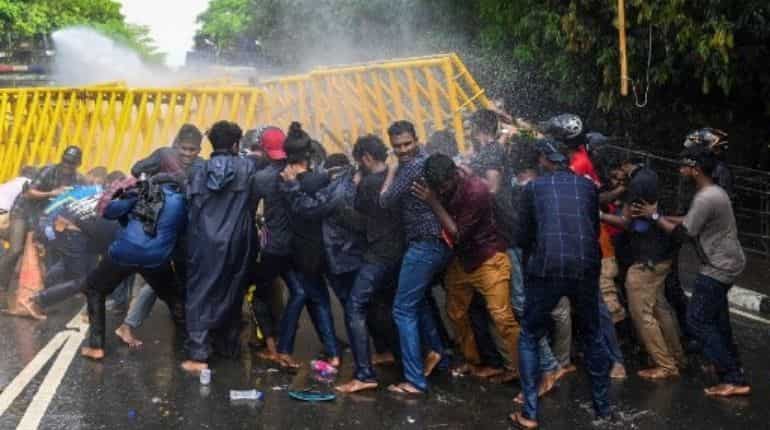
Police fires water canons to disperse the protesters
Police fired tear gas and water cannons to disperse crowds and declared an immediate curfew in Colombo, a measure later widened to include the entire South Asian nation of 22 million people.
"We were hit, the media were hit, women and children were hit," one witness told AFP, asking not to be named.
Authorities said the curfew will be lifted on Wednesday morning, with government and private offices, as well as shops and schools, ordered to remain shut on Tuesday.
US Ambassador Julie Chung tweeted that Washington condemned "the violence against peaceful protestors" and called on the Sri Lankan "government to conduct a full investigation, including the arrest & prosecution of anyone who incited violence".
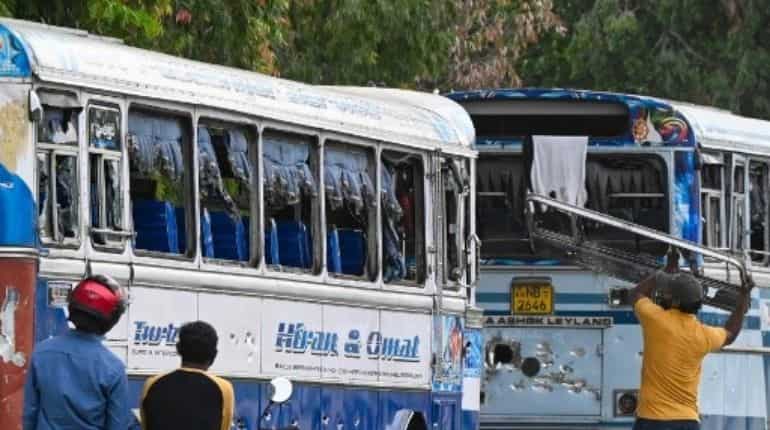
Several people killed in violence
Outside Colombo, ruling party lawmaker Amarakeerthi Athukorala shot two people, killing a 27-year-old man after being surrounded by a mob of anti-government protestors, police said.
"He then took his own life with his revolver," a police official told AFP by telephone.
Athukorala's bodyguard was also found dead at the scene, police said.
Another ruling party politician who was not named opened fire on protesters, killing two and wounding five in the deep south of the island, police added.
Pro-Rajapaksa politicians targeted
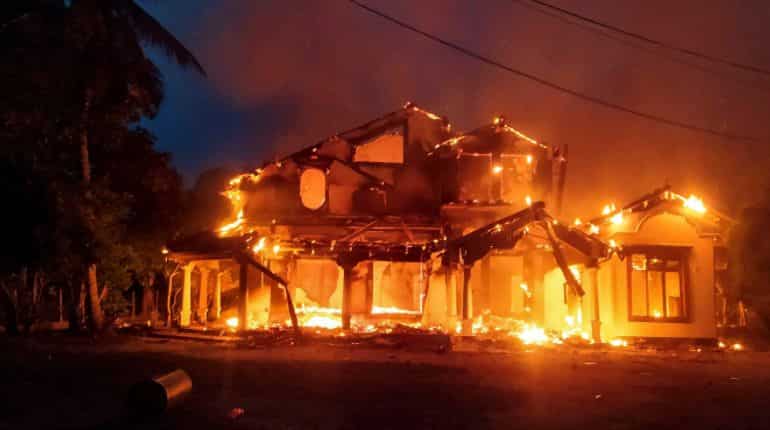
Angry crowds set alight the homes of more than a dozen pro-Rajapaksa politicians, along with some vehicles, while buses and trucks used by the government loyalists in and around Colombo were also targeted.
Several Rajapaksa homes were torched in different parts of the country, while a family museum in their ancestral village was trashed.
Doctors at the main Colombo National Hospital intervened to rescue wounded government supporters, with soldiers breaking open locked gates to ferry in the wounded.
"They may be murderers, but for us they are patients who must be treated first," a doctor shouted at a mob blocking the entrance to the emergency unit.
For a ‘Unity government'
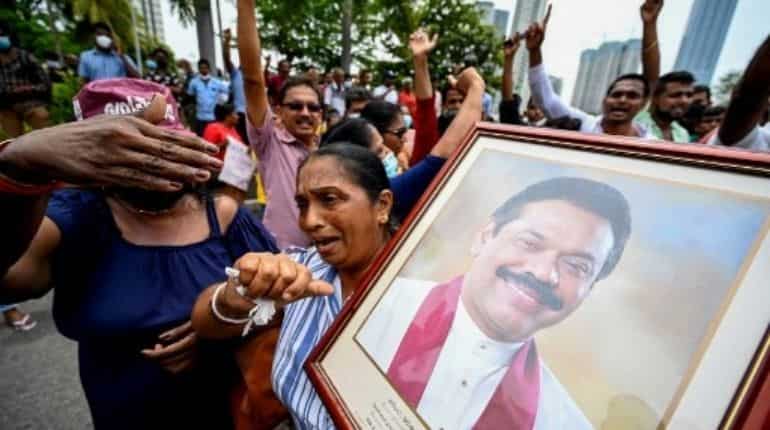
Mahinda Rajapaksa, 76, said he was resigning to pave the way for a unity government.
But it was unclear if the opposition would join any unity administration, having before refused to govern with any members of the Rajapaksa family.
Under Sri Lanka's political system, even with a new unity government, the president will have the power to appoint and fire ministers as well as judges, and enjoy immunity from prosecution.
)
)
)
)
)