In pics: Spain battles wildfires, rain helps with fire and temperature

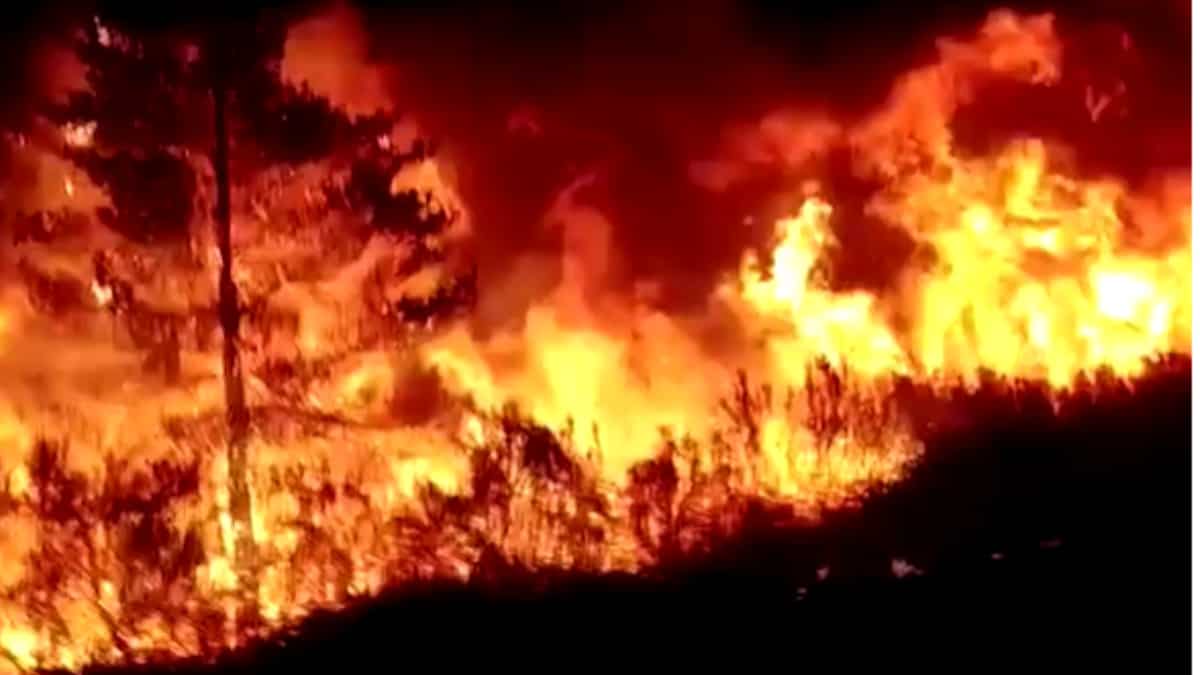
Spain scorching in heat
Spain was heading towards its hottest early summer temperatures in decades, with forecasts of between 40-42 degrees Celsius (104-108 Fahrenheit) in Zaragoza in the northeast and areas of Navarre and La Rioja in northern Spain, according to national weather agency AEMET.
Many areas of Western Europe have been sweltering under unseasonably hot temperatures over the past few days, compounding climate change fears.
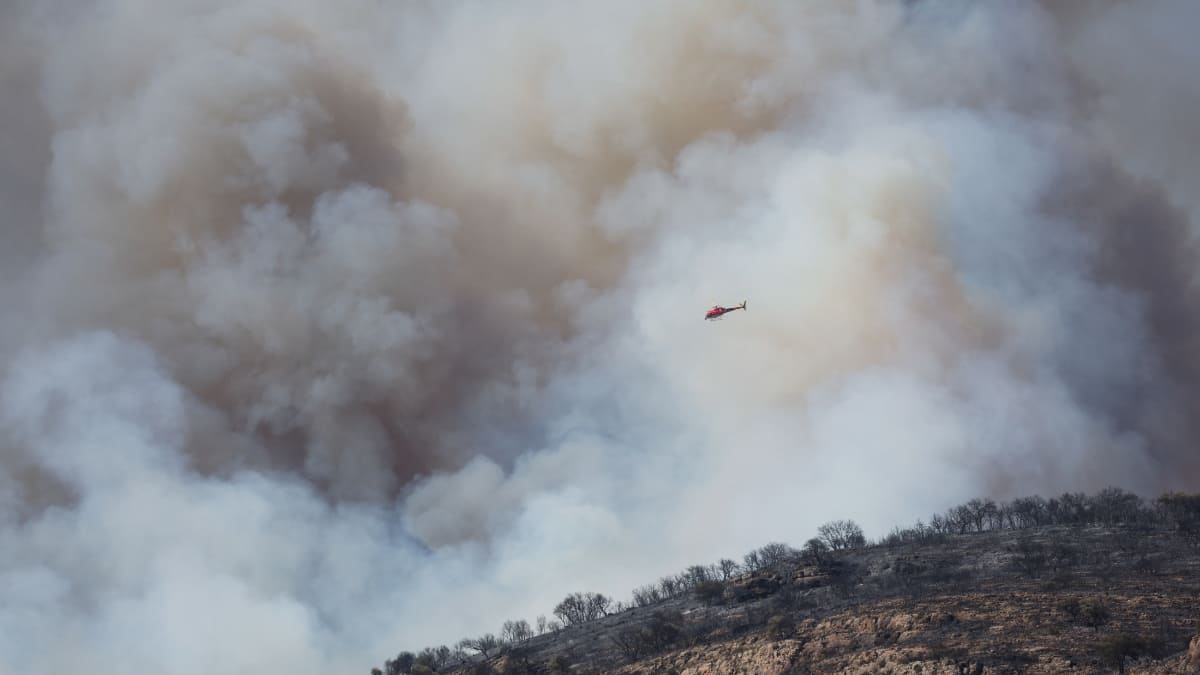
Land burned; people evacuated
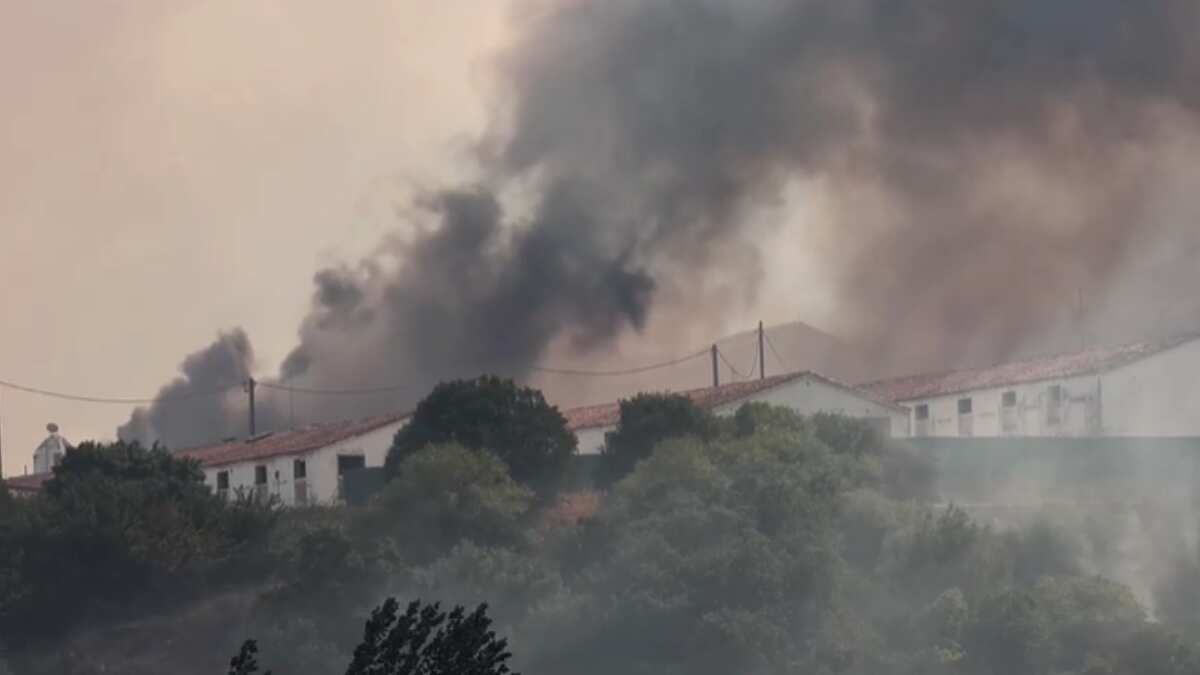
More than 25,000 hectares of land had been burned in the Sierra de la Culebra mountain range in Zamora and thousands more in Catalonia and Navarra.
On Saturday afternoon, it said 11 villages had been evacuated and some 500 firefighters were working to put out the flames.
There have been no reports of deaths or injuries.
Dry and windy conditions have caused wildfires in several areas, with Zamora, near the border with Portugal, among the worst hit.
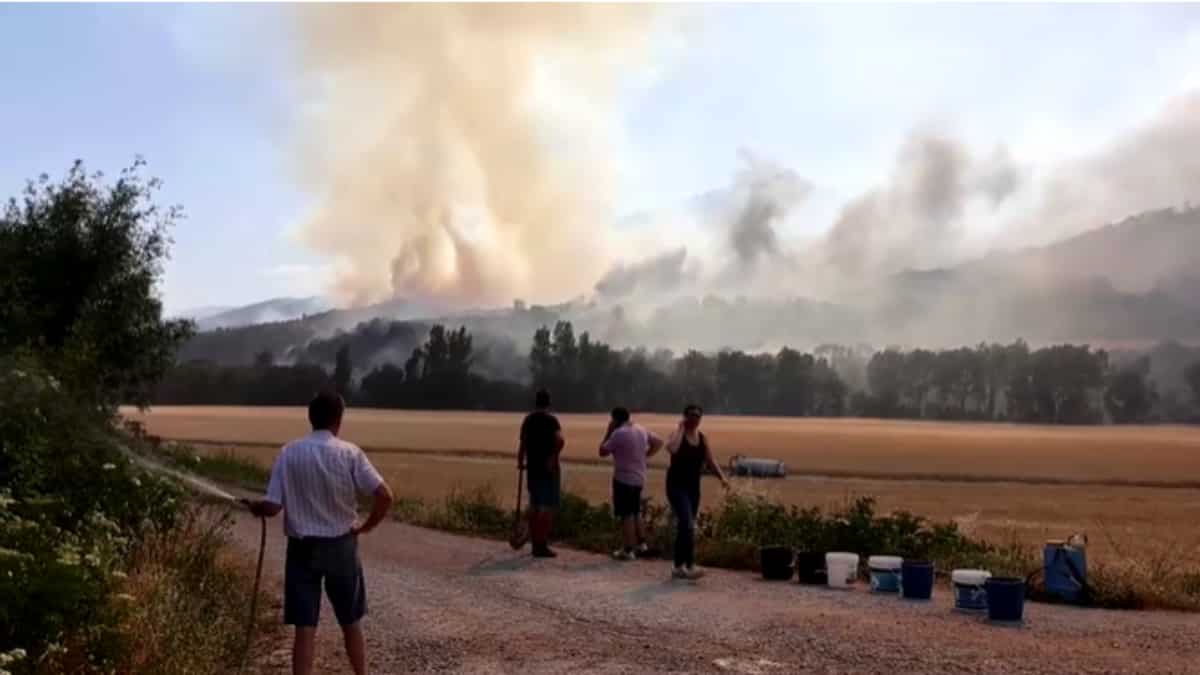
Struggle to cope with fire
Flames crackled and raged high into the air on the outskirts of the village of Caudiel, in Castellon, eastern Spain.
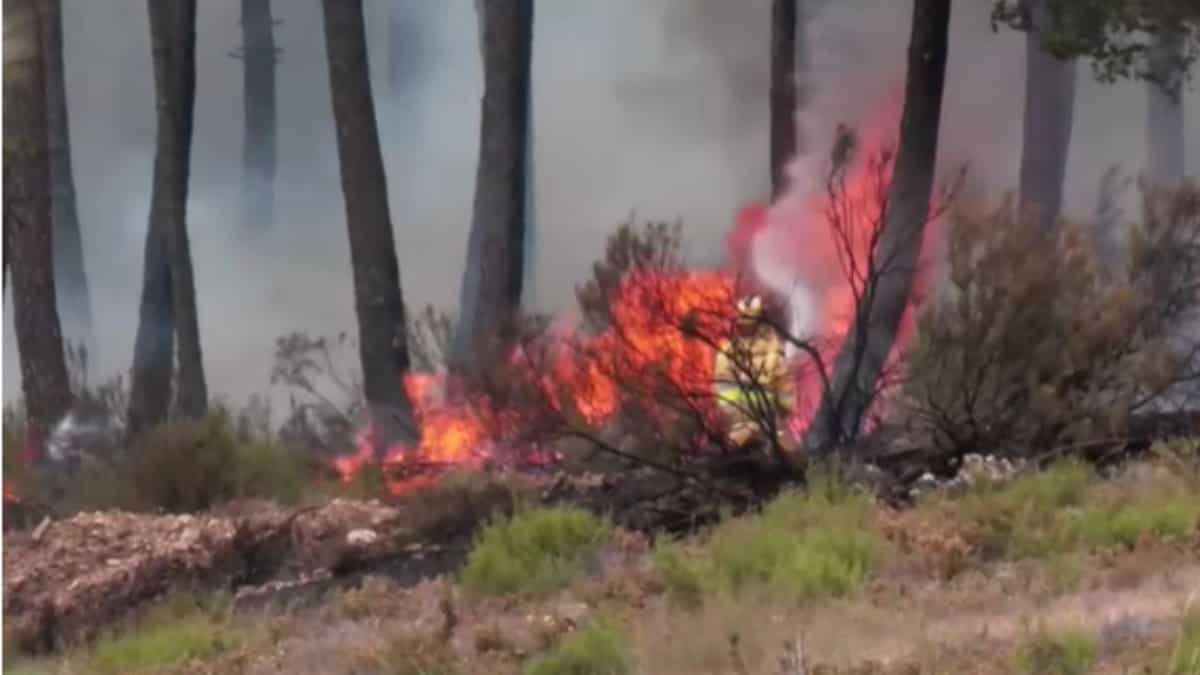
Firefighters, wearing masks, goggles and helmets, struggled to bring the flames under control.
They helped evacuate residents, some of whom dragged along their pet dogs and horses, as smoke wafted through the village.
Zaragoza Sizzling
"This is evidence of climate change," Bernardo Funes, 63, a stallholder and organic farmer in Zaragoza, told Reuters. "It's very worrying because... we've already had highs of 34, 35 degrees in May and now in June, it's something like 44 degrees."
Outside the city's grand cathedral, Marisa Gutierrez was sitting beneath a shaded canopy that displayed the lottery tickets she was selling.
"It's been very bad, with a hot wind that felt as if it was from the desert," she told Reuters. "This isn't normal... at this time of year there's usually a pleasant temperature but not this heat."
Meanwhile at a stag do in the city centre, participants, dressed as Romans, said they were having to drink as much water as beer.
Rain dropped temperature and raised humidity
In Catalonia, firefighters who were trying to bring a fire under control in Baldomar said more than 11 aircrafts are being used to stop the fire.
Temperatures drastically dropped in Spain on Sunday helping raise humidity in the areas where emergency services are working to put out the flames.
)
)
)
)
)