In pics | Nobel Peace Prize: Five Laureates who were in jail when they won

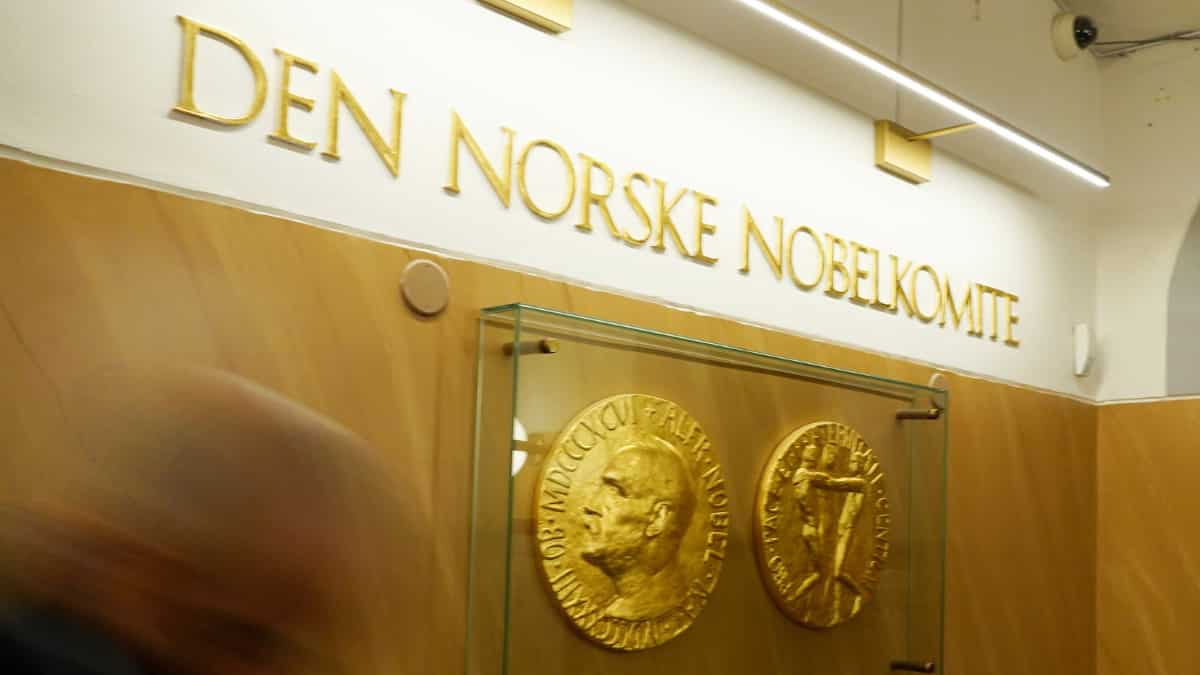
Nobel Peace Prize
On Friday (Oct 6), the the Norwegian Nobel Committee awarded jailed Iranian activist Narges Mohammadi the Nobel Prize for Peace 2023 for her fight against the oppression of women in Iran and promotion of human rights and freedom for all.
Mohammadi became the 5th laureate to win the Nobel Peace Prize whilst behind bars or under house.
The Peace Prize is granted to individuals who have made substantial contributions to fostering fraternity among nations, reducing standing armies, and advancing peace congresses.
The prize worth 11 million Swedish crowns (around $ 1 million) will presented in Oslo on December 10, the death anniversary of Alfred Nobel, who founded the awards in his 1895 will.
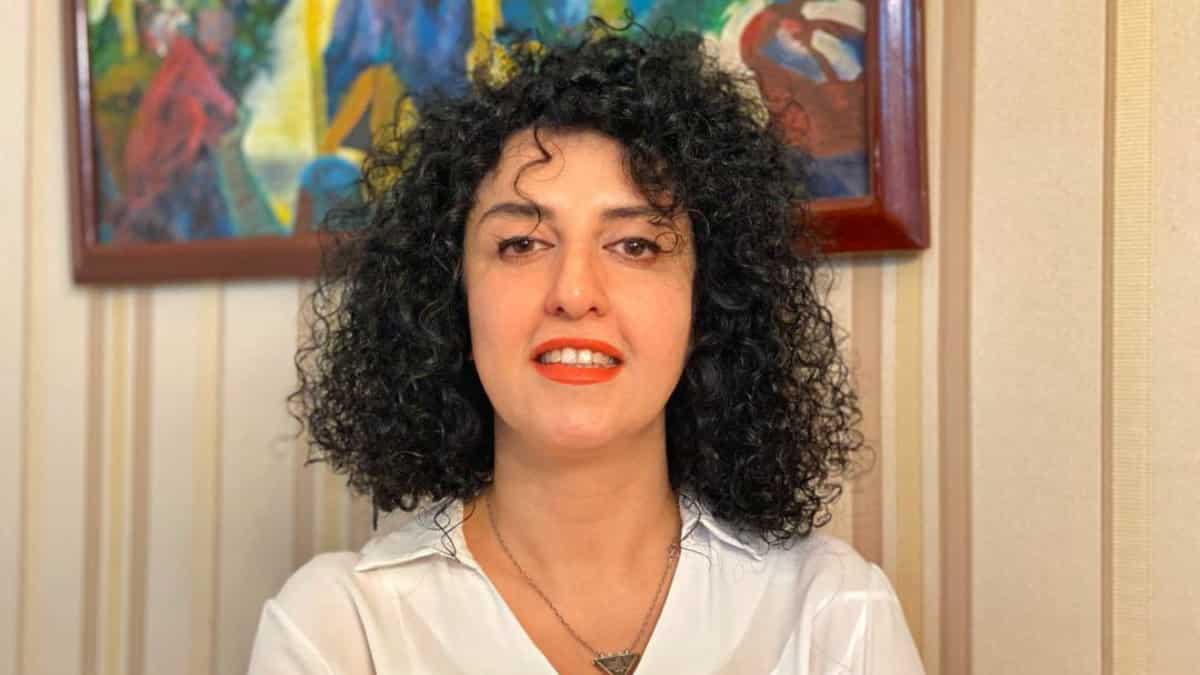
2023: Iranian human rights activist Narges Mohammadi
Mohammadi, the 51-year-old journalist and activist, has campaigned against the mandatory hijab for women in Iran and the death penalty. Tehran is currently among the worst countries for women's rights.
The Norwegian Nobel Committee on Friday (Oct 6) said, "This year’s peace prize also recognises the hundreds of thousands of people who have demonstrated against the theocratic regime’s policies of discrimination and oppression targeting women."
Mohammadi's historic achievement comes with significant personal sacrifices. So far, she has been detained by the Iranian regime on 13 occasions, received convictions on five occasions, and faced a cumulative sentence of 31 years in prison, along with 154 lashings.
Earlier this year, Mohammadi was among three imprisoned Iranian journalists honoured with the United Nations' World Press Freedom Prize.
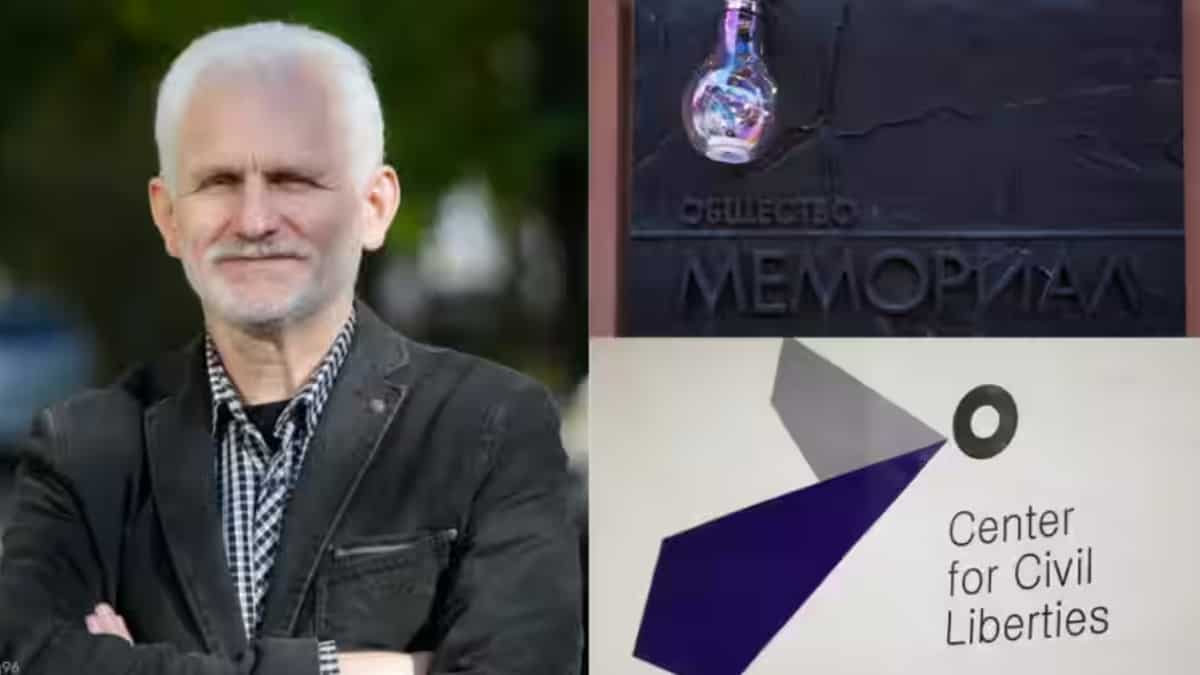
2022: Belarusian rights campaigner Ales Bialiatski
In 2022, the Norwegian Nobel Committee awarded one individual and two organisations that “represent civil society in their home countries.”
This honour was bestowed upon Ales Bialiatski from Belarus, the Russian human rights organisation Memorial and the Ukrainian human rights organisation Center for Civil Liberties.
Bialiatski, according to the Norwegian Academy, was one of the initiators of the democracy movement that emerged in Belarus in the mid-1980s and devoted his life to promoting democracy and peaceful development in Belarus.
In 1996, Bialiatski founded the organisation Viasna with time they had evolved into a broad-based human rights organisation, which has “documented and protested against authorities’ use of torture against political prisoners”.
The jailed activist's organisation was award for attempts to chart the abuses of the regime of Belarusian President Alexander Lukashenko.
(Photo credit: @NobelPrize/Reuters)
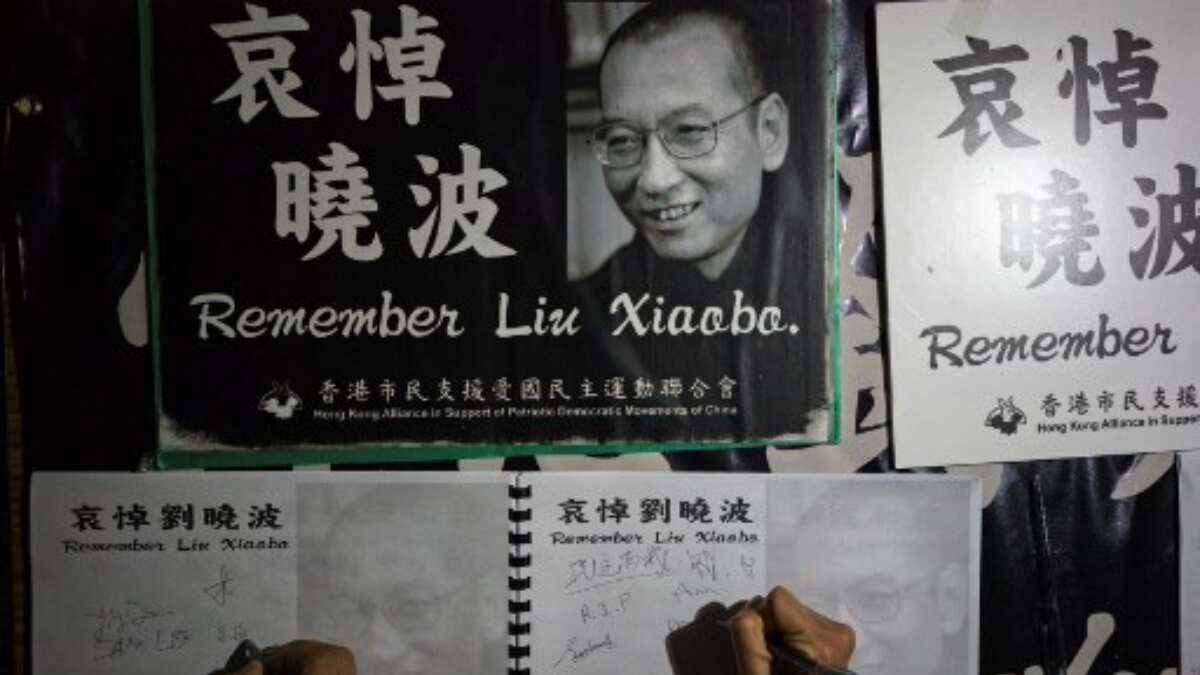
2010: Chinese dissident Liu Xiaobo
Liu was a Chinese dissident who was serving an 11-year jail sentence for subversion when the Norwegian Nobel Committee selected him for the Peace Prize in 2010 for his "long and non-violent struggle for fundamental human rights in China".
His wife, Liu Xia, was placed under house arrest after the prize was announced while his three brothers were blocked from leaving Beijing. During the award ceremony, his chair was symbolically left empty and no award was handed out.
He was also the second Nobel laureate who died in custody after suffering from liver cancer, in July 2017, at the age of 61.
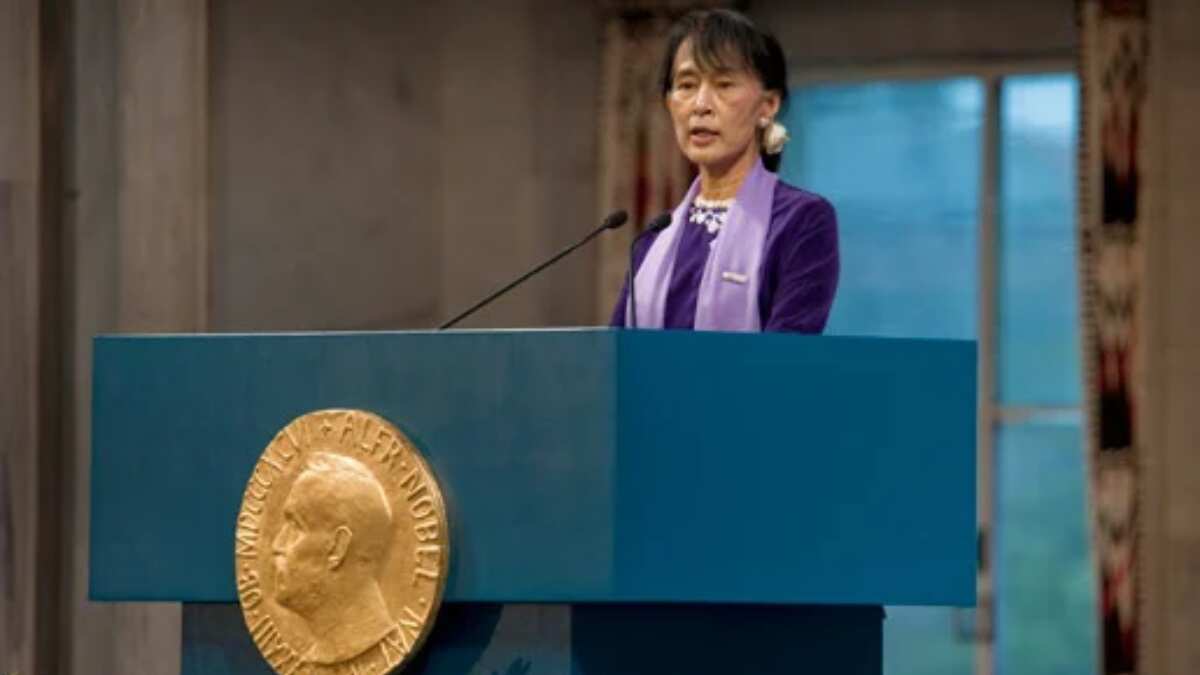
1991: Myanmar’s ousted leader Aung San Suu Kyi
Suu Kyi won the 1991 Nobel Peace Prize for her “non-violent struggle for democracy and human rights” when she was under house arrest following a crackdown by the country’s military.
The award is said to have helped raise international support for Myanmar opposition leader and has been remained in and out of house arrest until her release in 2010 and was able to give her speech two years later (in the image).
She was detained again 2021 after the military ousted her elected government and has been under detention since.
Images shows Suu Kyi delivering her speech in the Oslo City Hall, Oslo, Norway, June 12, 2012. (Photo credit: The Nobel Prize)
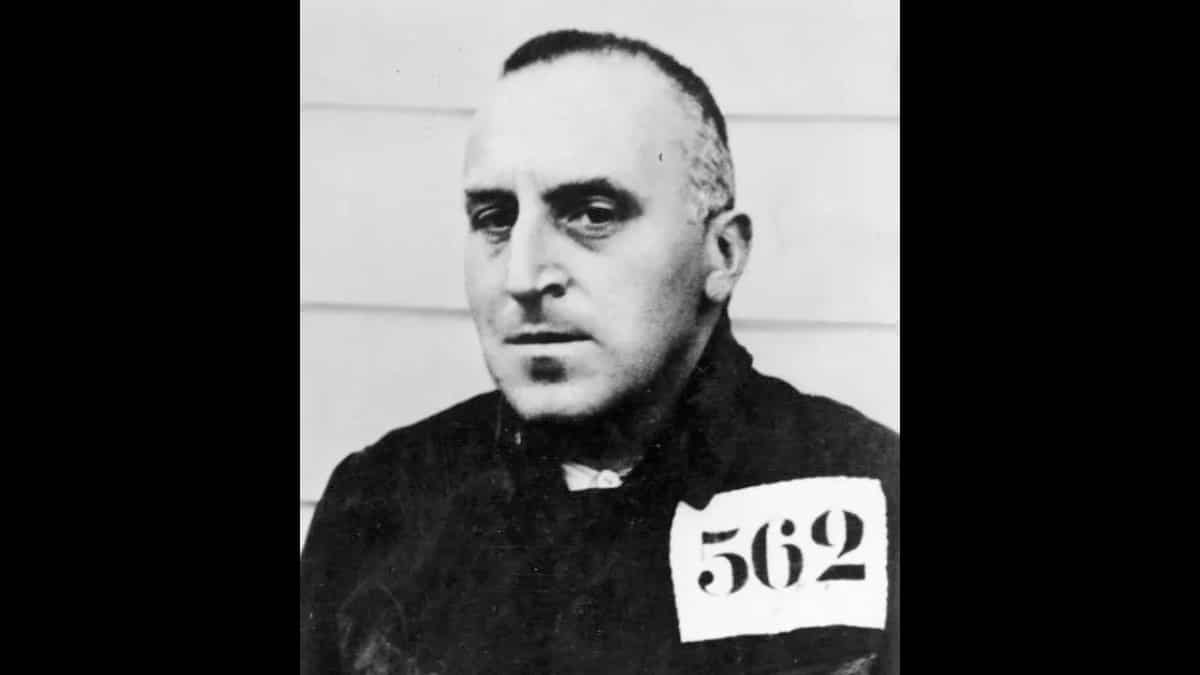
1935: Journalist and pacifist Carl von Ossietzky
Von Ossietzky was imprisoned in a Nazi concentration camp when he won the 1935 Nobel Peace Prize "for his burning love for freedom of thought and expression and his valuable contribution to the cause of peace," becoming the first regime critic anywhere in the world to receive the prestigious award.
Notably, according to Nobel Prize website, the Norwegian Nobel Committee they were unable to find anyone during who "met the criteria as outlined in the will of Alfred Nobel" therefore von Ossietzky received his Nobel Prize for 1935 one year later.
While he was unable to make the trip to Oslo to collect his diploma and gold Nobel medal, a German lawyer reportedly tricked his family into allowing him to pocket the prize money.
Von Ossietzky had been arrested three years prior, from when he won the prize, in a raid on opponents of Adolf Hitler. The announcement had made Adolf Hitler so furious that he banned all German citizens from accepting a Nobel in any category.
Von Ossietzky died in captivity in 1938.
(Photo credit: X/@Peine01)
)
)
)
)
)