In Pics | NASA's Mars-simulation habitat gives a glimpse of life on red planet


Red sand rooms
Mars-simulation habitat included four small rooms, one gym and a flood of red sand. The facility, which has been named Crew Health and Performance Exploration Analog (CHAPEA), is located at the research base of NASA in Houston, Texas.
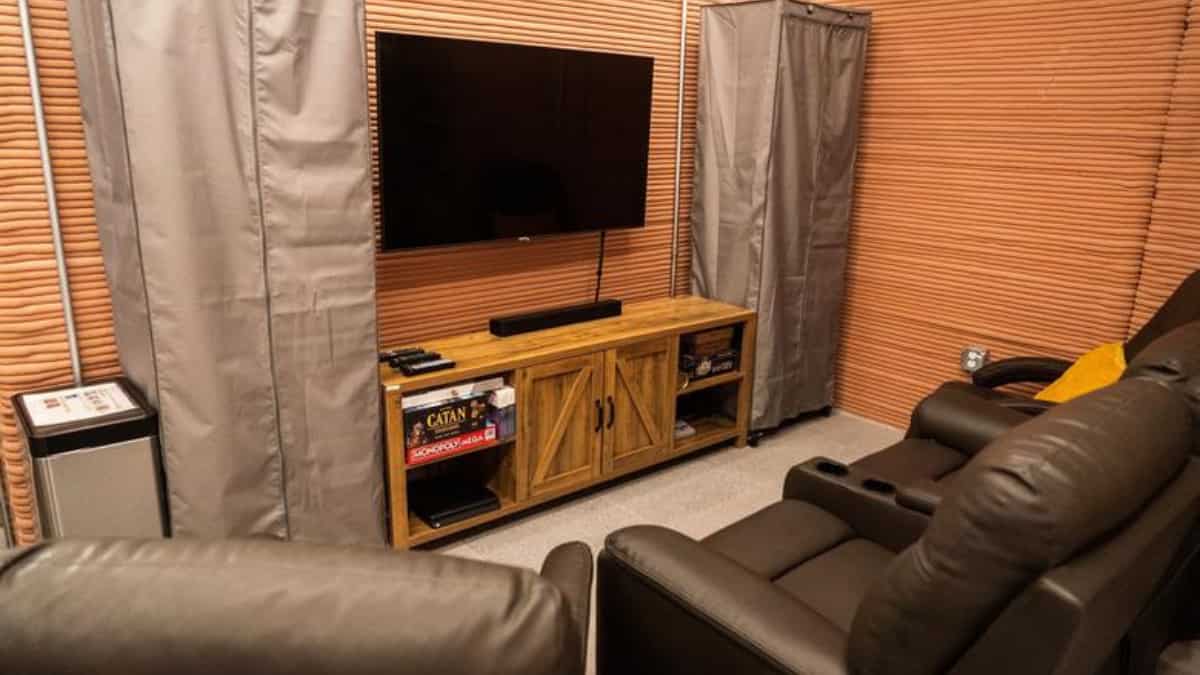
First trial in the summer
The first trial will begin in the summer during which the volunteers' physical and mental health will be monitored by NASA to better understand the fortitude of humans for such isolation.
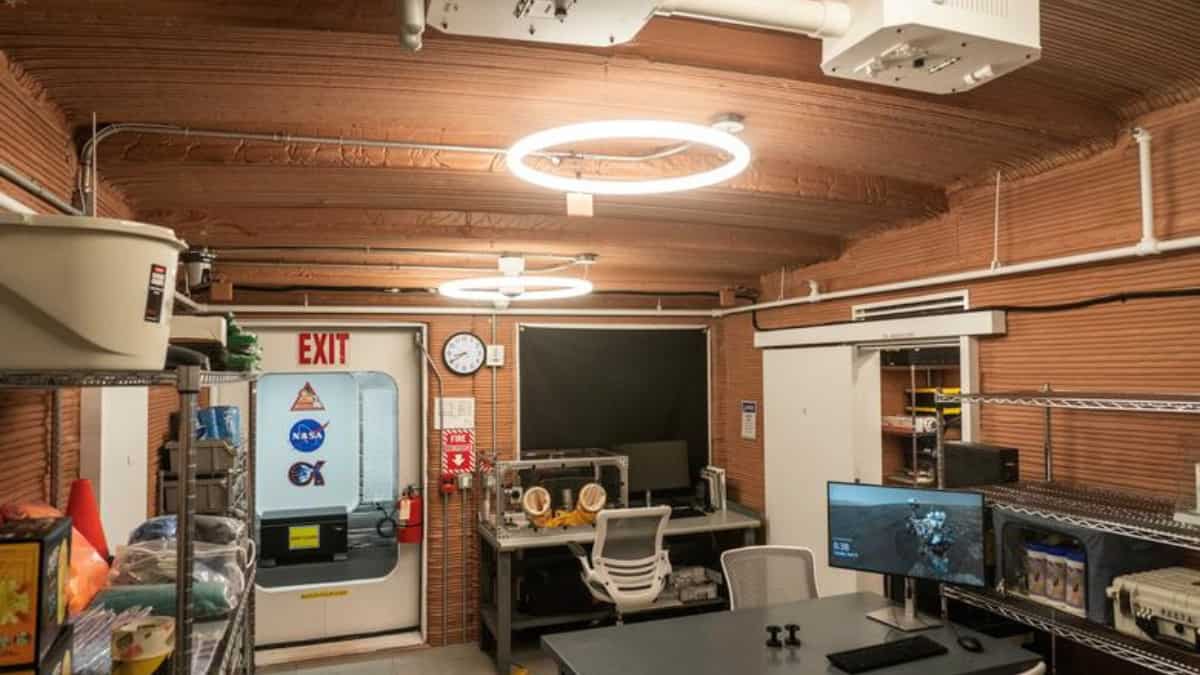
Mars Dune Alpha
The volunteers will remain inside a 1,700-square-foot home, called "Mars Dune Alpha”, which includes a room for medical care, a farm to grow crops, a workstation area, space for relaxing and two bathrooms.
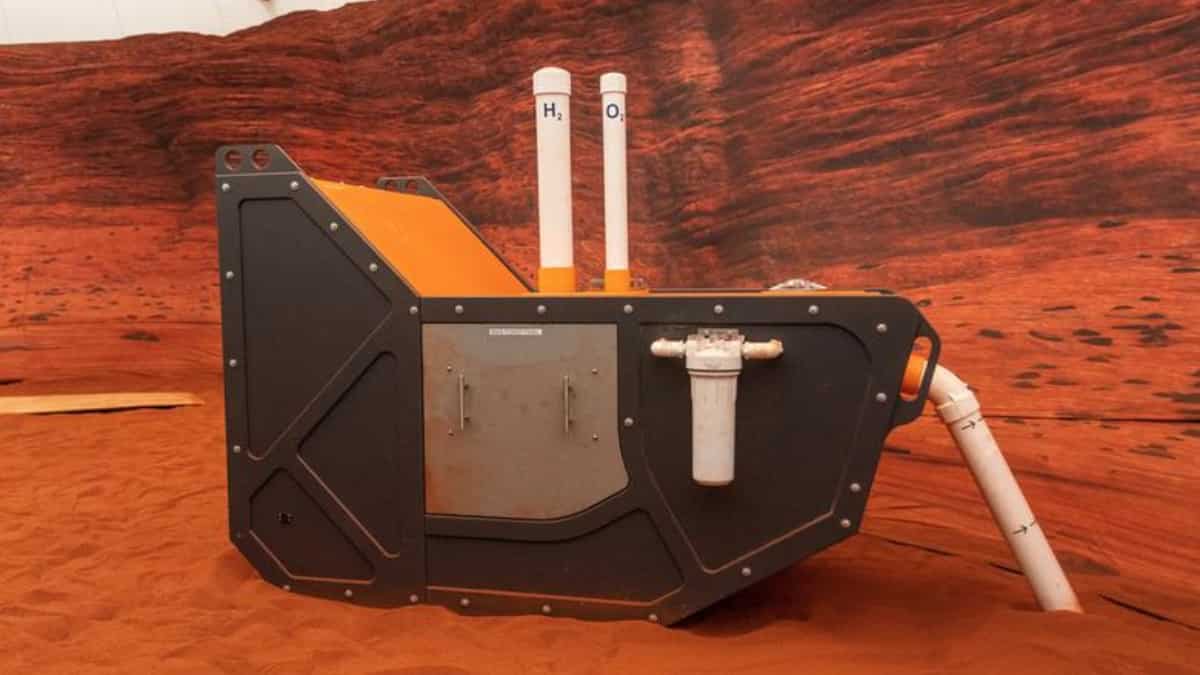
Airlock for reconstruction of Martian environ
An airlock has been used for the Martian environment's "outdoor" reconstruction. The pieces of equipment that astronauts may use are kept on the red sand-covered floor, which includes a brick-making machine, a weather station as well as a small greenhouse.
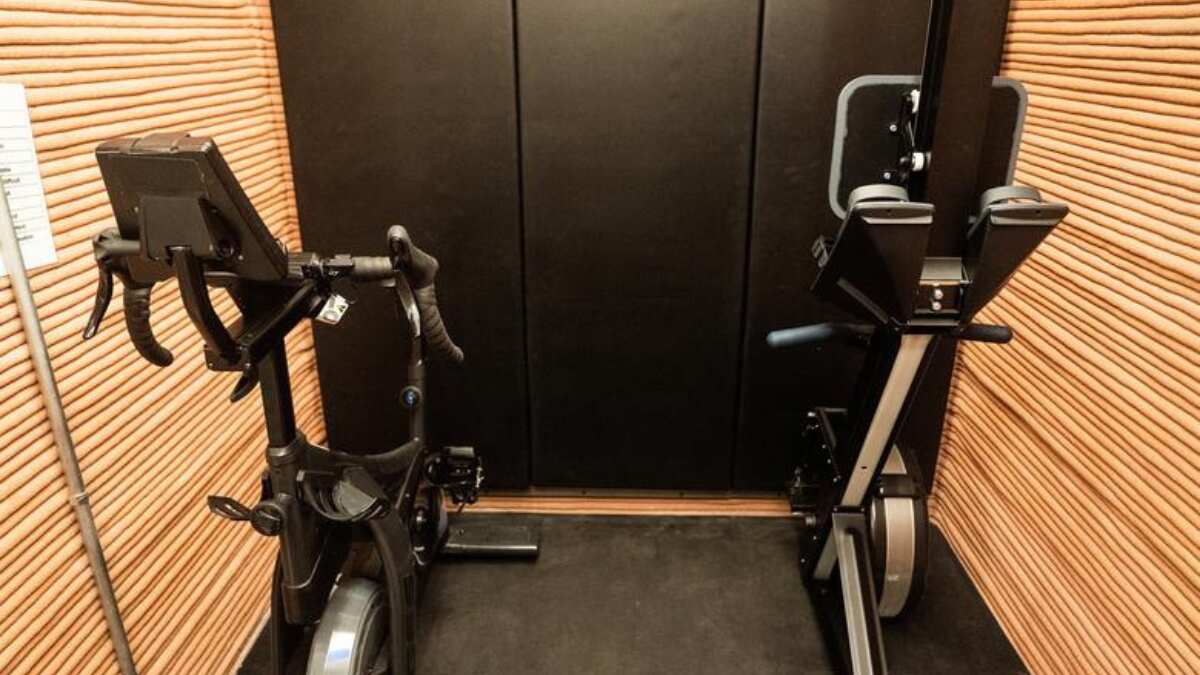
Treadmill to practice walking on Mars
A treadmill has been set up inside the habitat for volunteers to practice walking suspended from straps, similar to how they will walk on Mars with less gravity. The treadmills will be used by the volunteers to collect samples and gather building infrastructure or data.
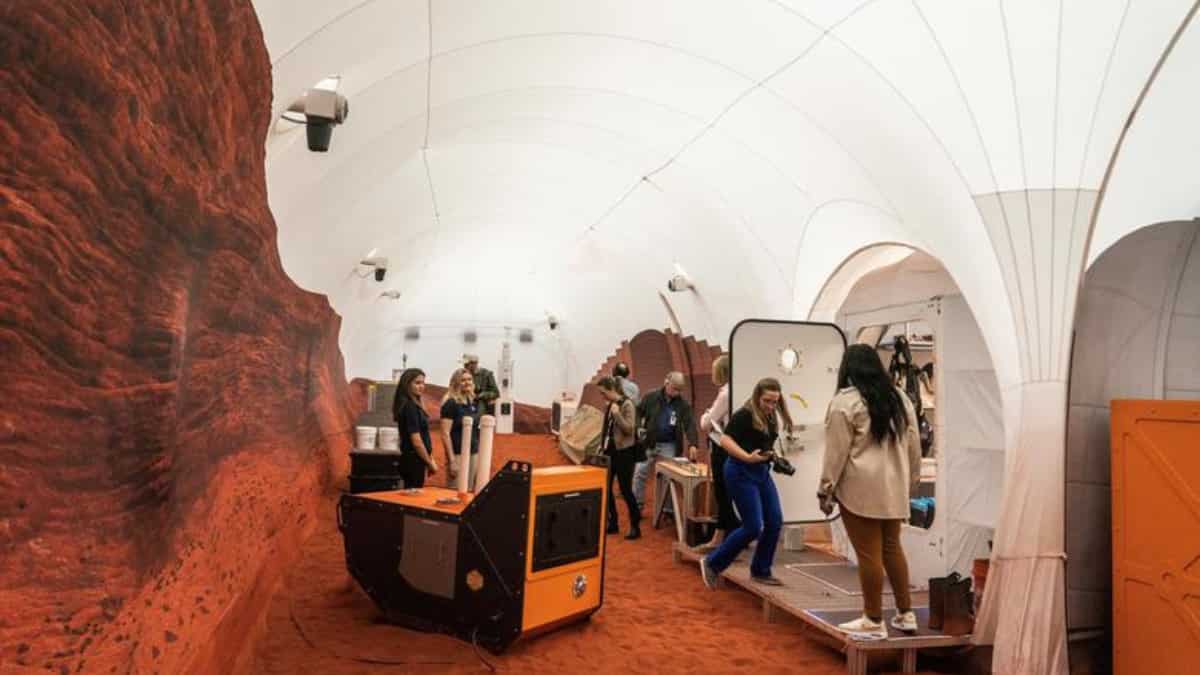
3D-printed habitat
The Mars-simulated habitat has another feature it is 3D-printed. "That is one of the technologies that NASA is looking at as a potential to build a habitat on other planetary or lunar surfaces," said Grace Douglas, lead researcher on the CHAPEA experiments.
)
)
)
)
)