In pics: London celebrates 50th anniversary of Pride parade

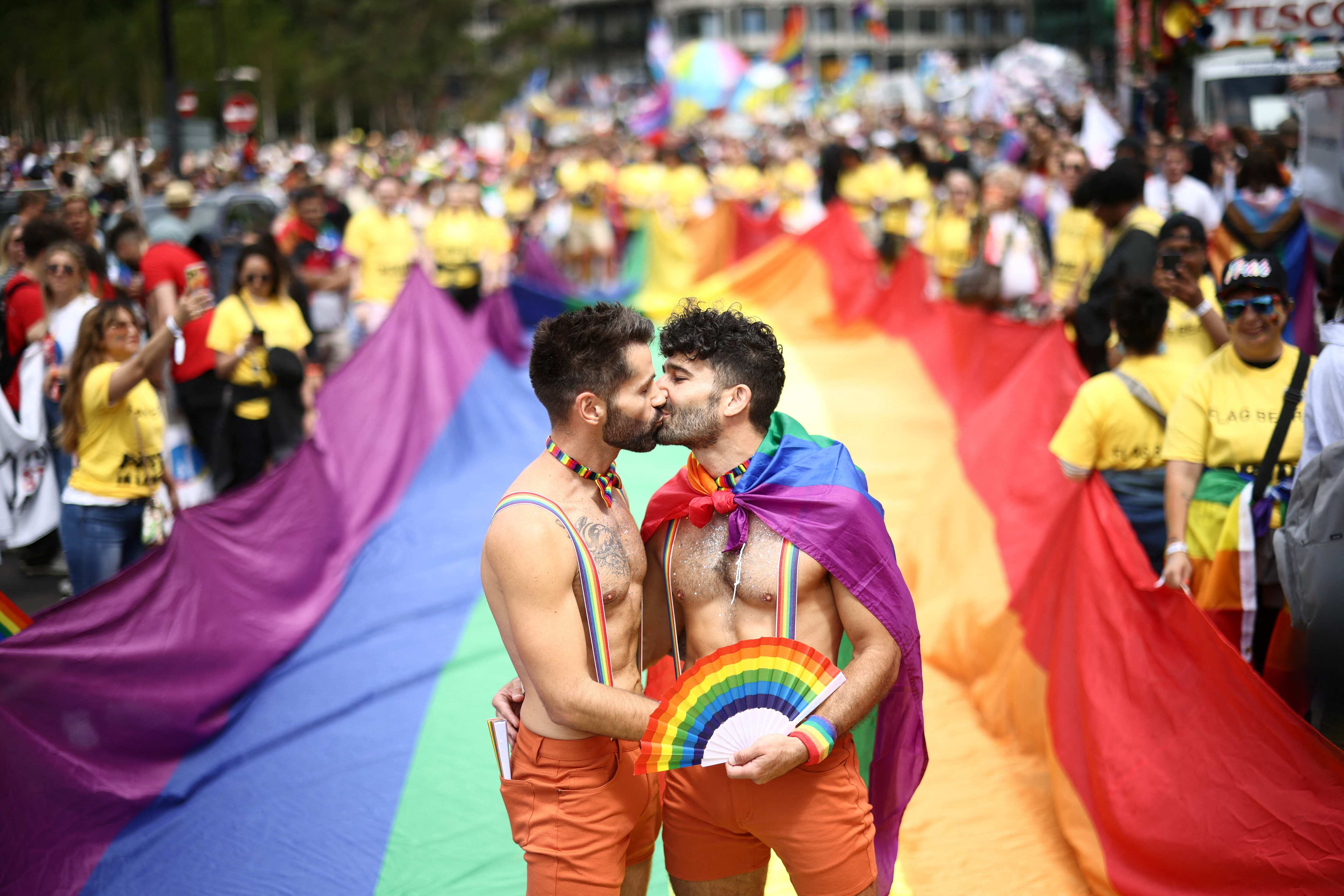
Pride march on full display
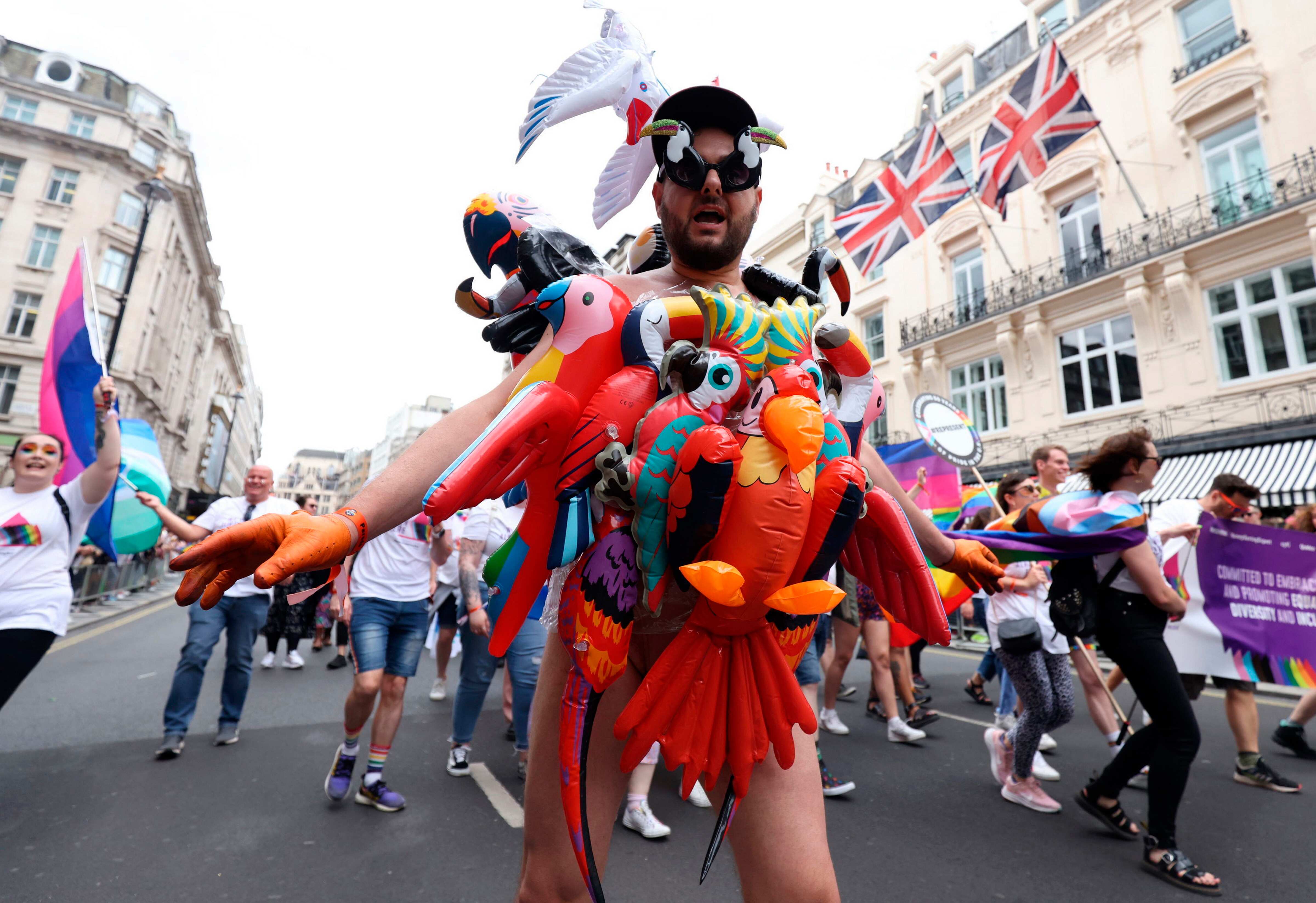
Members and allies of the LGBTQ community took part in a pride march in London on Sunday, with rainbow flags, hula hoops and headdresses on full display.
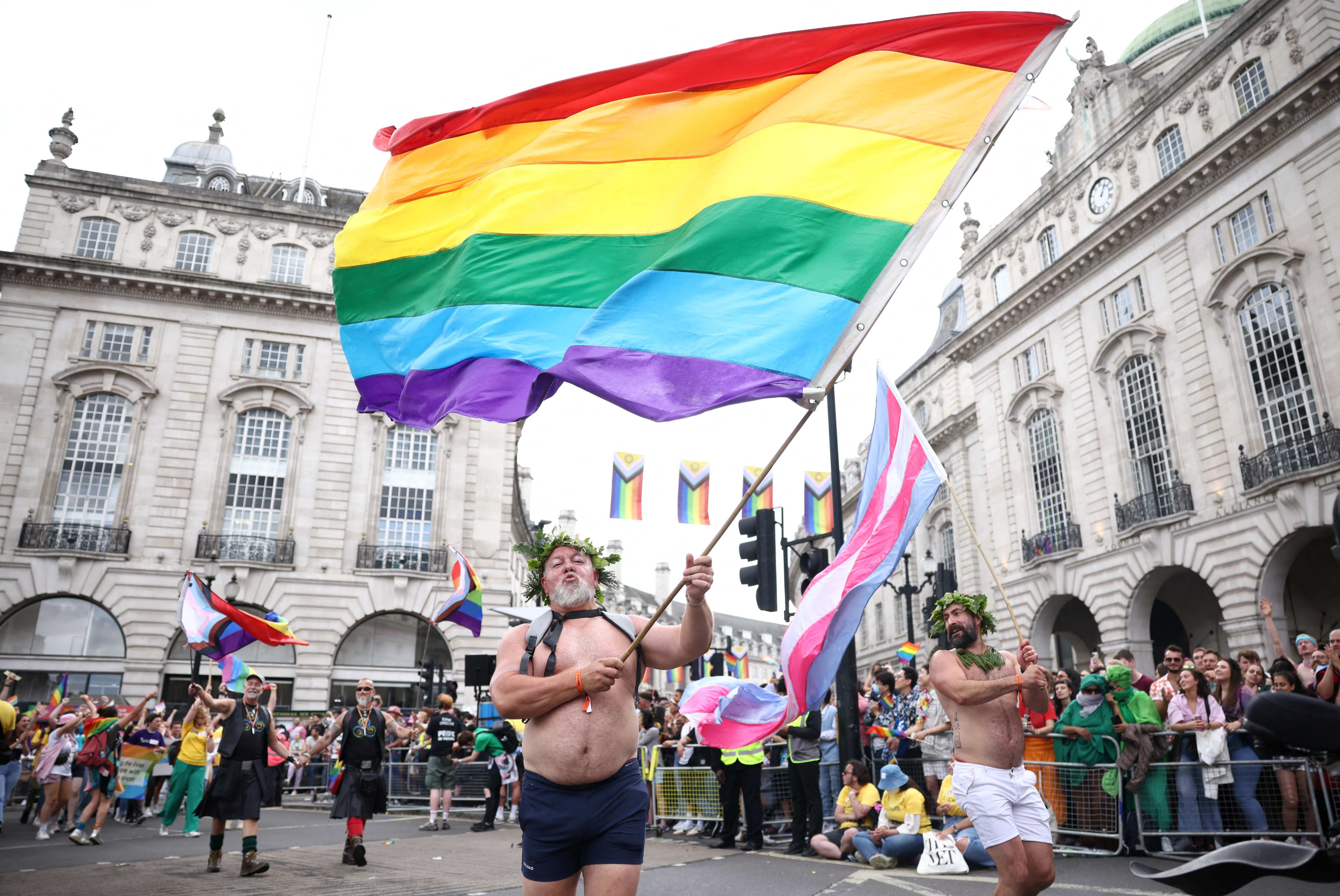
Spectacle of rainbow flags, glitter and sequins
Hundreds of thousands of vibrant crowed turned out to either take part in or watch the festivities, forming a spectacle of rainbow flags, glitter and sequins. More than 600 LGBTQ groups were expected to take part in the march, which was headed by members of the Gay Liberation Front from the 1972 protest.
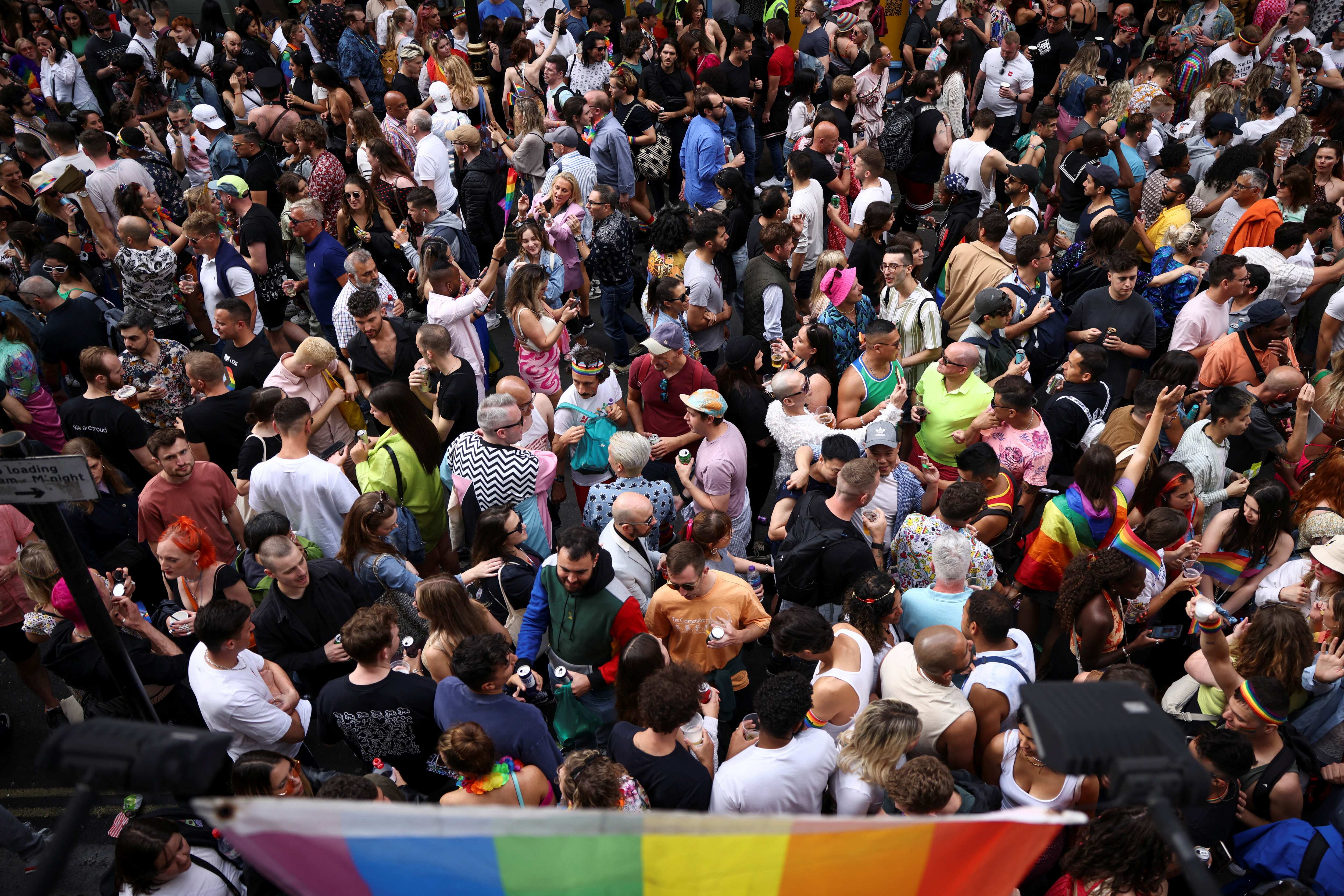
Song, dance galore Pride march
Fifty years on, more than 600 LGBTQ+ groups danced, sang and rode floats along a similar route to the original protest, in the first Pride since the coronavirus pandemic.
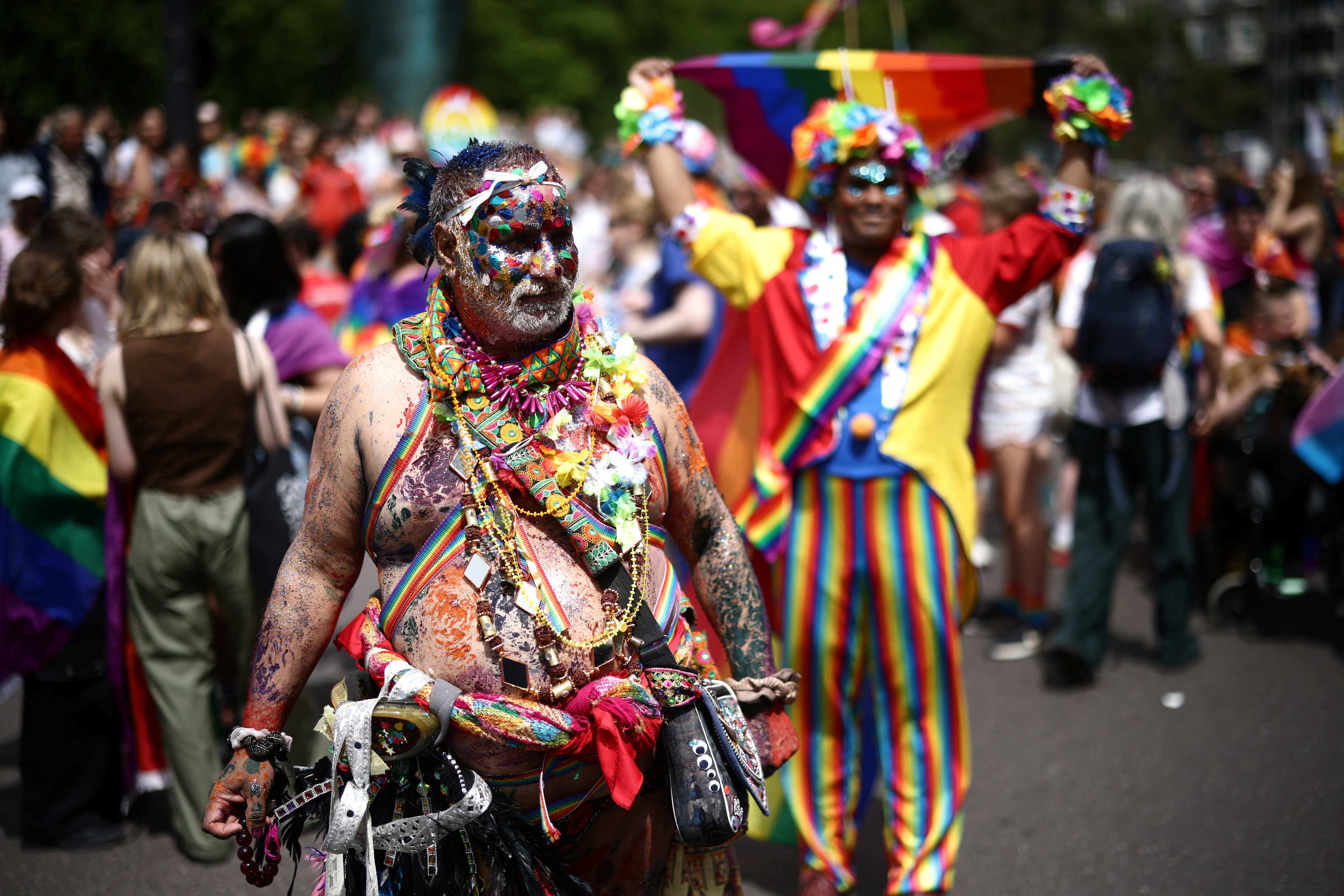
Evolution of Pride in march London
In 1972, "Gay Pride", as it was then known, was a demand for visibility and equality against a backdrop of prejudice and discrimination. In 1980s, Pride became a focal point for campaigning against legislation by prime minister Margaret Thatcher's Conservative government against the "promotion of homosexuality" in schools.
It also helped to raise awareness and support for people with HIV/Aids.
Now, with the rainbow flag of inclusion and tolerance spread ever more widely over the spectrum of human sexuality and gender, Pride in London is more celebration than protest.
Pride with a message
Among those marching was a contingent from Ukraine, who criticised homophobia in Russia.
This year's Pride saw warnings for people with monkeypox symptoms to stay away, after public health officials said many cases in the UK were reported among gay and bisexual men.
Taking preventive measures
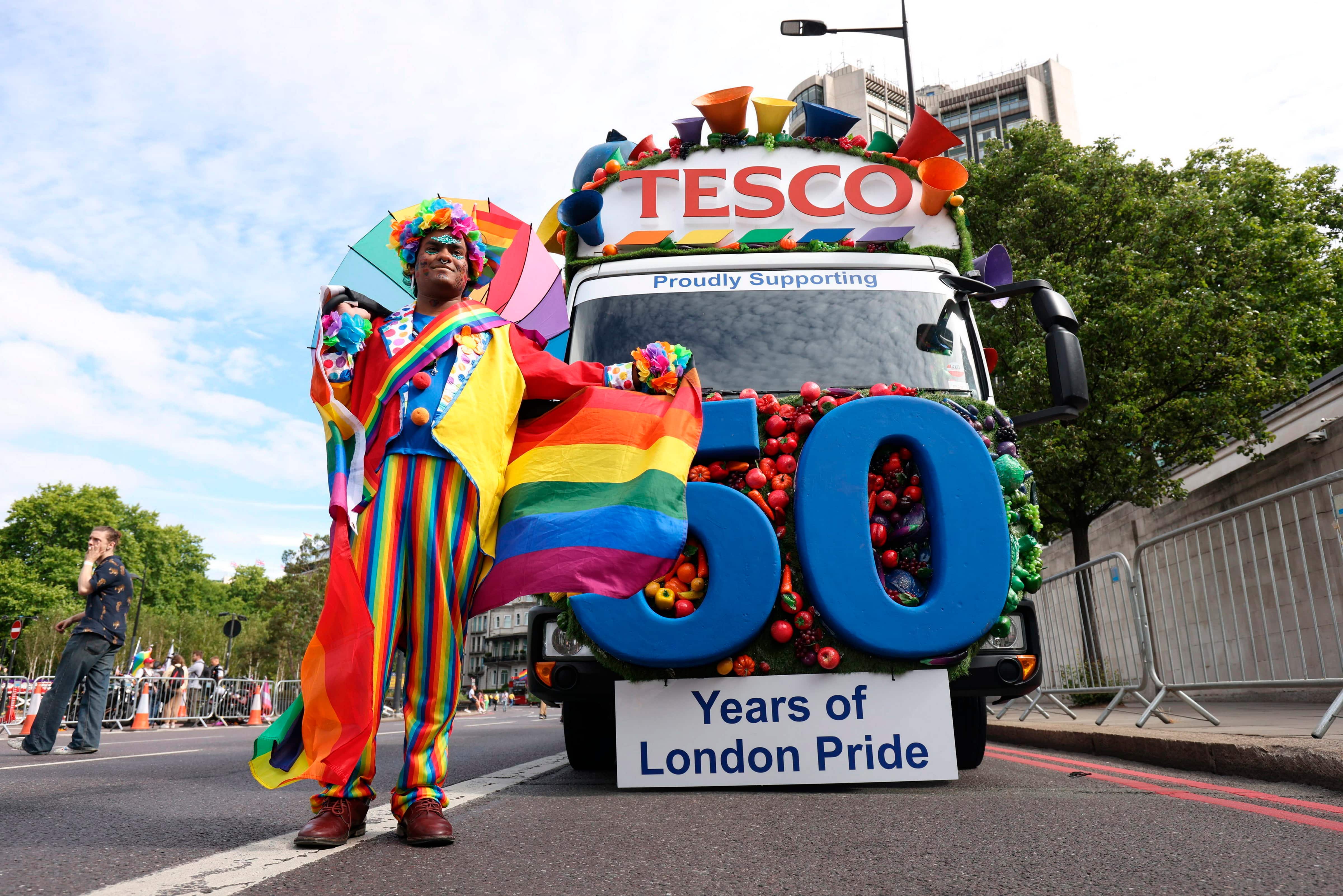
Mohammed Nazir from London poses in front of a Tesco float, ahead of the Pride in London parade, in London, Saturday. Those taking part had been urged to take a COVID-19 test before the march with virus cases on the rise across Britain. The U.K. Health Security Agency had issued a similar caution for people showing possible symptoms of monkeypox.
)
)
)
)
)