IN PICS | Inside Operation Neptune Spear: The night Osama bin Laden was hunted down and killed in 9 minutes. Complete timeline

A gripping timeline of the CIA-led hunt and US raid that killed Osama bin Laden in Abbottabad on May 2, 2011. Let's take a look inside of Operation Neptune Spear

The target — World’s most wanted man
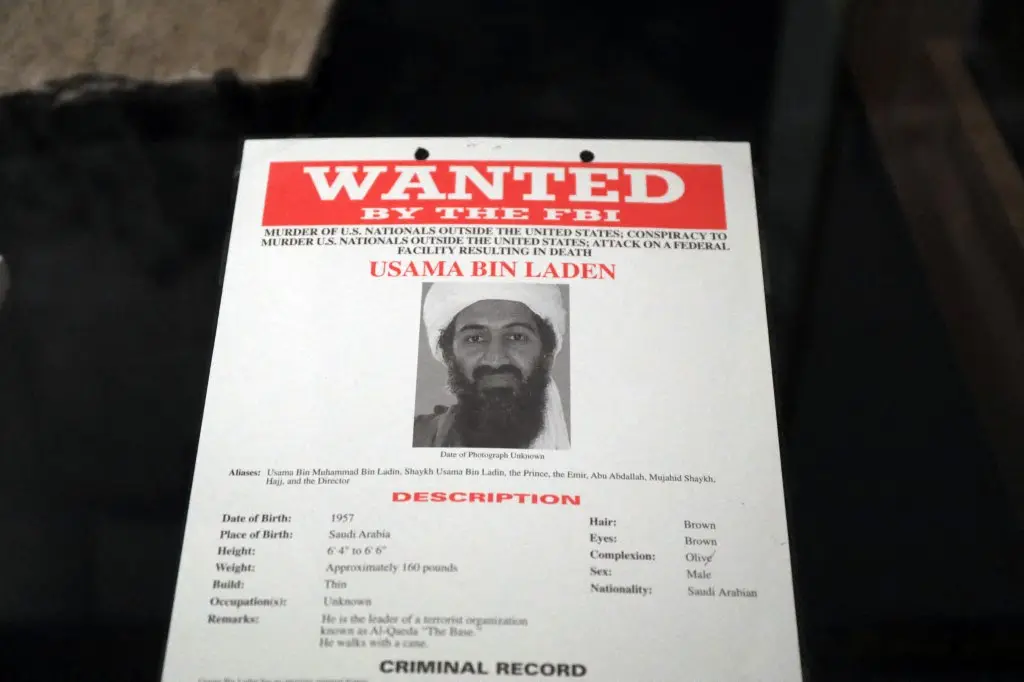
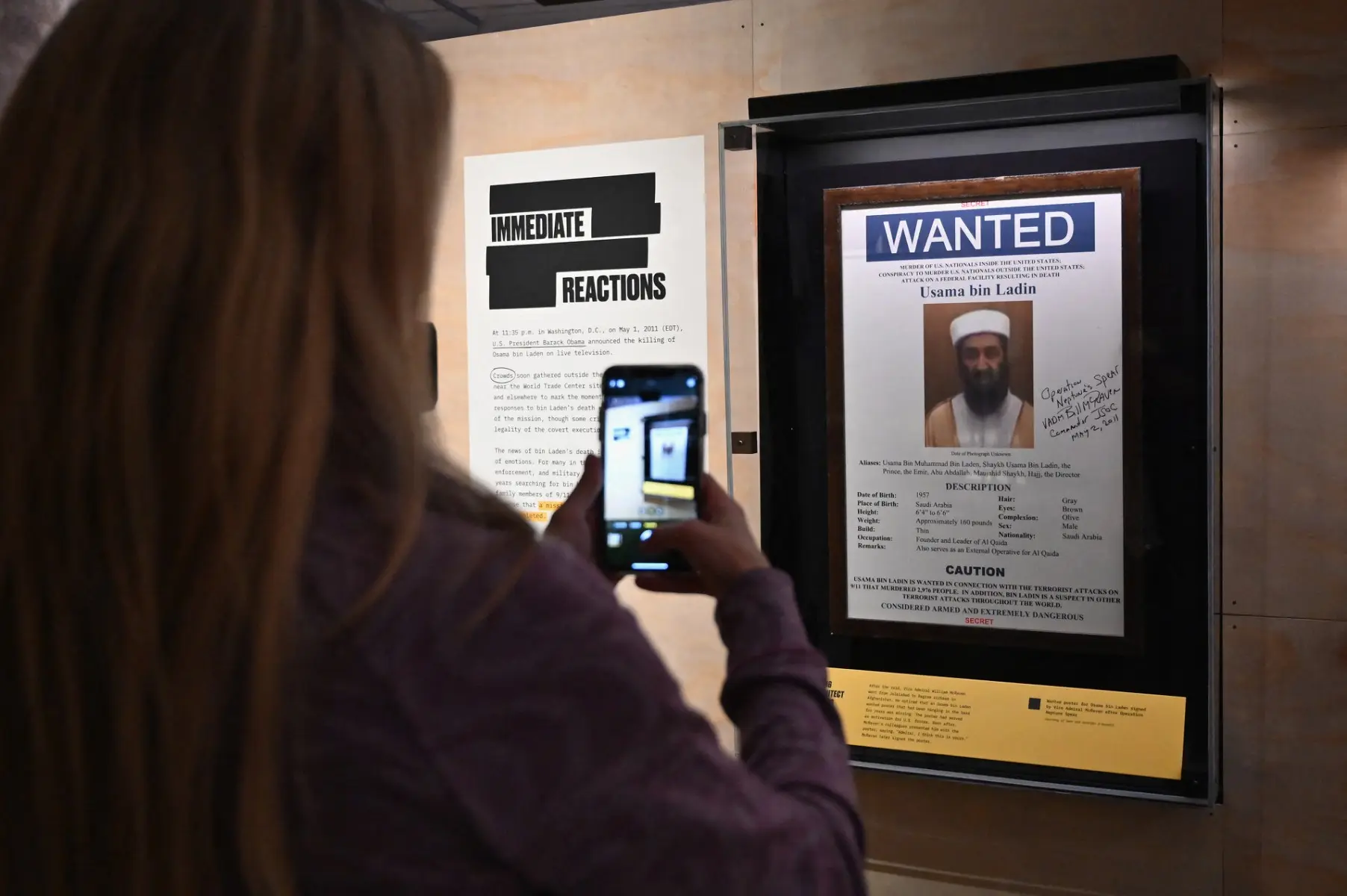
For nearly a decade after the September 11 attacks, Osama bin Laden remained the most wanted terrorist on Earth. Hidden from global intelligence networks, he continued influencing al-Qaida’s operations. The hunt intensified as the Central Intelligence Agency began tracking individuals connected to him, setting the stage for one of the most complex intelligence operations in modern history.
The breakthrough — A mysterious courier
The first major breakthrough came not from Bin Laden himself but from a trusted courier known only by a pseudonym. Years of intelligence work finally linked the alias to a real identity. The CIA believed this courier was the key to finding Bin Laden, and tracking his movements became a top priority, one that would eventually lead to a quiet town in Pakistan.
Abbottabad compound raises suspicion
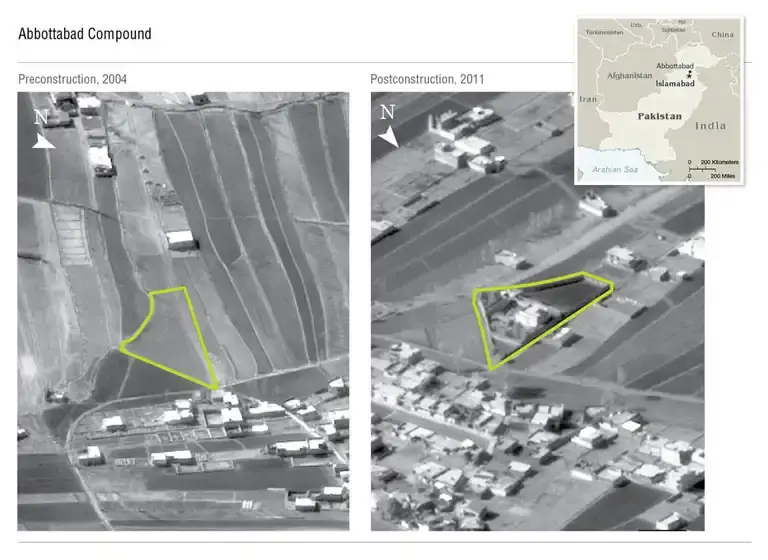
In 2010, intelligence pointed to a heavily fortified compound in Abbottabad, Pakistan. With high walls, barbed wire, no internet, and burned trash, the residence stood out. The occupants had no visible income yet lived in a large property. These anomalies led analysts to suspect that someone highly valuable, possibly Bin Laden, was hiding inside.
Inside the secret planning
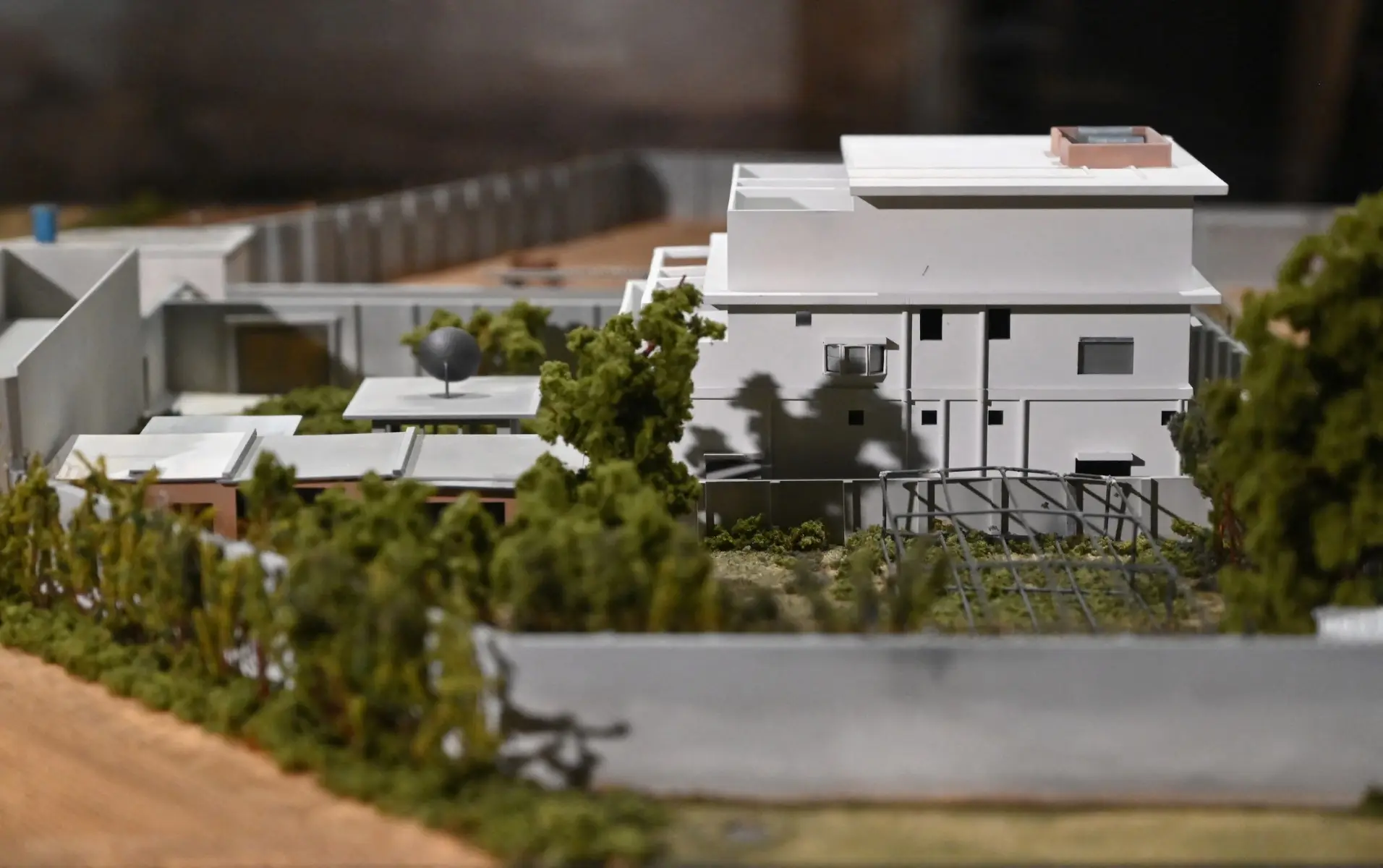
Once the compound was identified, preparations intensified. US forces built a full-scale replica of the compound to rehearse the mission. Every possible scenario was studied, from entry points to internal layouts. The goal was clear: minimise civilian casualties while ensuring mission success. The operation would require precision, secrecy, and flawless execution.
The final call
On April 29, 2011, Barack Obama gave the green light for the operation. Alongside intelligence chief Leon Panetta and military leaders, the decision marked the culmination of years of intelligence work. The mission was set in motion, with elite special forces preparing for a high-risk nighttime raid.
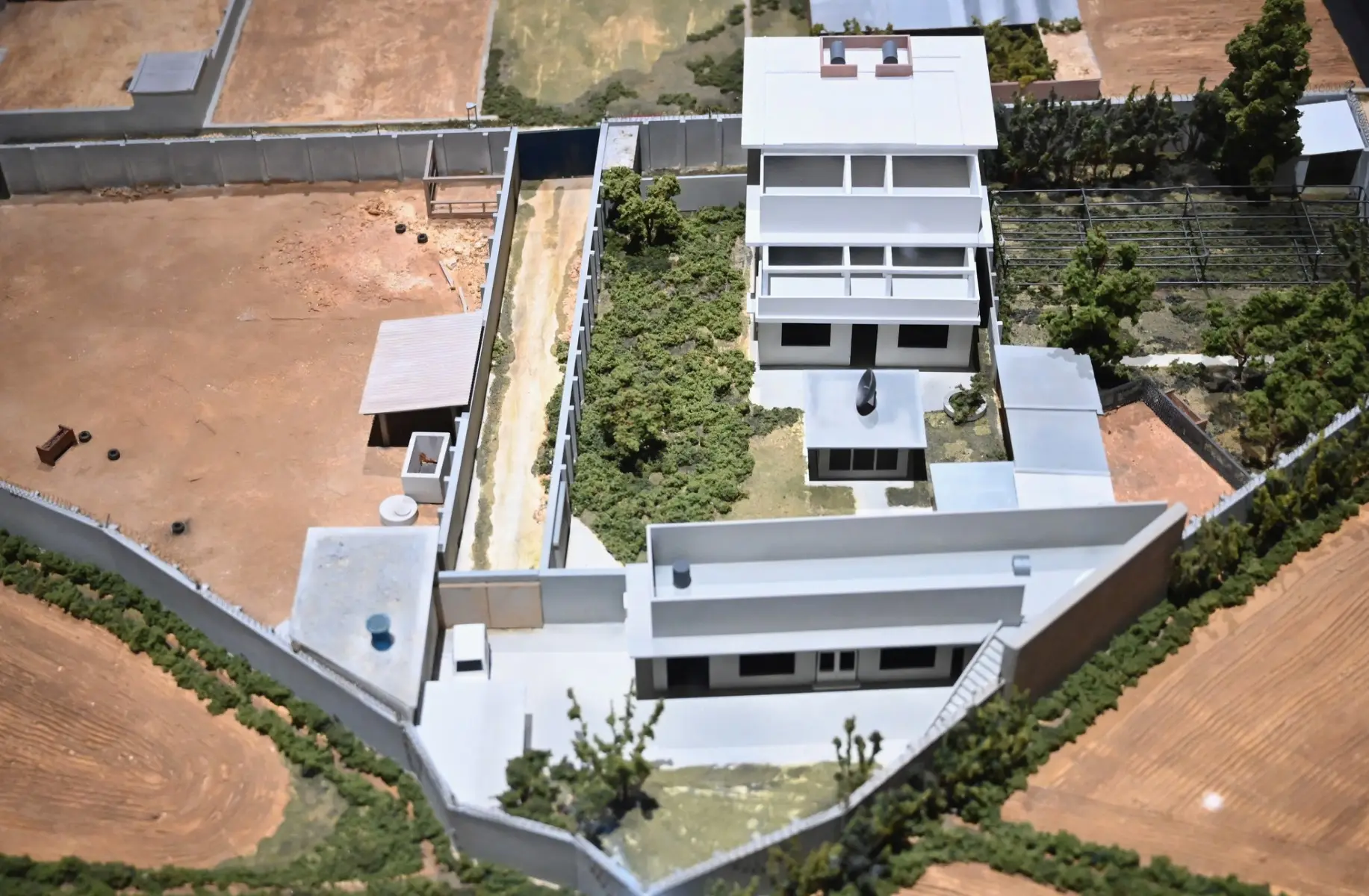
Helicopters enter Abbottabad
In the early hours of May 2, helicopters carrying US Navy SEALs crossed into Pakistan. As they approached the compound, one helicopter crash-landed due to unexpected conditions. Despite the setback, the team continued without delay, demonstrating the resilience and training that defined the mission.
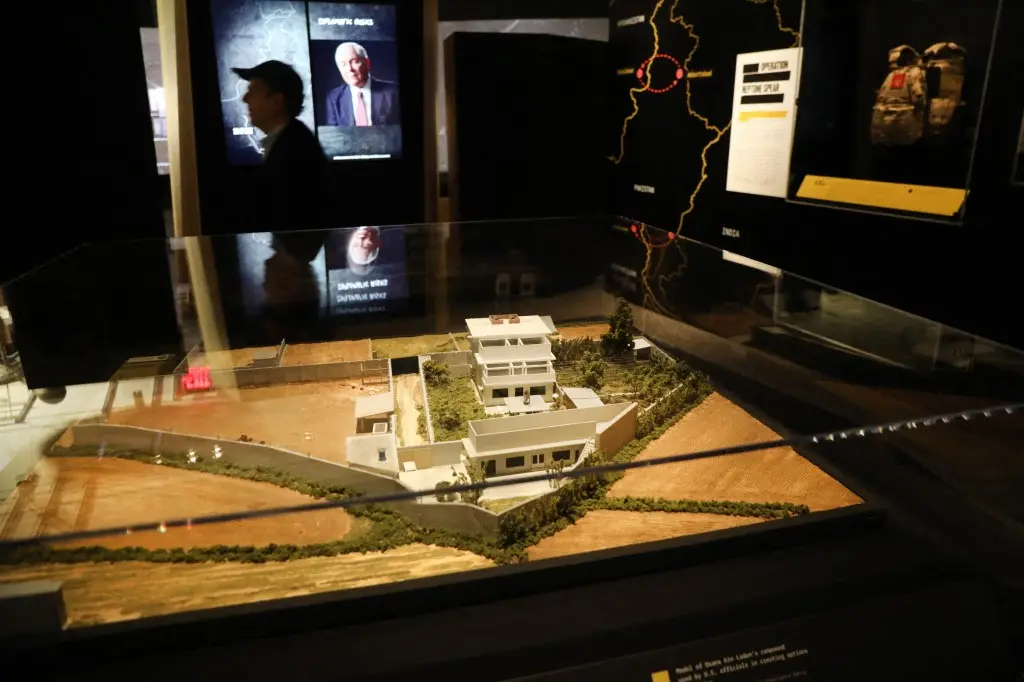
The 9-minute operation
Within minutes of entering the compound, US forces located Bin Laden on the third floor. The encounter was brief but decisive. In just nine minutes, the world’s most wanted man was dead. The operation moved swiftly, ensuring minimal resistance and maximum control.

Confirmation and extraction
Following the raid, Bin Laden’s identity was confirmed through multiple methods. Meanwhile, the team collected valuable intelligence materials from the compound. Despite the earlier crash, all personnel evacuated safely, leaving behind a destroyed helicopter to prevent sensitive technology from falling into the wrong hands.
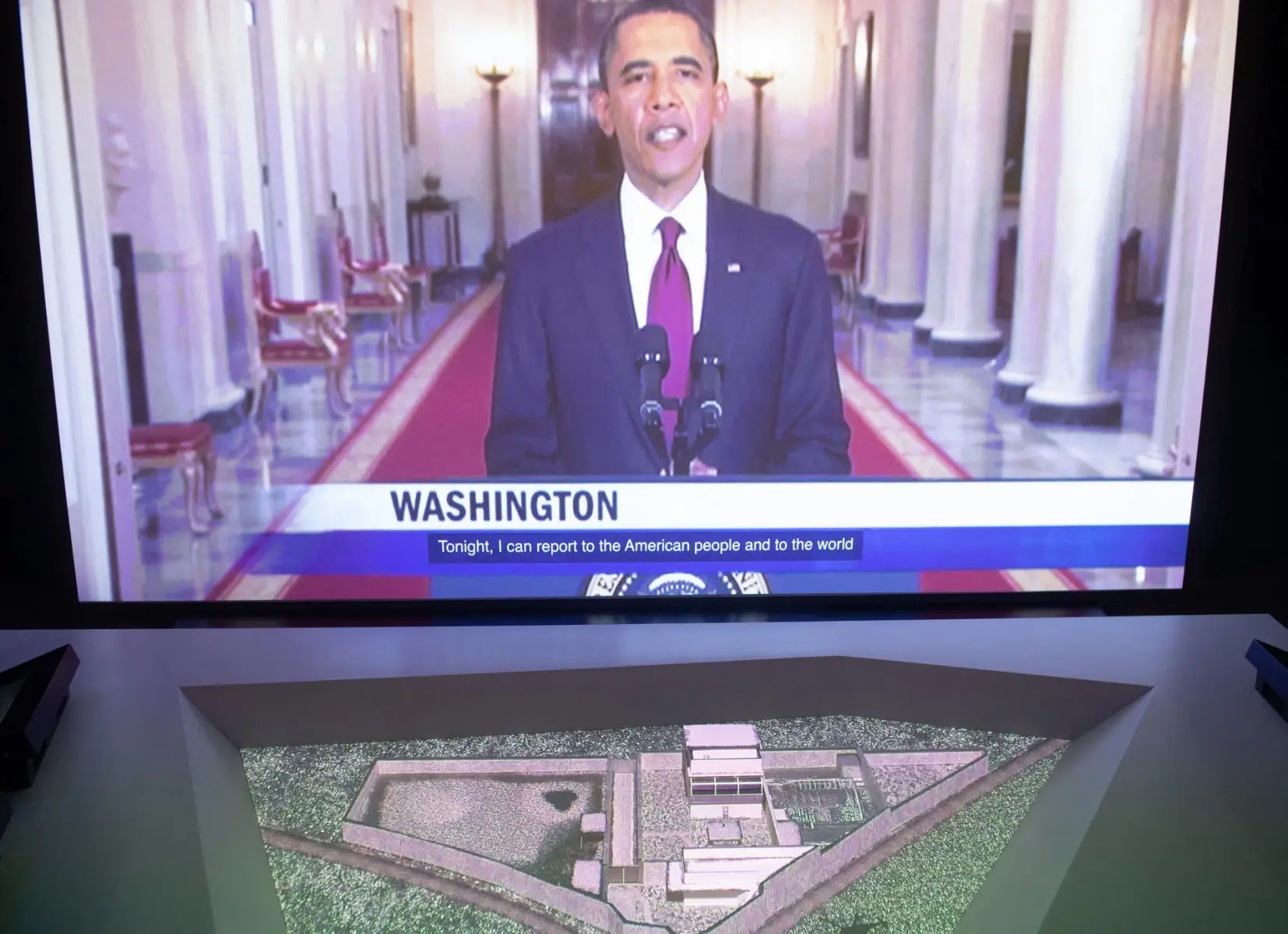
The situation room watches
Back in Washington, President Obama and senior officials monitored the operation in real time from the Situation Room. The tense moments captured in photographs became iconic, symbolizing the gravity of the mission and the uncertainty that surrounded its outcome.

Burial at sea
Bin Laden’s body was transported to the USS Carl Vinson and buried at sea within 24 hours. The decision aimed to prevent any physical gravesite from becoming a symbol or rallying point. It marked the final chapter in the life of al-Qaida’s leader.
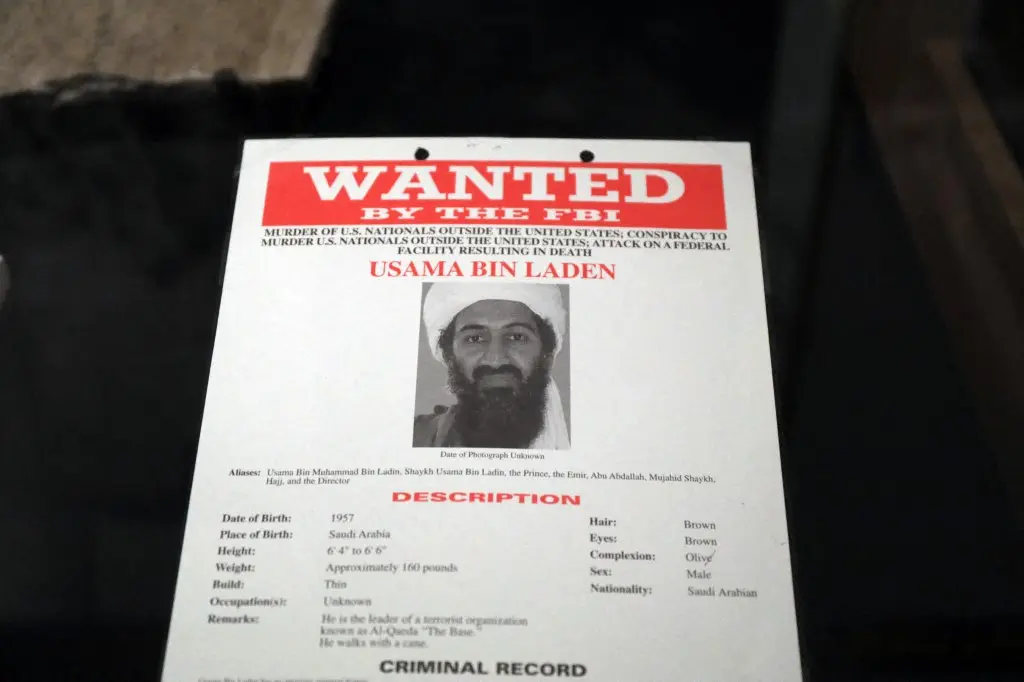
Secrets recovered
The materials seized during the raid revealed that Bin Laden was still actively directing al-Qaida. Letters showed he was planning to relocate and remained deeply involved in strategy. These insights reshaped understanding of his role, proving he was far from a symbolic figure.
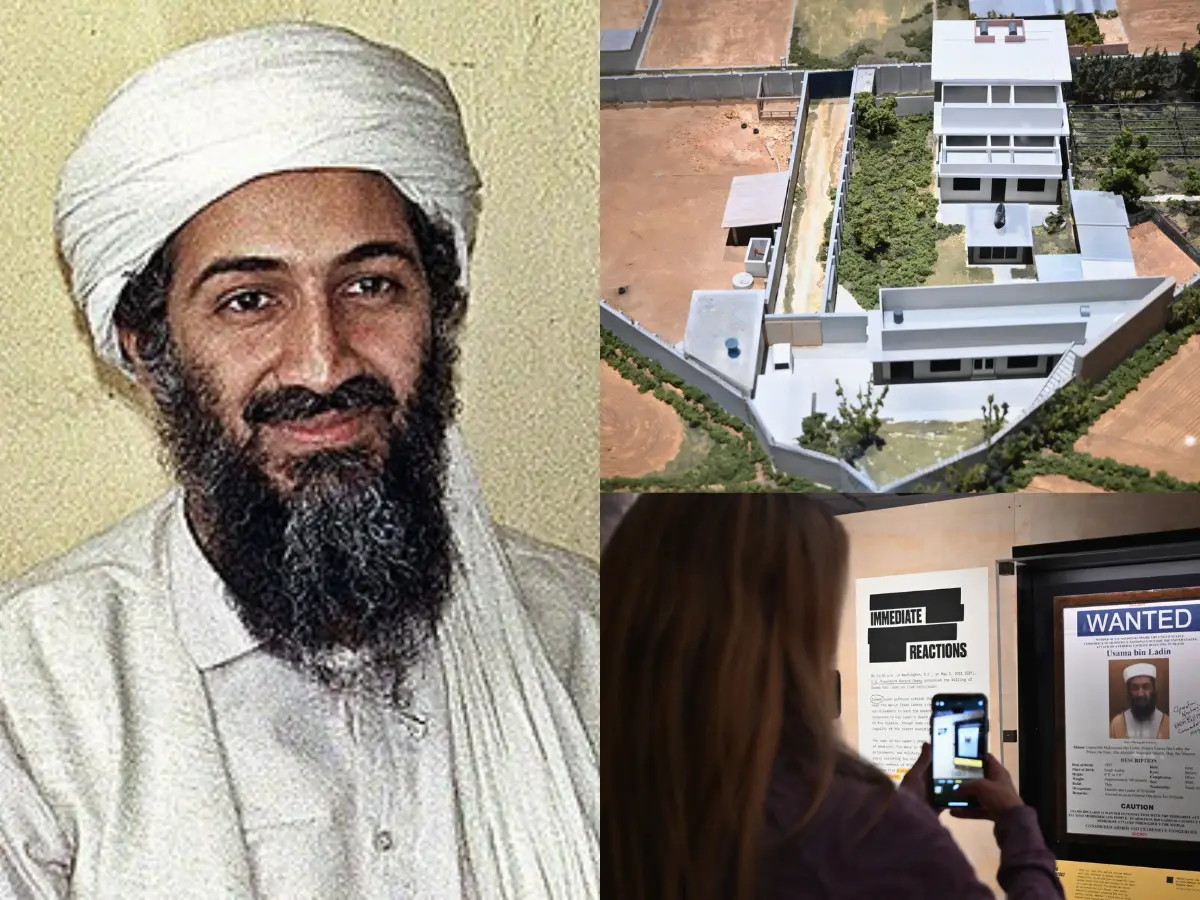
A defining moment in the war on terror
The killing of Osama bin Laden marked a turning point in the global fight against terrorism. It demonstrated the power of intelligence collaboration and precision military action. While it did not end terrorism, it delivered a significant blow to al-Qaida and reshaped global security strategies.
)
)
)
)
)