In pics | In these countries, people don't exercise or stick to healthy diets, yet they live longer

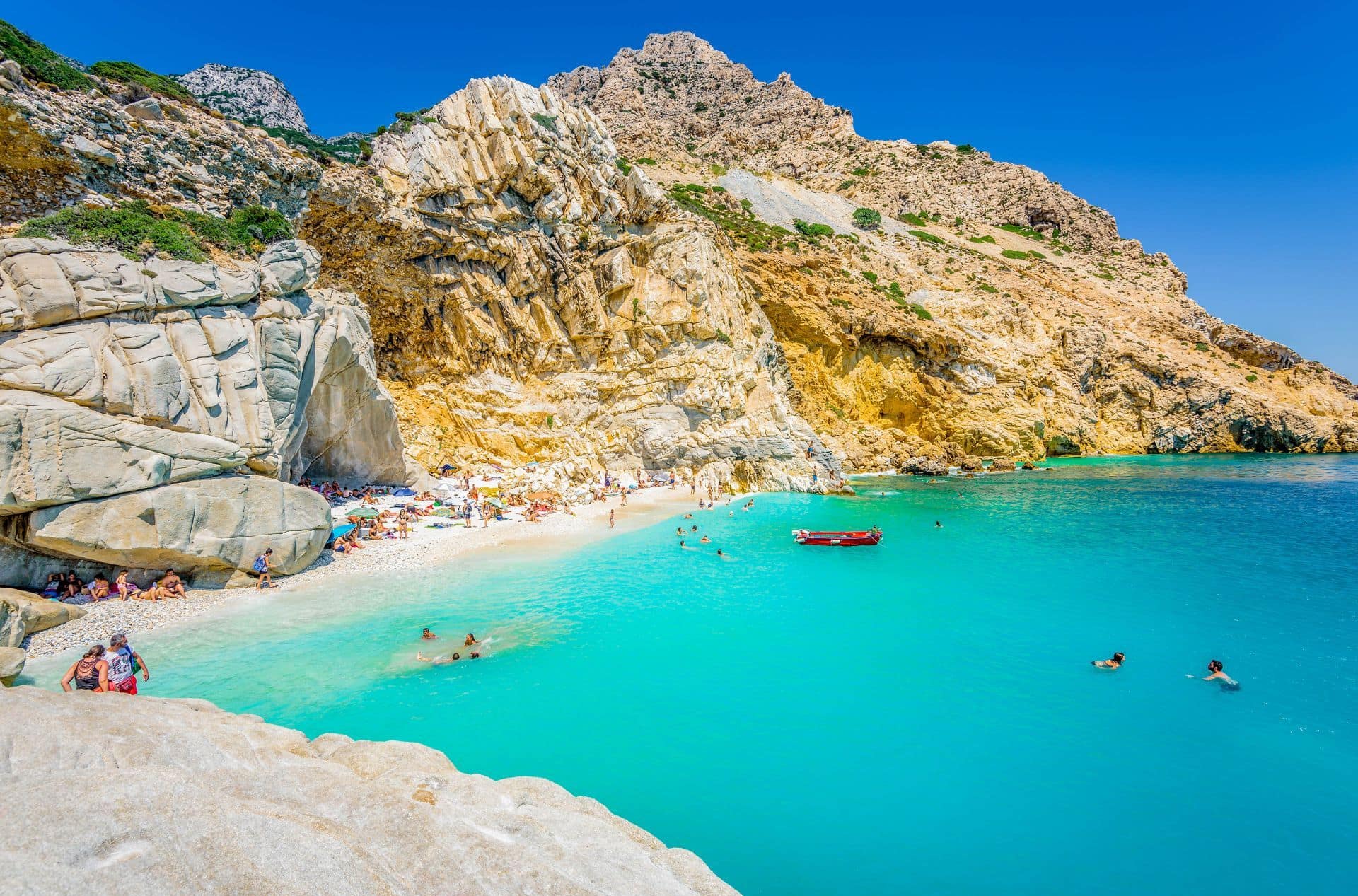
Ikaria, Greece
Nestled mid-way between Greece and Turkey in the Aegean Sea, about 130 miles East of Athens, people learned to eat local, because for centuries, they had to. The island has no natural ports. Research has linked their increased longevity with their traditional Mediterranean diet, which is heavy in vegetables and healthy fats and contains smaller amounts of dairy and meat products.
And among the most consumed beverage is their herbal teas, which is made from sage and rosemary. They are said to be rich in health-boosting compounds and their raw honey is never boiled, leaving bioactive compounds in the bee pollen intact.
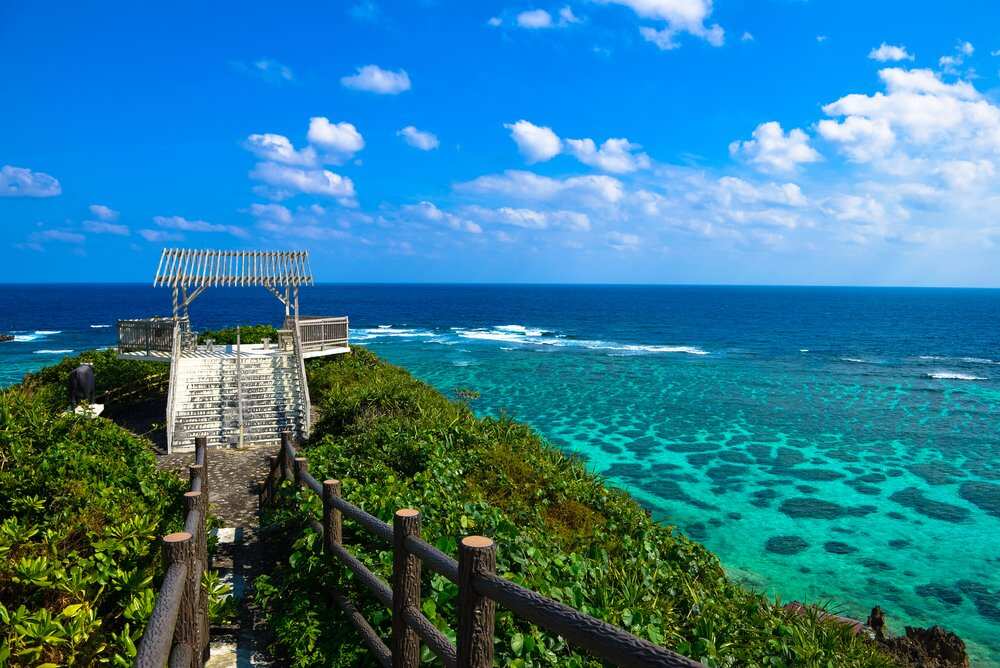
Okinawa, Japan
The largest island in a subtropical archipelago controlled by Japan, Okinawa is home to the world’s longest-lived women. Food staples like Okinawan sweet potatoes, soybeans, mugwort, turmeric, and goya (bitter melon) keep Okinawans living long and healthy lives.
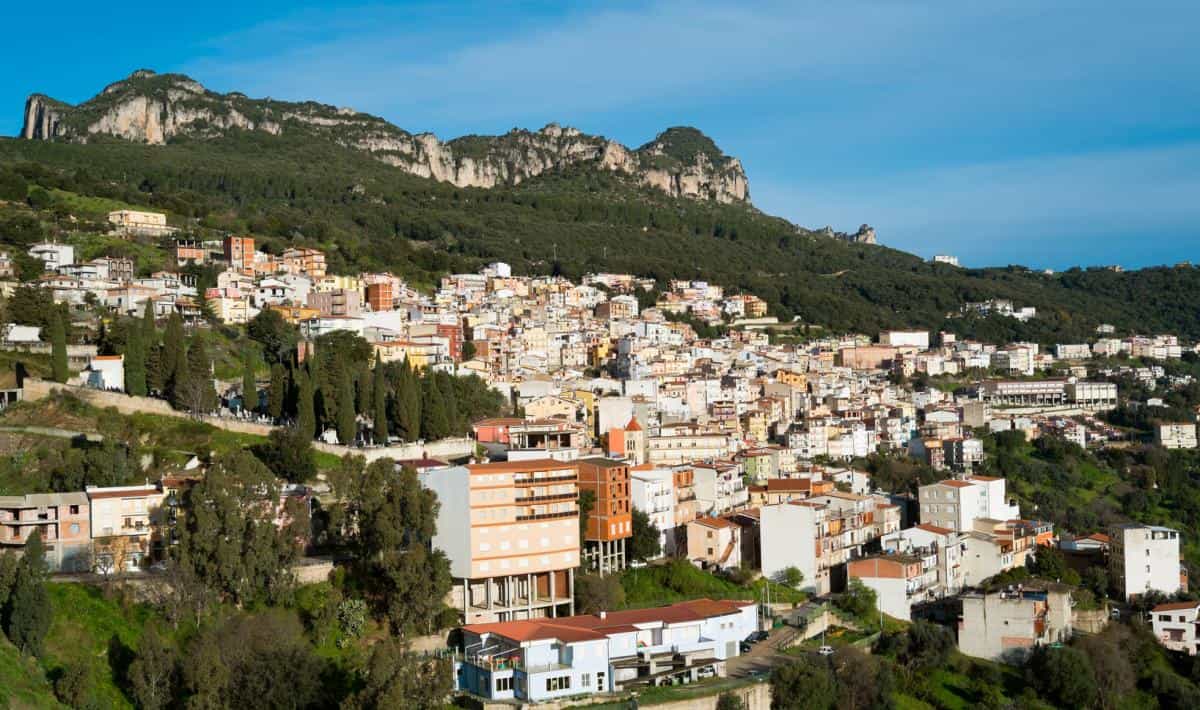
Sardinia, Italy
The population of the mountainous highlands of this Italian island consumes a low-protein diet associated with lower rates of diabetes, cancer, and death for people under age 65. This area boasts of the world’s highest concentration of centenarian men.

Loma Linda, California
The inhabitants of this area consume biblical diet of grains, fruits, nuts, and vegetables. Perhaps, this is why this community has the highest concentration of Seventh-day Adventists in the United States, and some residents live 10 more healthy years than the average American.
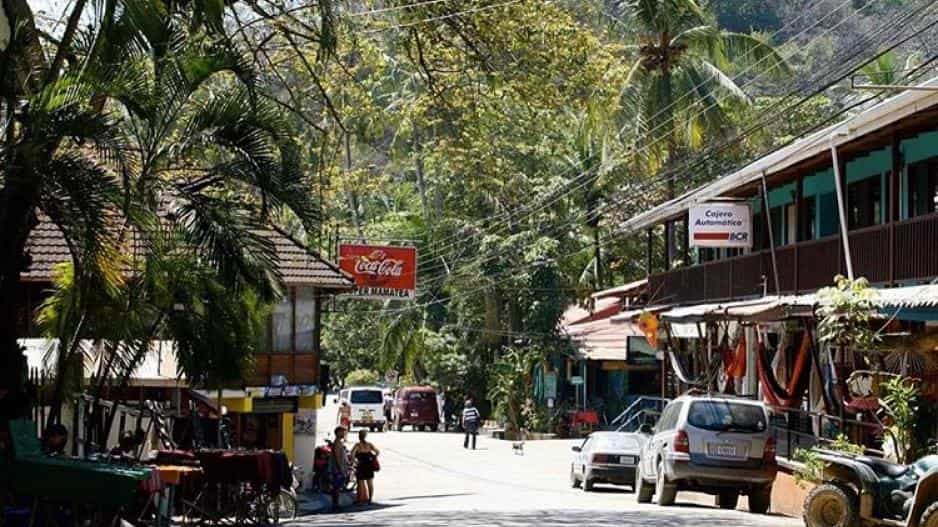
Nicoya Peninsula, Costa Rica
This Central American region has the world’s lowest rate of middle-age mortality and the second highest concentration of male centenarians. Their longevity secret lies partly in their strong faith communities, deep social networks, and habits of regular, low-intensity physical activity.
)
)
)
)
)