IN PICS | Images released show internal damage to Fukushima nuclear plant

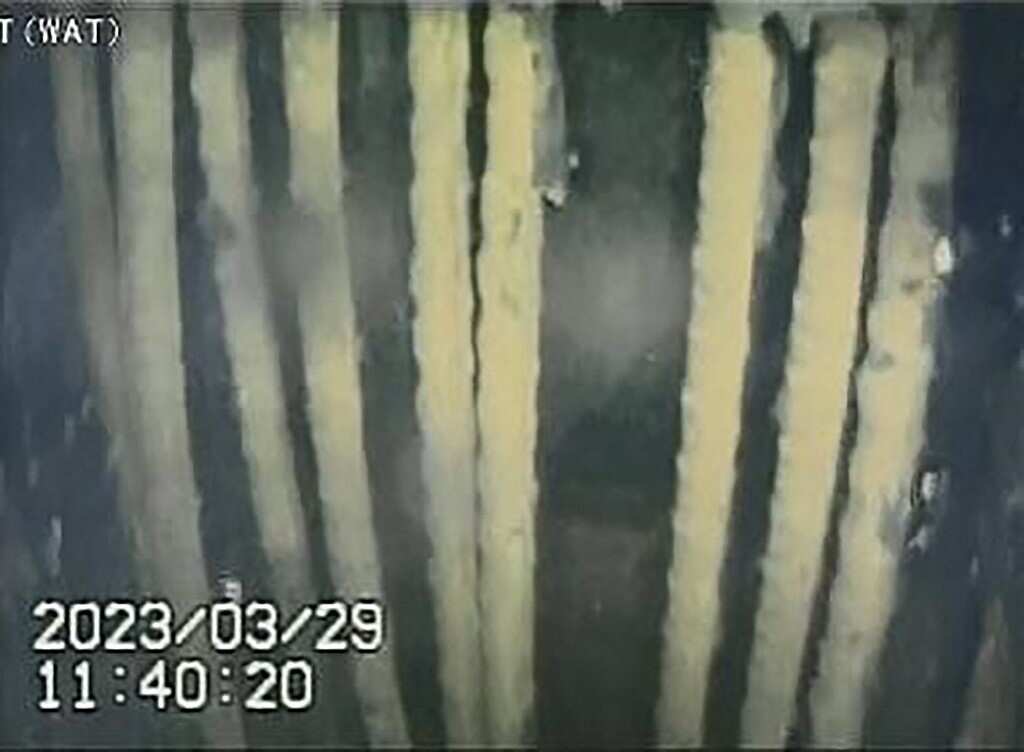
Damaged steel rods
International Research Institute for Nuclear Decommissioning (IRID) on Tuesday released the images after receiving them from the Tokyo Electric Power Company (TEPCO). A robot slipped underwater by the scientists took the image at the foundation of the reactor no. 1 at the Fukushima Daiichi nuclear power plant.
According to a TEPCO official, "There were areas that we could not see. But we believe (damage) is spread across large areas."
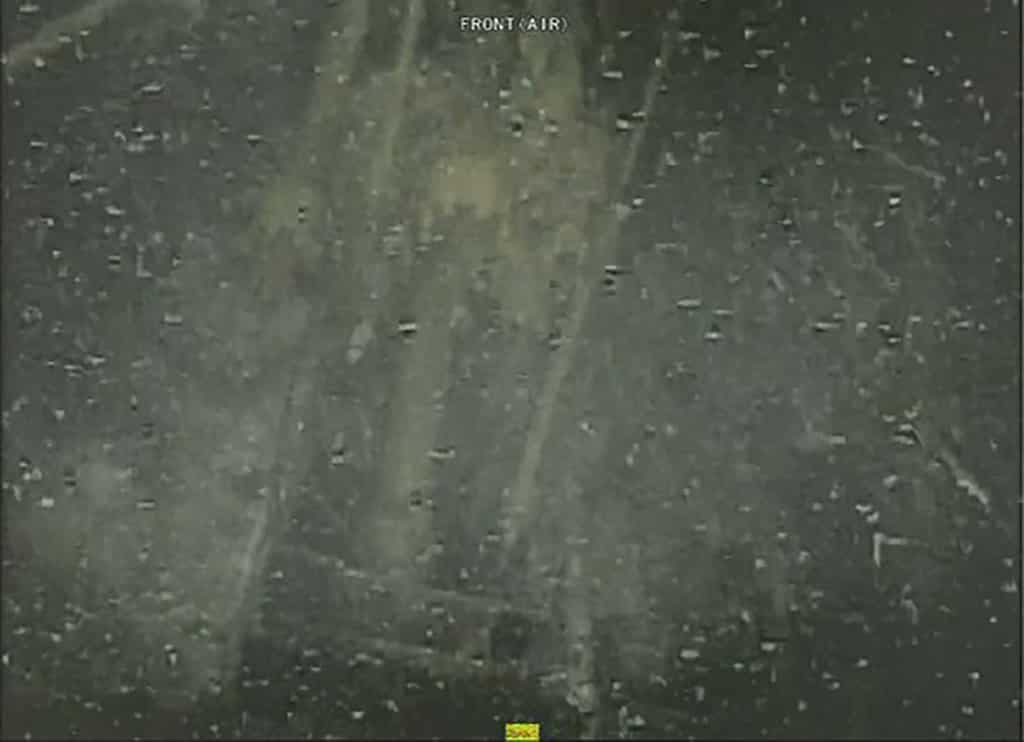
Precarious condition of the structure
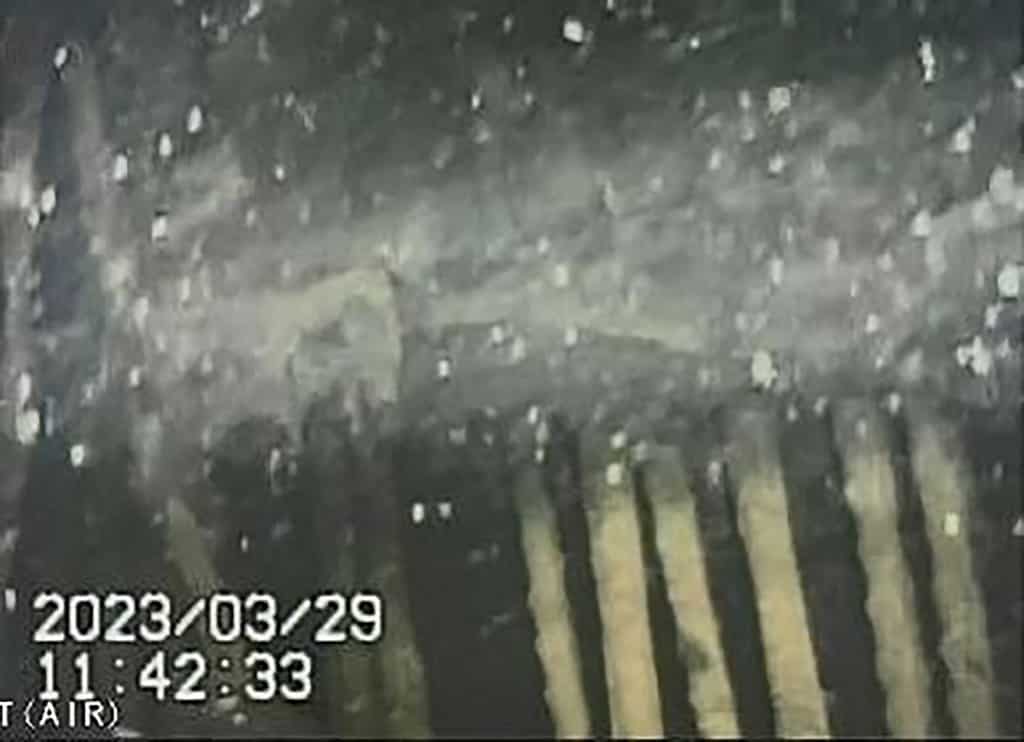
The not-so-clear image released by TEPCO shows the condition of the control rod drive (CRD) replacement opening on the inner wall of the pedestal. The release of the images comes at a time when local residents have voiced concerns about the safety of the precarious structure in the earthquake-prone zone.
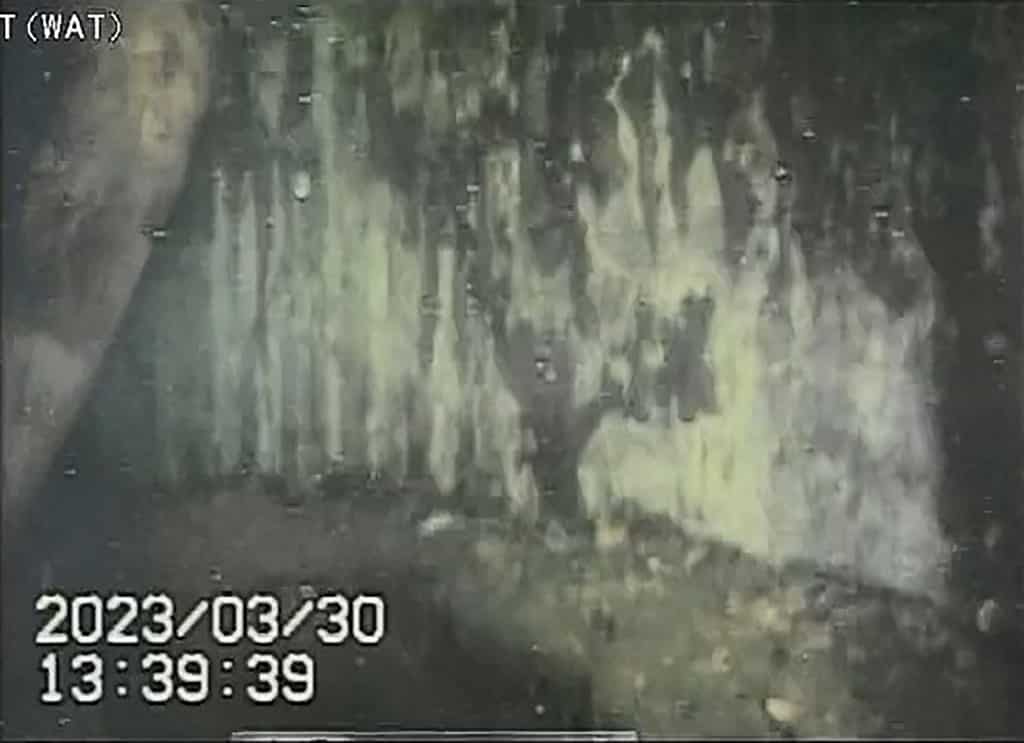
Debris and damage all over
This image taken by the robot shows shelf deposits and wall surface inside the pedestal, a structure supporting the reactor no. 1. According to the scientists, the debris piled roughly 50 centimetres (20 inches) high in the monitored area.
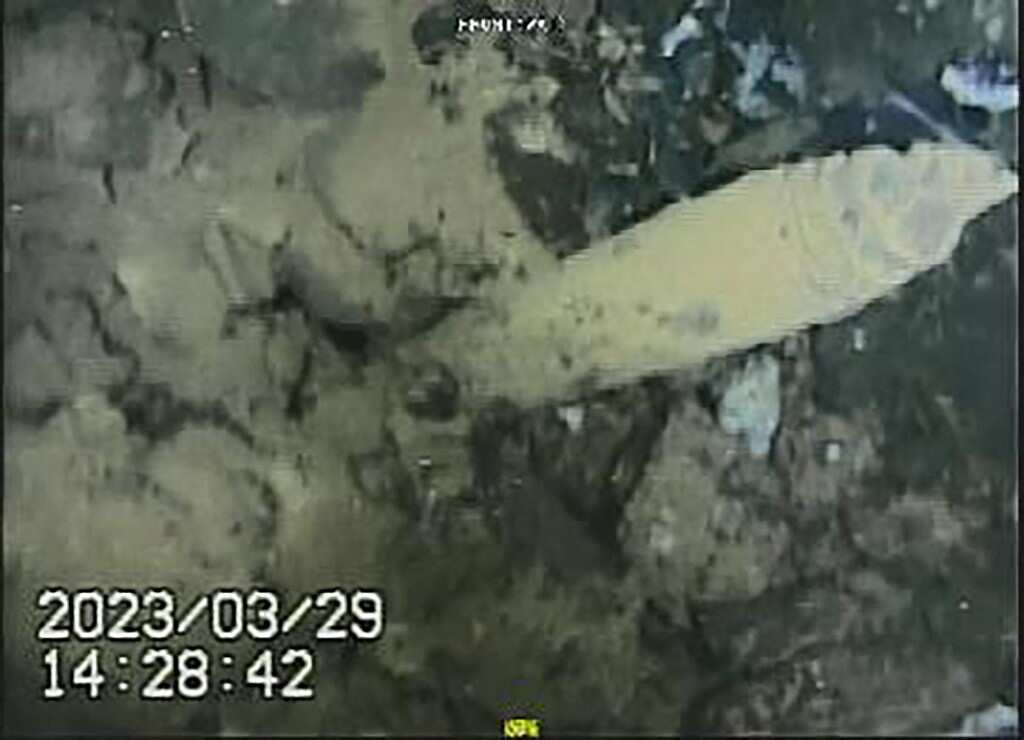
Daunting task ahead
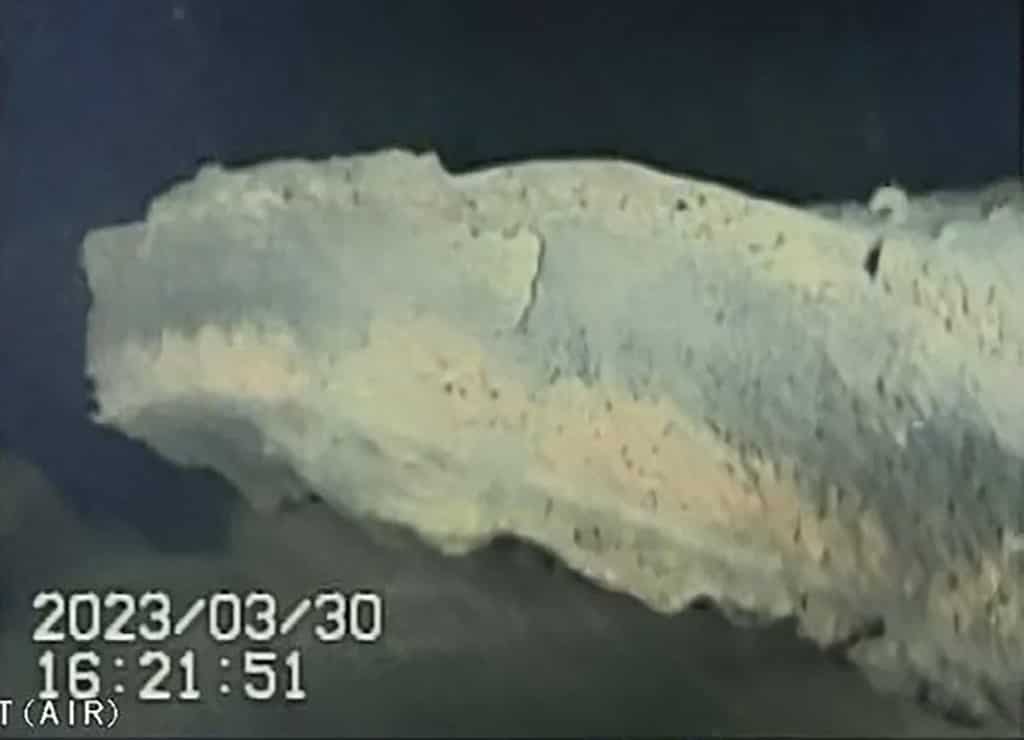
The image captured by the robot showing a rod-shaped structure at the bottom of the pedestal, a structure supporting TEPCO's reactor no. 1. The screengrab of the video show the mammoth task that lies ahead for the Japanese authorities to decommission the plant.
Fukushima governor pressed for the probe
It was Fukushima Governor Masao Uchibori that applied pressure on the Japanese government, especially TEPCO to conduct the evaluation so as toe gauge if it was safe to dismantle the plant.
"Because of the high radiation levels inside the reactors, I understand that robots that use semiconductors do not function as well as they are designed," he told the reporters.
Full decommissioning make take years
According to TEPCO and Japanese government, based on the images and video surveillance, it may take 30 to 40 years to remove molten fuel from the facility and clean it thoroughly.
)
)
)
)
)