In pics | How India celebrates Dusshera

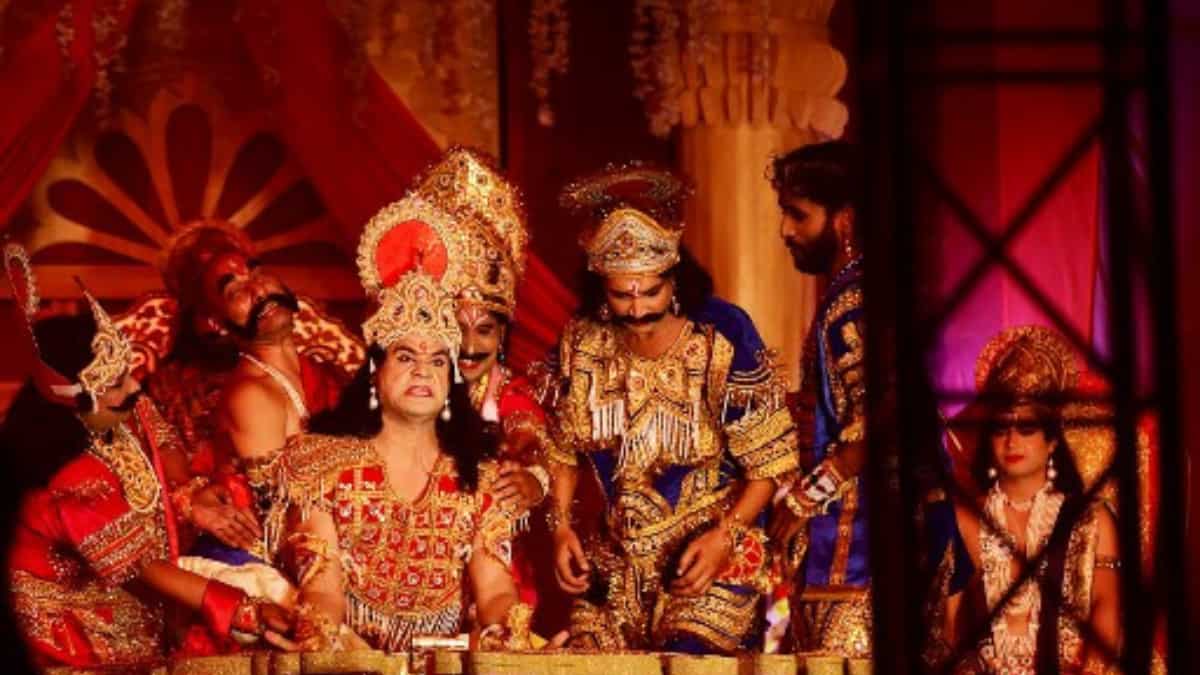
History and significance
The word 'Dusshera' is derived from the Sanskrit words 'Dasha', which means' ten ',' and 'hara', meaning' defeat. '
The festival describes its origin from the Ramayana, which states Lord Ram, Lord Vishnu's eighth avatar, killed the ten-headed Ravana, who kidnapped Lord Rama's wife Sita.
However, just as Dussehra is celebrated in the North, many places in the South celebrate this festival to honour Goddess Saraswati (Goddess of Knowledge and Arts).
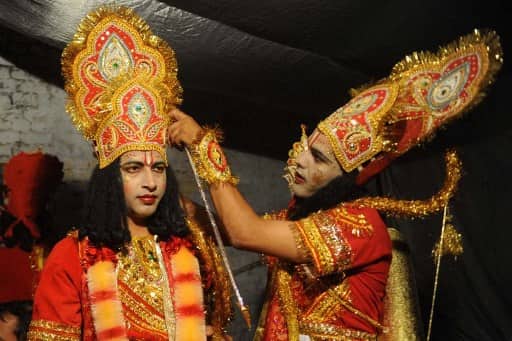
The festivities begin
Dusshera is one of the major festivals in India.
The depiction of Ramayana begins nine days prior to Dusshera and depicts Lord Rama's life and how he prevailed in victory over Ravana in the form of a skit, known as Ramleela.
A play is performed all over India, from villages to towns, it's everywhere.
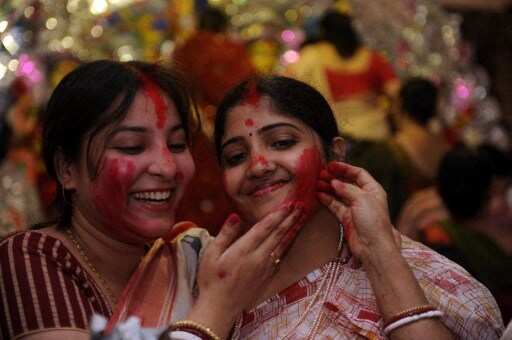
Colors of victory
All across India, people celebrate this festival in different ways. Most North Indian states celebrate this festival, from praising Goddess Durga, Saraswati, and Lord Rama to lighting diyas in temples and homes.
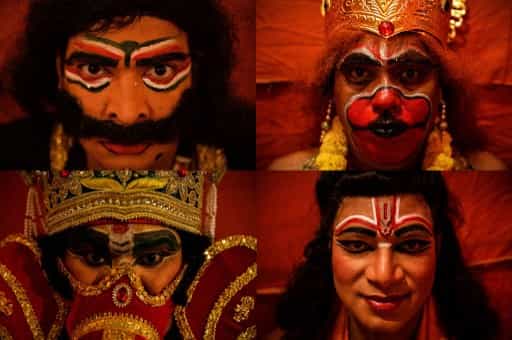
Delhi's grand Dusshera celebration
Delhi celebrates Dusshera in the grandest way. Every year, melas are organised by different groups which have rides, food, and, of course, Ramleela.
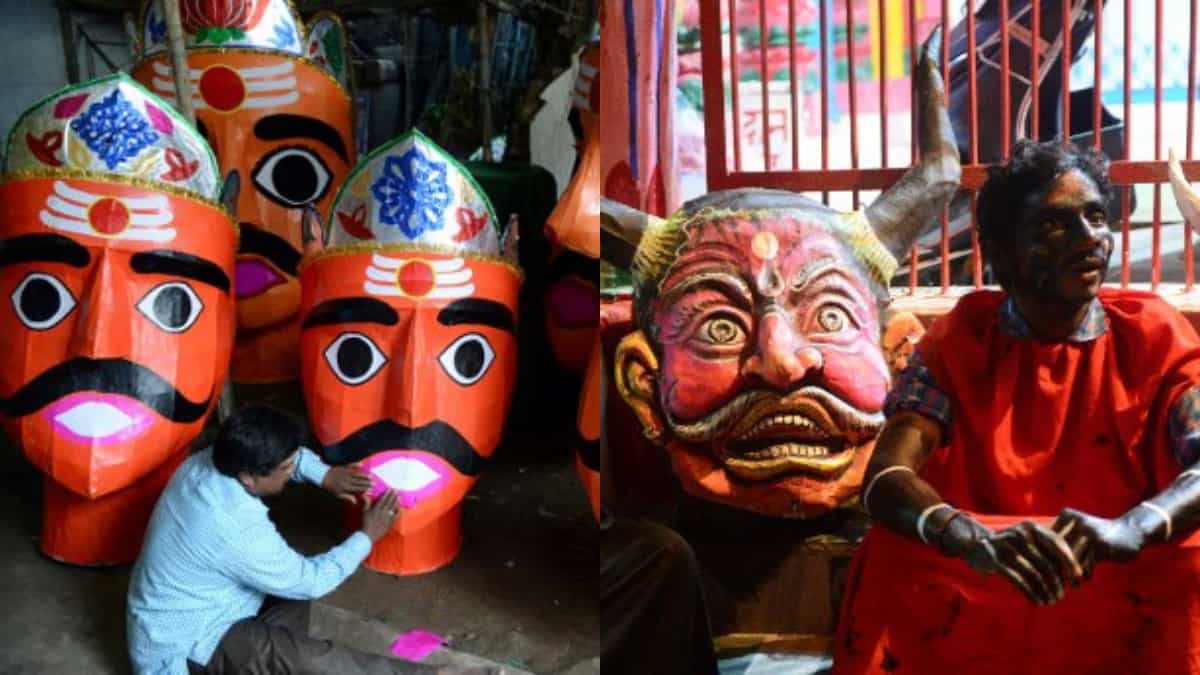
Ravana in making
Every year on Dusshera, people build a huge Ravana effigy filled with a few crackers in it, which is later burned to declare that the truth always wins over evil.
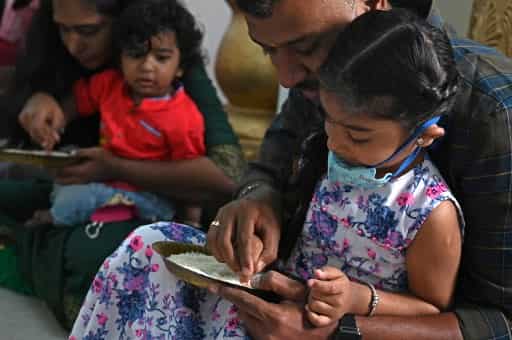
To fresh start
It is considered to be an auspicious day for beginnings. Whether you want to buy something or start a new project, Dusshera is a perfect fit for it.
People give gifts and sweets to their family and friends.
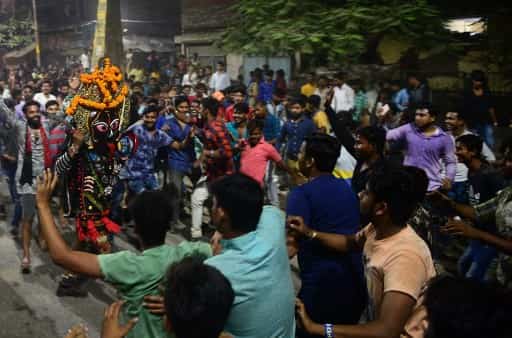
Dusshera across world
Not just in India, this festival is celebrated in Nepal, Indoensia and Sri Lanka.
The ituals and ways might be different but the feeling is same.
)
)
)
)
)