In Pics | Hong Kong celebrates Dragon Boat race first time in four years

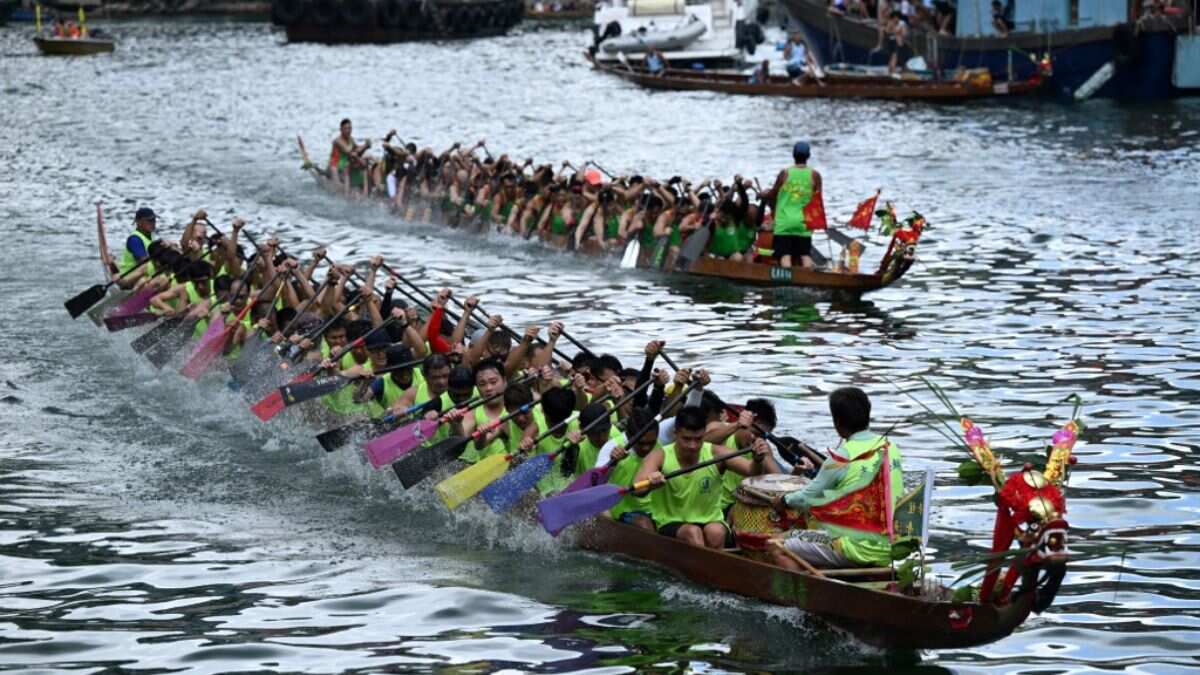
Centuries old Chinese tradition
The Dragon Boat Festival, or Tuen Ng in Cantonese, is observed on the fifth day of the fifth month of the lunar calendar year. It is a Chinese tradition that is being celebrated for centuries and was recognised as an intangible cultural heritage by UNESCO in 2009.
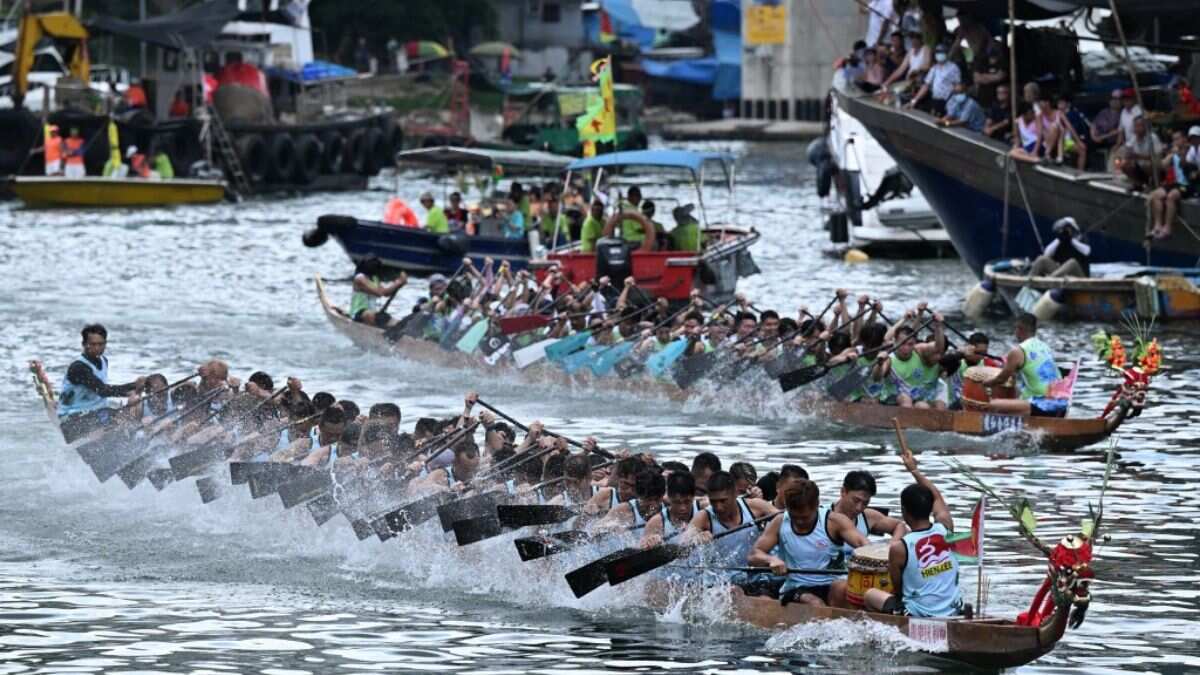
Restrictions prevented celebrations
As quoted in an AFP report, a volunteer organiser said that the event never stopped existing but was being celebrated on a very small scale during COVID. This year, celebrations took place at the main beach in Stanley as the restrictions were lifted in March.
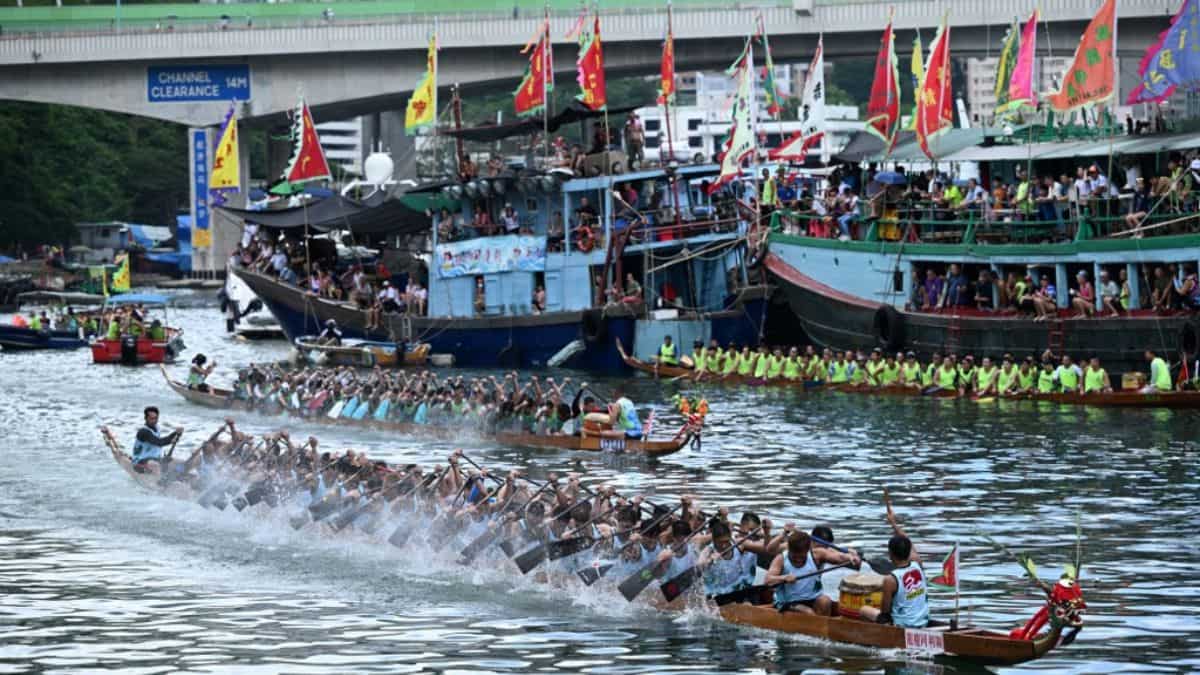
Thousands showed up
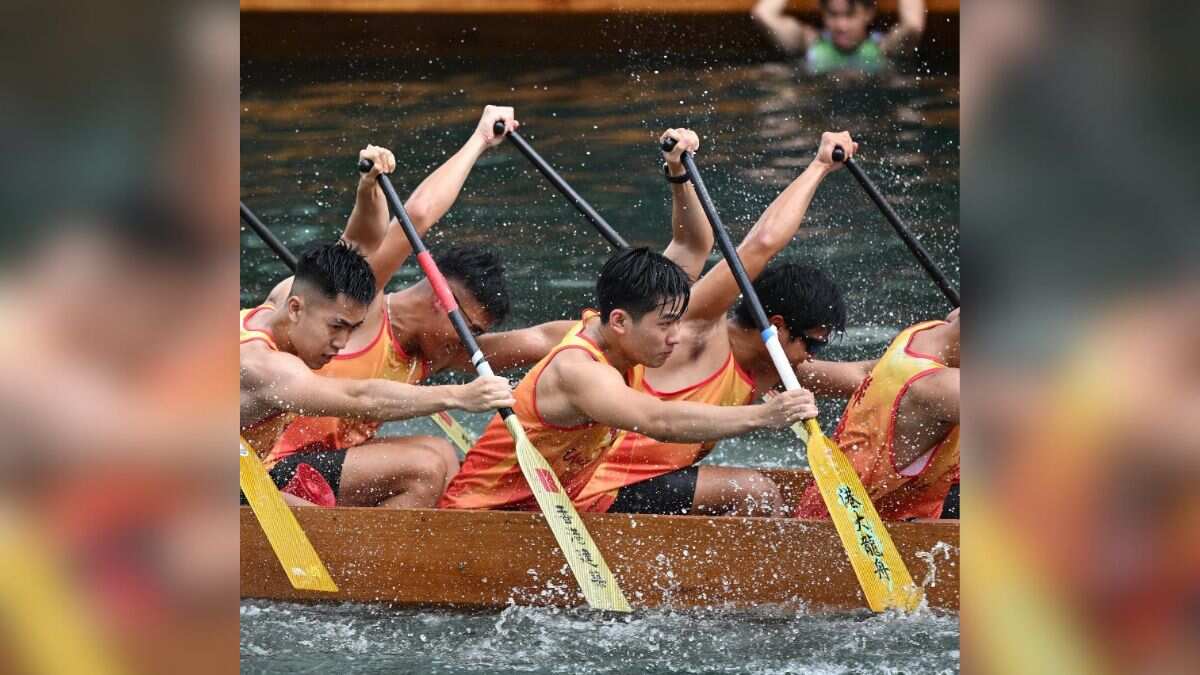
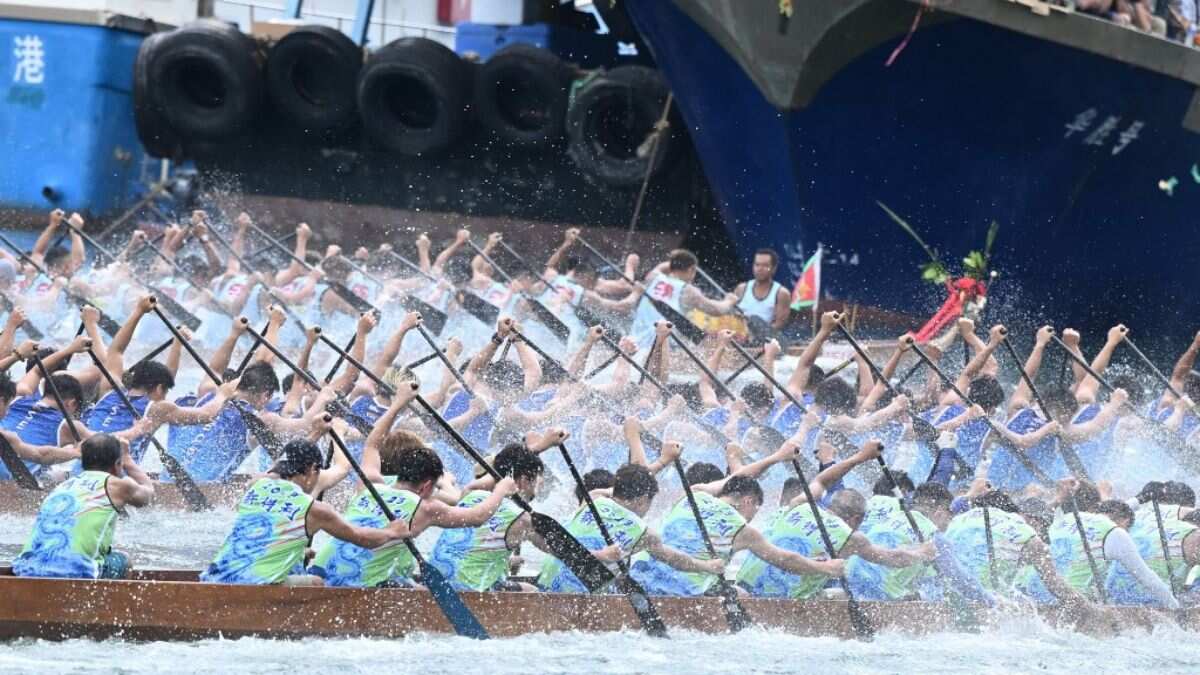
Even though the city is experiencing high temperatures, over 4,000 paddlers and 160 teams from China, Taiwan, and other nations showed up for the Dragon Boat Festival race competitions.
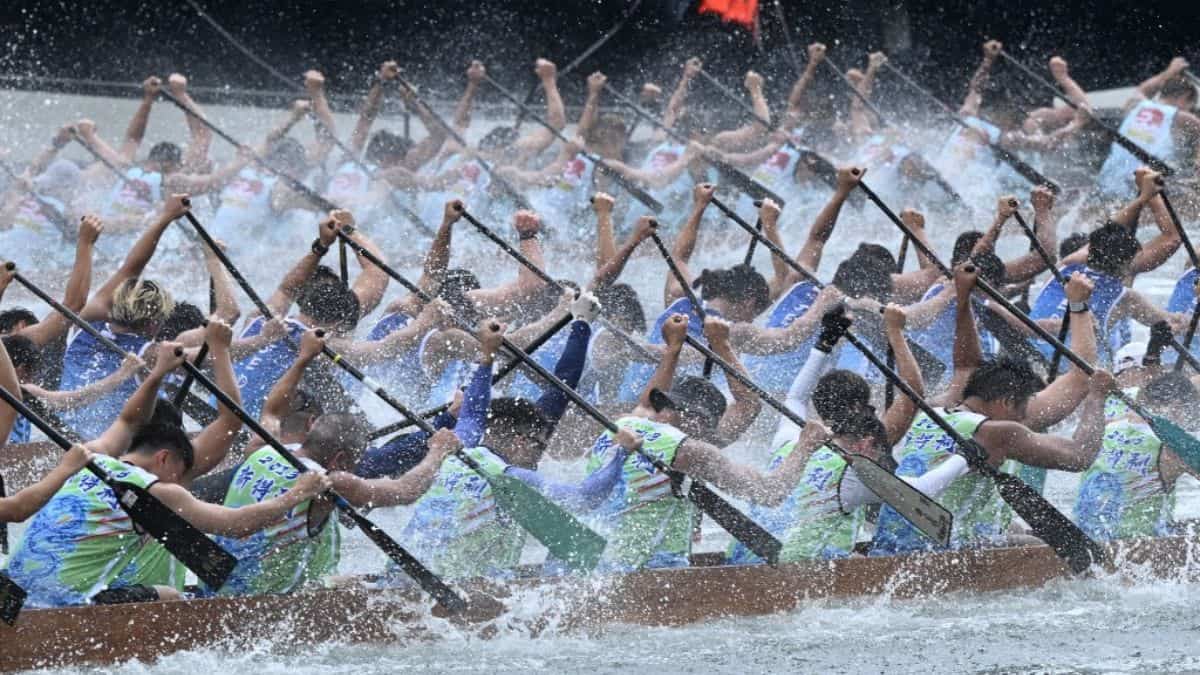
The dragon boat race
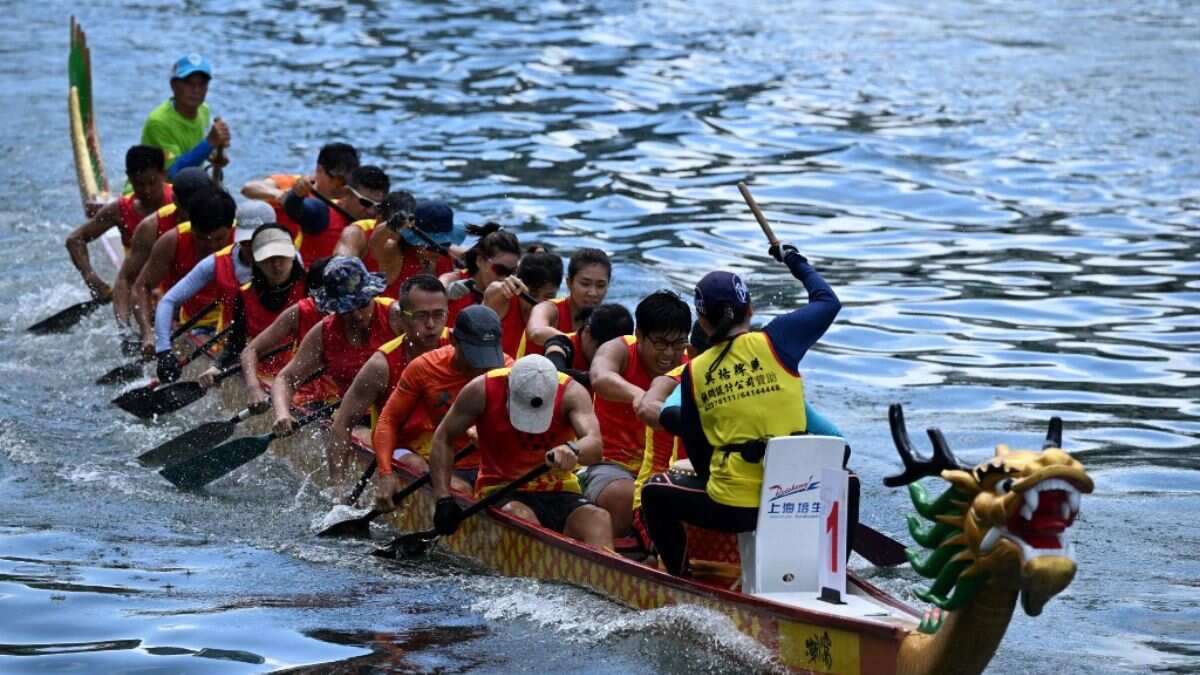
The teams can be seen competing in long boats decorated with vibrant coloured dragon heads as a part of celebrations for the Tuen Ng festival in the Aberdeen typhoon shelter in Hong Kong.
Boosting tourism and economy
After the Hong Kong borders were closed for over two years to prevent the spread of coronavirus, hosting the festival this year will help the government in boosting tourism and the economy as it attracts people from all over the world.
The origin of festival
The origin of the festival dates back more than 1,000 years ago in the southern Lingnan region of China. About 40 years ago, the modern version of the celebrations started in Hong Kong, a special administrative region in China with the first official race being held in 1976.
The folklore
As per local folklore, the festival is celebrated to commemorate the death of Qu Yuan, a Chinese poet of the Warring States period who was falsely accused of treason and drowned himself in a river. The festival is observed in the Chinese mainland and many other regions like Hong Kong, Macao and Taiwan and countries having large Chinese diasporas like Singapore and Malaysia.
)
)
)
)
)