In Pics | Heavy floods wreak havoc in Haiti

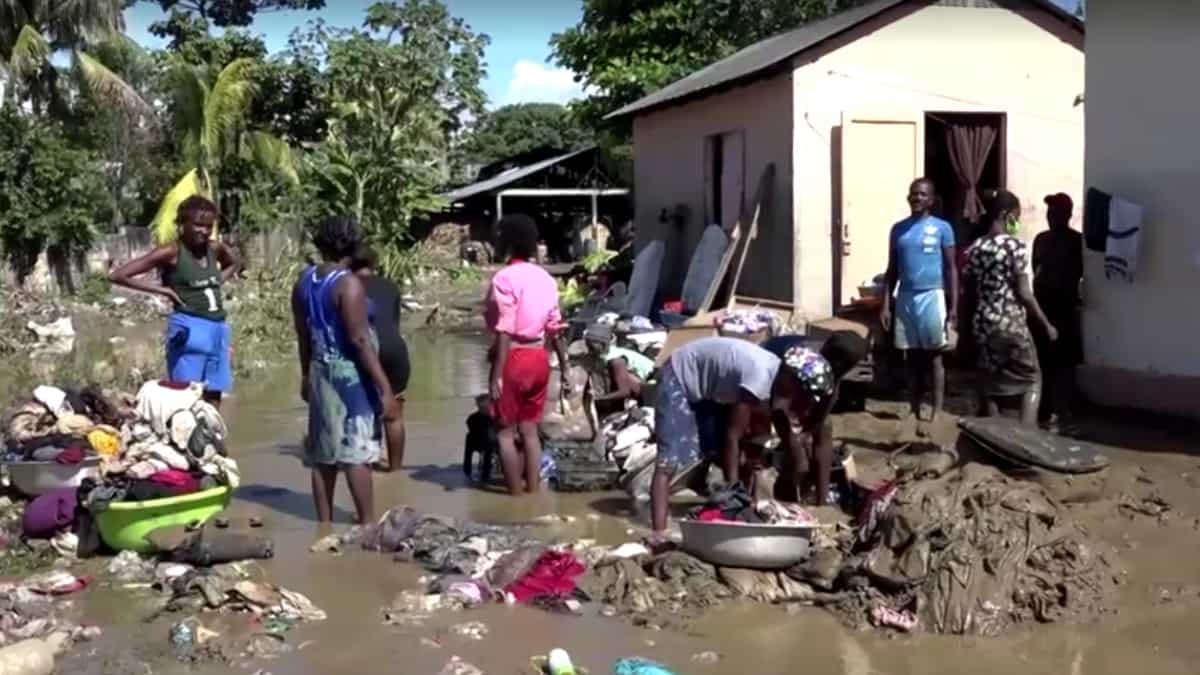
Flood causes massive damage
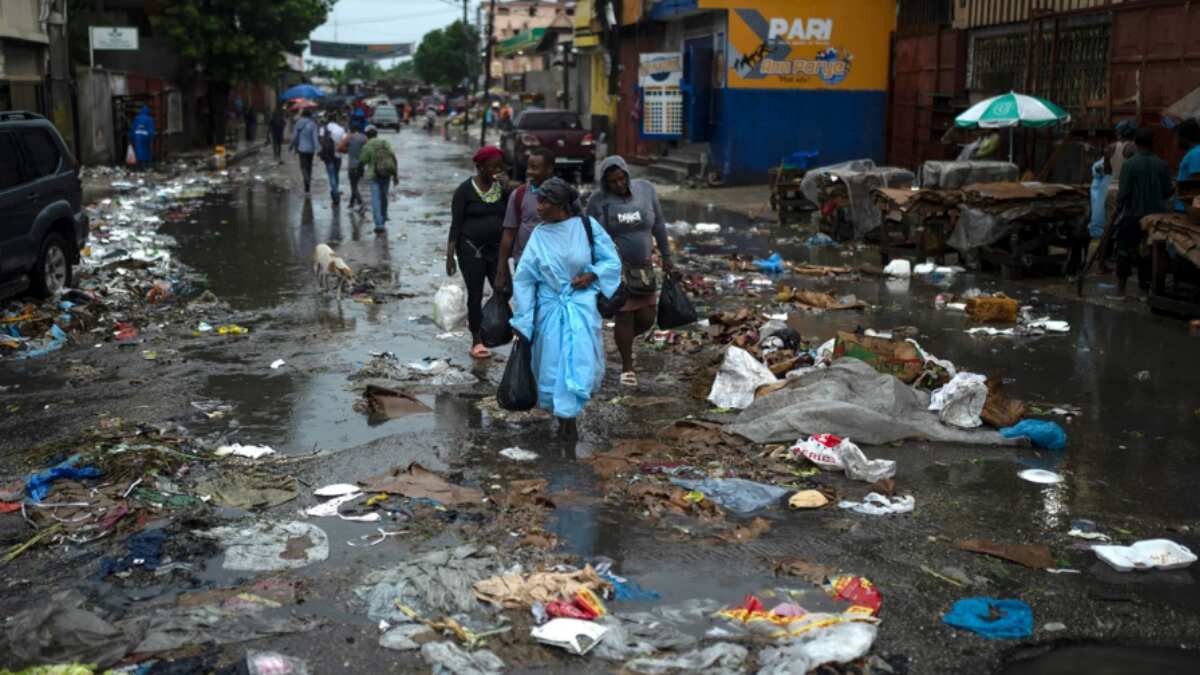
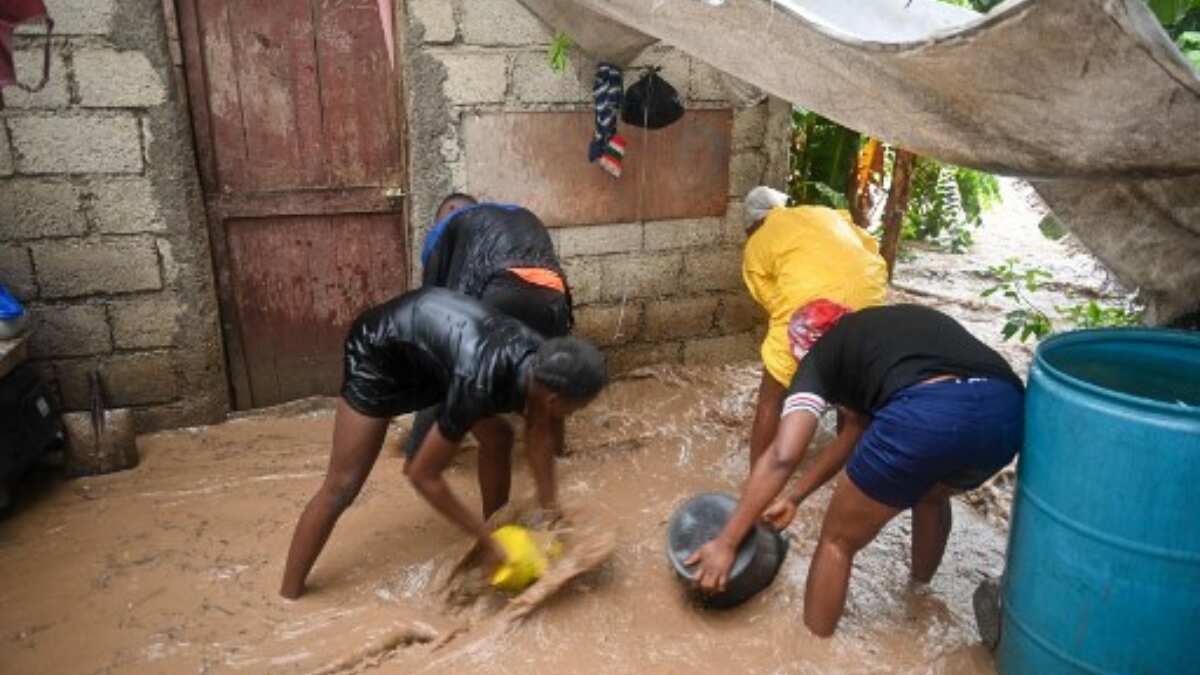
According to Haiti's Civil Protection Agency, the flood has caused massive damage and has turned streets of Haiti into a raging river. The flood also caused significant damage to crops in Haiti's central region.
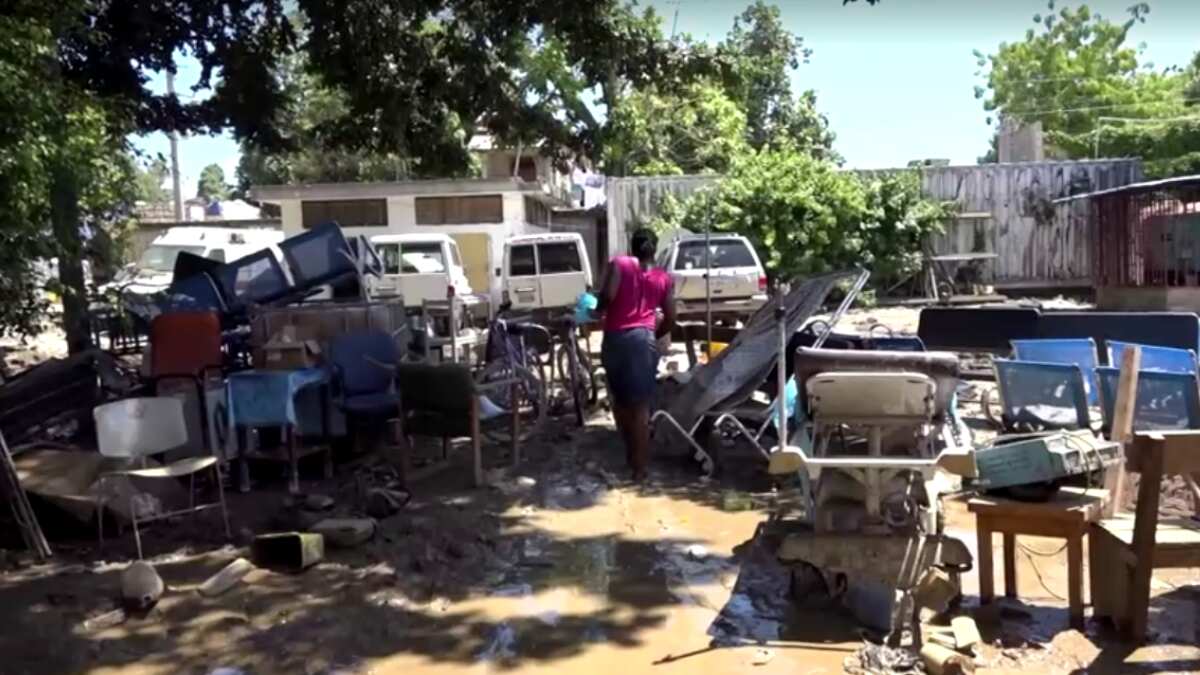
Thousands displaced
Nearly 13,400 people were forced to relocate to other parts of the city due to the heavy floods. More than 7,400 families have reported damages. Officials are still assessing the impact of the rains.
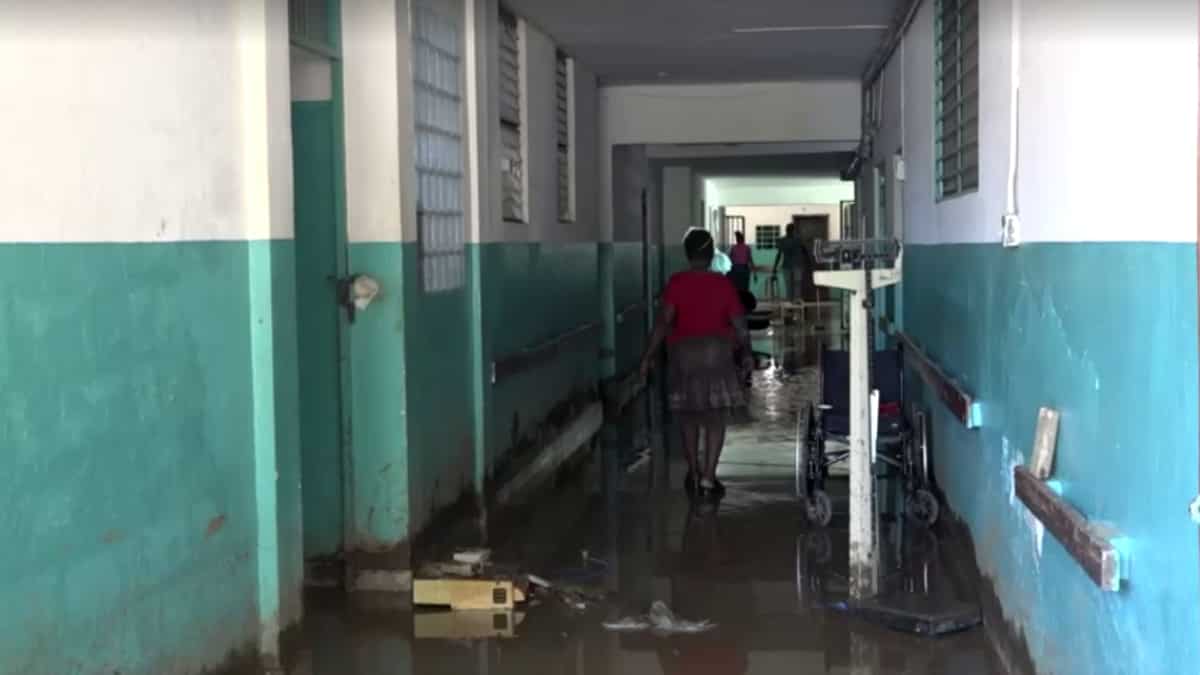
Flooded hospitals
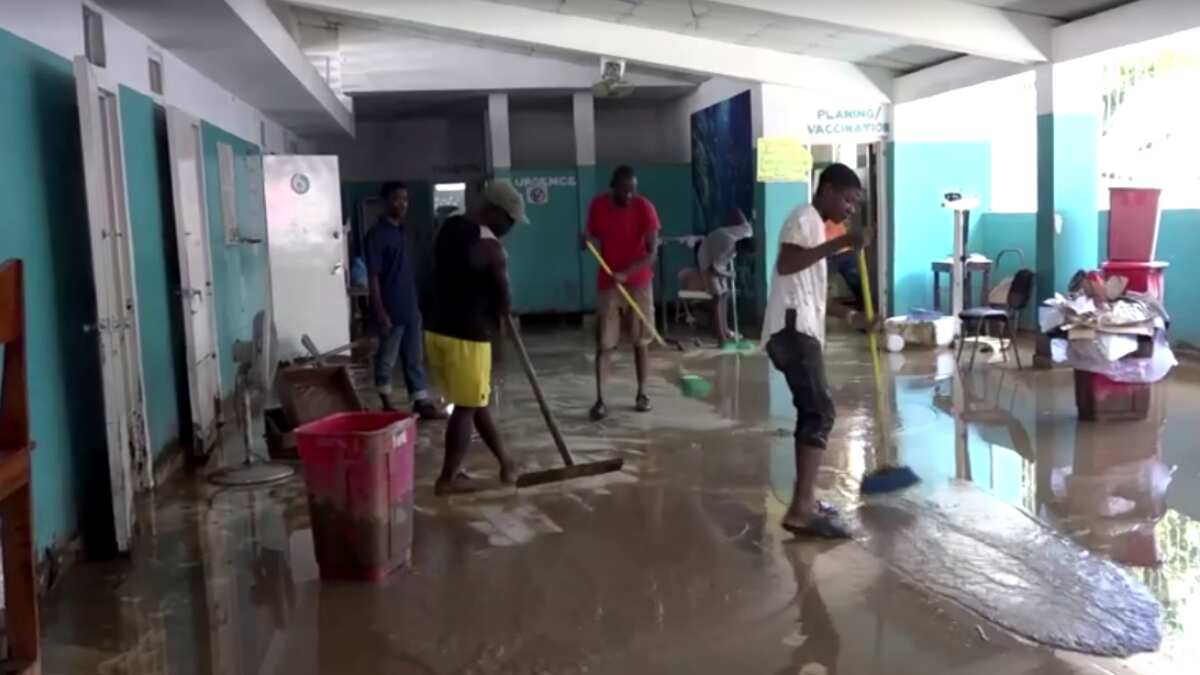
The flood destroyed several infrastructure in Haiti. Hospitals were also destroyed in Haiti as a result of massive flooding. The Head of Emergency Service at St. Croix Hospital, Dr. Bolus Nahomie said that “the whole city of Leogane was flooded, it's the first time we've experienced something like this. Even if before there had been floods, this is the strongest we've experienced here. And throughout the city of Leogane there are several dead and many more missing.”
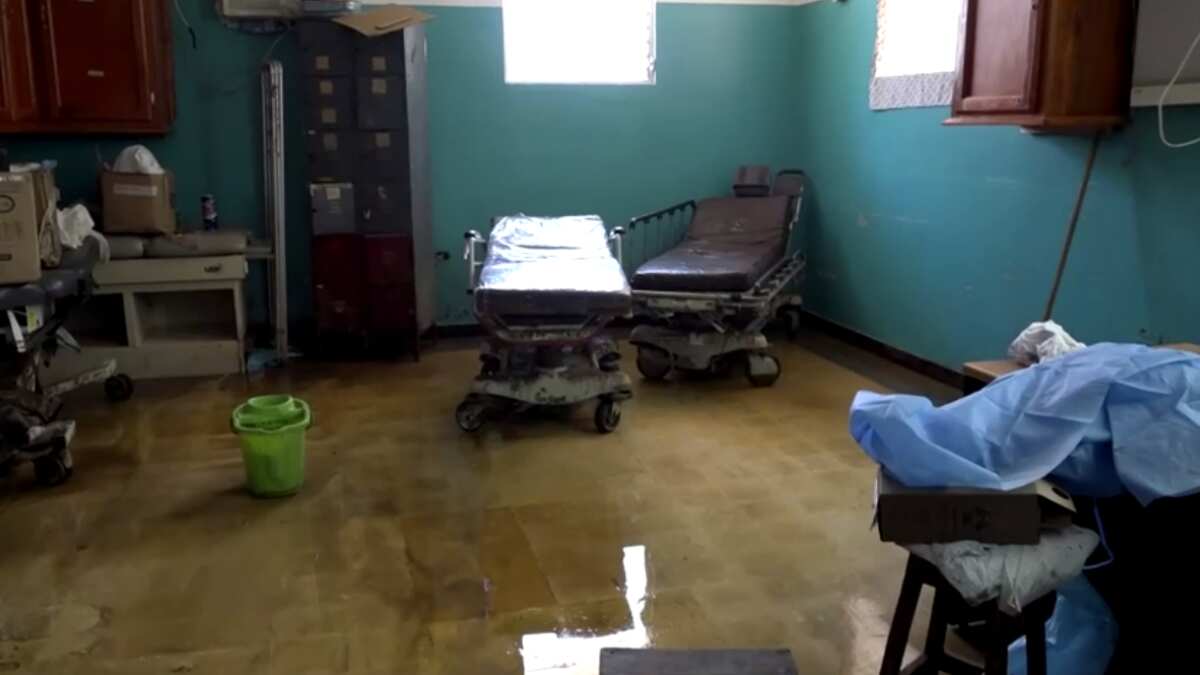
Hospitals destroyed
As a result of the massive flood that hit the Haitian region over the weekend, several infrastructure including hospitals were damaged. At the St. Croix hospital, locals helped wash away the water from rooms and hallways of the hospital. Beds and other objects stood in flooded rooms, while others were laid out in the sun to dry.
Haitian PM tweets on the issue
Following the natural disaster that hit Haiti over the weekend, Haitian Prime Minister Ariel Henry tweeted that “My government, in concert with national and international institutions, is taking urgent measures in order to meet the demands of the hour".
Dependent on humanitarian assistance
In a tweet from the World Food Programme's (WFP) twitter account, WFP stated that “We’ll start providing hot meals to displaced people in the coming hours & are mobilizing ready-to-eat rations & dry food". Emergency response teams and aid organizations have also been mobilized to help those who have been severely affected by the flood.
Danger expected to continue
The UN Office for Coordination of Humanitarian Affairs warned on Monday, June 5 that flooding could resume with more rain in coming days. The danger is expected to continue, especially with the Atlantic hurricane season, which runs from June to November.
As per a statement by the UN Office for Coordination of Humanitarian Affairs, “In the event of another heavy rainfall, the waterlogged soils will be unable to prevent further flooding, rockslides and landslides, and the provisional death toll could rise even higher”.
)
)
)
)
)