In Pics | Gay Pride Parade in Jerusalem faces backlash


The annual Gay Pride Parade
Every year, Israelis take part in the Gay Pride Parade. Israel has always been in a dilemma over the march. It has always been tense and tightly guarded by the police of the city and has resulted in several violent incidents in the past.
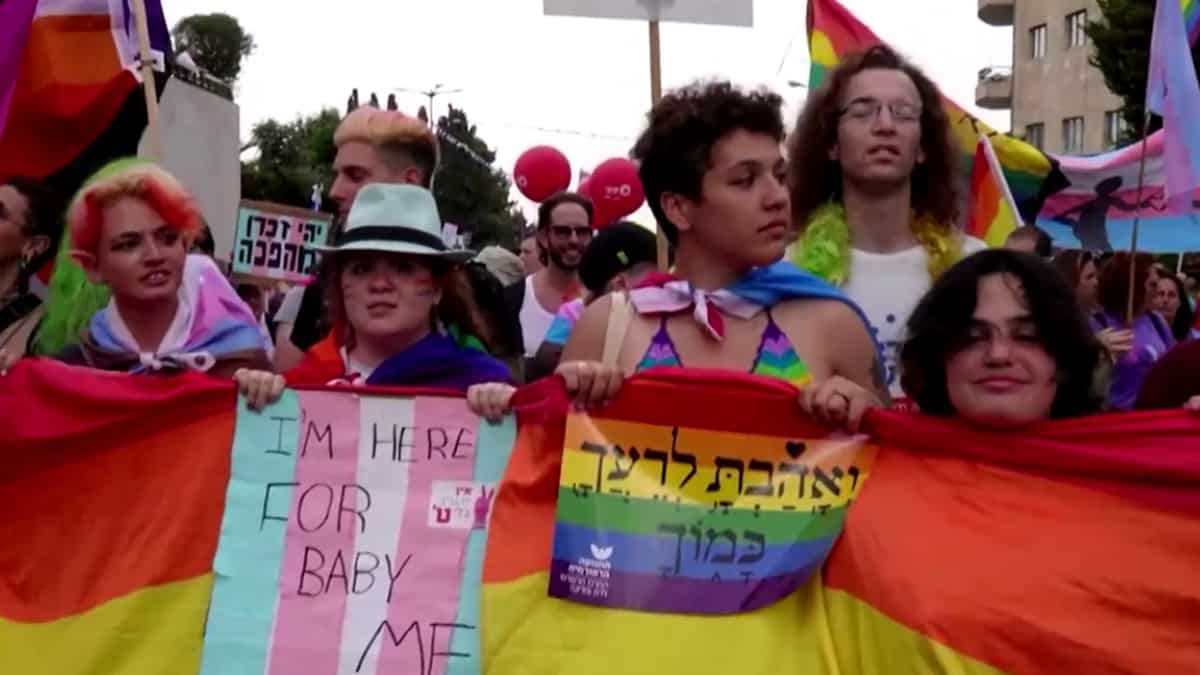
The freedom to walk freely
Alon Sheler, the CEO of the Jerusalem LGBTQ Centre Open House, said that this year's march was less about asking for LGBTQ-friendly policies and more about "being able to walk on the street and not be bullied or to receive physical violence and verbal violence".
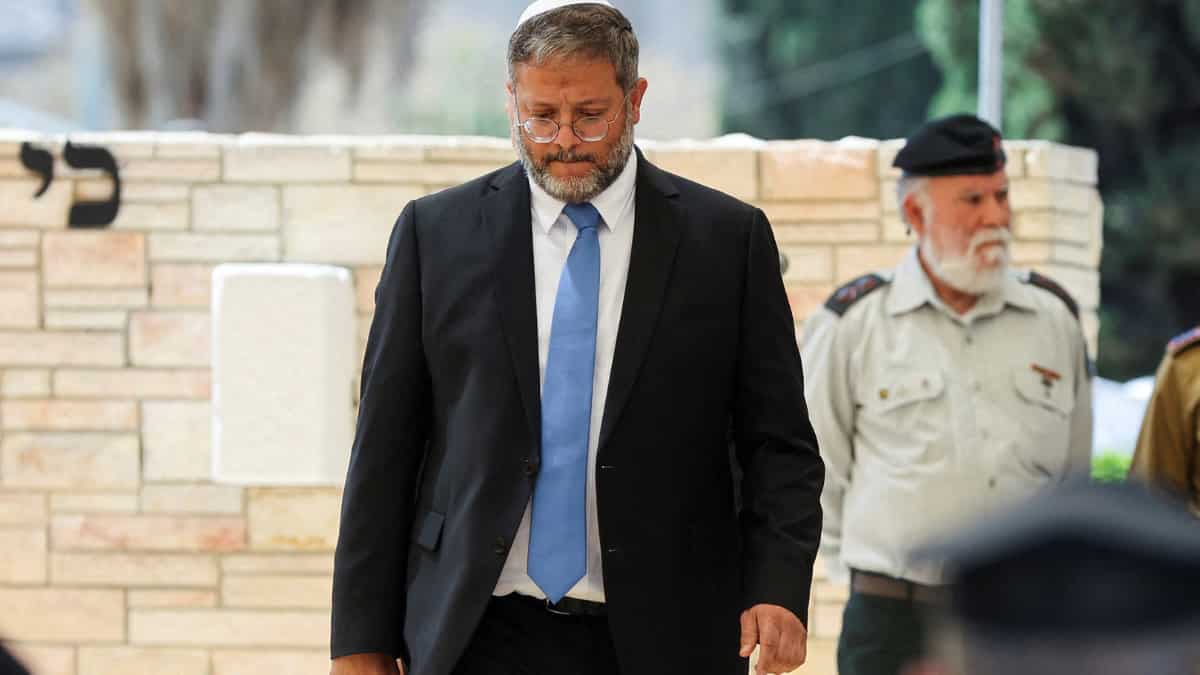
Abomination or brothers?
The present Minister of Police, Itamar Ben-Gvir was present at the venue to maintain law and order as around 30,000 people took part in the annual event. Gvir had previously described the annual event as an 'abomination'. However, upon entering politics, Gvir disavowed his previous comments and described 'homosexuals' as his brothers.
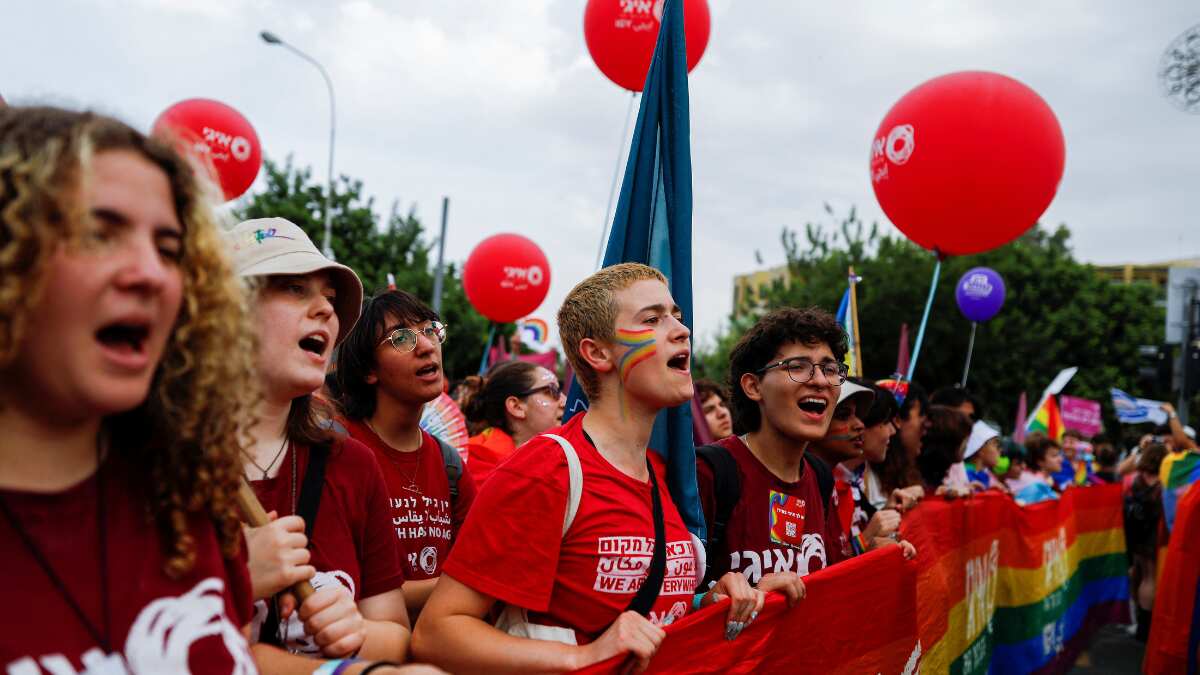
Threats against the marchers
Before the event started, the police detained three people over suspected threats against the marchers. Hamas, the Islamist militant group, also asked Palestinians to 'confront' the Gay Pride Parade.
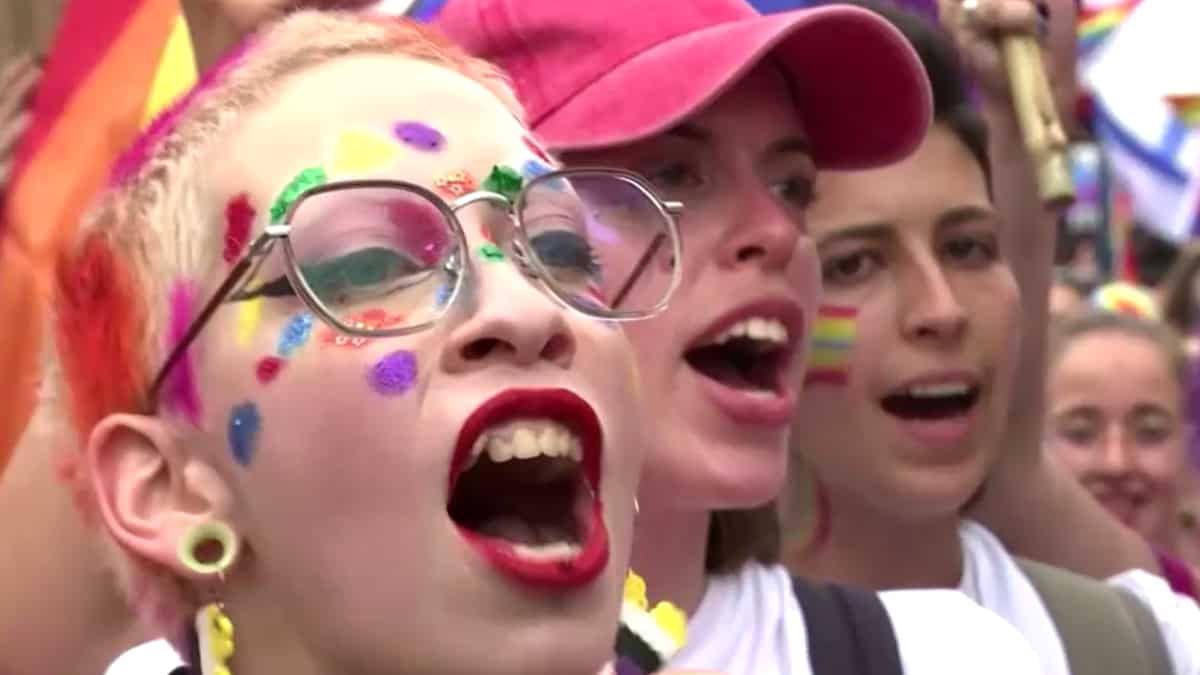
A counter-protest
The Gay Pride Parade also witnessed a counter-protest. Several of them held signs which read "Jerusalem is not Sodom". Benzion Gopshtein, a veteran far-right activist and father-in-law of Ben Gvir's chief of staff, stated that "It's a democratic country and in a democratic country they are marching so we are protesting against it".
Increase in anti-LGBTQ incidents in Israel
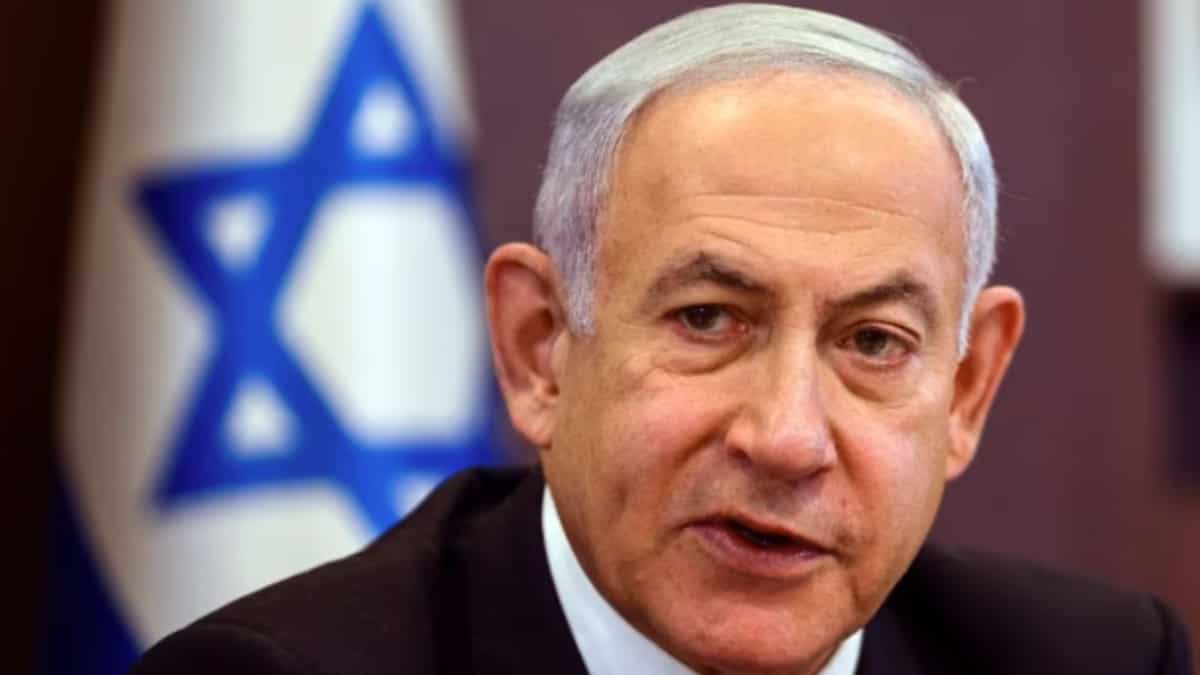
Since Prime Minister Benjamin Netanyahu came to power, the LGBTQ community has reported of several incidents of hate crimes. PM Netanyahu's coalition government, which came into power in December last year, is believed by some to be an ultra-religious party. Despite PM Netanyahu promising to protect the LGBTQ+ community, it has still reported a 400 per cent increase in anti-LGBTQ incidents since he came to power.
)
)
)
)
)