In pics | From Grimus to Quichotte: British-Indian writer Salman Rushdie's finest works

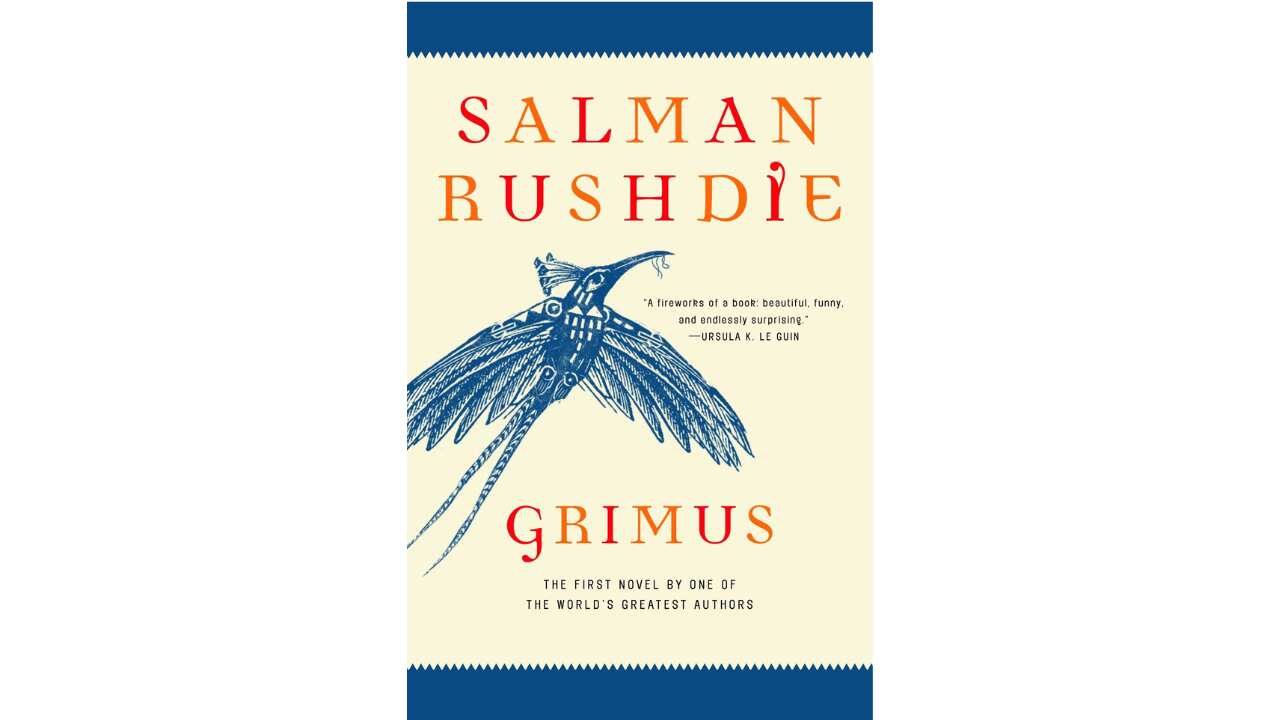
Grimus
Salman Rushdie wrote the fantasy and science fiction book Grimus in 1975. It was his first published work. Flapping Eagle, a young Native American man who acquires the gift of immortality after consuming a magical fluid, is the main character of the novel. Before plunging through a hole in the Mediterranean Sea, Flapping Eagle traverses the planet for 777 years, 7 months, and 7 days after consuming the fluid, looking for his eternal sister and discovering identities.
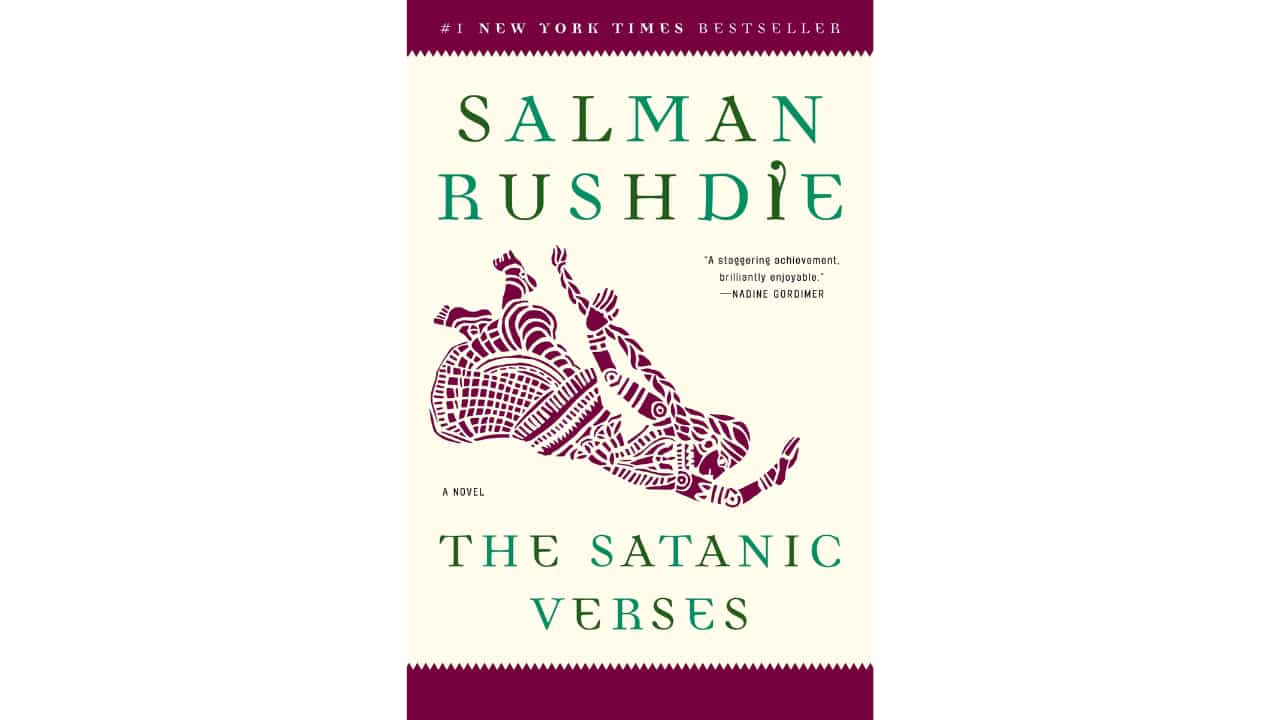
The Satanic Verses
The fourth book by British-Indian author Salman Rushdie is titled The Satanic Verses. The biography of the Islamic prophet Muhammad served as inspiration for the book, which was first published in September 1988. Rushdie used magical realism and based his characters on real-world events and individuals, just like in his earlier works. The Satanic Verses, a collection of Quranic verses that mention three paganic Meccan goddesses named Allt, Al-Uzza, and Mant, are referenced in the title.
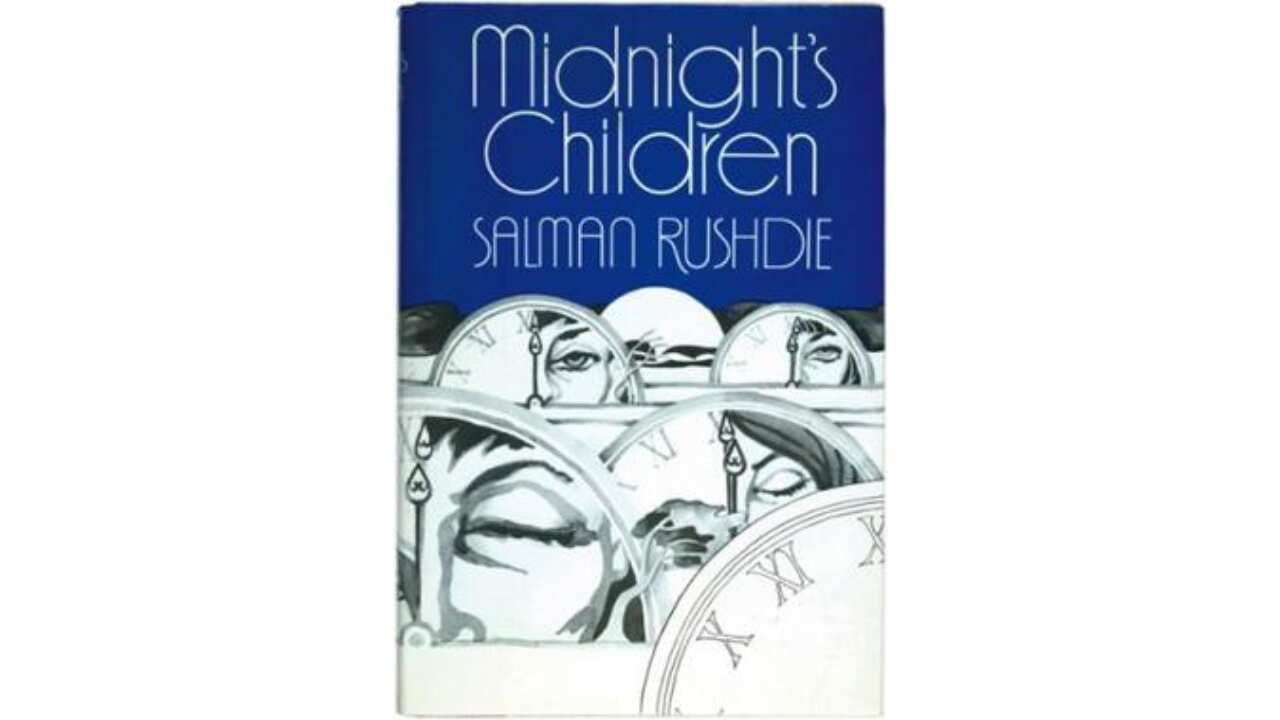
Midnight's Children
In Midnight's Children, a 1981 book by Salman Rushdie depicting India's journey from British colonial control to independence and division, Bill Botten created the book's cover. Saleem Sinai, the main character, tells a postcolonial, postmodern, and magical realist tale that is set in a historical setting. With fictional tales, history is preserved in a self-reflexive manner.

Shame
Salman Rushdie's third book, Shame, was released in 1983. When Pakistan was established to divide the Muslims from the Hindus after Britain relinquished control of India, the author wanted to address the issue of "artificial" country divisions, the complicity of those countries' citizens, and the issues associated with post-colonialism.
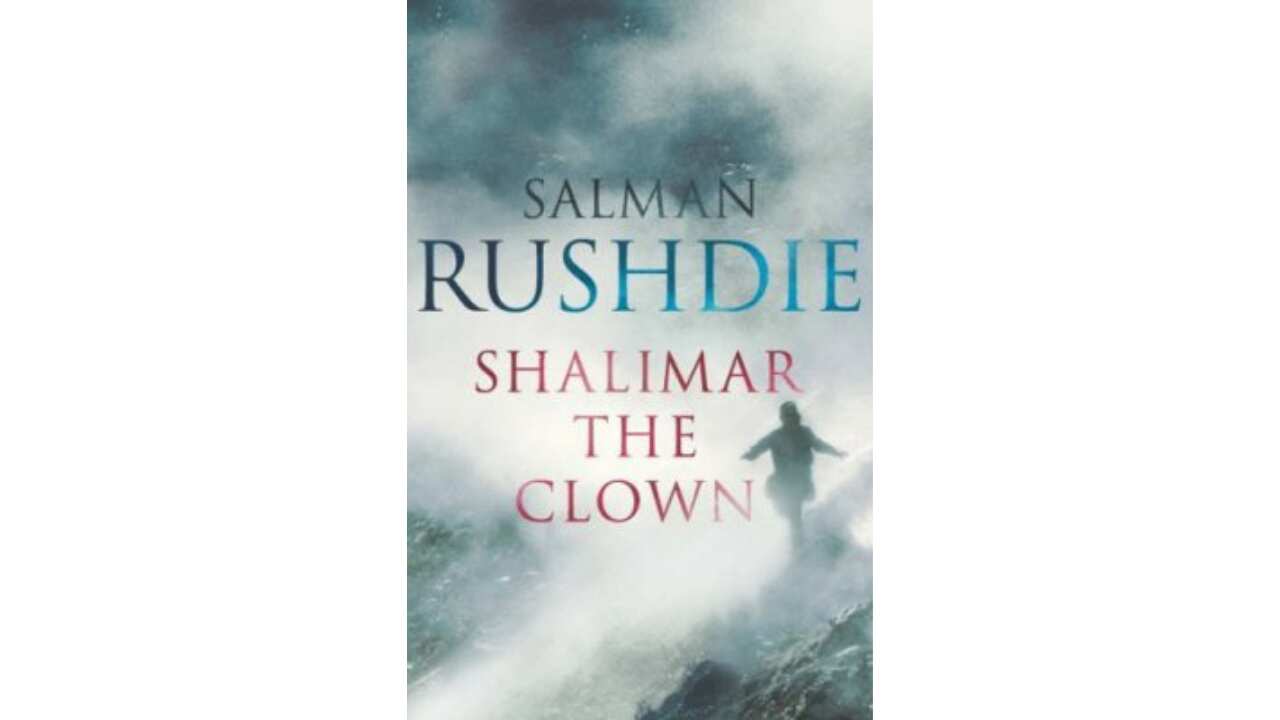
Shalimar the Clown
Salman Rushdie published his book Shalimar the Clown in 2005. Rushdie worked on the book for four years before it was finally finished and published on September 6, 2005, by Jonathan Cape. The Shalimar Gardens, which are close to Srinagar, are where Shalimar the Clown gets its name. Srinagar is one of many Mughal Gardens that were constructed throughout undivided India while the Mughals ruled the region.
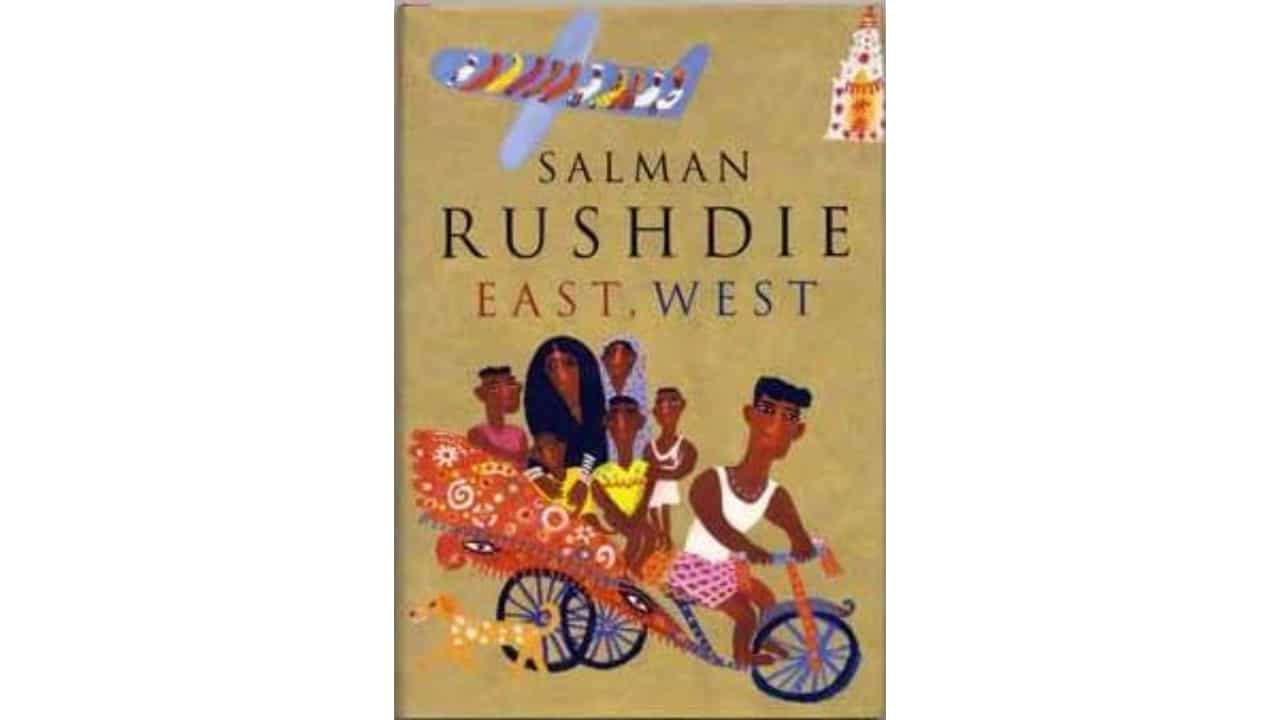
East, West
Salman Rushdie published a collection of short stories called East, West in 1994. The book is organised into three main sections, "East," "West," and "East, West," each of which includes stories from a different region of the world (in the "East, West" section both worlds are influenced by each other). It is widely believed that the main themes of each of Rushdie's stories in 'East, West' are drawn from his own experiences as an immigrant in England at the time of the fatwas issued against his life, despite the fact that Rushdie himself never revealed the actual inspirations for his works.
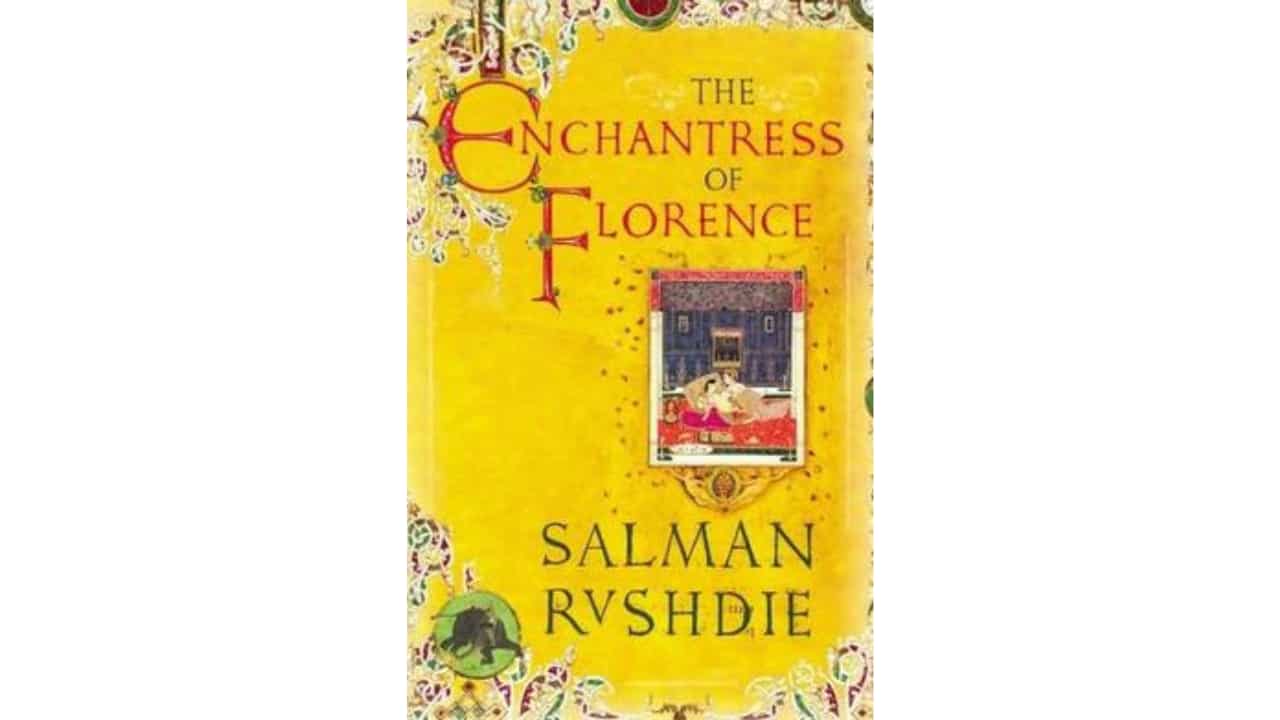
The Enchantress of Florence
Salman Rushdie's tenth book, The Enchantress of Florence, was released in 2008. Rushdie claims that this is his "most researched book" and that it took him "years and years" to read. The Mughal emperor Akbar's court is visited by a European who claims to be a long-lost relative of Akbar who was born of an exiled Indian princess and an Italian from Florence. This is the core plot of The Enchantress of Florence.
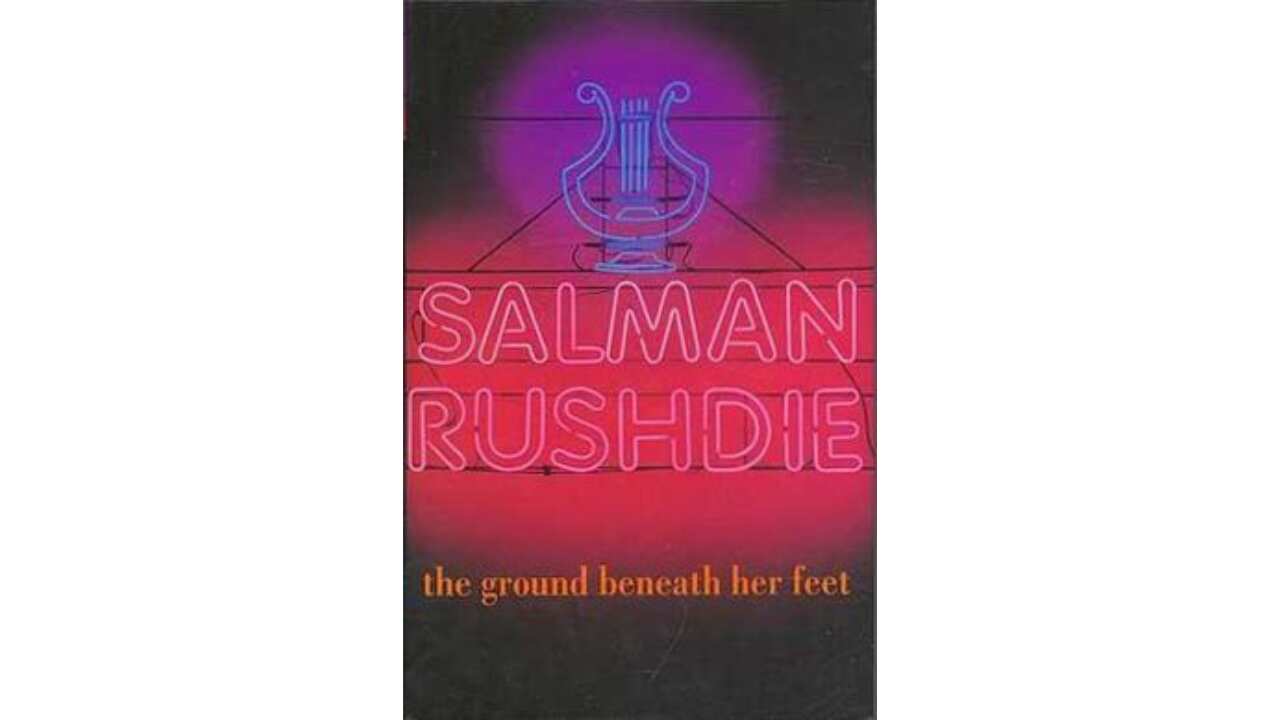
The Ground Beneath Her Feet
The sixth book by Salman Rushdie is titled The Ground Beneath Her Feet. It is a version of the Orpheus and Eurydice myth that was published in 1999, however instead of Orpheus' lyre, it uses rock music. The myth serves as a unifying theme, from which the author occasionally strays but to which he continuously ties references.
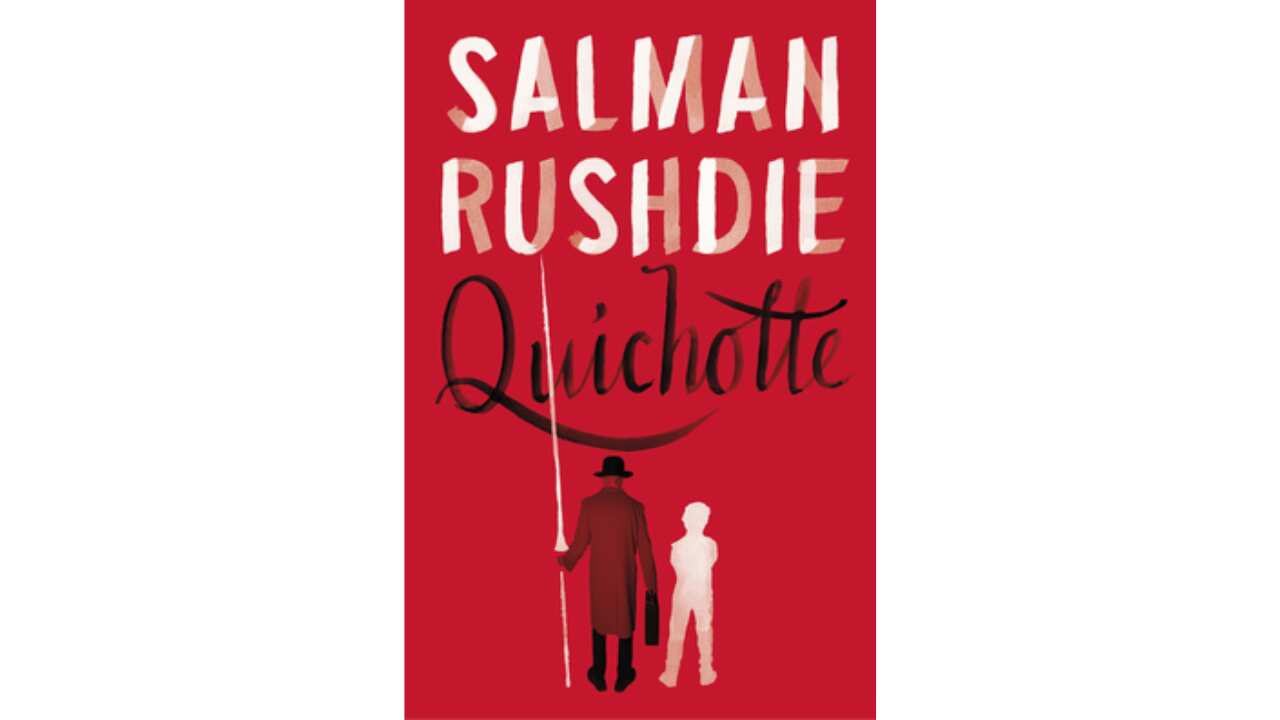
Quichotte
Salman Rushdie's 2019 book Quichotte was published. His fourteenth book was released on August 29, 2019, by Penguin Books India in India and Jonathan Cape in the United Kingdom. By Random House, it was released on September 3rd in the US. The classic novel Don Quixote by Miguel de Cervantes served as the inspiration for the metafictional work Quichotte, which follows an Indian-American guy who is hallucinating as he crosses the country in search of a celebrity television personality with whom he has developed an obsession.
)
)
)
)
)