In Pics | Fascinating secrets and treasure discovered at the site of sunken temple off Egypt's coast

Egypt
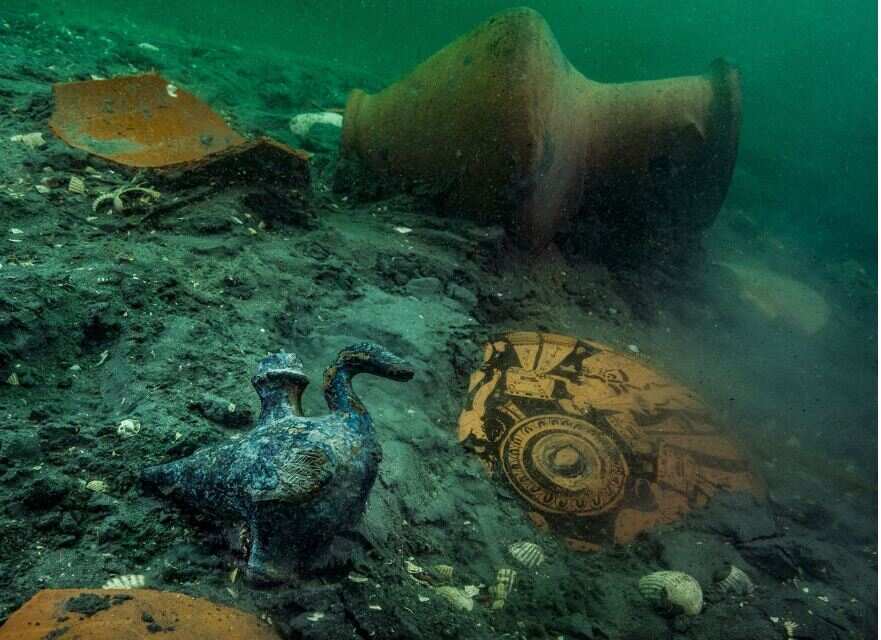
The team investigated the city’s south canal, where huge blocks of stone from the ancient temple collapsed “during a cataclysmic event dated to the mid-second century BC,” the institute said. The temple to the god Amun was where pharaohs came “to receive the titles of their power as universal kings from the supreme god of the ancient Egyptian pantheon,” it said. (Source: Milti Foundation)
Egypt
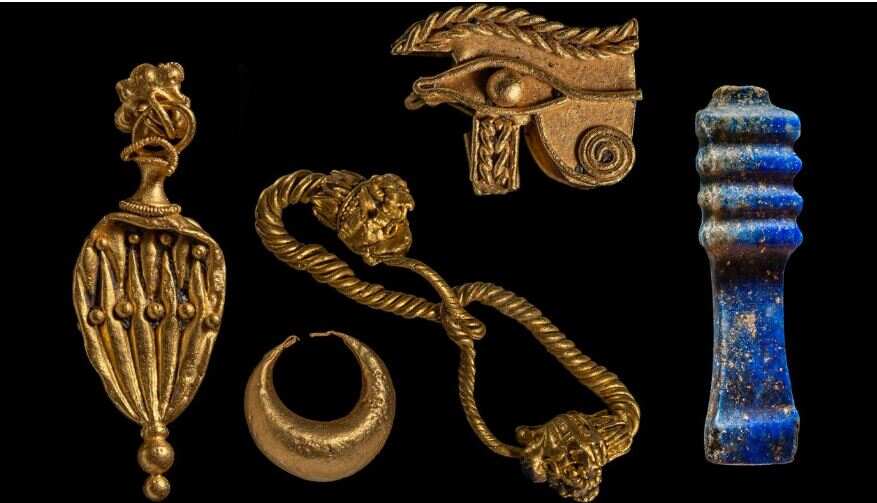
“Precious objects belonging to the temple treasury have been unearthed, such as silver ritual instruments, gold jewelry and fragile alabaster containers for perfumes or unguents,” IEASM said. “They bear witness to the wealth of this sanctuary and the piety of the former inhabitants of the port city,” it added. (Source: Milti Foundation)
Egypt
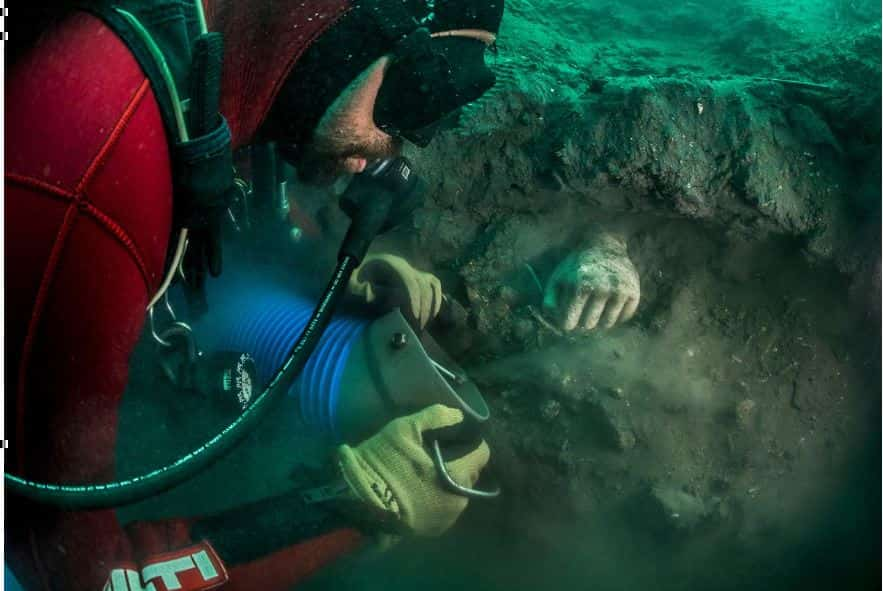
The archaeological excavations, conducted jointly by Goddio’s team and the Department of Underwater Archaeology of the Ministry of Tourism and Antiquities of Egypt, revealed underground structures “supported by very well-preserved wooden posts and beams dating from the 5th century BC,” the institute said. “It is extremely moving to discover such delicate objects, which survived intact despite the violence and magnitude of the cataclysm,” said Goddio, who is president of IEASM and director of excavations. (Source: Milti Foundation)
Egypt
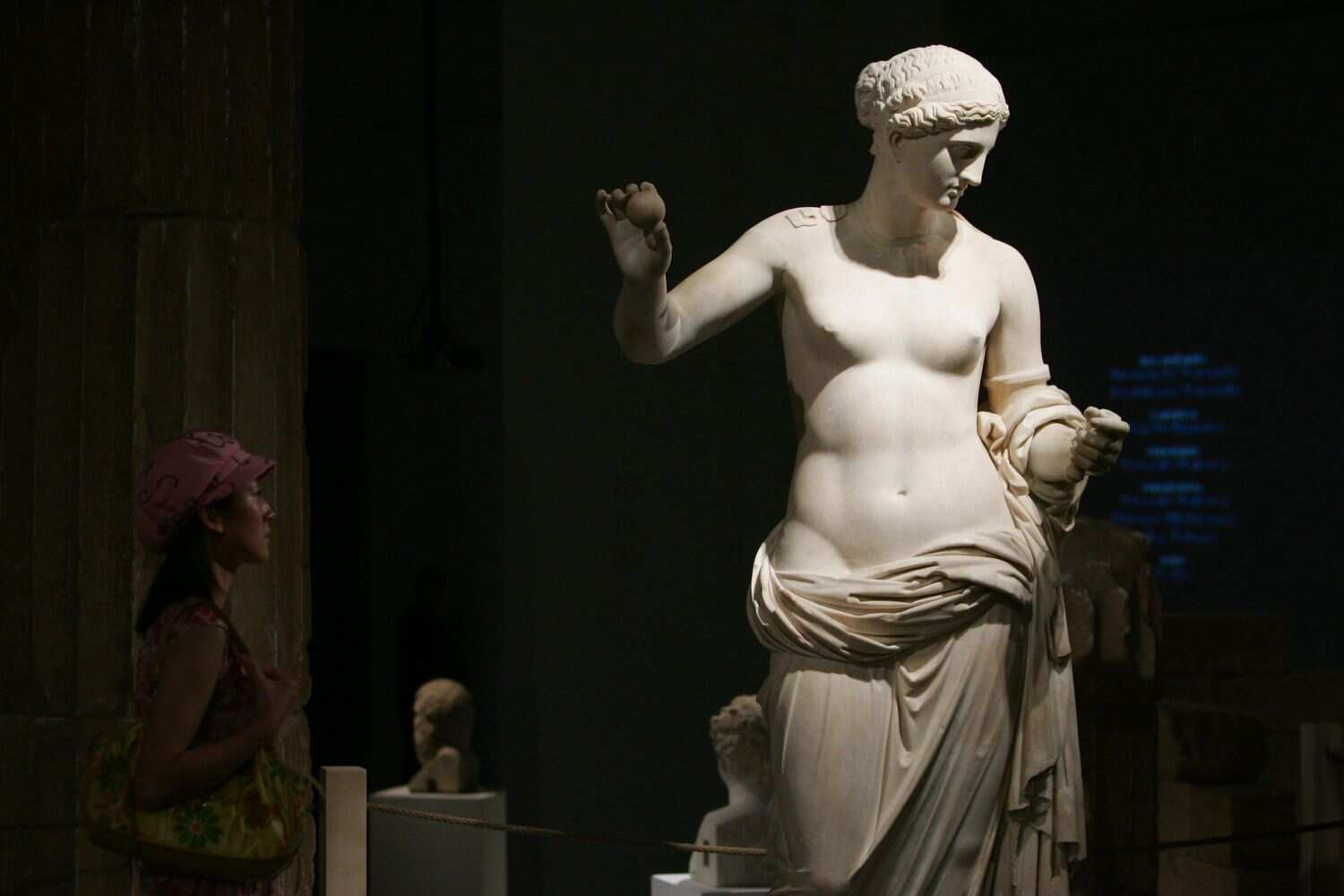
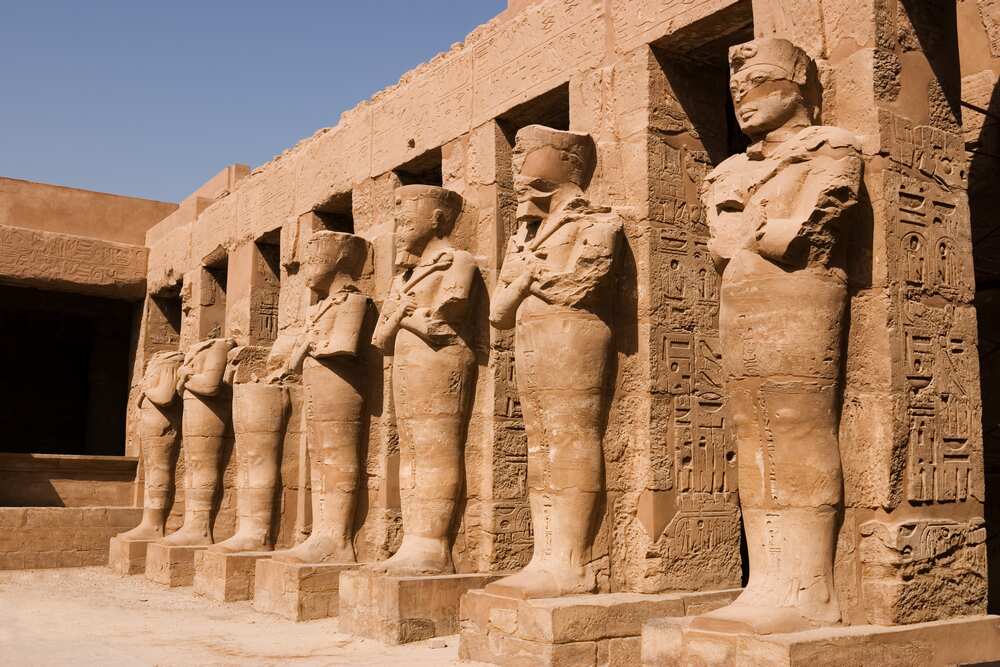
East of the temple, the archaeologists also discovered a sanctuary devoted to Aphrodite, a Greek goddess dedicated to beauty and sexual love. “This illustrates that Greeks who were allowed to trade and settle in the city during the time of the Pharaohs of the Saïte dynasty (664 - 525 BC) had their sanctuaries to their own gods,” the institute said.
Egypt
The remains are located 7km away from the present coast of Egypt, beneath the sea. “Rising sea levels and earthquakes followed by tidal waves triggering land liquefaction events, caused a 110 square kilometer portion of the Nile delta to totally disappear under the sea, taking with it the city of Thonis-Heracleion,” the institute said.
)
)
)
)
)