In Pics | Extreme weather conditions hit several nations

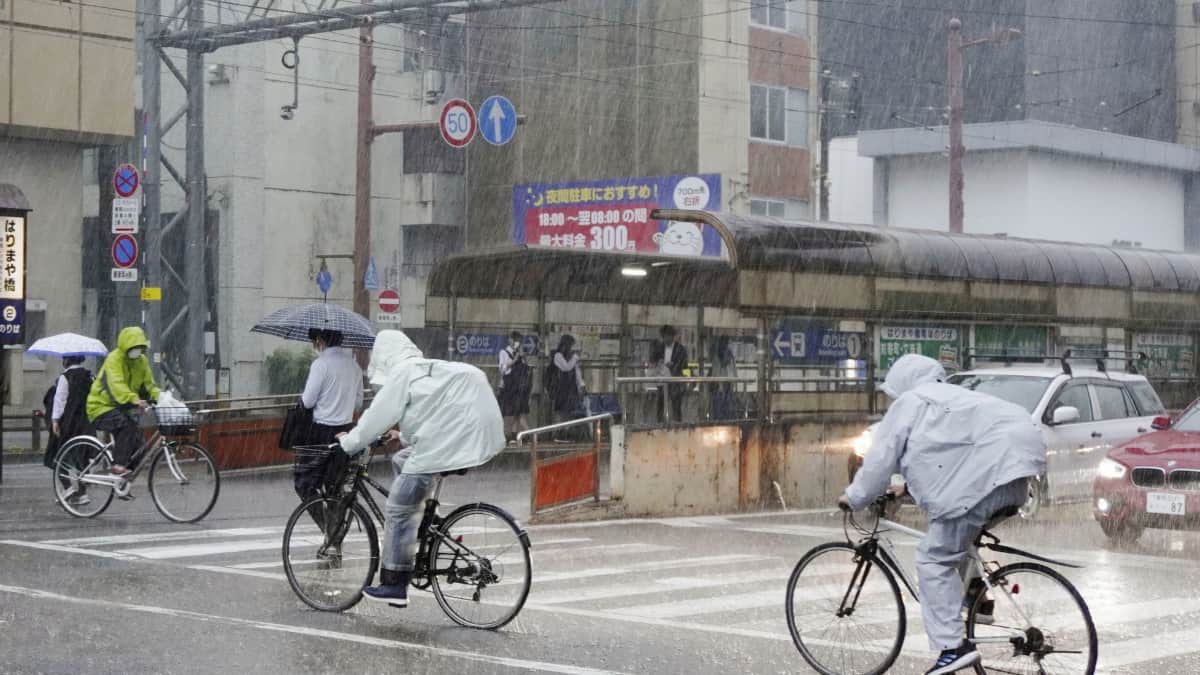
Typhoon Mawar in Japan
Parts of Japan were hit by torrential rains on Friday, June 2 as Typhoon Mawar closed in on the region. The Japan Meteorological Agency (JMA) issued flood warnings for the Okinawa island chain and parts of Shikoku and Honshu islands. As per forecasts by JMA, 350 millimetres (13.8 inches) of rain is expected in parts of western Honshu till Saturday morning.
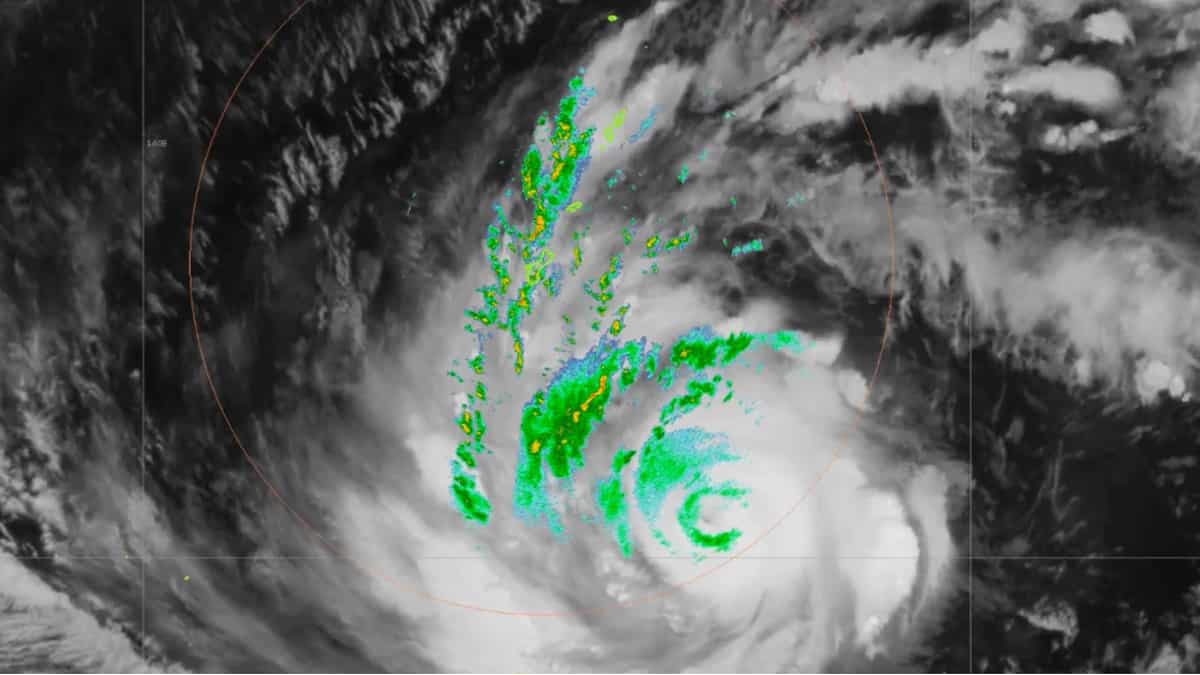
Several flights cancelled
As a precautionary measure, around 27,000 people were advised to evacuate in Toyohashi, Honshu. Evacuation notices were also issued in parts of Shikoku. Keeping in mind the weather warnings by JMA, a number of flights to different parts of Okinawa were also cancelled.

Mawar in Guam
The typhoon had earlier wreaked havoc in Guam, US, where a week after the typhoon hit the region, most parts of the island are still without power, water, and internet. The residents of the region remain frustrated by the government’s slow response to the crisis.

Wildfire in Canada
Nova Scotia has been battling two large wildfires in Halifax. The western province of Alberta is also dealing with 61 wildfires, 16 of which are out of control. These wildfires have displaced at least 28,000 residents so far, 18,000 of whom are from Nova Scotia.

Unprecedented weather conditions
Emergency Preparedness Minister Bill Blair said that "these conditions this early in the season are unprecedented. Due to climate change, similar extreme weather events may continue to increase in both frequency and severity across our country".
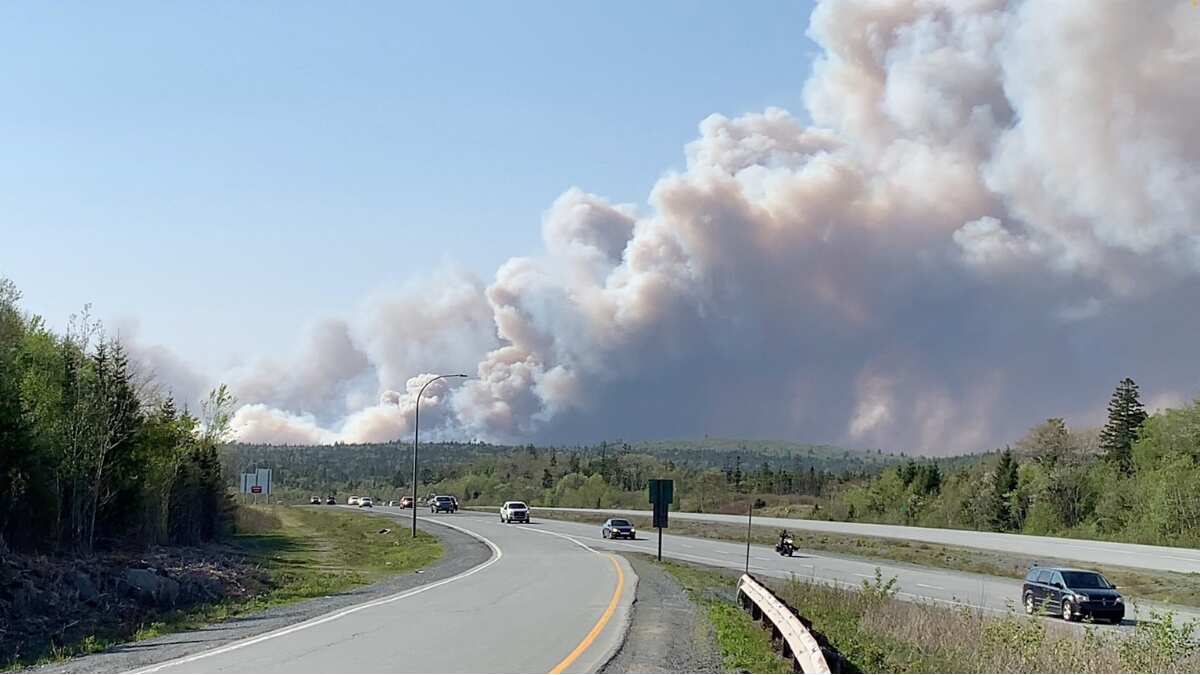
Help is on the way
Officials confirmed that Canada is receiving help from other countries. Around 800 firefighters have come to Alberta from the US and another 100 are expected to come to Nova Scotia over the next five days. Australia and New Zealand have also sent some 224 firefighters. South Africa is expected to send more than 200 firefighters in the coming days.

Record-high temperatures in China
China, too, has been dealing with extreme weather conditions in the past few weeks, with parts of southern and eastern China facing weeks of unrelenting heat, putting power grids under strain. According to national forecasters, most of southern China is expected to be hit by temperatures of more than 35 degree Celsius (95 Fahrenheit), with temperatures in some areas likely to exceed 40C in the next three days.

Power cuts in Vietnam
The record-high temperatures in Vietnam have forced the authorities in the region to cut down on the power supply to keep the national power grid system running. Following warnings from Vietnam’s state utility EVN of an increase in temperature, authorities in Hanoi have cut down on public lighting.

India witnesses extreme heatwave
India and Malaysia have also been hit with extreme weather conditions. In April, at least two states in India ordered schools to close for a week due to an extreme heatwave. In May, Malaysia permitted children to wear casual clothing instead of school uniforms due to the hot weather and halted all outdoor activities.
)
)
)
)
)