In Pics | Egypt historic mosque reopens after years of restoration

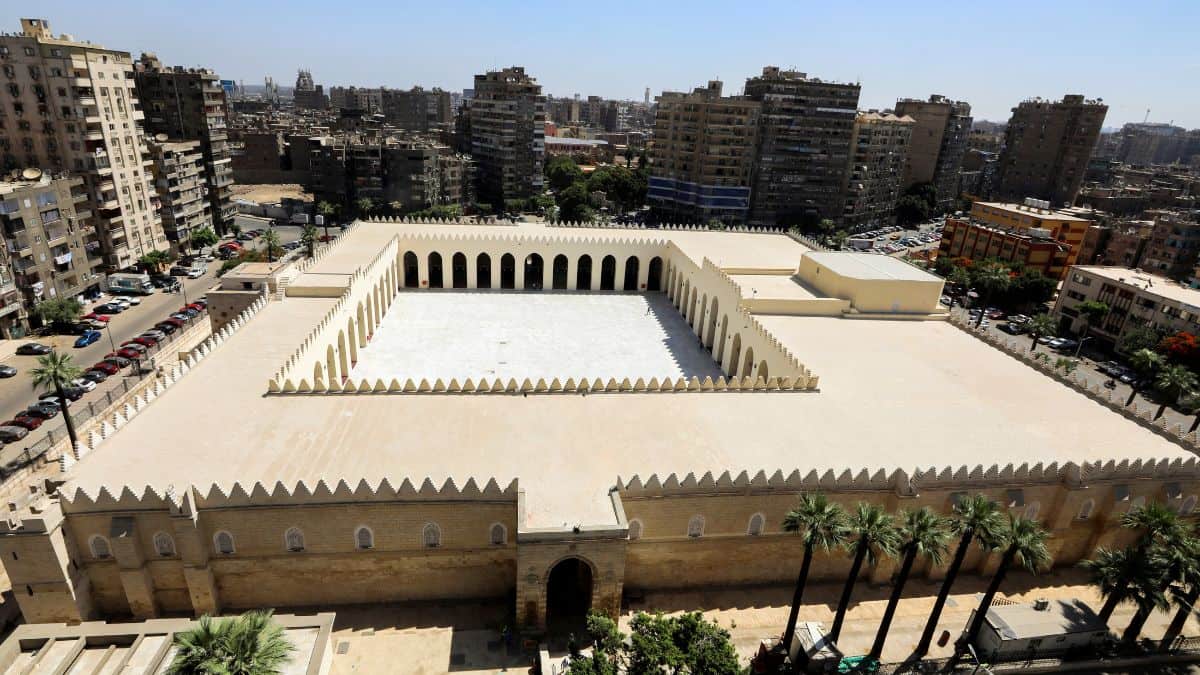
Mosque of al-Zahir Baybars
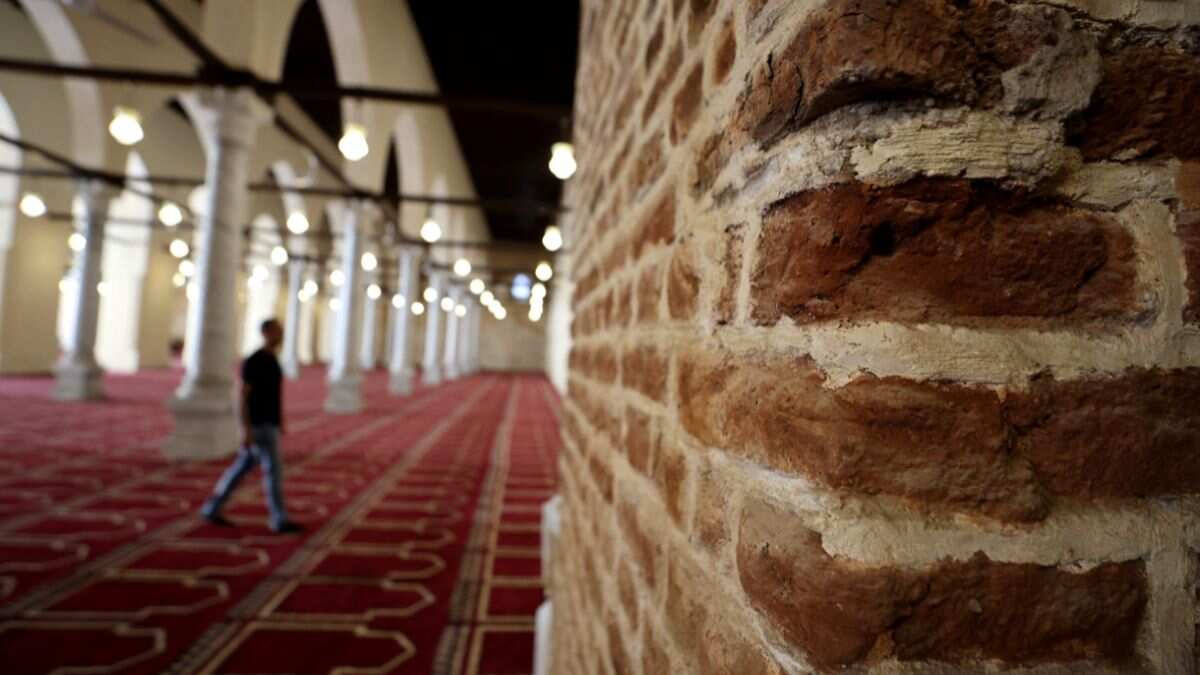
The image shows a general view of the historic mosque in the capital of Egypt after restoration. It has gone through some major structural changes including its dome, roof, minarets, and most decorations.
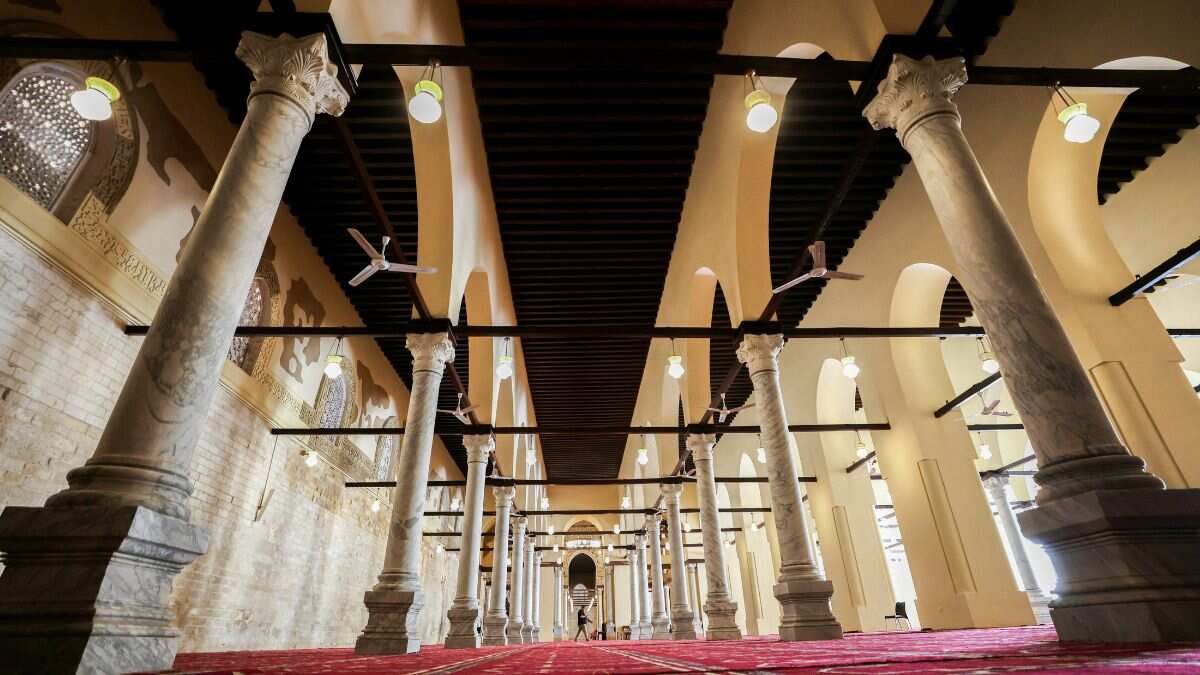
Internal view of the mosque
This architectural marvel plays a significant for the Mamluk rule and strengthened their reputation as influential leaders in the nation. However, in the past, the 13th century mosque has been used for various non-religious purposes.
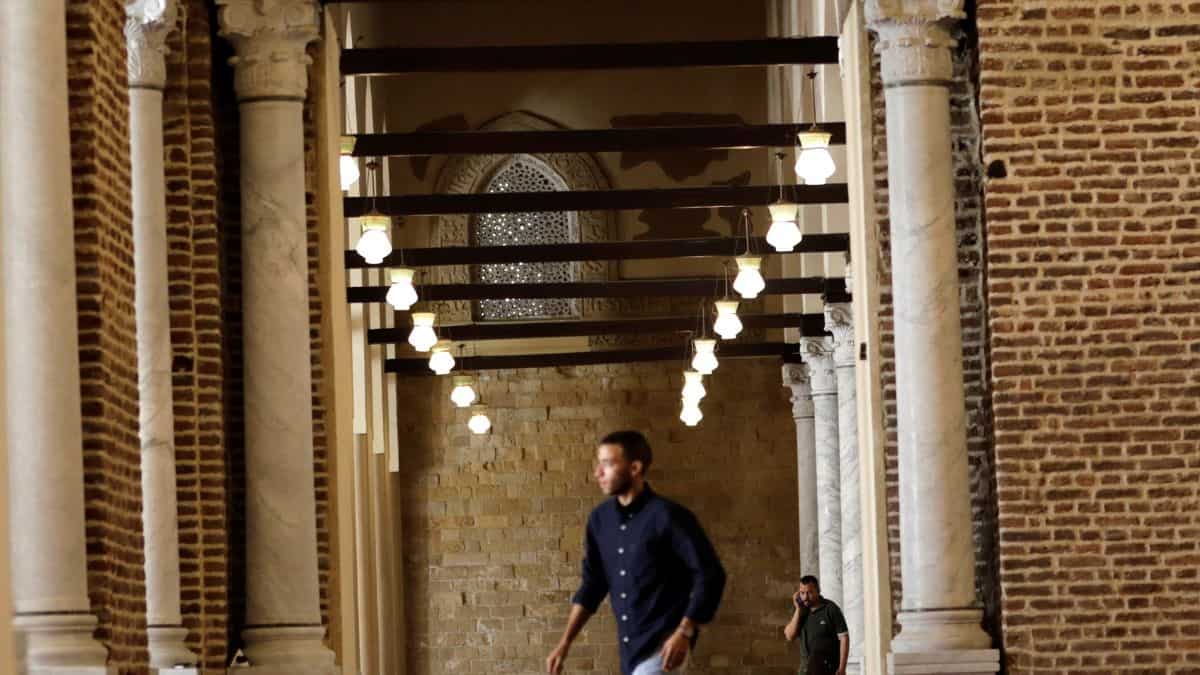
Mosque used for non-religious purposes
During Napoleon's reign, it has been used as a military headquarters and fort, as a bakery and a soap factory in the 19th century Ottoman rule, and as a slaughterhouse during the British occupation, as reports say. In recent years, it has been in an abandoned and deteriorating state.
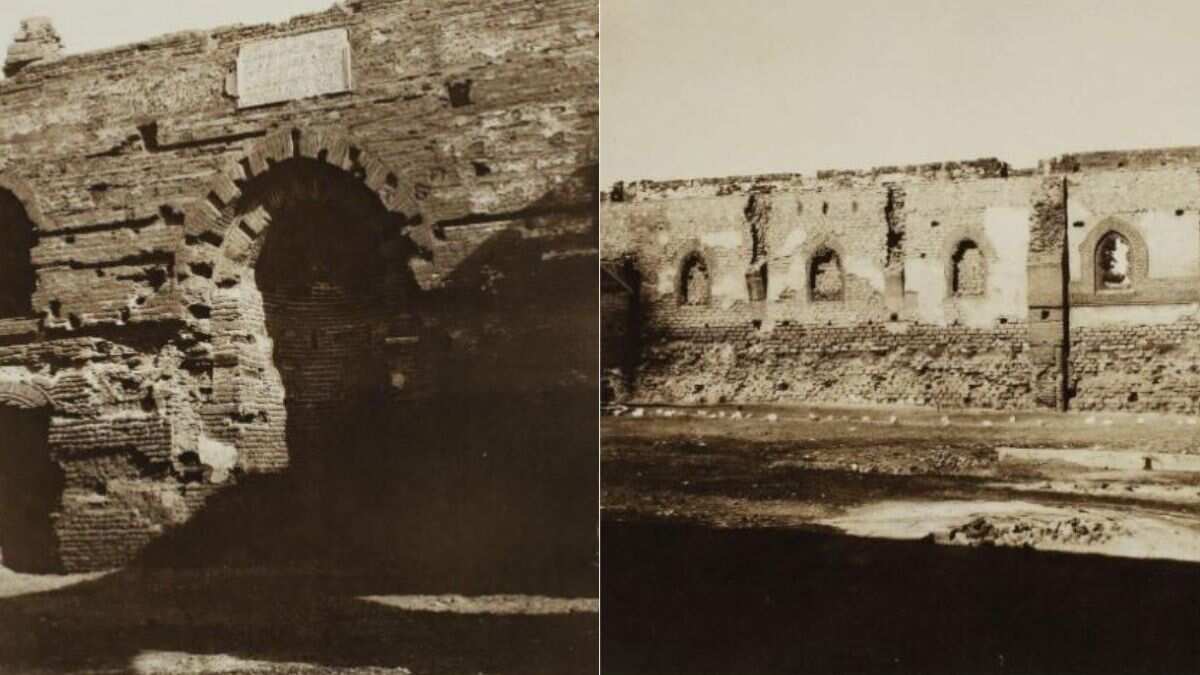
Mamluk Sultan al-Zahir Baybars in 1921
These pictures from the V&A collection, clicked in the year 1921, show the North east wall (L) and Mihrab (R) of the mosque of Mamluk Sultan al-Zahir Baybars, Cairo that stretches over an area of three acres north of central Cairo.
(Image credit:@vambot2/Twitter)
Restoration started in 2007
The major restoration process of the mosque was initially started by the government in the year 2007 and was co-funded by Kazakhstan, costing $7.68 million. The mosque of Al-Zhahir Baybars is the third largest mosque in Egypt.
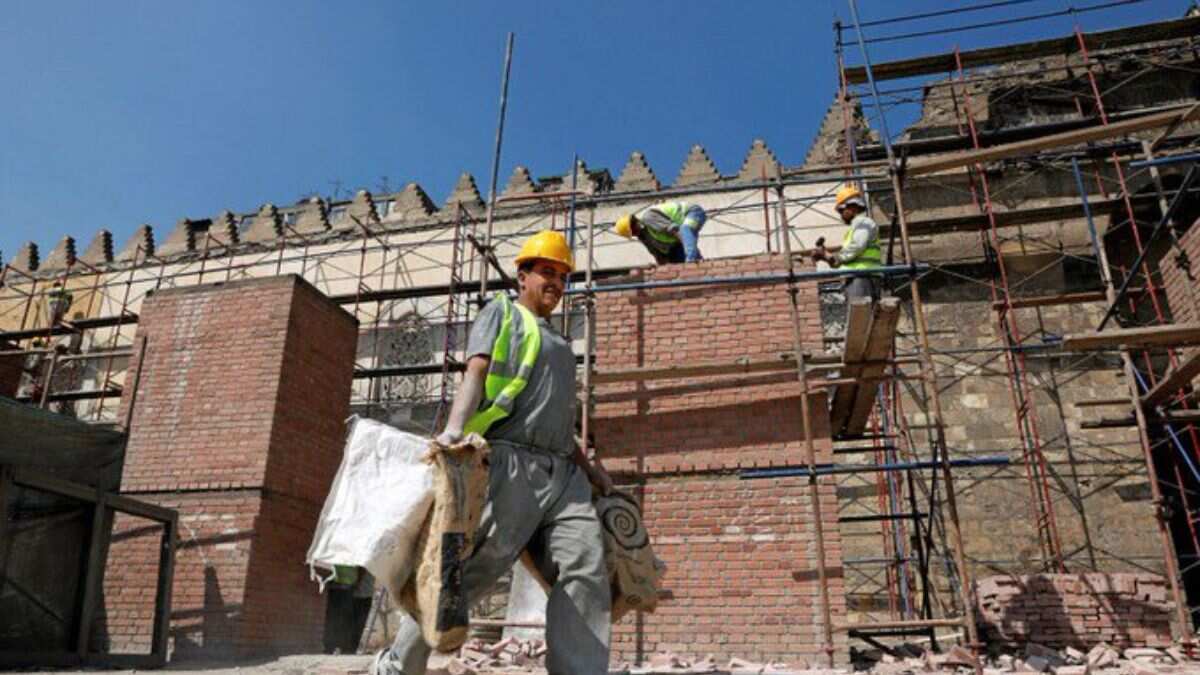
Restoration process
A report by Reuters quotes Tarek Mohamed El-Behairy, the supervisor of the restoration, "Some parts were destroyed, some parts have been dismantled because they were structurally unsuitable to remain in the mosque". The mosque has gone through mechanical and chemical processes to restore it to its original condition.
(Image credit:@Pslmanianew/Twitter)
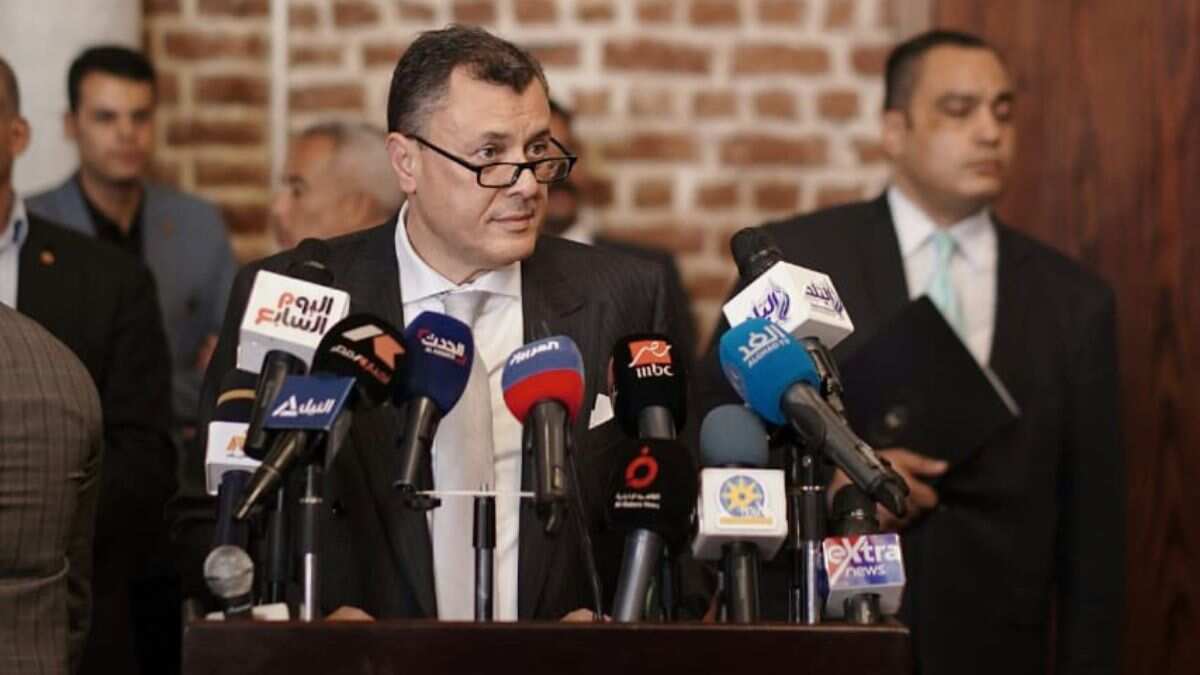
Inaugurated by Sheikh of Al-Azhar
The mosque was reopened and inaugurated by Sheikh of Al-Azhar, President of the Senate of the Parliament of Kazakhstan with Ministers of Tourism, Antiquities & Endowments, the Grand Mufti of Egypt, the Governor of Cairo, and the Grand Mufti of the Muslims of Kazakhstan present at the ceremony.
(Image credit:@TourismandAntiq/Twitter)
)
)
)
)
)