In pics: Ecuador government, Indigenous leaders sign deal to end protests

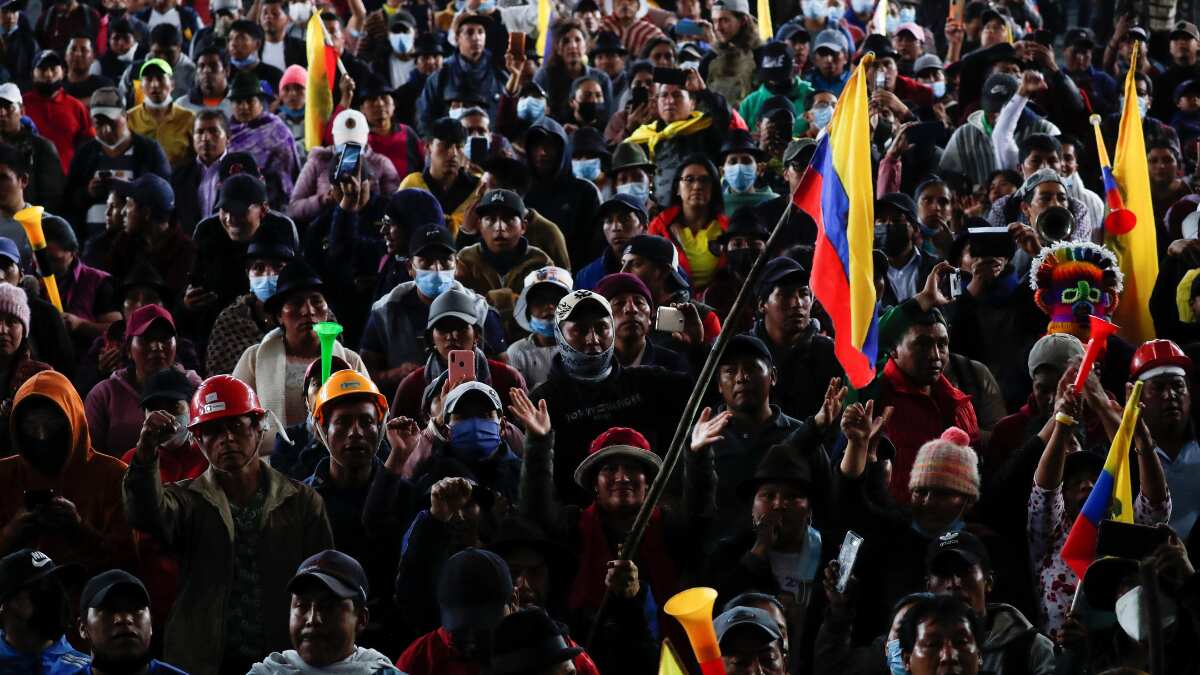
'Time to go home'
The agreement, mediated by the Catholic Church and signed in Quito, provides for a five-cent-per-gallon reduction in the price of diesel and gasoline on top of a 10-cent cut already conceded by the government.
"Very likely we are tired... so it's time to go home," protest leader Leonidas Iza told a crowd of some 4,000 demonstrators after announcing an end to the protests earlier in the day.
The Indigenous protesters funneled out of the city peacefully in buses and trucks, many of them waving Ecuadoran and Indigenous multi-color wiphala flags.
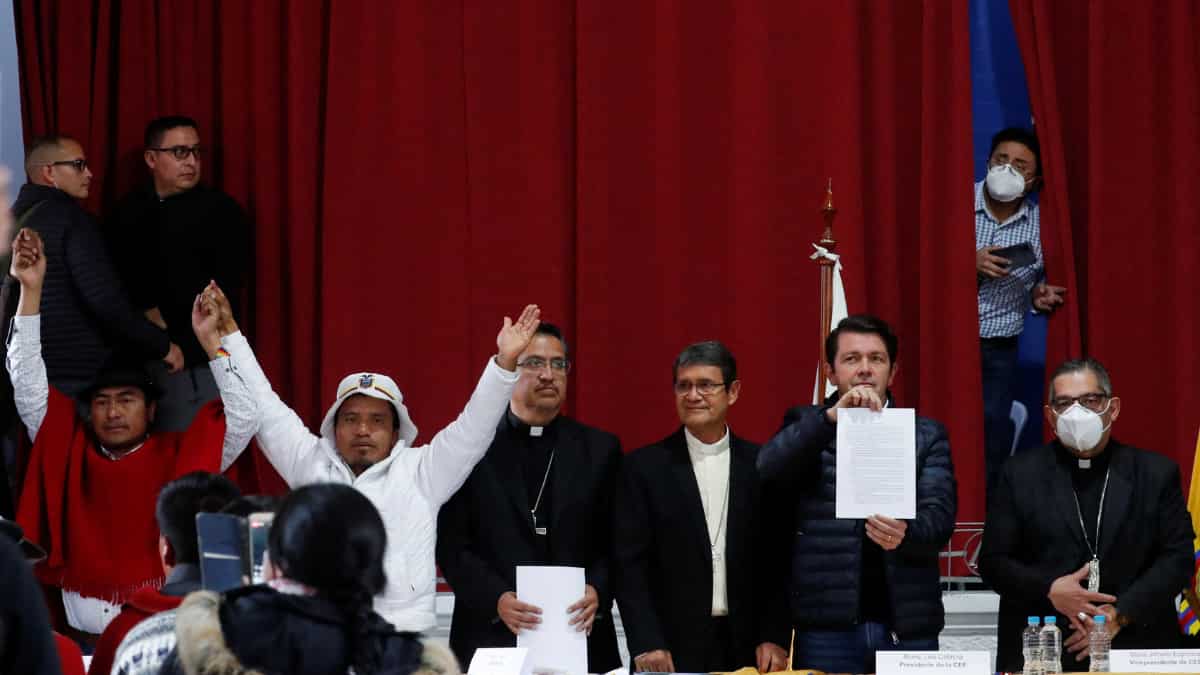
Rebuilding Ecuador
Signed by Conaie leader Iza and government minister Francisco Jimenez, the agreement foresees further negotiations between the two sides, an end to the disruptive roadblocks erected countrywide, and the lifting of a state of emergency in four of Ecuador's 24 provinces.
It also provides for a review of government decrees on oil exploitation and mining in Indigenous lands.
President Guillermo Lasso, for his part, said on Twitter that the parties had achieved "the supreme value to which we all aspire: peace in our country."
Later, in a radio and television broadcast, he said it was "time to heal wounds, to overcome the division between Ecuadorians and unite in a single objective: to rebuild Ecuador."
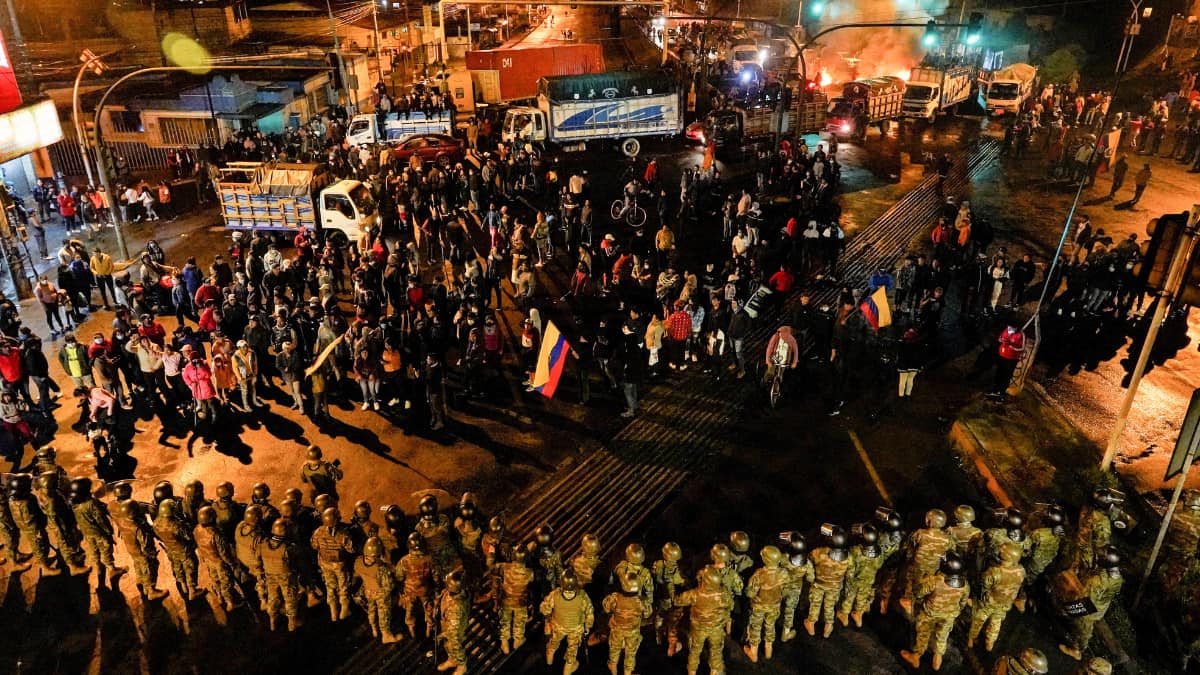
The catalyst for the protests
Fast-rising fuel prices were the catalyst for the protests called by the powerful Confederation of Indigenous Nationalities (Conaie) and marked by burning roadblocks and sometimes violent clashes with the security forces.
Five civilians and a soldier have died since the protests started on June 13, hundreds were injured on both sides, and some 150 people have been arrested.
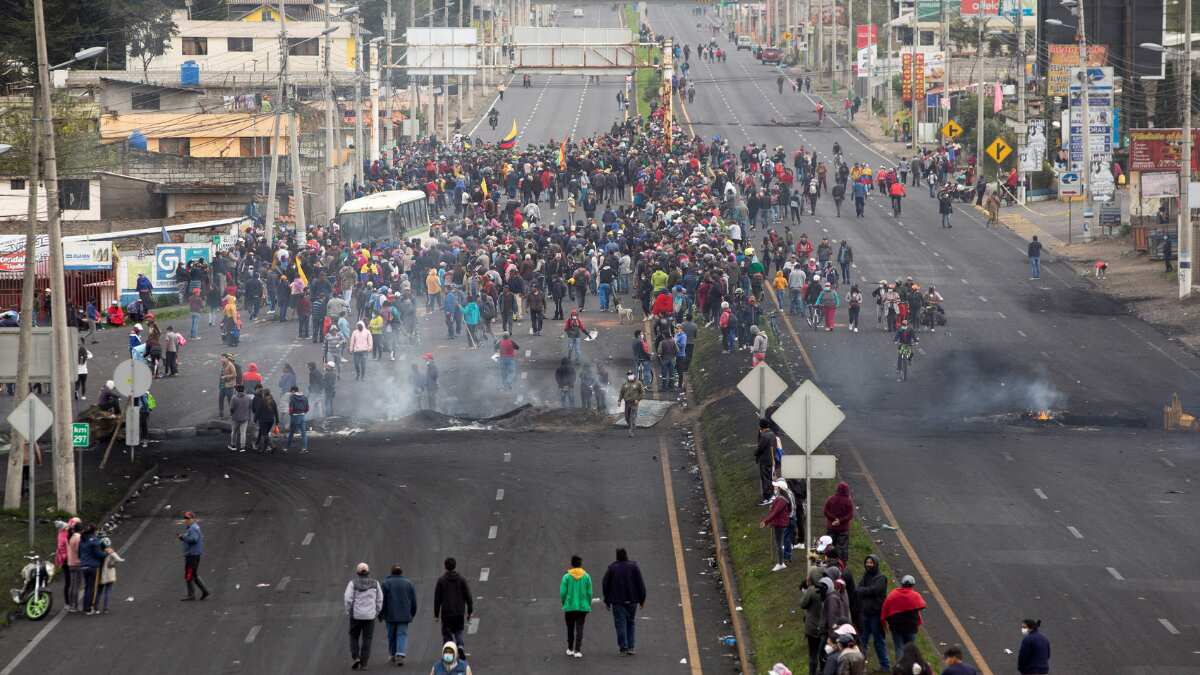
The mass show of discontent
An estimated 14,000 Ecuadorans most of them in Quito took part in the mass show of discontent against deepening hardship in an economy dealt a serious blow by the coronavirus pandemic.
Thursday's agreement provides for "the cessation of the mobilizations and the gradual return (of the demonstrators) to the territories" where they came from to join the protest.
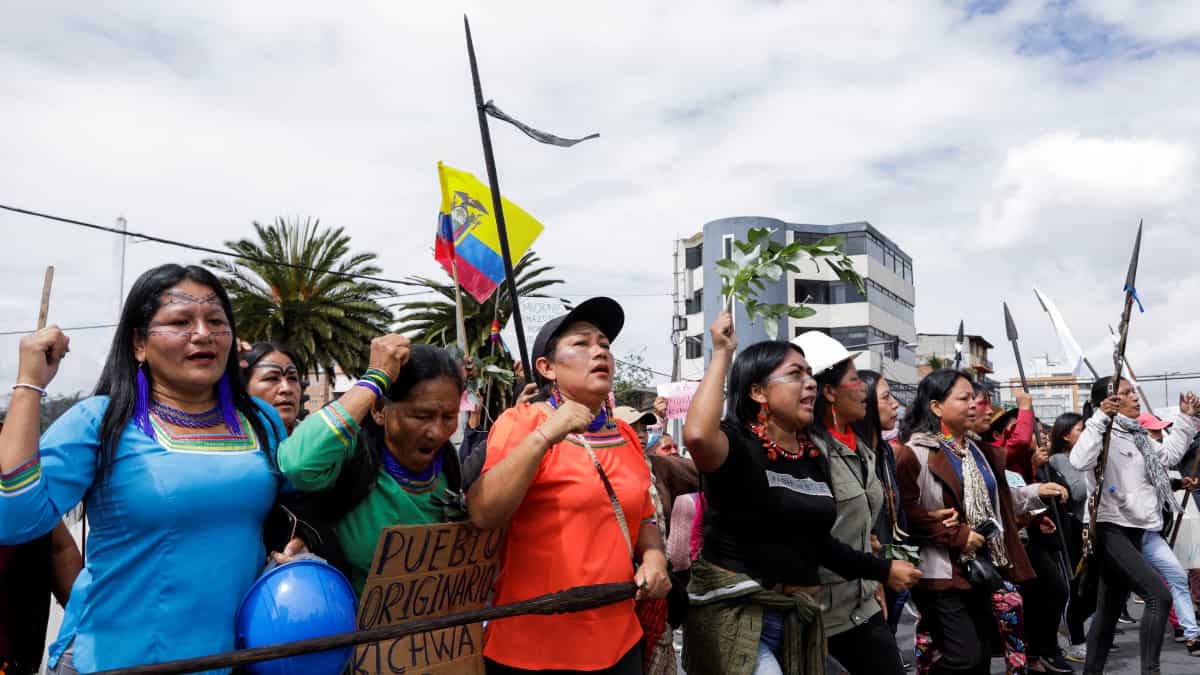
The 'fight' will continue
Indigenous people make up more than a million of the South American nation's 17.7 million inhabitants.
The protesters called for fuel price cuts, jobs, food price controls and more public spending on healthcare and education.
Among the concessions made, Lasso increased from $50 to $55 the monthly aid for Ecuador's poorest inhabitants, and cancelled small loans held by rural Ecuadorans with the public bank.
Iza vowed Thursday that "we will continue the fight" for a better life, including for a raise in the fuel subsidy for rural Indigenous people.
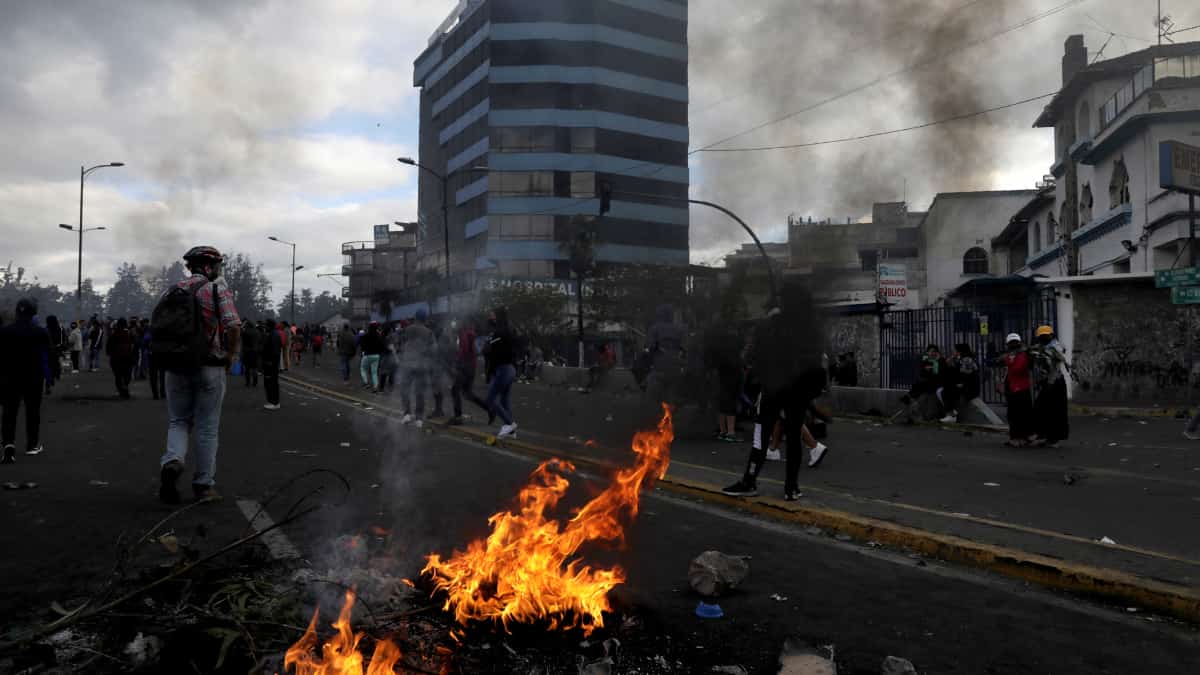
The impact of Poverty
Poverty affects more than a quarter of Ecuadorans, according to 2021 data, and only about one in three have adequate employment in a country with a large informal job sector.
The protests have been costly, with losses of some $50 million per day to the economy, according to the government, which has warned oil production already halved could come to a complete halt soon.
Crude is the South American country's main export, but production has been halved from the pre-protest rate of some 520,000 barrels per day, the government said.
)
)
)
)
)