Can a 185-ton B-52 bomber outmaneuver threats?

The massive B-52 bomber cannot physically outmanoeuvre modern missiles due to its enormous size and subsonic speeds. Instead, it survives contested airspace using an advanced electronic countermeasures suite to jam enemy radar and relies on standoff cruise missiles to strike safely.
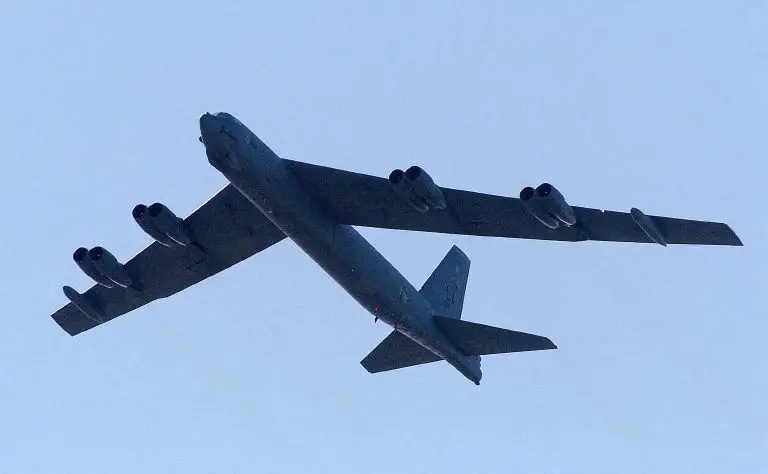
The Massive wingspan
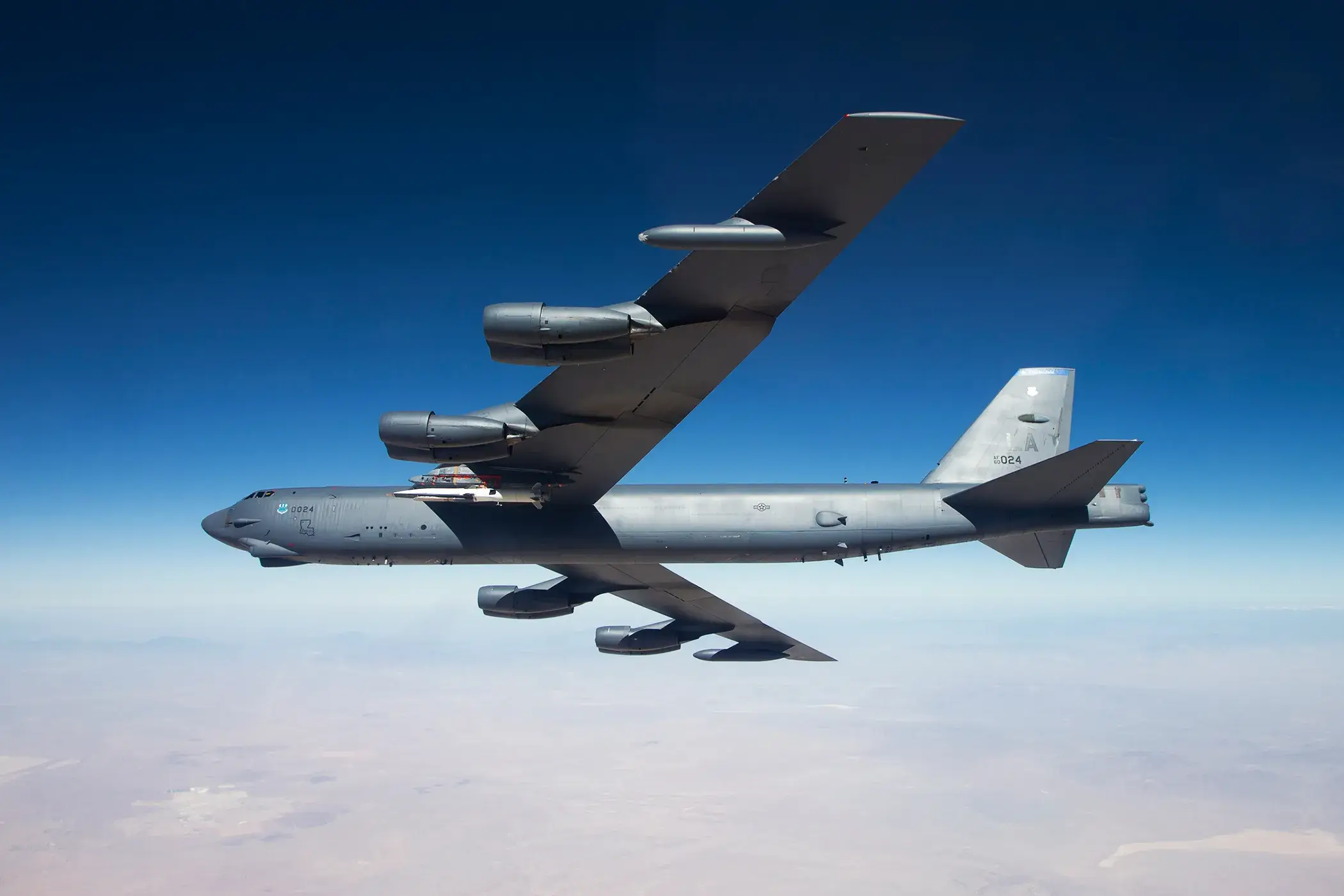
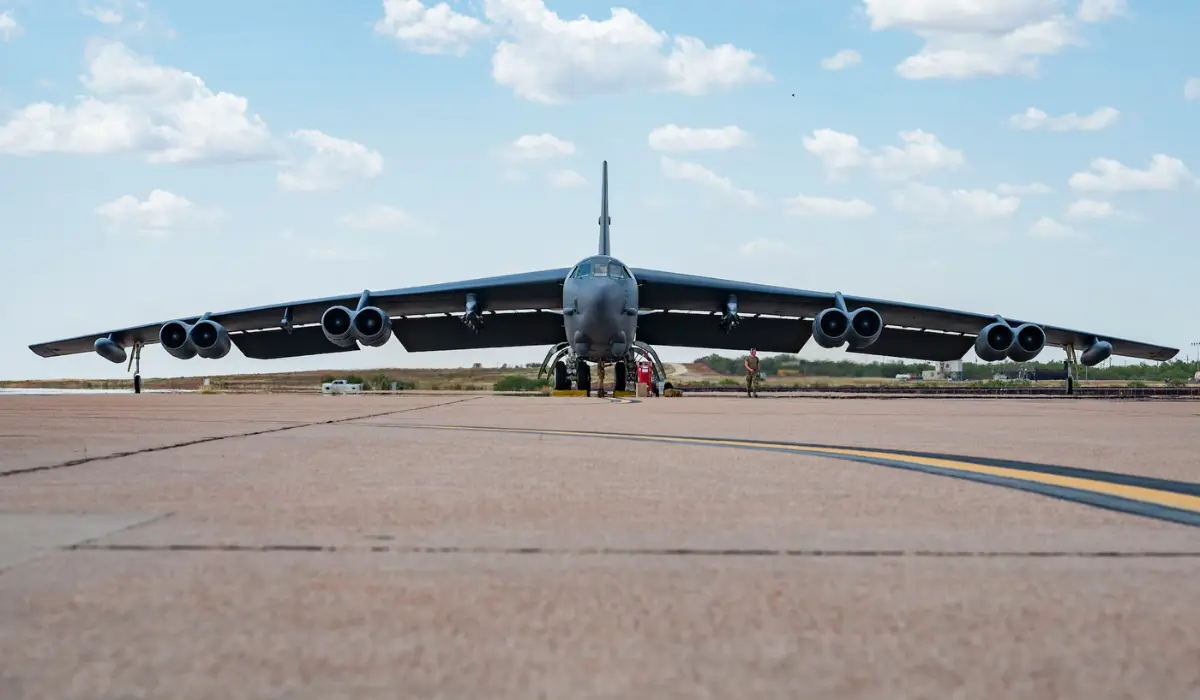
The B-52 Stratofortress is an enormous aircraft with a 185-foot wingspan and a maximum takeoff weight of nearly 221,000 kilograms. This massive size makes traditional physical evasion virtually impossible against modern supersonic surface-to-air missiles.
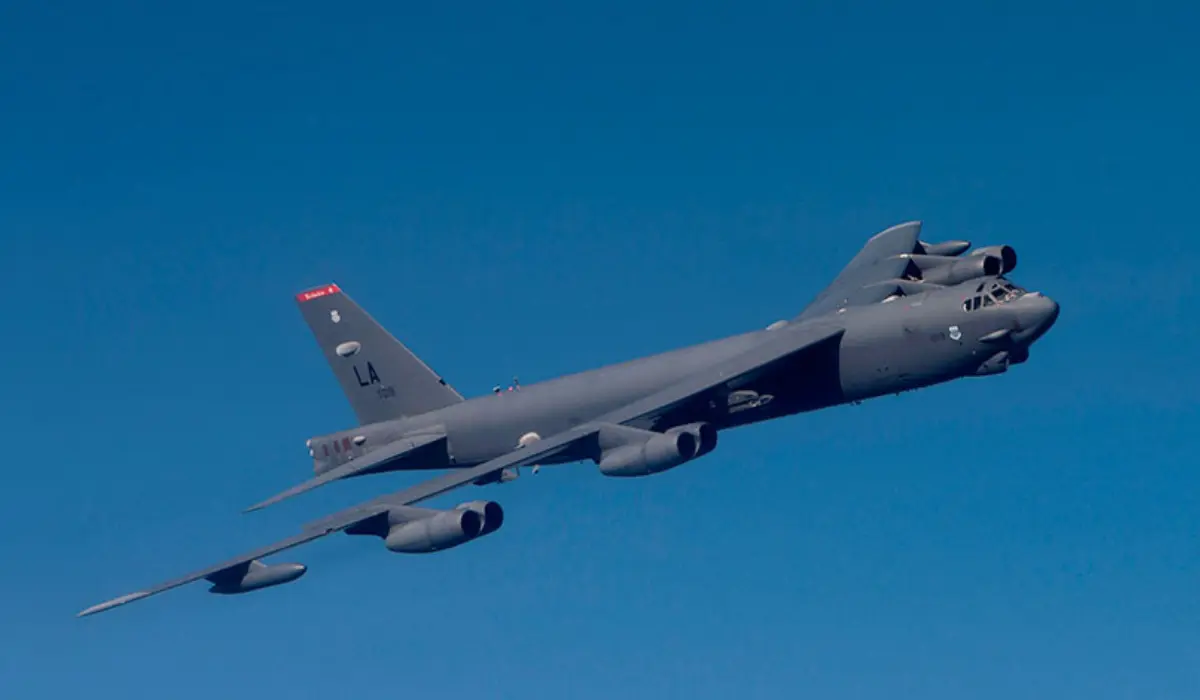
Subsonic Speeds
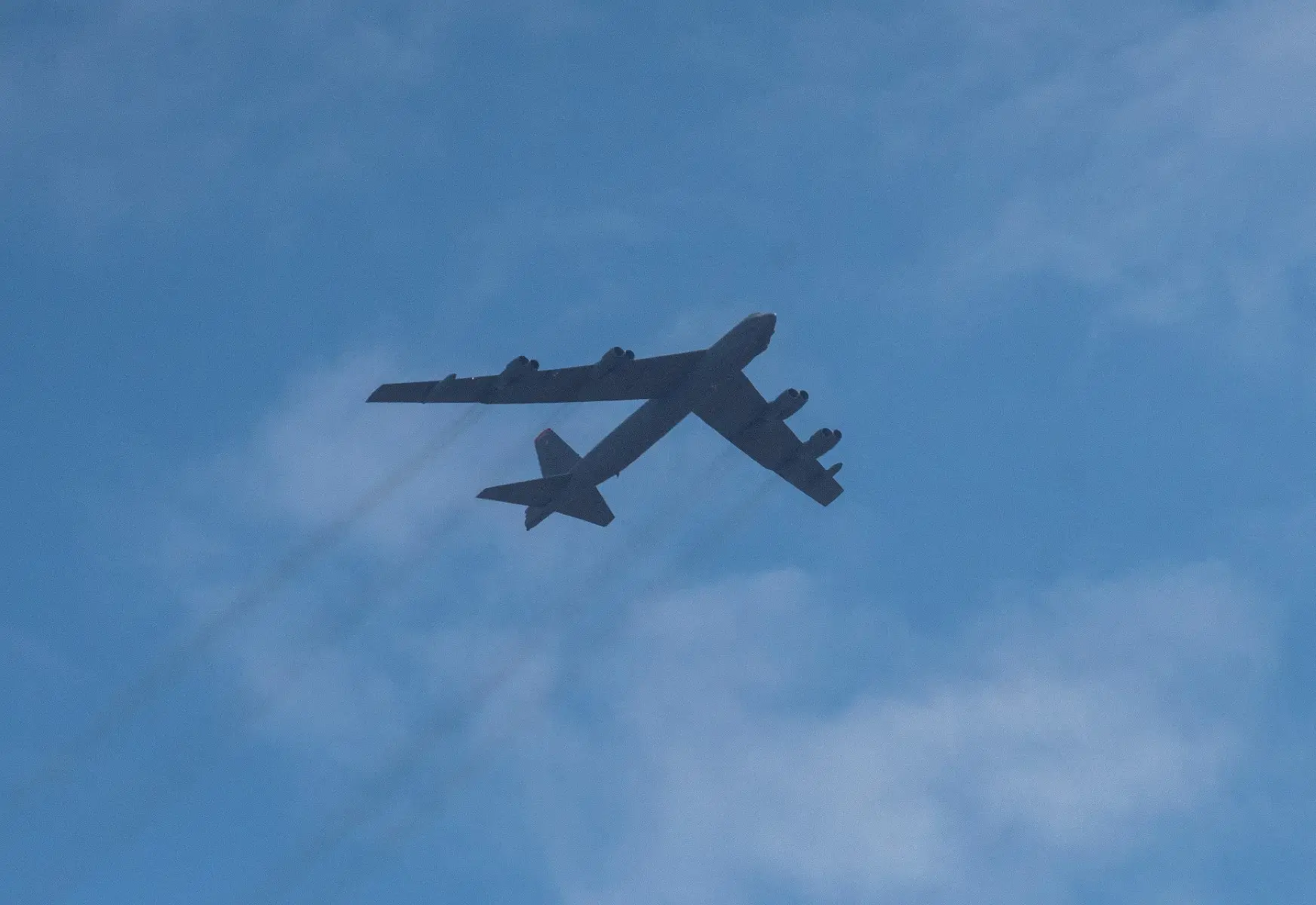
Unlike agile fighter jets, the eight-engine bomber travels at high subsonic speeds of roughly 650 miles per hour. Since it cannot outrun or aggressively dodge incoming threats, the crew relies on entirely different survival tactics.
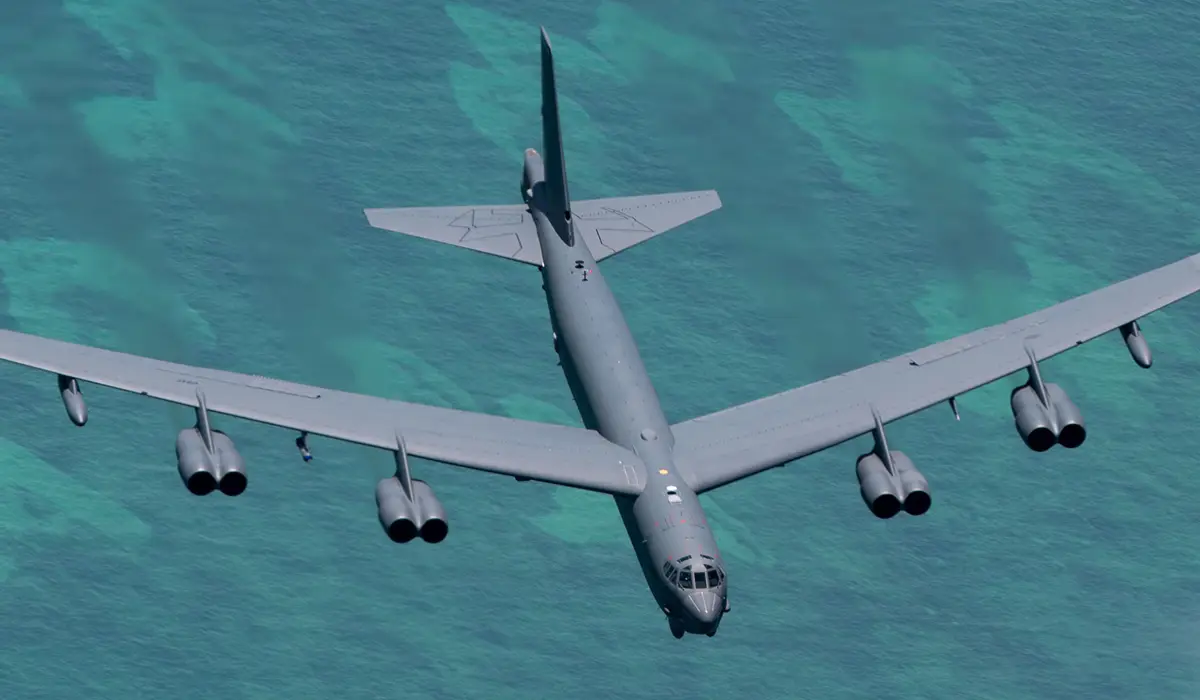
The Electronic Shield
Instead of physical manoeuvring, the aircraft survives contested airspace by deploying an invisible electronic shield. The B-52 carries a highly classified electronic countermeasures suite designed to instantly detect and disrupt enemy targeting systems.
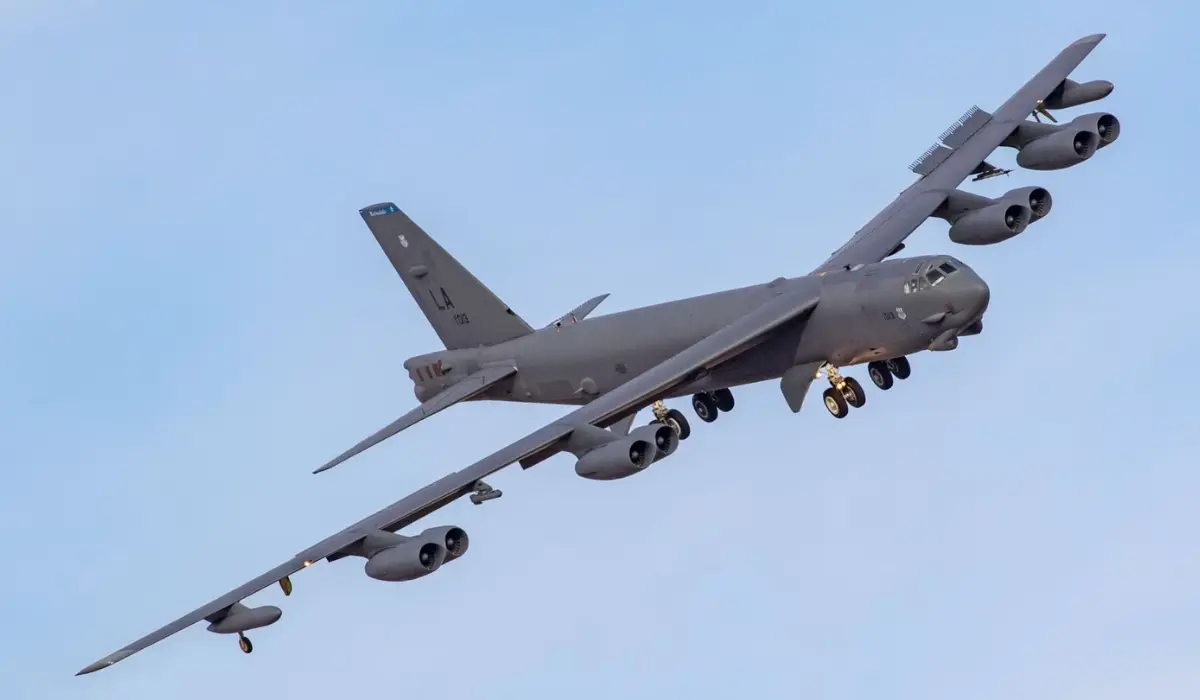
Jamming Enemy Radar
Electronic warfare officers use this advanced equipment to actively jam hostile ground-based radar networks. By overwhelming enemy sensors with aggressive electronic noise, the bomber effectively blinds air defence operators before they can fire.
Deploying Physical Decoys
If an incoming missile manages to secure a lock, the aircraft immediately deploys physical decoys. The bomber releases clouds of radar-reflecting chaff and intense thermal flares to pull weapons away from the giant airframe.
The Standoff Advantage
To avoid the most dangerous threat zones entirely, the B-52 relies heavily on its massive standoff weapons capability. The bomber can launch precision-guided cruise missiles from hundreds of miles away, remaining safely outside the range of hostile interceptors.
Enduring Survivability
By combining aggressive electronic warfare with long-range strike capabilities, the 70-year-old platform successfully navigates modern threat environments. The US military currently plans to keep these heavily defended bombers operational well into the 2050s.
)
)
)
)
)