In pics | Devastating hurricane Ian hits Cuba, heading towards Florida


Cuba's darkest storm passage
By mid-afternoon on Tuesday, the Category 3 storm was described as the darkest storm passage. The hurricane struck Cuba during a severe economic downturn.
In many areas, violent wind gusts broke windows and tore many metal roofs off. Roads into the hurricane's direct path were still impassable because of the fallen trees and electrical cables.
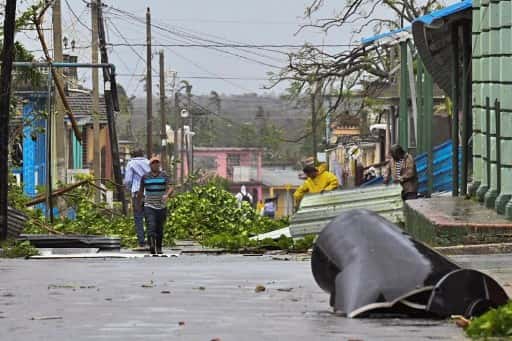
Hour-long blackouts
Hour-long blackouts had already been commonplace in many parts of Cuba before the hurricane struck, and a scarcity of food, medicine, and gasoline is likely to make it more difficult to recover from the hurricane.
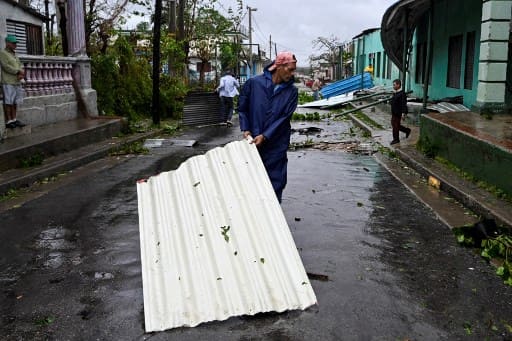
Hurricane might reach category 4
As per NHS, after striking Cuba, the hurricane is expected to grow even tenser on Tuesday before emerging on the west coast of Florida. The hurricane is expected to reach category 4.
To avoid such a situation, the authorities cut electricity to 850,000 residents and evacuated nearly 40,000 people from low-lying coastal districts.
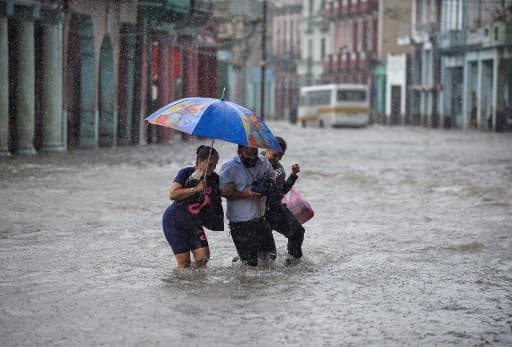
Havana spared Ian's wrath
Havana was under a tropical storm watch and bracing for a potential storm surge along its extensive waterfront, but the city was spared Ian's wrath. However, Havana residents sought shelter in preparation for possible floods and storm surges.
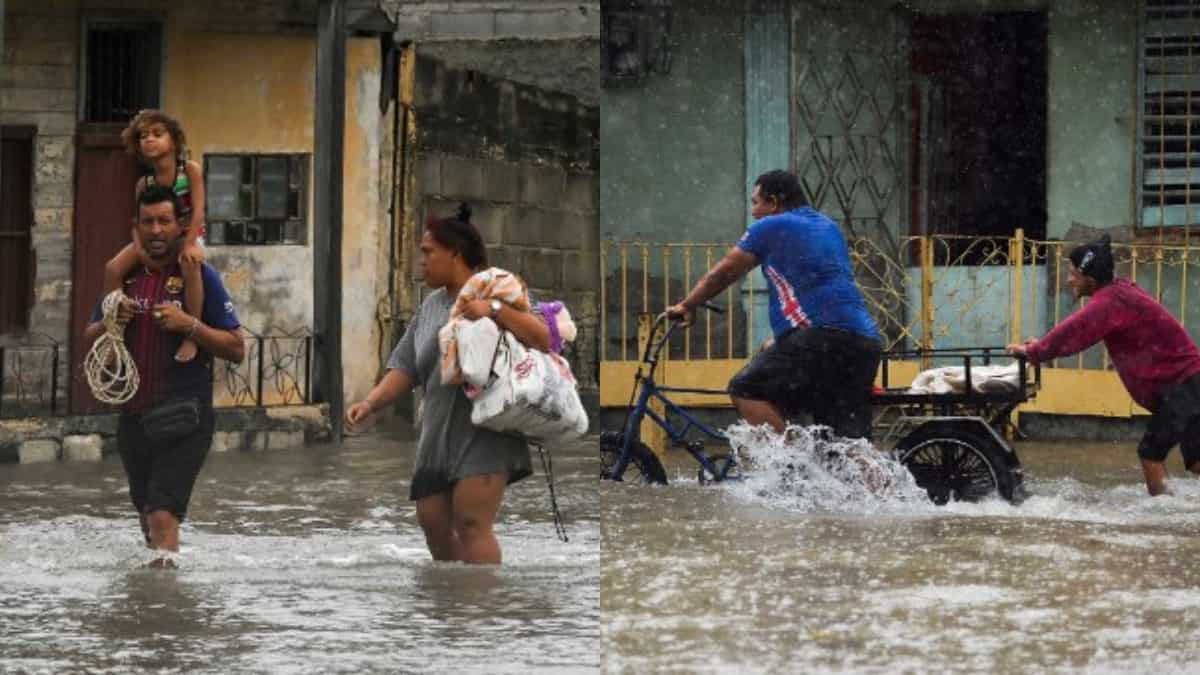
People struggle in hurricane
People walk through a flooded street in Batabano, Cuba. Hurricane Ian made landfall in western Cuba early Tuesday, with the storm prompting mass evacuations, AFP reported.
)
)
)
)
)