In pics: Deep freeze hits northern China, southern regions prepare for cold snap

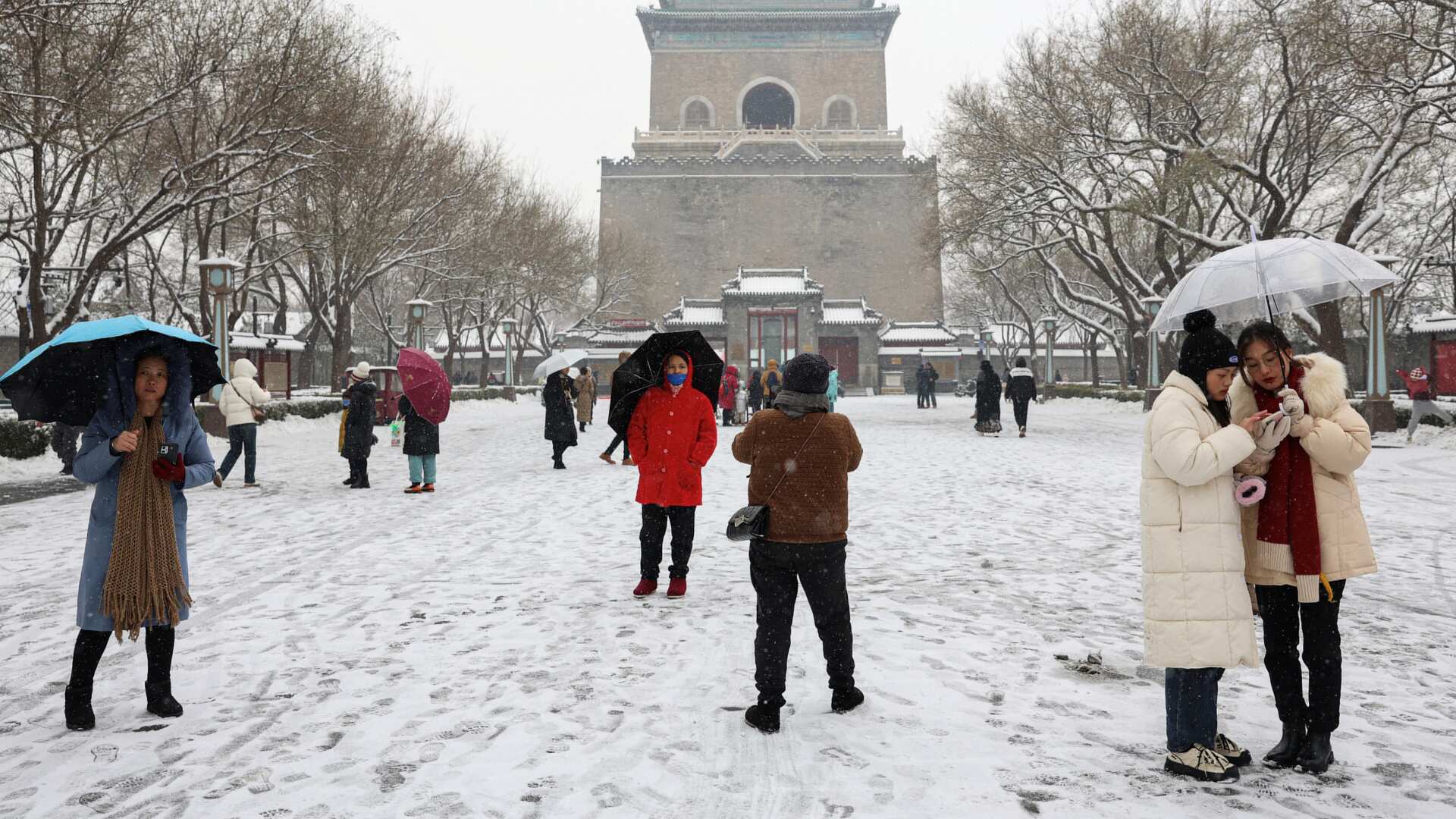
Severe cold snap hits northern China
Northern China experiences intense snow, blizzards, and plummeting temperatures in what could be one of the most severe December cold snaps, prompting various precautions.
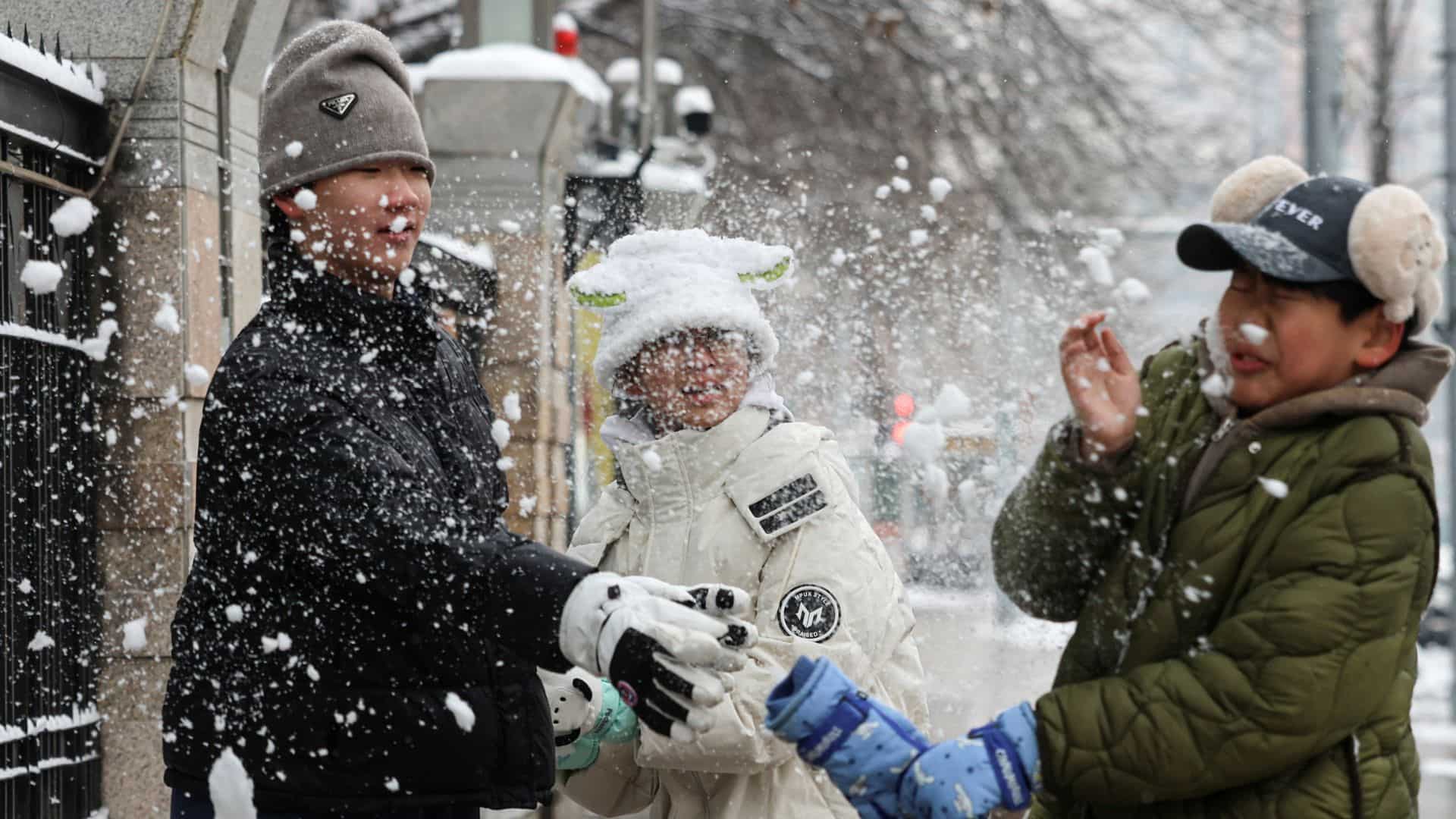
Beijing takes measures amid second cold wave
Beijing, facing the second cold wave of the week, issues the second-highest blizzard alert, leading to the suspension of train services, school closures, and advisories for people to stay home.
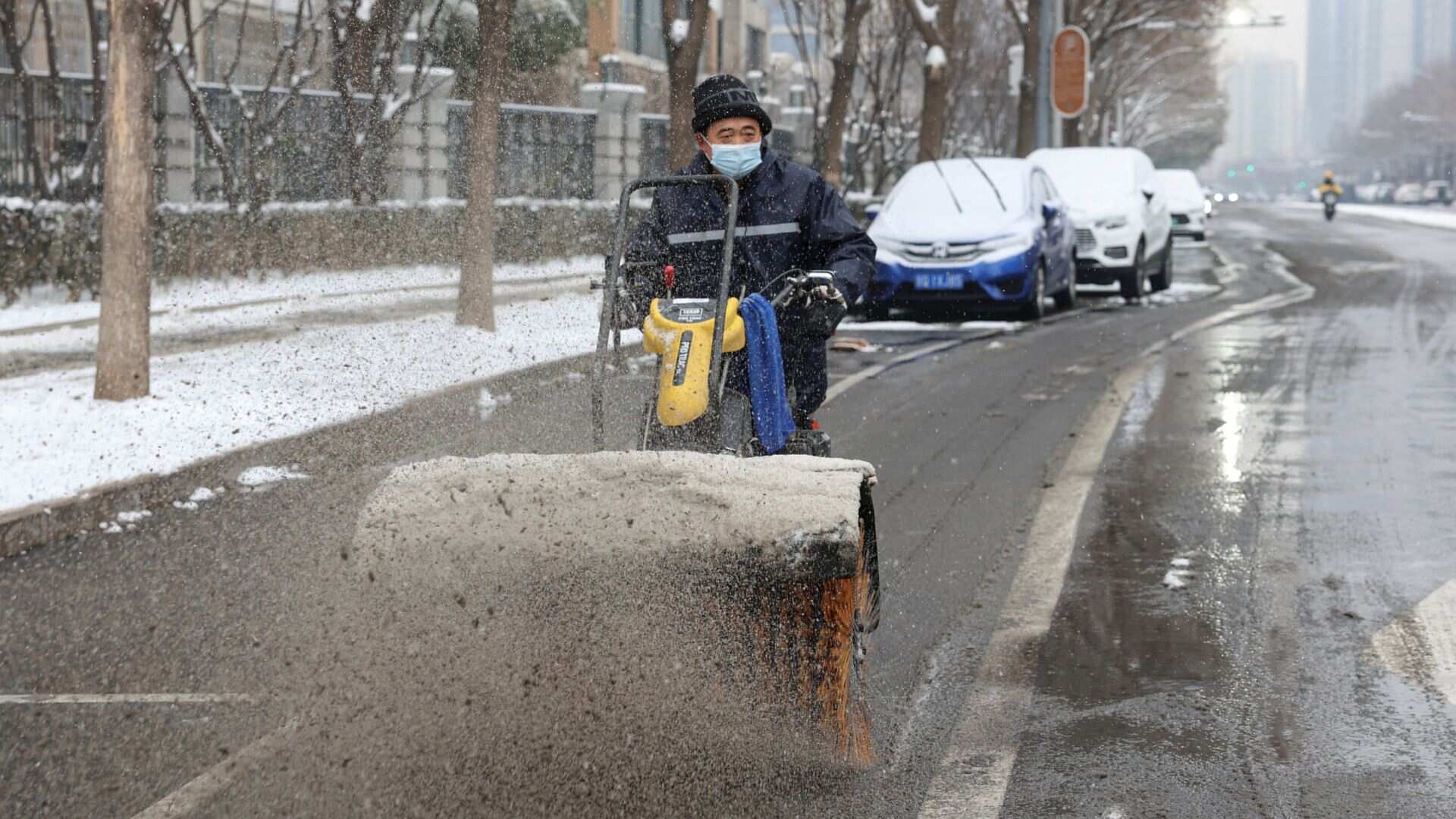
Disruptions and precautions in Beijing
Beijing undertakes significant disruptions, including halting train services to key cities, shutting schools, moving classes online, and advising businesses to offer flexible working conditions to manage the impact of sustained snowfall.

Weather extremes and challenges in other regions
Shanghai in the south, normally experiencing mild weather, anticipates frigid temperatures. Northern, northwestern, and southern China, along with regions south of the Yangtze River, face potential drops exceeding 14°C, prompting the National Meteorological Centre to issue a freezing temperature alert.
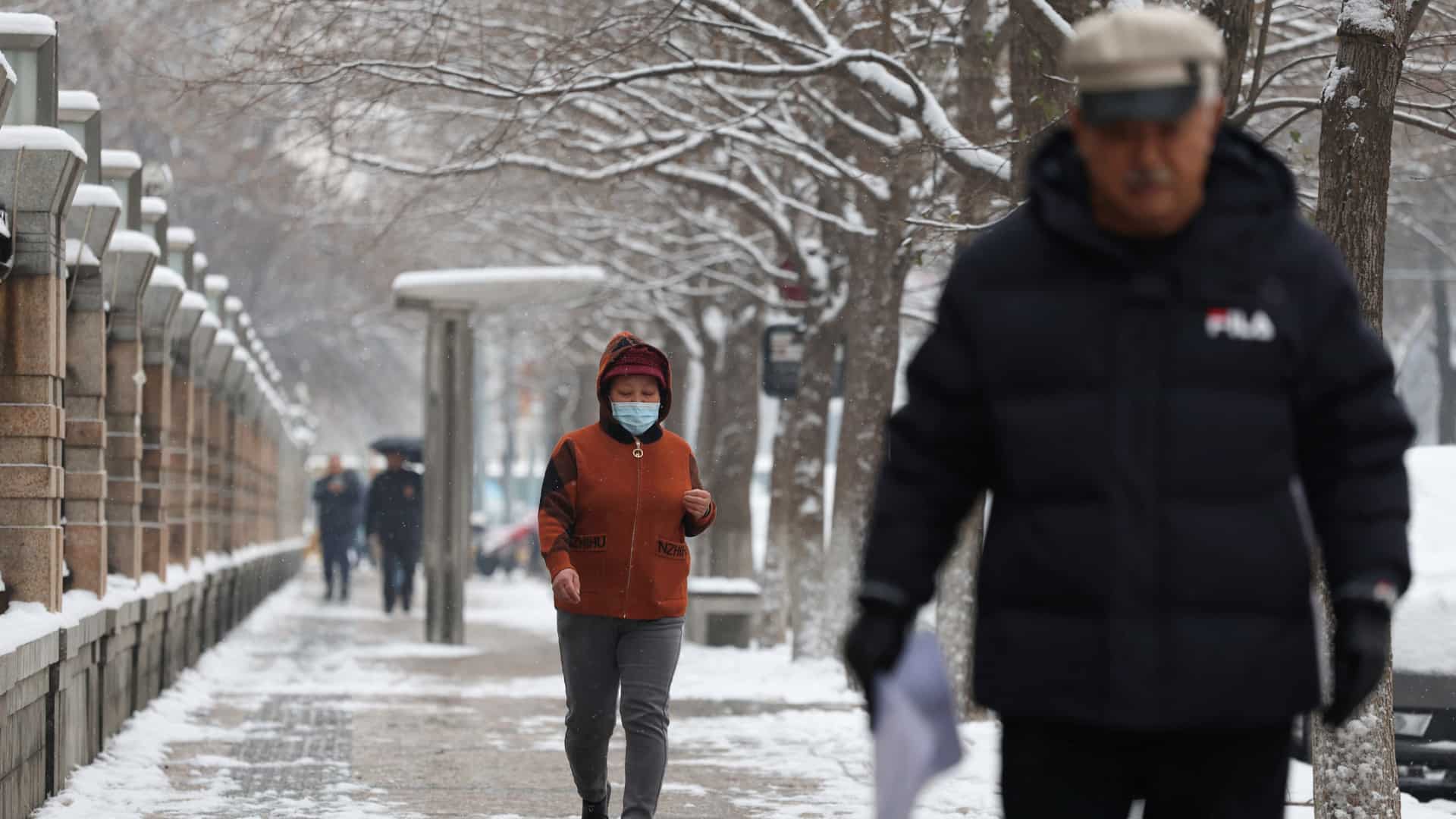
Preparedness measures and historical context
Authorities mobilize over 6,000 rescuers, deploy snow-removal equipment, and stockpile snow-thawing agents. The cold snap, contrasting with recent warmer conditions, reflects a year of weather extremes in China, with widespread snowfall and frozen rivers observed in multiple provinces.
)
)
)
)
)