In pics: Cuban scientists endeavour to save world's rarest crocodiles

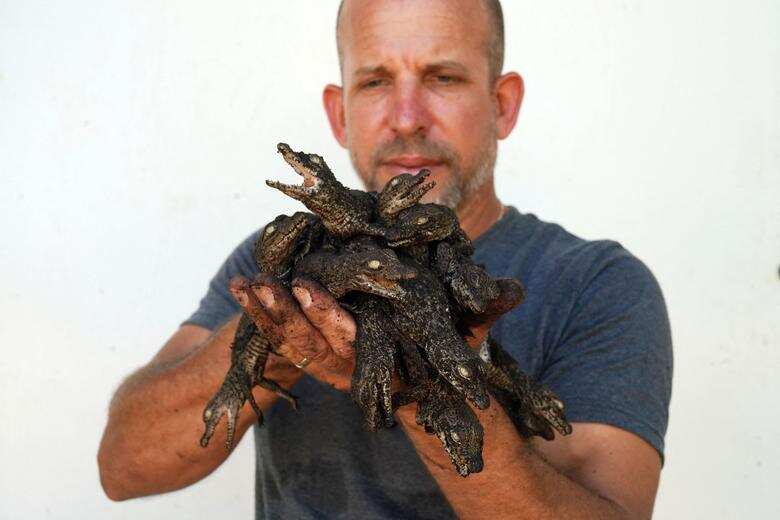
Smallest living crocodile species
Scientists warn that Cuban crocodiles, an indigenous species found only here and in a marsh on Cuba's Isle of Youth, are extremely vulnerable to extinction and have the smallest known distribution of any living crocodile species.
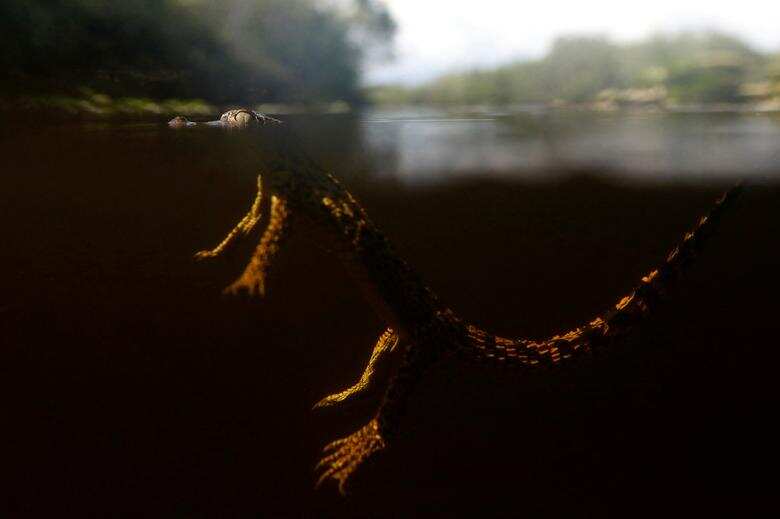
Best preserved in the Caribbean
Populations in this area have been threatened for years by illegal hunting and hybridization with American crocodiles, which muddles the genetics of the species. A new danger is posed by a warming climate, which changes the sex ratio of young crocodiles. And while the Cuban government has mostly conserved the massive marsh, which is usually regarded as the best preserved in the Caribbean, that might not be enough, according to scientists.
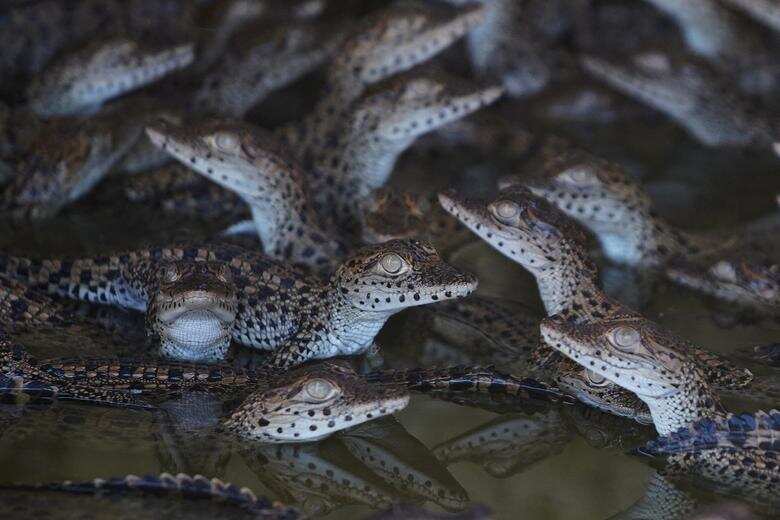
In the wild
Around 4,000 crocodiles are thought to still exist in the wild, according to Cuban biologists. However, due to the size of the preferred habitat within the marsh, a climate-related disaster—which is now more frequent globally—could obliterate the majority of the population.
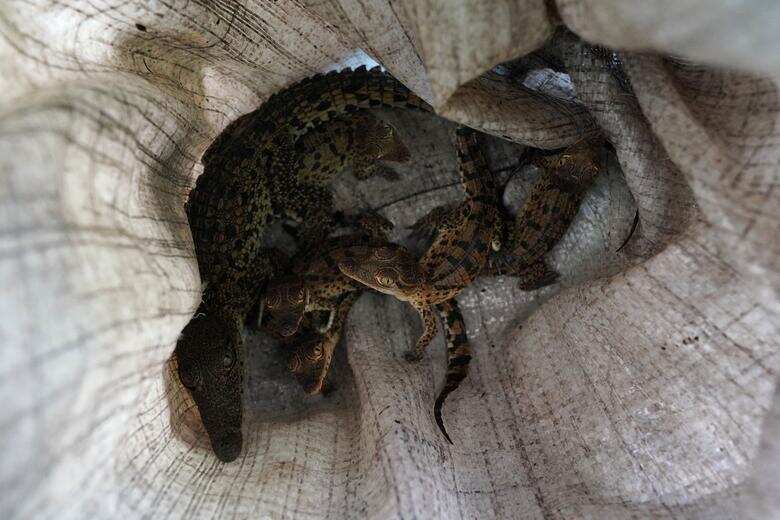
Annual hatchery program
The Cuban government funded a programme that annually releases several hundred crocodiles into the wild due to these worries decades ago. In addition, Perez and other researchers release crocodiles that have been taken from hunters as part of a programme that has helped the species' hunting decline.
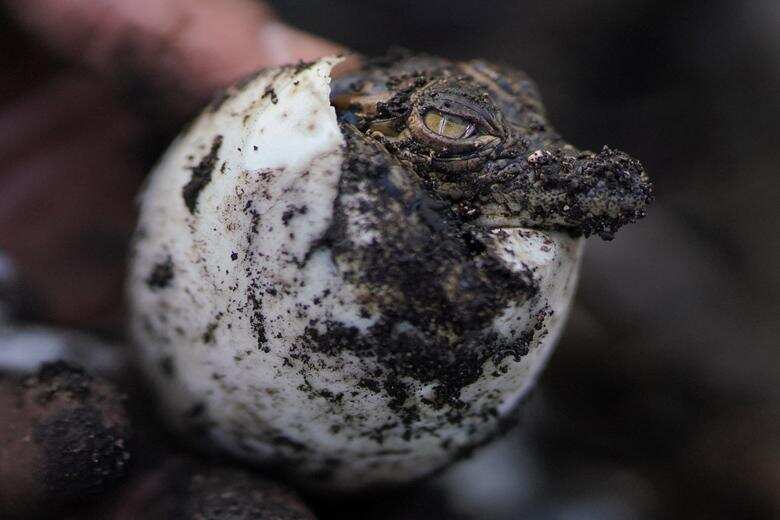
IUCN critically endangered
The International Union for the Conservation of Nature says its assessment and population estimates need to be updated but support long-standing worries about the species' limited habitat. The organisation designated the species as severely endangered in 2008.
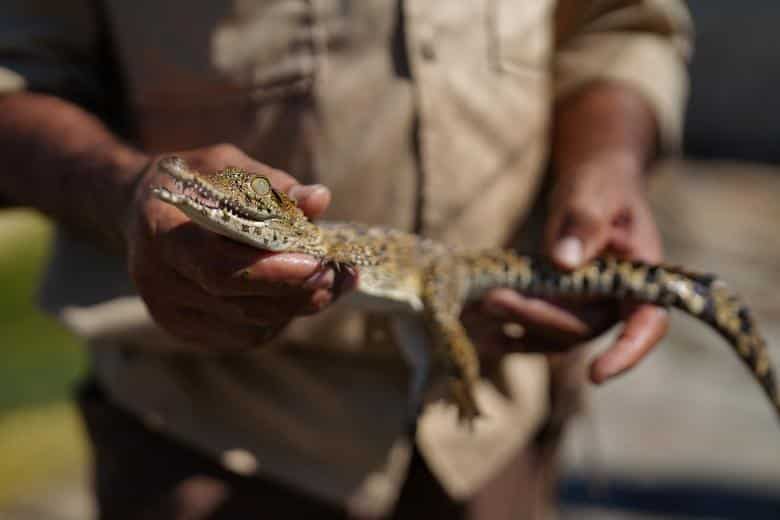
Middle of an economic crisis
In Cuba, an island nation in the Caribbean beset by a severe economic crisis, there are always hurdles, including a lack of fuel, outdated technology, and frequently hostile surroundings.
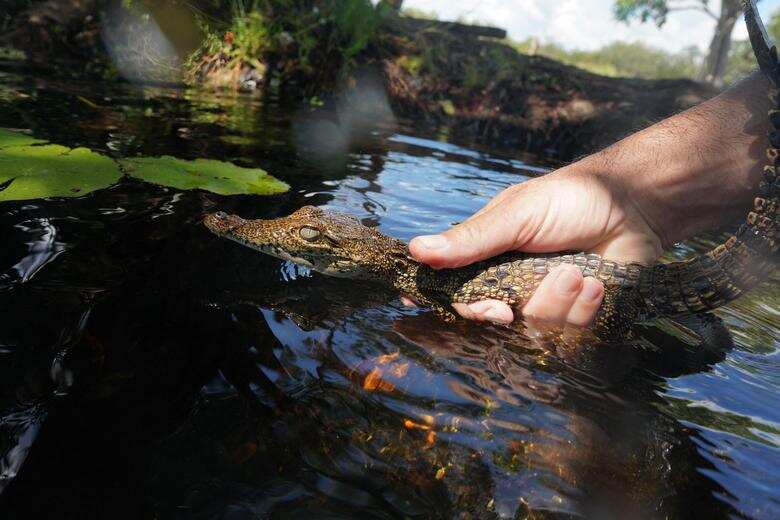
Freshly hatched
At Zapata, though, those worries seem unimportant as this year's crop of newly hatched crocodiles snap their teeth at chunks of fresh river fish, moving in tandem as they explore their new environment.
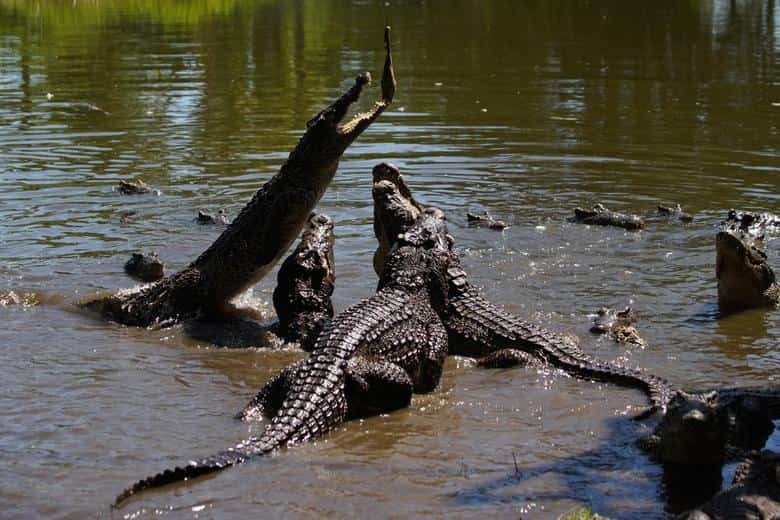
Intimidating predators
The scientists claim that the newborns quickly develop into ferocious and intimidating predators, capable of growing to lengths of almost five metres as adults.
)
)
)
)
)