In 40,000 years, Voyager 1 will brush past Gliese 445, the star of Camelopardalis

Voyager 1, launched in 1977, is on a trajectory that will take it near the star Gliese 445 in about 40,000 years. Though the spacecraft will be silent by then, its path raises questions about the significance of this encounter.
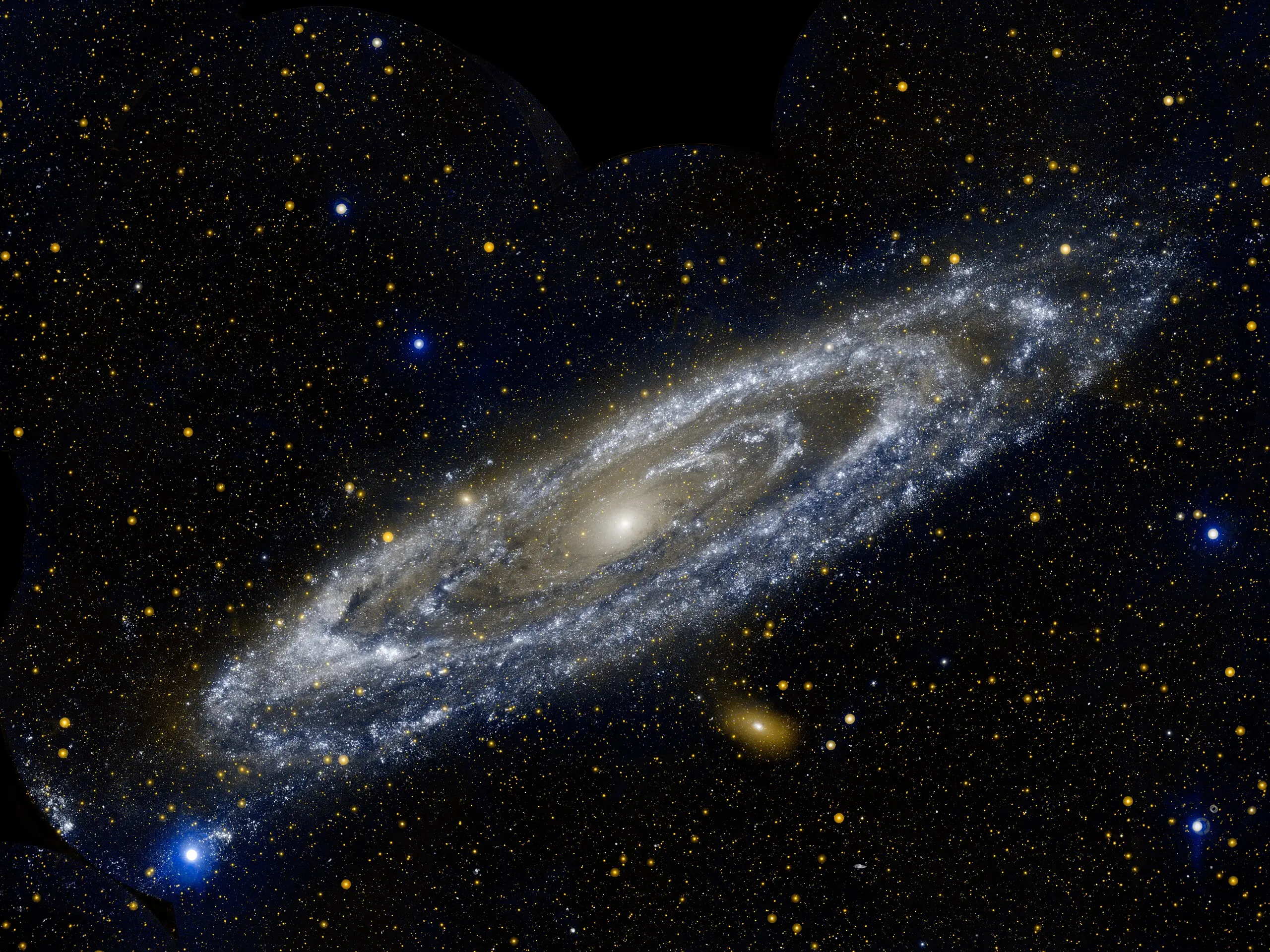
The Star in Context
Gliese 445 is a red dwarf located roughly 17 light years away. By the time Voyager approaches, the star itself will have moved closer to the solar system, making the passage possible.

The Distance of the Encounter
Voyager will not enter the star system directly but will pass within about 1.6 light years. For comparison, the nearest star to the Sun today, Proxima Centauri, is about 4.2 light years away.
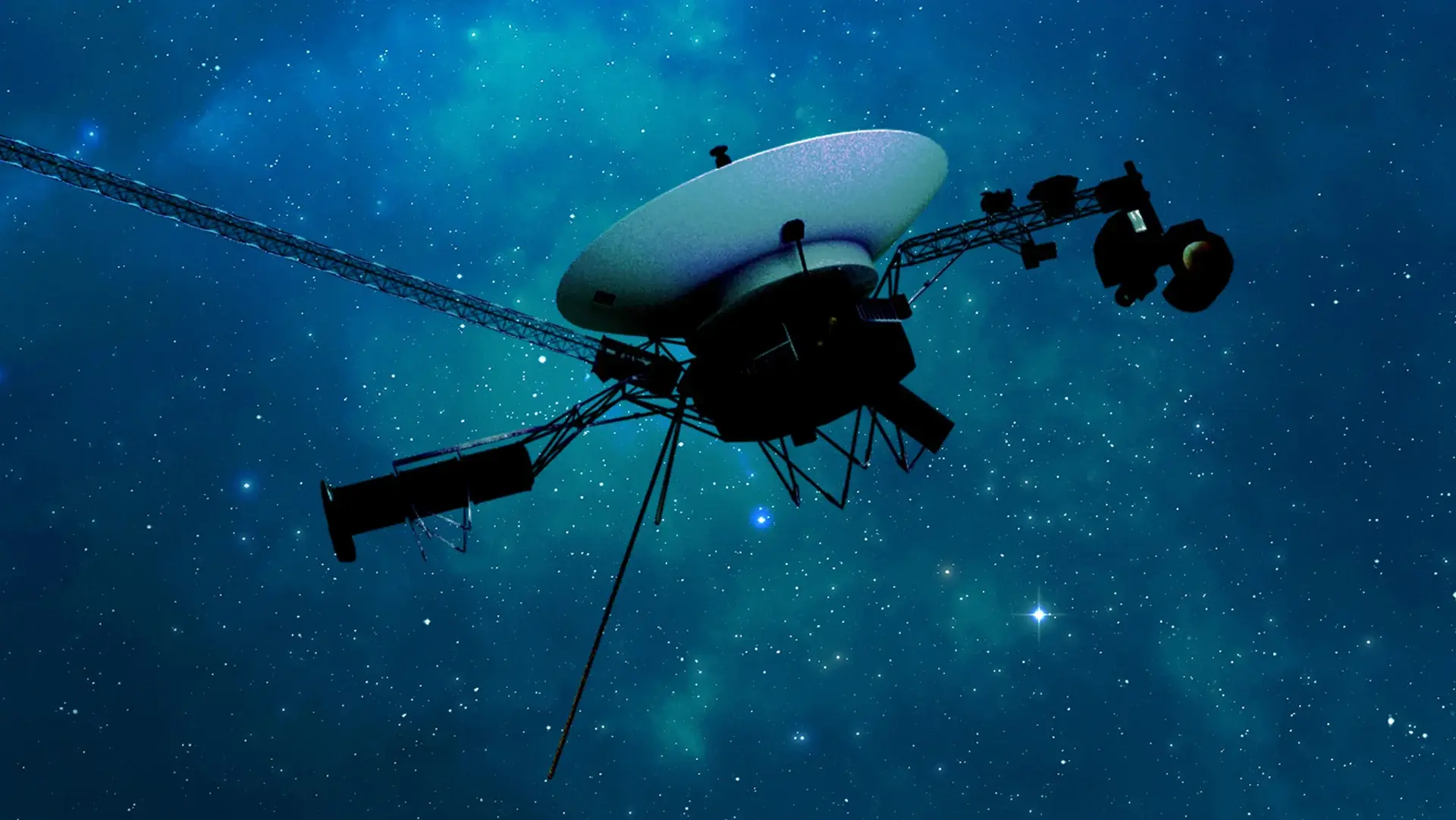
No Gravitational Capture
Despite the close approach, Voyager is unlikely to be captured by Gliese 445. Its speed and the weak gravity of a red dwarf make permanent capture improbable.

Scientific Perspective
If Voyager were still functional, it could measure the star’s stellar wind, magnetic field, and any surrounding plasma environment. However, its instruments will have long since shut down.

Hypothetical Encounters
Should Gliese 445 host planets or a comet cloud, Voyager might pass through such regions. This could alter its structure, though the likelihood remains very small.
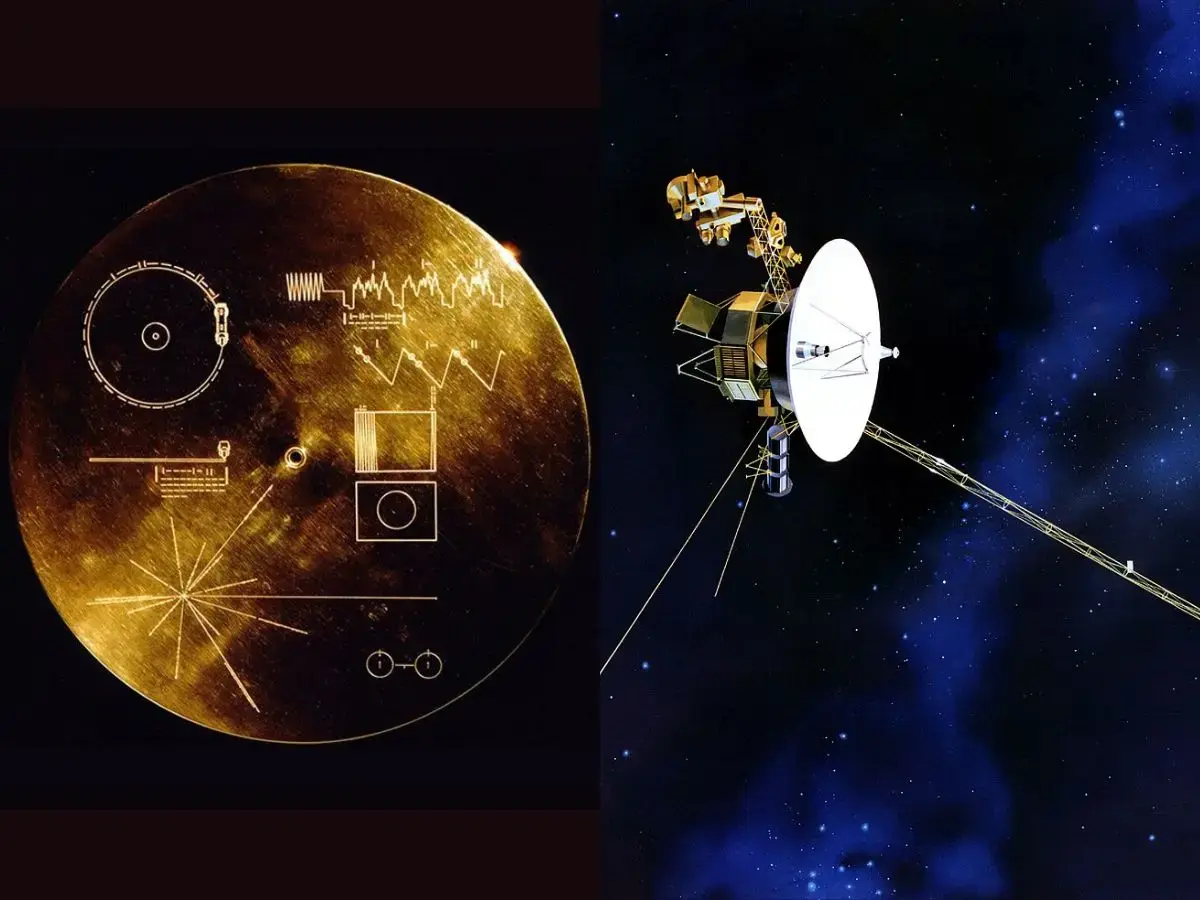
A Marker of Human Reach
The encounter symbolises the furthest extension of human-made technology into the galaxy, even if the event occurs silently and unnoticed.

The Legacy of the Fly-by
Though no data will be sent back, the projected meeting stands as a reminder of humanity’s early steps beyond the solar system, charted with remarkable precision.
)
)
)
)
)