In 2 million years, Voyager 2 could drift into the Galactic Halo but what is it?

To reach the halo would take on the order of two million years or more. By then, Earth’s continents and even the Sun’s brightness will have changed.
What We Mean by the Galactic Halo
The Galactic Halo is the vast, spherical region that surrounds the Milky Way. Unlike the bright, star-filled spiral arms we see in images, the halo is faint and diffuse, stretching far into intergalactic space. It is made up of dark matter, very old stars, and large amounts of hot, ionised gas.
The Scale of the Halo
The Milky Way’s visible disc is about 100,000 light years across, but the halo may extend three times further, perhaps up to 300,000 light years in radius. Voyager 2, travelling outward, would eventually drift into this outer region — though only after millions of years.
Composition and Contents
The halo contains:
Globular clusters: tightly packed groups of very old stars.
Field stars: individual stars on long, elliptical orbits.
Hot gas: detected in X-rays, thought to account for much of the galaxy’s missing baryonic matter.
Dark matter: invisible mass inferred from galactic rotation curves, believed to dominate the halo.
Why Voyager 2 Could Enter the Halo
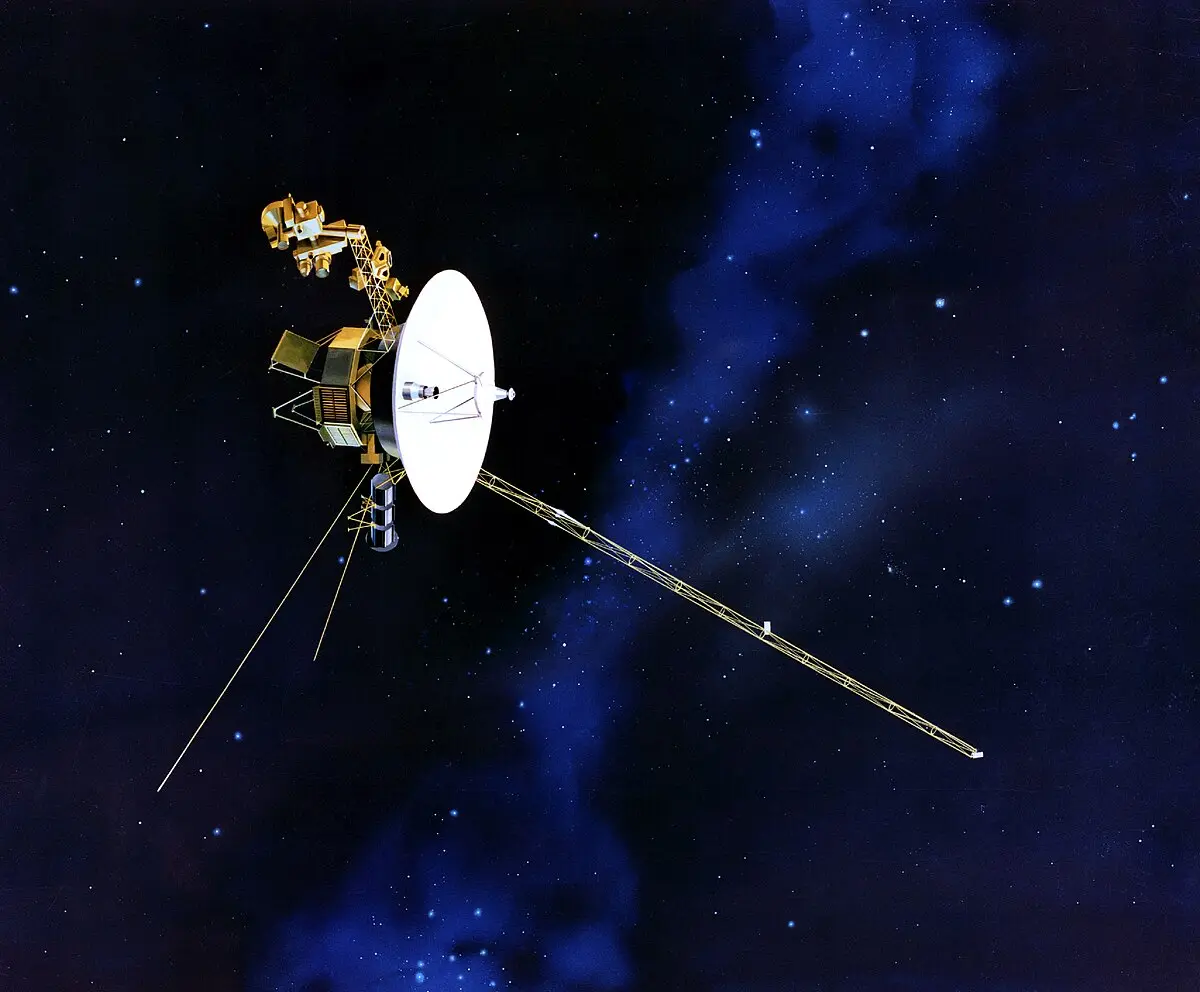
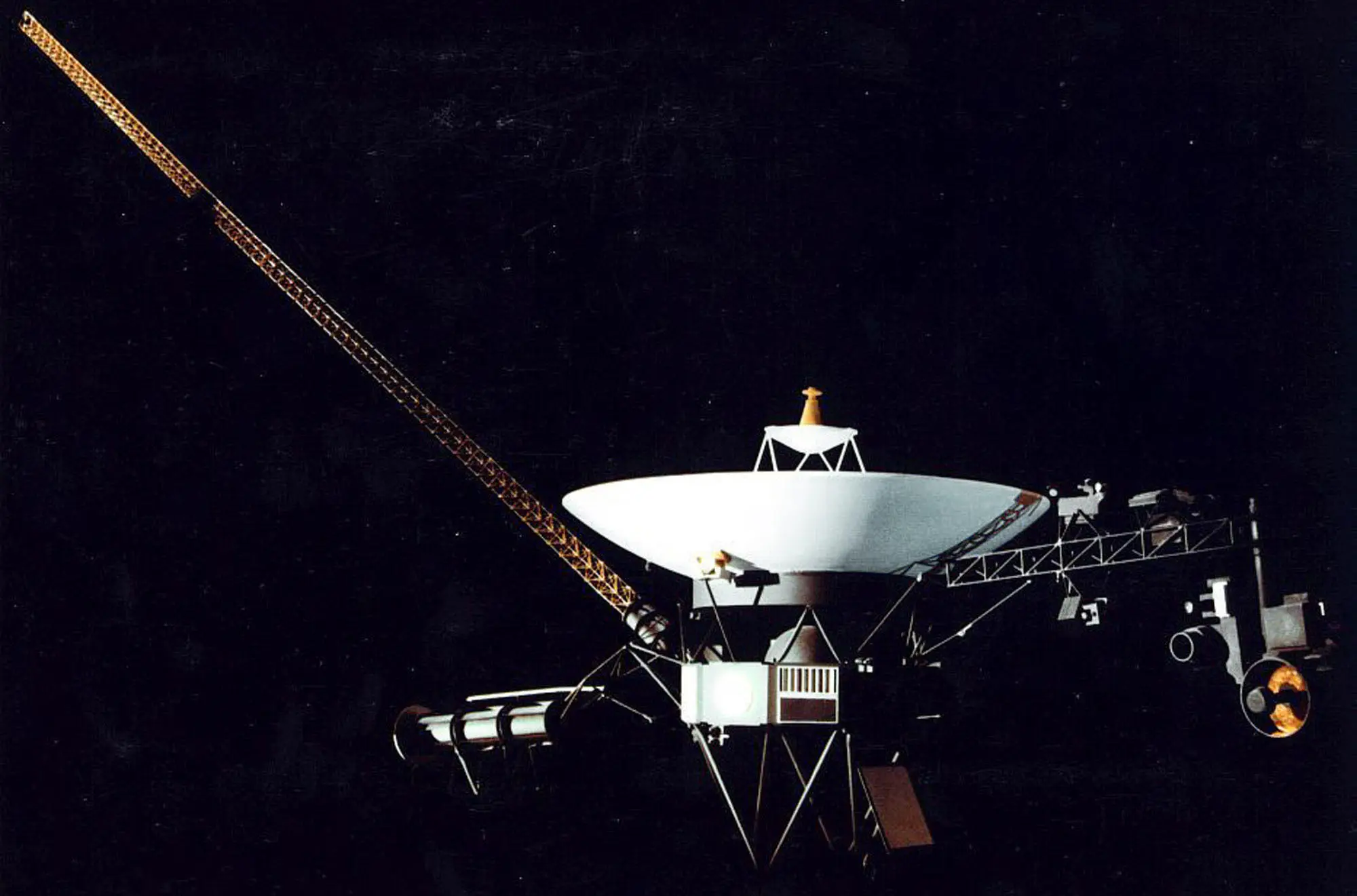
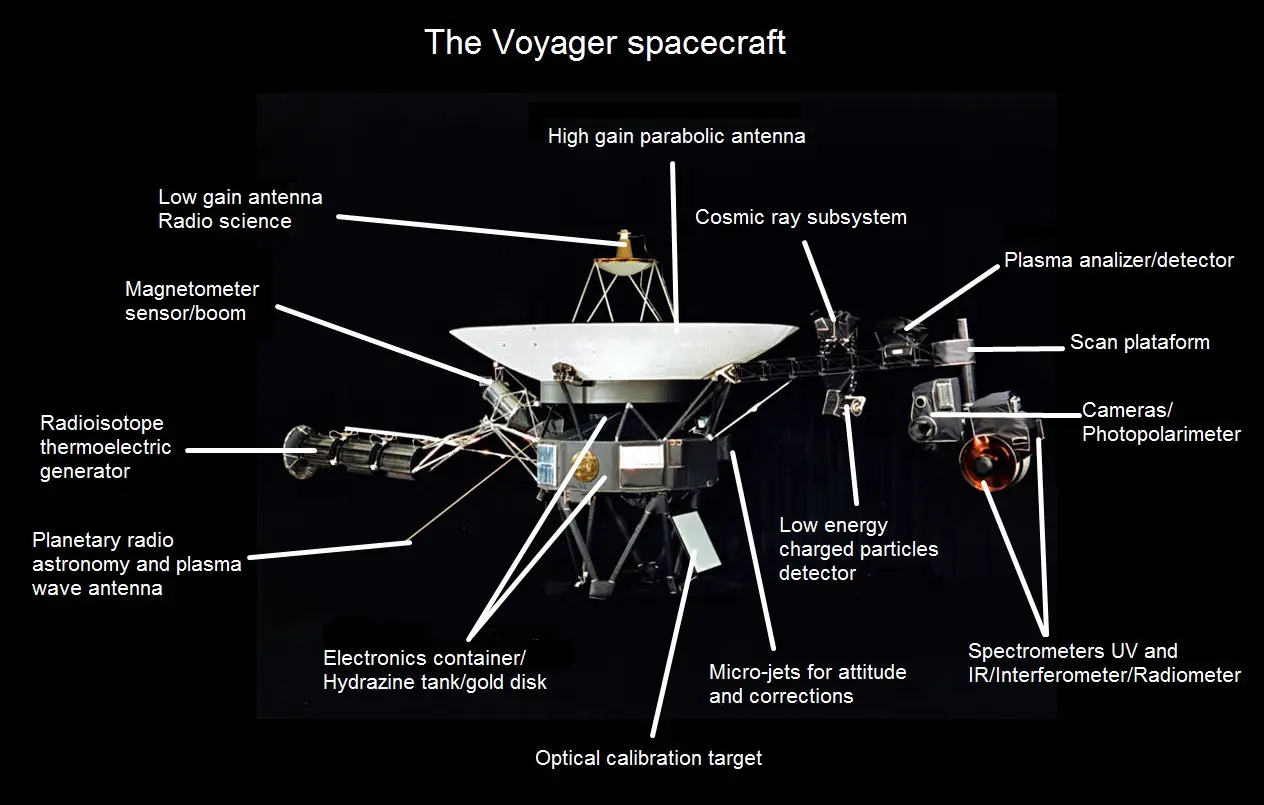
Voyager 2 is currently moving at about 55,000 km/h (15 km/s) relative to the Sun, on a hyperbolic escape trajectory. Given enough time, millions of years, it will pass beyond the disc of the galaxy and naturally drift into the halo’s outskirts.
The Timeframe for This Journey
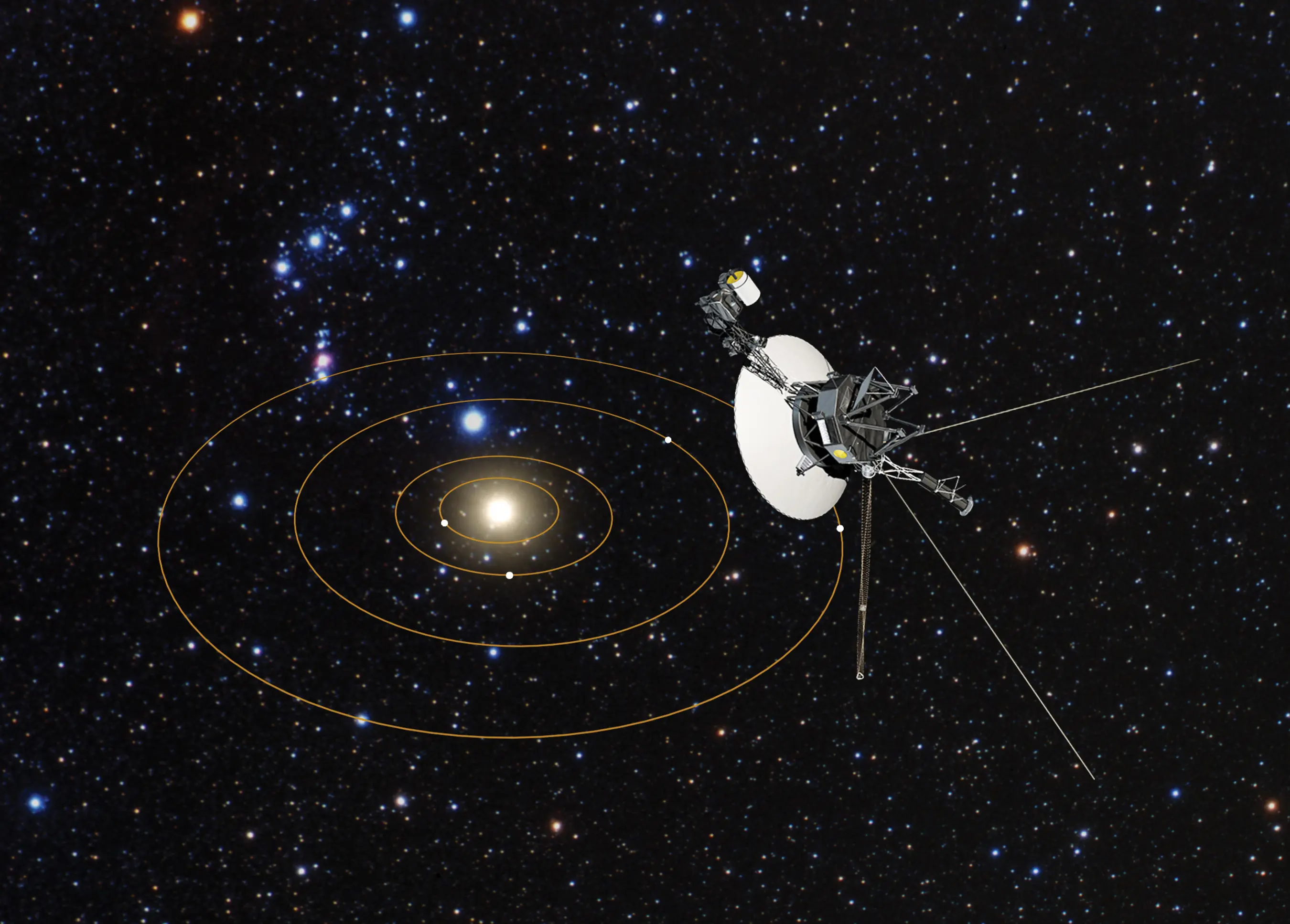
Voyager 2 is now only about 133 astronomical units from Earth, not even beyond the Oort Cloud. Crossing that alone will take tens of thousands of years. To reach the halo would take on the order of two million years or more. By then, Earth’s continents and even the Sun’s brightness will have changed.
Why the Halo Matters to Astronomers
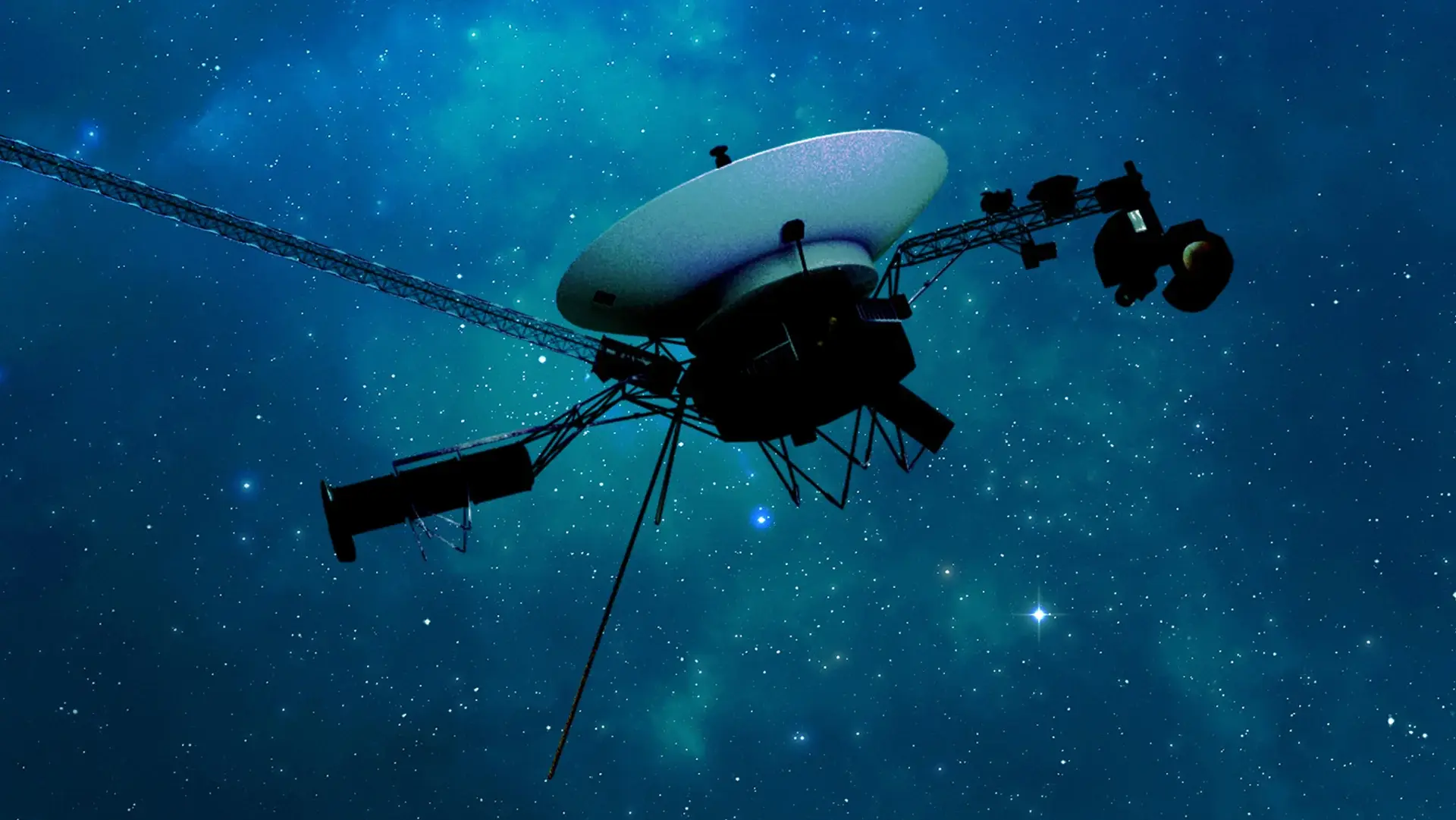
The Galactic Halo is key to understanding dark matter and the early history of the Milky Way. Its stars are some of the oldest in the galaxy, formed before the Milky Way settled into its spiral structure. Probes like Voyager drifting into the halo serve as reminders of how small our current reach is compared with the galaxy’s size.
Voyager 2 as a Future Relic
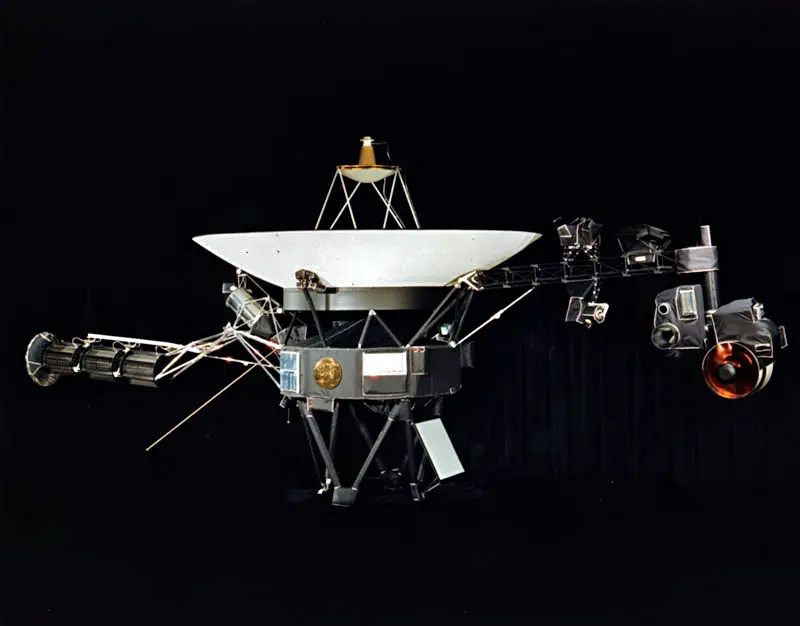
By the time it reaches the halo, Voyager 2 will be long silent, its instruments frozen and batteries exhausted. Yet it will still carry the Golden Record, drifting among ancient stars as a human artefact embedded in the galaxy’s wider halo environment.
)
)
)
)
)