Impact of the trade war on China

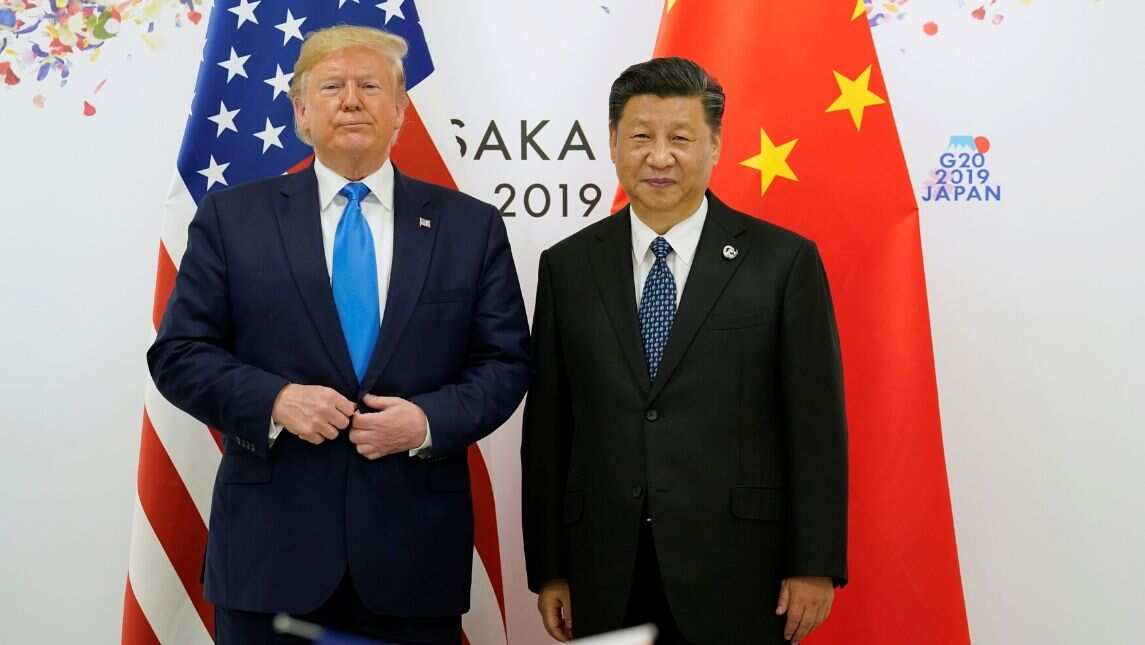
Why did the trade war start?
China's state-dominated economic model gave rise to the trade war. China coerced the transfer of foreign technology as the price of doing business there and unfairly subsidizes state-owned enterprises, fueling excess capacity that
swamps global markets.
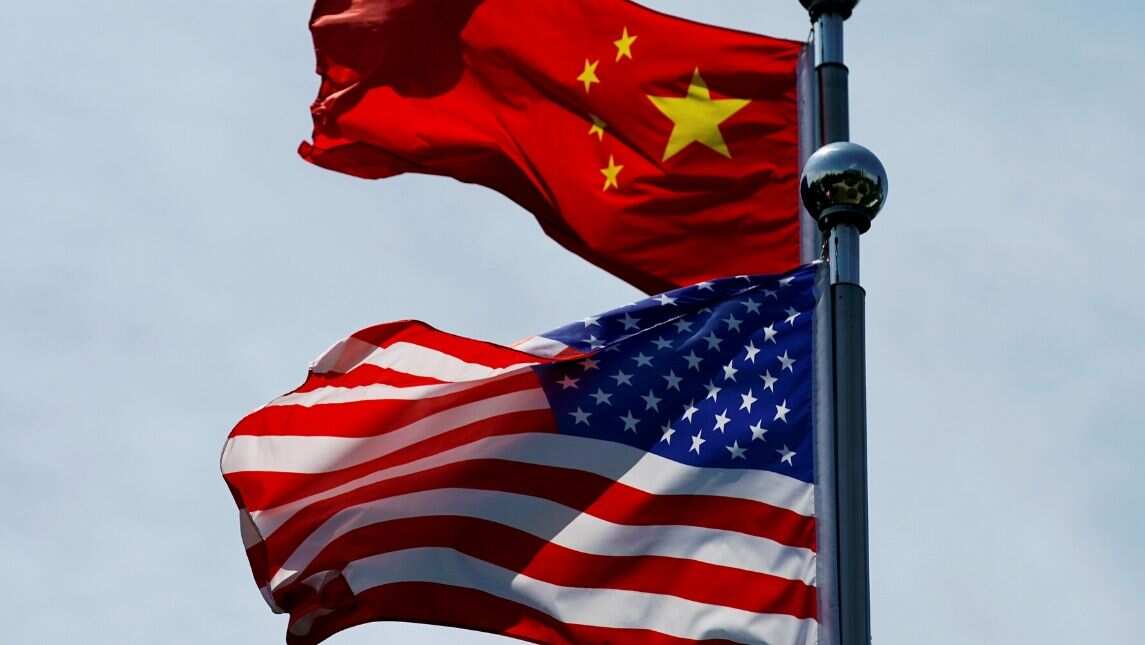
Added fuel to the fire:
The trade war added to tensions between China and the United States, whose ties are also strained over U.S. criticism of human rights issues in China, including protests in Hong Kong, the disputed South China Sea and U.S.
support for Chinese-claimed Taiwan.
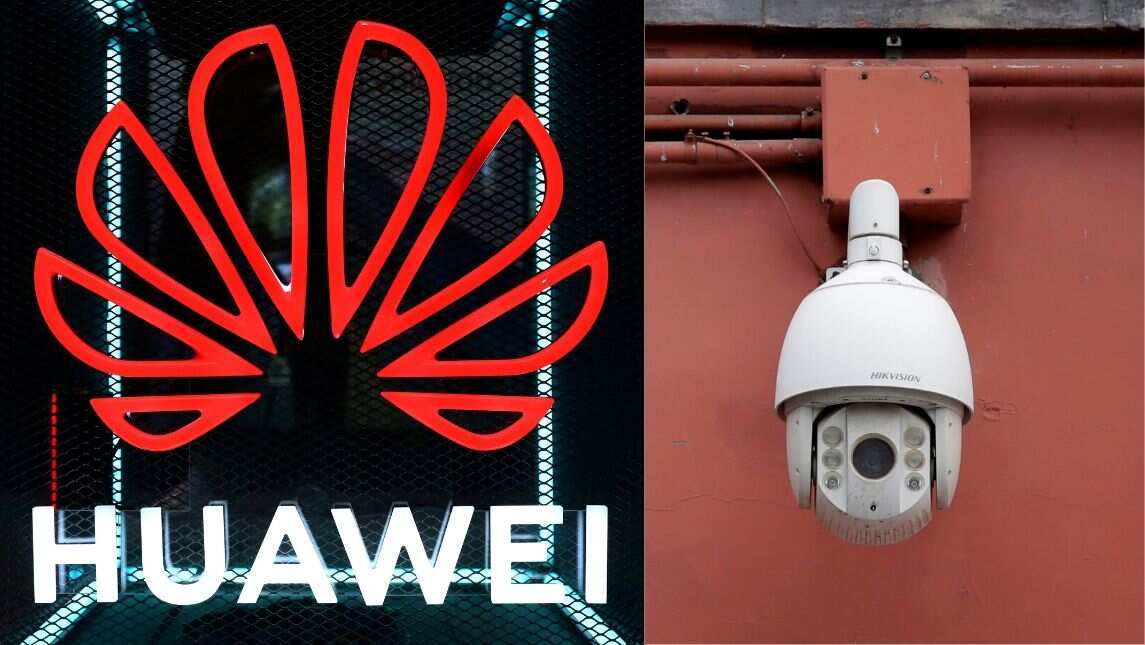
US blacklisted several Chinese companies:
Tensions mounted after US administration blacklisted 28 Chinese entities, including top artificial intelligence startups, over human rights concerns.
The initial blacklisting on Huawei, blocked the company from buying parts and components from US companies without US government approval, limiting its access to essential technologies such as Google Mobile Services. Hikvision, the world's largest maker of video surveillance gear, was also a part of the list.
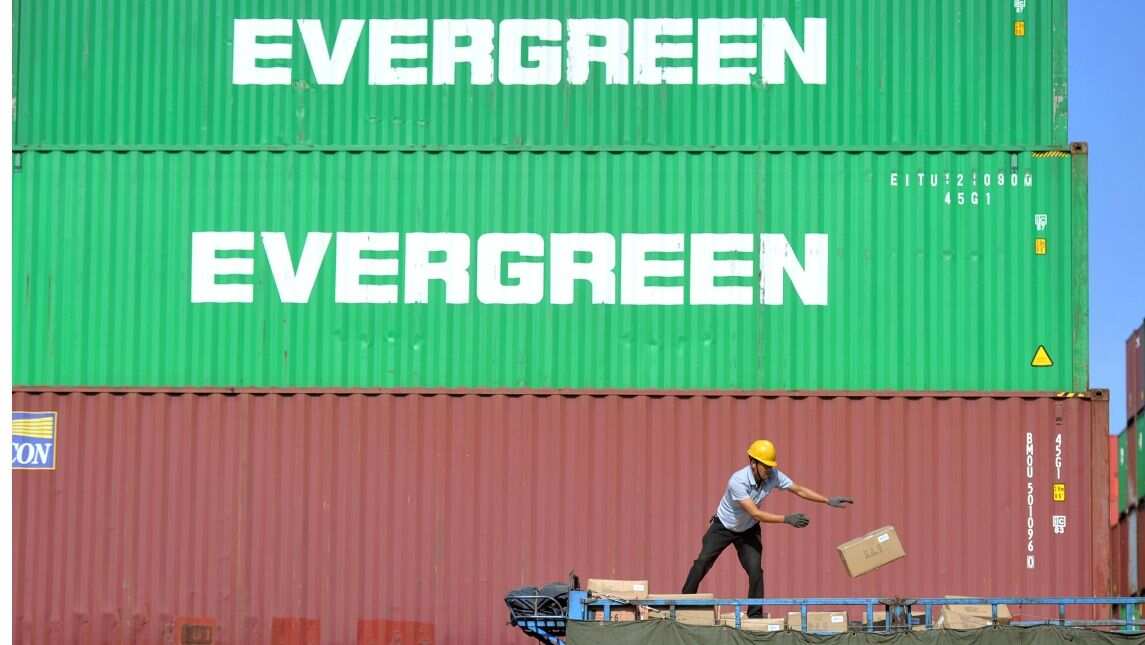
Impact on the Chinese economy:
The dispute has taken its toll on the Chinese economy. China's third-quarter economic growth slowed more than expected and to its weakest pace in almost three decades as the bruising U.S. trade war hit factory production, boosting the case for Beijing to roll out fresh support. China's expected economic growth slowed to a near 30-year low of 6.2% this year and is expected to cool further to 5.9% in 2020, underlining the stiff challenge faced by Beijing even as it steps up stimulus amid a bruising Sino-US trade war. Its Gross domestic product (GDP) rose just 6.0% year-on-year, marking a further loss of momentum for the economy from the second quarter's 6.2% growth.
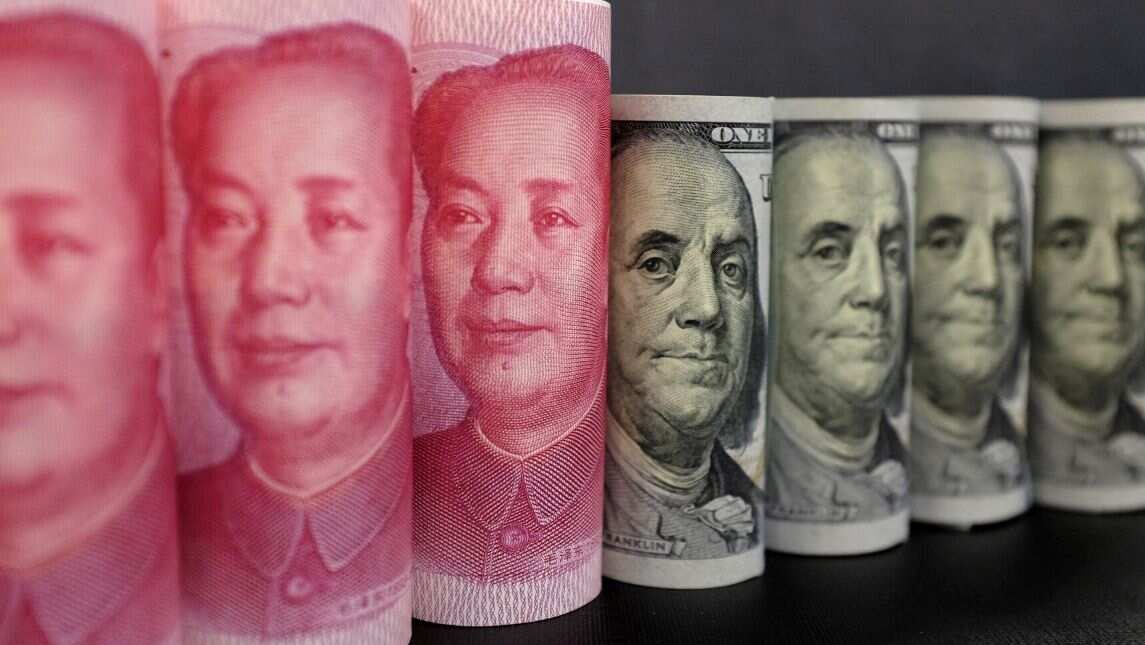
China tried to manipulate its currency:
To counter losses from the trade war and regain export competitiveness, the People's Bank of China consistently set the yuan's mid-point rate above the key 7 per dollar rate, allowing it to fall about 2 per cent after Washington labelled it a currency manipulator in August.
Long road ahead:
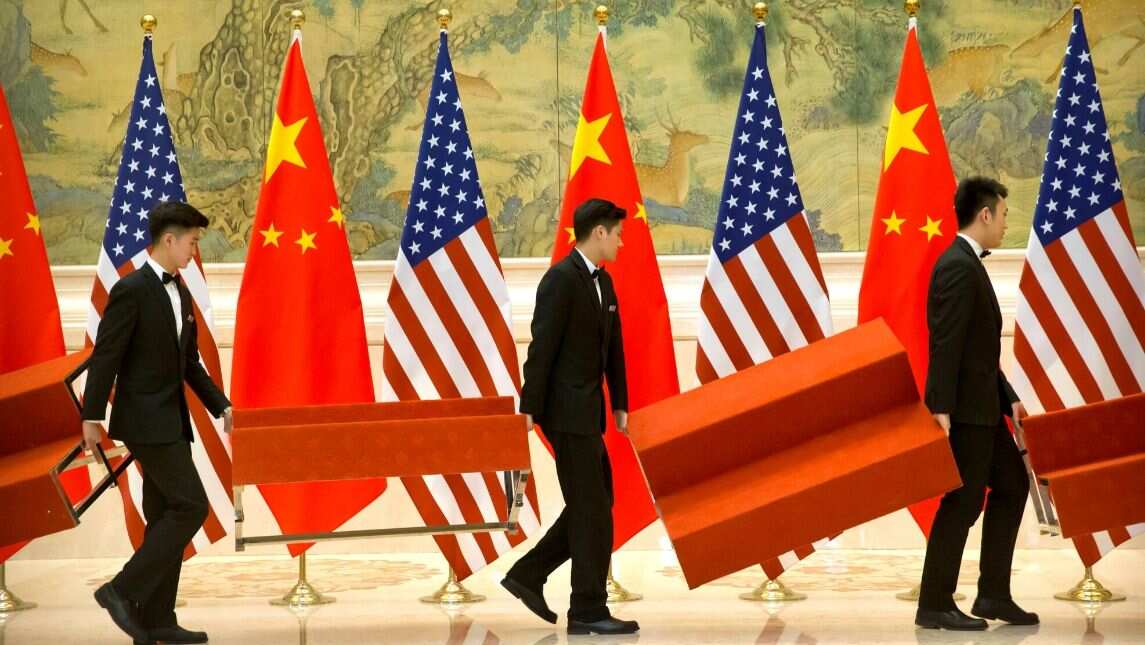
Even recent signs of breakthrough in the protracted trade war between Beijing and Washington are unlikely to change the economic outlook any time soon. Although US President Donald Trump said last week that the two sides had reached agreement on the first phase of a deal and suspended a tariff hike, but officials warn much work still needed to be done.
)
)
)
)
)