If Greenland is attacked, would NATO defend? Here's how International law could stop the US

The US has announced to acquire Greenland by force, which has sparked concern for European nations, along with Denmark. Meanwhile, NATO's silence in response to threats to seize has also raised alarm.
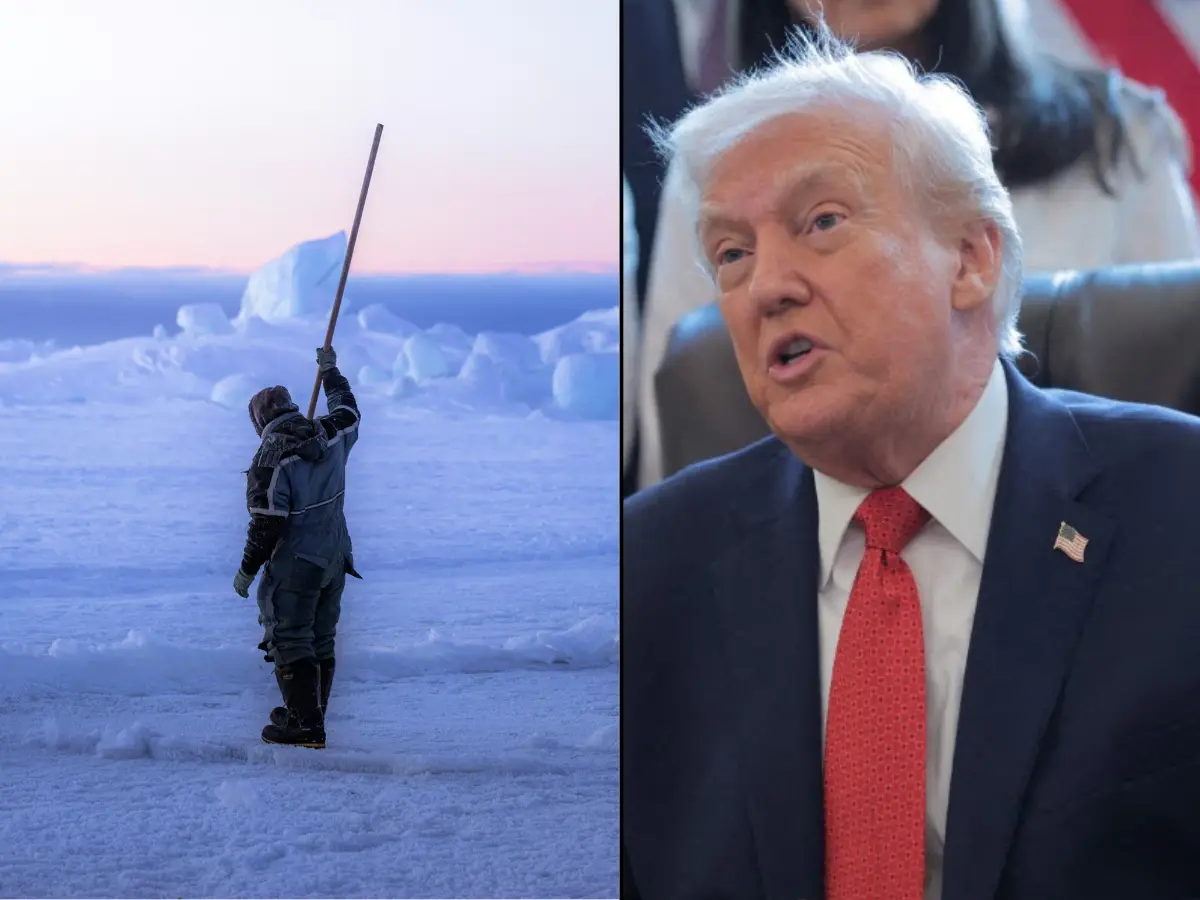
NATO territory
Greenland, an autonomous territory of Denmark, is also a NATO territory by virtue of the membership of the Denmark. Recently, the US has announced that acquiring it by force has sparked debate over international law that might constrain the forceful seizure of Greenland. Meanwhile, NATO’s silence in response to threats to seize has also raised alarm among European capitals fearful that the alliance is failing to defend the rights of Denmark, as per the Financial Times report.

NATO Article 5 applies to Greenland
NATO’s North Atlantic Treaty (1949) covers the territory of member states, and Denmark’s sovereignty over Greenland is recognised by the US itself in the 1951 Defence of Greenland Agreement. An armed attack on Greenland would qualify as an attack on Denmark, triggering Article 5 consultations and potentially collective defence.
In response, Danish Prime Minister Mette Frederiksen has warned that an armed US attack to take Greenland will end the 76-year-old Western military alliance. "Certainly, a military attack would be the end of NATO, because then Denmark would have to invoke Article 5 of NATO, which is the oath that countries have to come and protect us. Then the Americans and all other countries would be obliged to come and help Denmark protect Denmark against the United States. Of course, the Americans would veto that, and then NATO would be dead," he said.
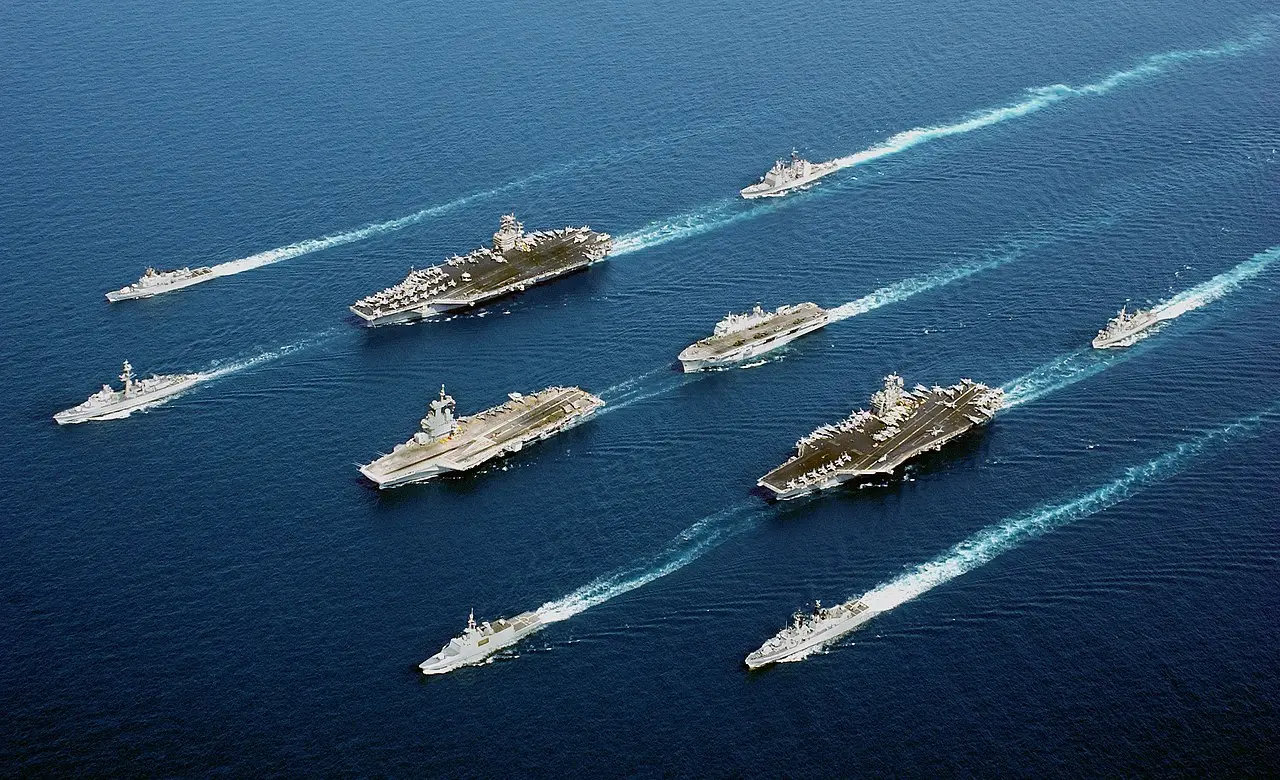
Article 5 is not automatic—it requires invocation
Article 5 does not activate automatically; the attacked member must formally invoke it after consultations. Historical precedent: Greece and Turkey clashed in 1974 without invoking Article 5 against each other. Therefore, Denmark would go for a diplomatic resolution instead.
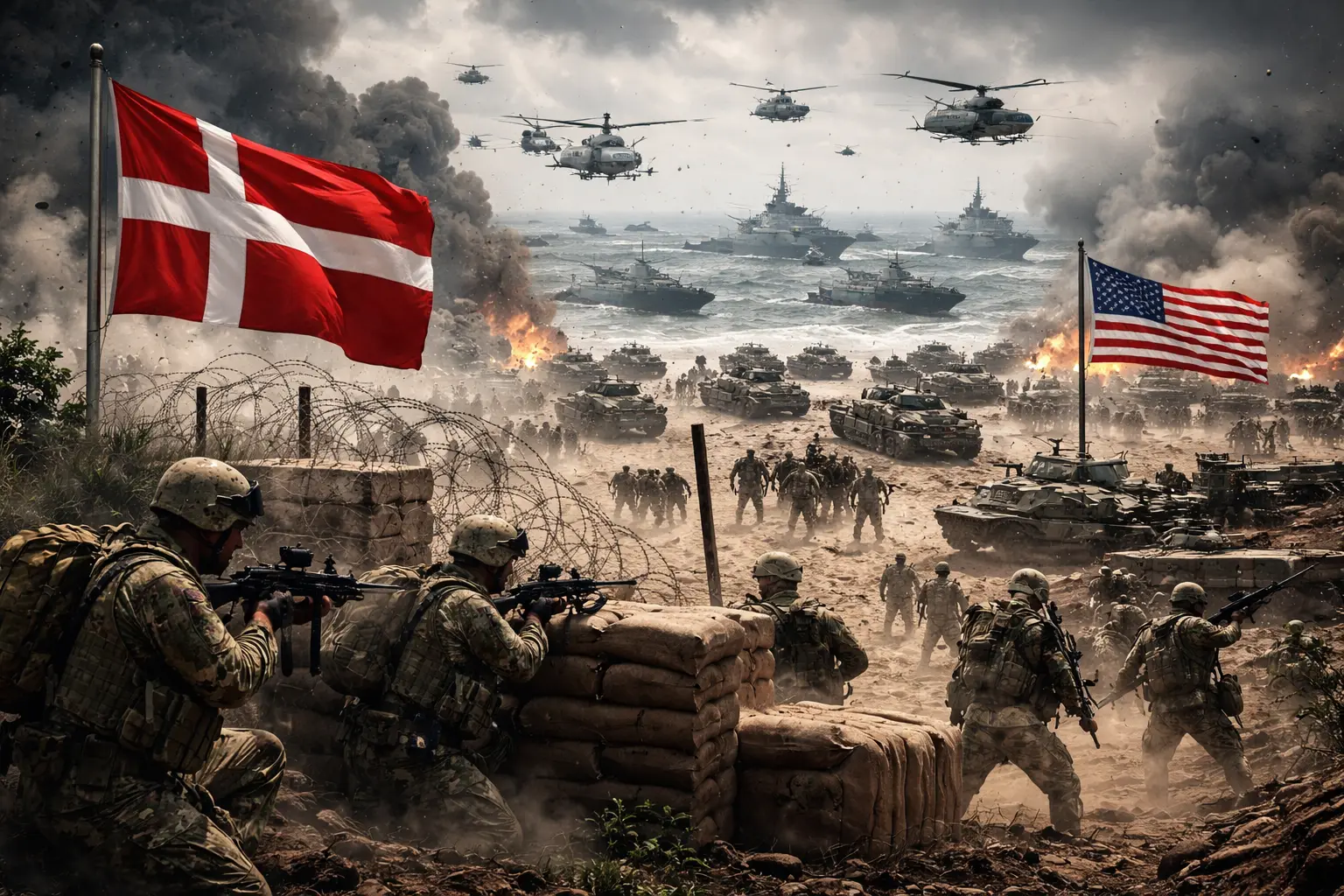
US veto power and practical deterrence
Even if invoked, the US holds veto power in NATO decisions via its troop presence and funding dominance (about 70 per cent of alliance budgets). No other member could realistically fight the US, and invoking Article 5 against Washington would fracture the alliance.
UN Charter Article 2(4) prohibits use of force
International law bans the threat or use of force against the territorial integrity or political independence of any state under the UN Charter of 1945. US attack or coercion for Greenland would violate this peremptory norm (jus cogens), rendering any annexation invalid and exposing Washington to sanctions, ICJ action or Security Council condemnation (veto likely).
This is because, Article 2(4) of the UN Charter is a cornerstone principle of international law, obligating all UN members to refrain from the threat or use of force against the territorial integrity or political independence of any state, aiming to maintain global peace and security by preventing aggression and promoting peaceful dispute resolution. The law bans unilateral military actions, threats, and any coercive interference, serving as a fundamental rule against war between nations, with exceptions like self-defence under Article 51.
Greenlanders’ right to self‑determination
The 2009 Self‑Government Act recognises Greenlanders as a people with self‑determination rights under international law. Any transfer bypassing their free consent would breach UN instruments (e.g., ICCPR Article 1). Denmark cannot alienate territory without a referendum; coercion would invalidate treaties under the Vienna Convention on the Law of Treaties.
Denmark Member of Parliament and Chairperson of the Defence Committee, Rasmus Jarlov, stated that there is no threat, hostility or justification for Trump to attack Greenland since the US already has access to Greenland. He added that both nations have a defence agreement that allows them access to do mining. "There's absolutely no need for this, and we hope we can get it back on track and that it doesn't escalate," he explained, NDTV reported.
)
)

)
)