If black holes trap all light, how do we spot and measure the mass of the universe’s heaviest monsters?

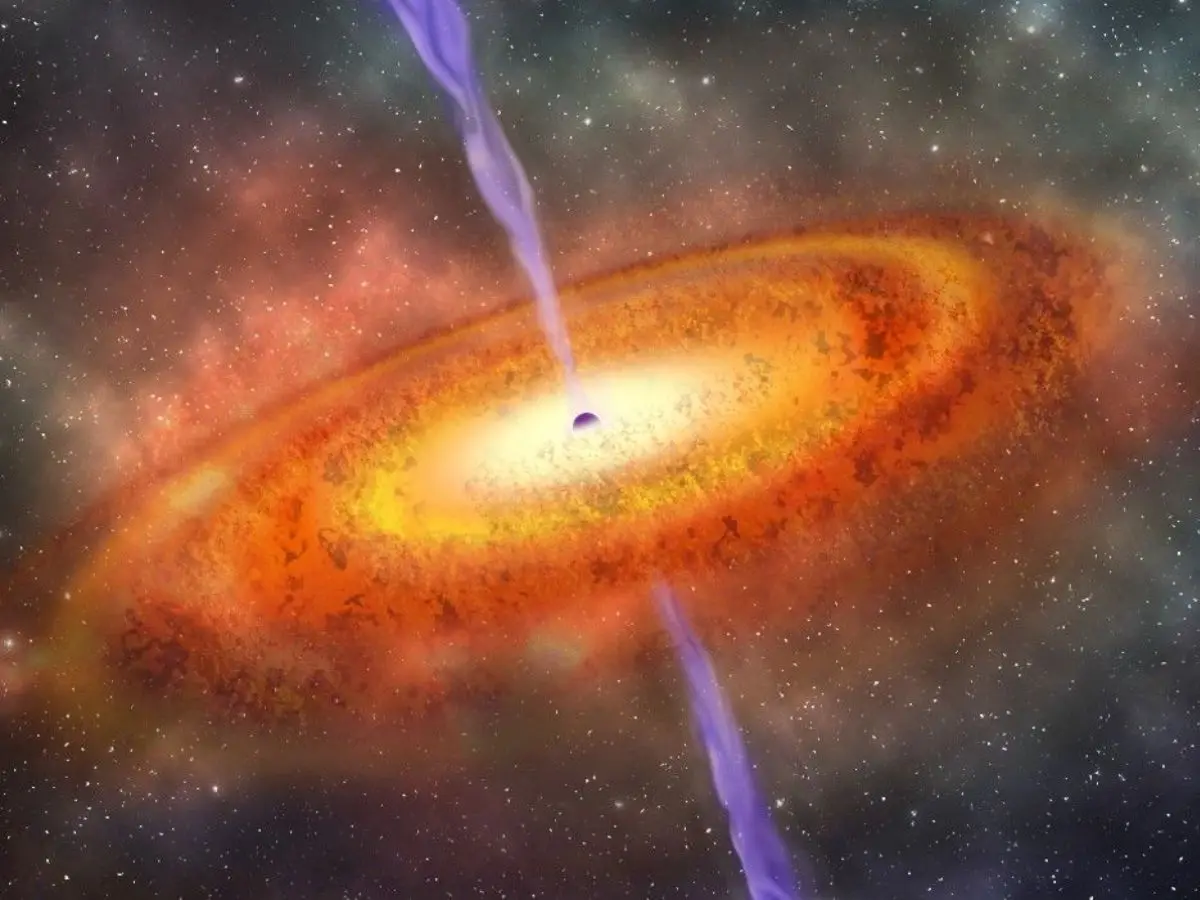
When gas or dust spirals towards a black hole, it forms an accretion disc that heats up to millions of degrees, producing some of the brightest emissions in the universe.
Understanding the nature of black holes
Black holes are among the most intriguing objects in the universe, defined by their extraordinary gravity. All their mass is concentrated into an incredibly small region, surrounded by the event horizon, the boundary beyond which nothing, not even light, can escape. This makes a black hole itself invisible. Yet their presence can be inferred from the way they interact with surrounding matter and space. When gas or dust spirals towards a black hole, it forms an accretion disc that heats up to millions of degrees, producing some of the brightest emissions in the universe. This paradox of invisibility and extreme brightness has allowed astronomers to study black holes billions of light years away, and even to capture images of the ring of light around an event horizon, as achieved by the Event Horizon Telescope.
Measuring the mass through stellar motion
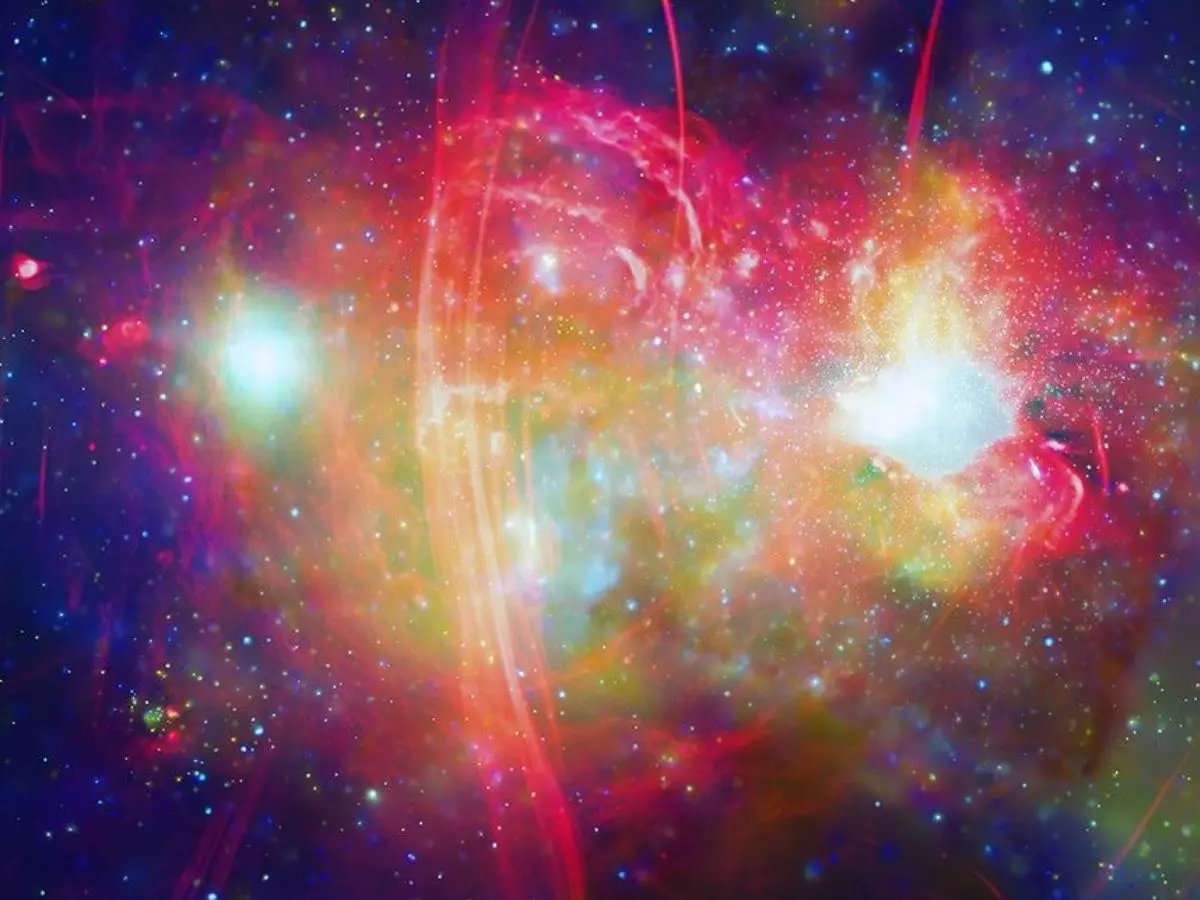
The most common method for calculating the mass of a supermassive black hole involves observing the motions of stars and gas clouds in its vicinity. Located at the centres of galaxies, these immense objects exert powerful gravitational pulls, influencing the orbits of nearby matter. By using telescopes to track the speed, shape and size of these orbits, scientists can apply Newton’s law of gravitation or Kepler’s laws of planetary motion to calculate the black hole’s mass. The faster the stars move, the greater the gravitational force acting upon them, and therefore the more massive the black hole must be.
Techniques for precise measurement
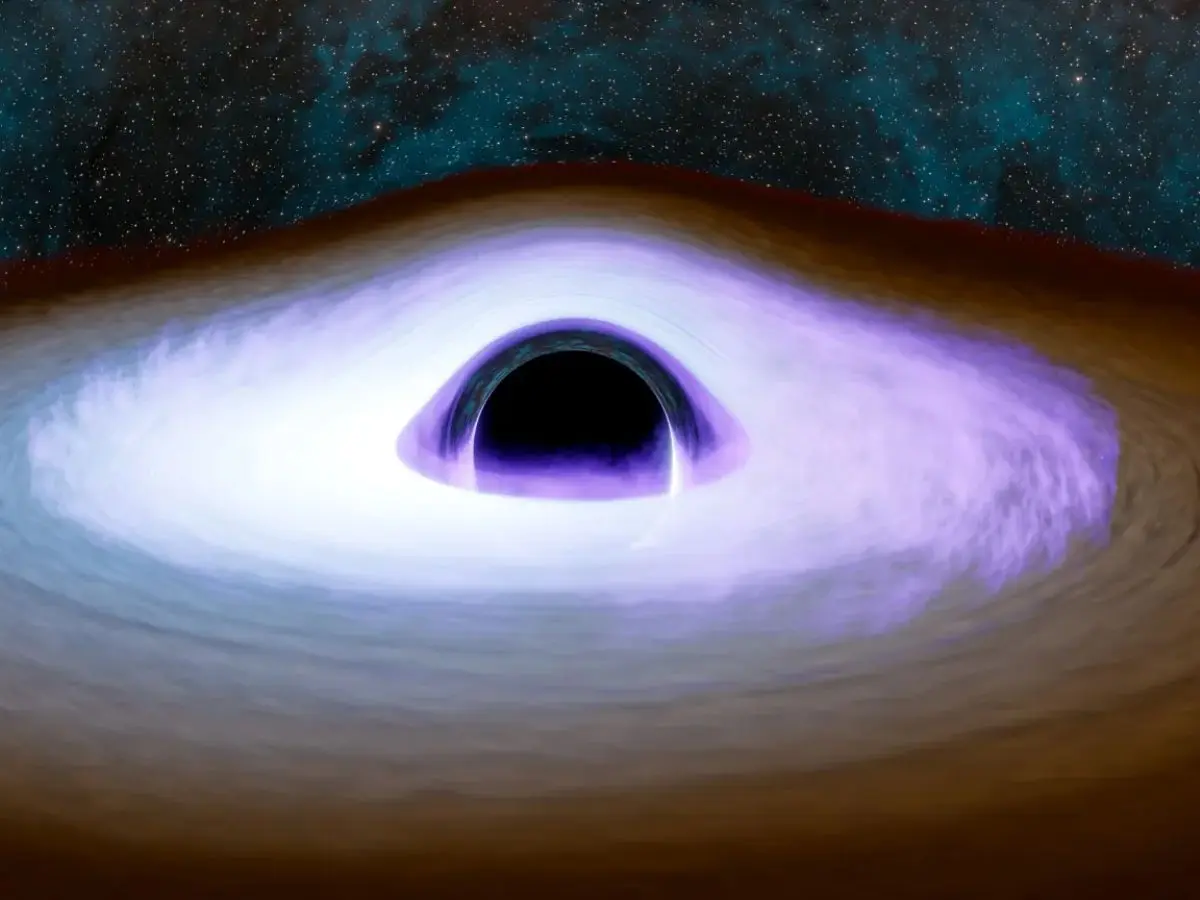
There are several complementary techniques for determining a black hole’s mass. Velocity dispersion, the range of speeds of stars within a galaxy’s central region, can be measured and related to the galaxy’s properties to estimate the central black hole’s size. Another approach, reverberation mapping, measures the time delay between changes in light from the accretion disc and the corresponding response from surrounding gas clouds. This delay reveals the scale of the region close to the black hole, from which its mass can be derived. NASA’s James Webb Space Telescope is expected to refine such measurements with unprecedented accuracy.
Why black holes can be studied despite their invisibility
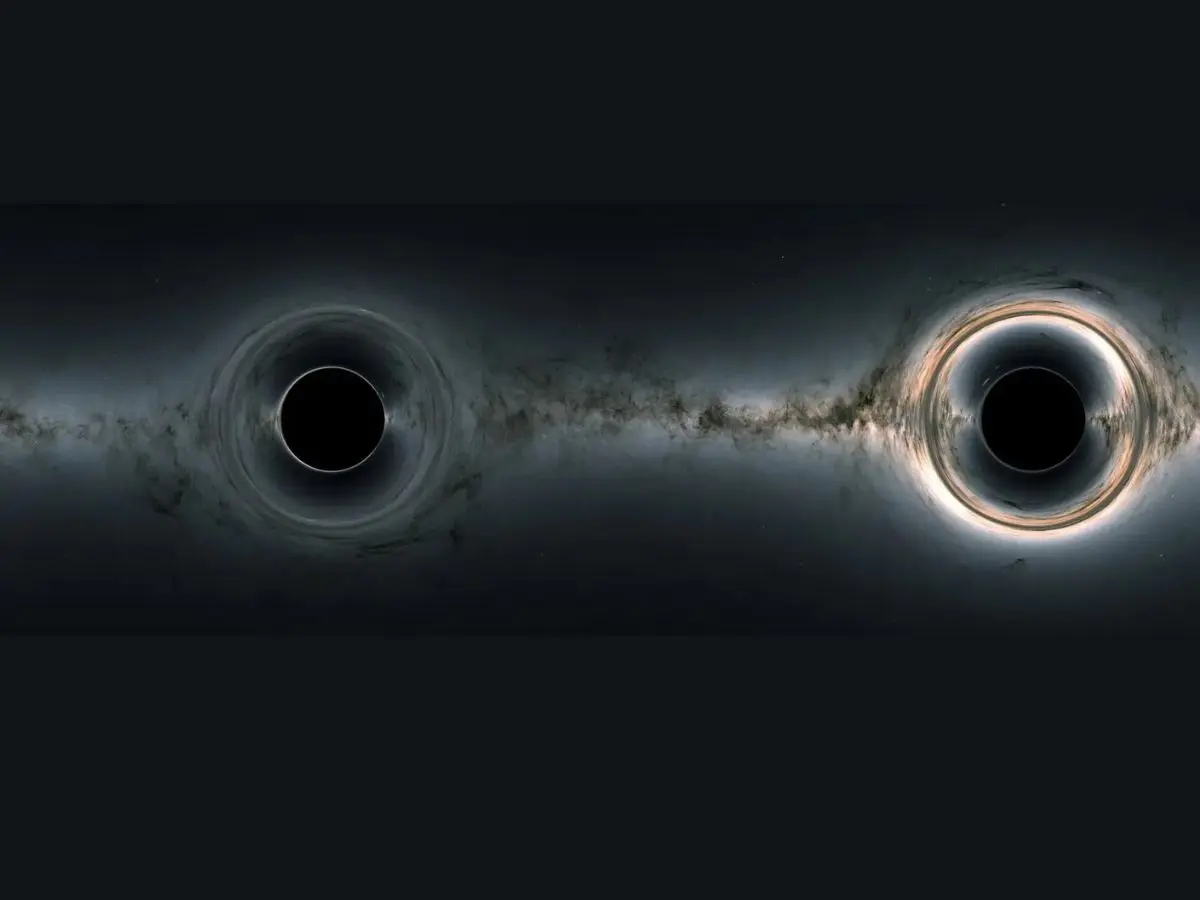
No light of any kind, including X-rays, can escape from within the event horizon. However, the extreme gravity outside this boundary creates observable effects. As matter falls towards the event horizon, it heats up and emits intense radiation, particularly in X-rays, which can be detected by space telescopes such as Chandra and XMM-Newton. This high-energy glow offers a direct way to locate actively feeding black holes.
Observing gravitational influence on nearby matter
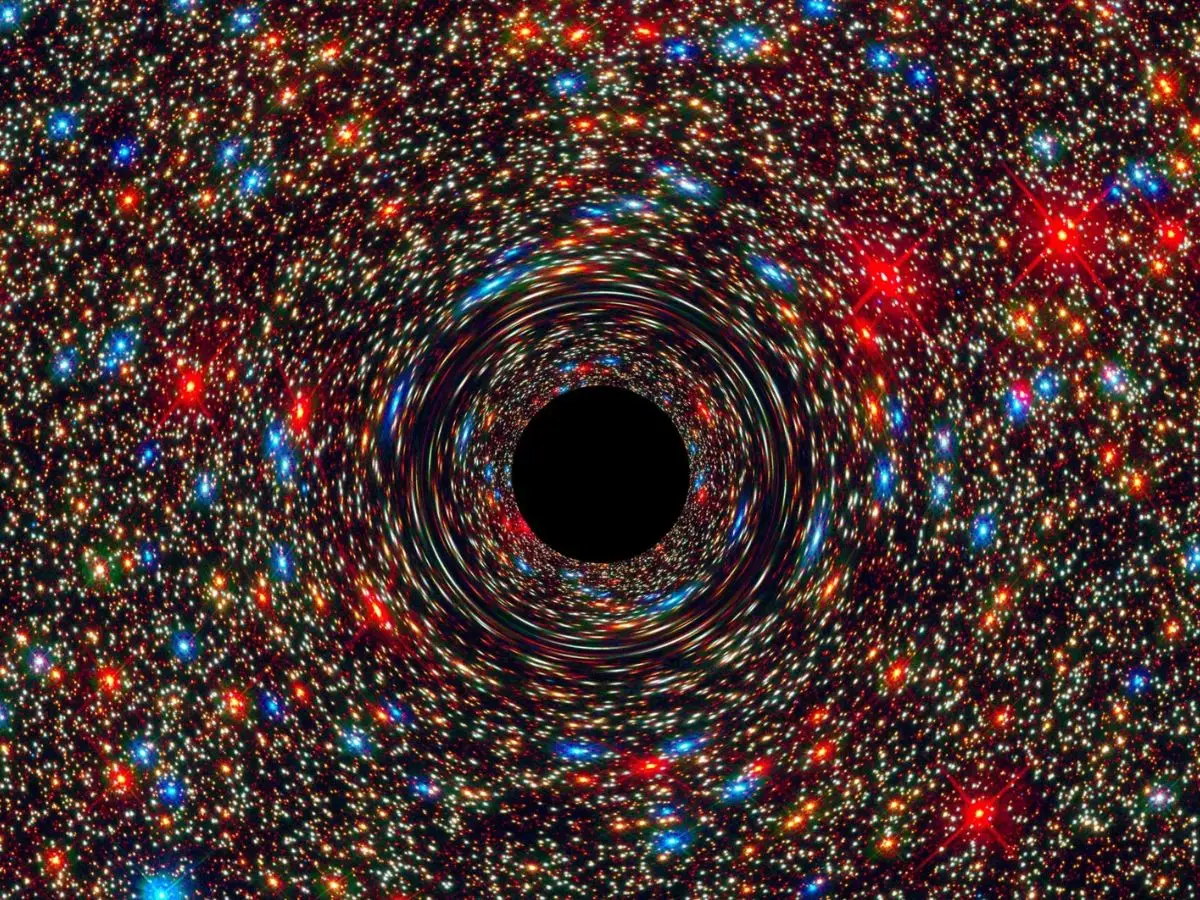
Even in the absence of bright emissions, a black hole’s presence can be deduced from the behaviour of nearby stars. A notable example is the work of Nobel Prize winner Andrea Ghez and her team, who tracked stars orbiting an apparently empty region at the centre of our galaxy. Their motions revealed the supermassive black hole Sagittarius A, providing one of the most convincing proofs of a black hole’s existence.
Detecting gravitational waves and lensing effects
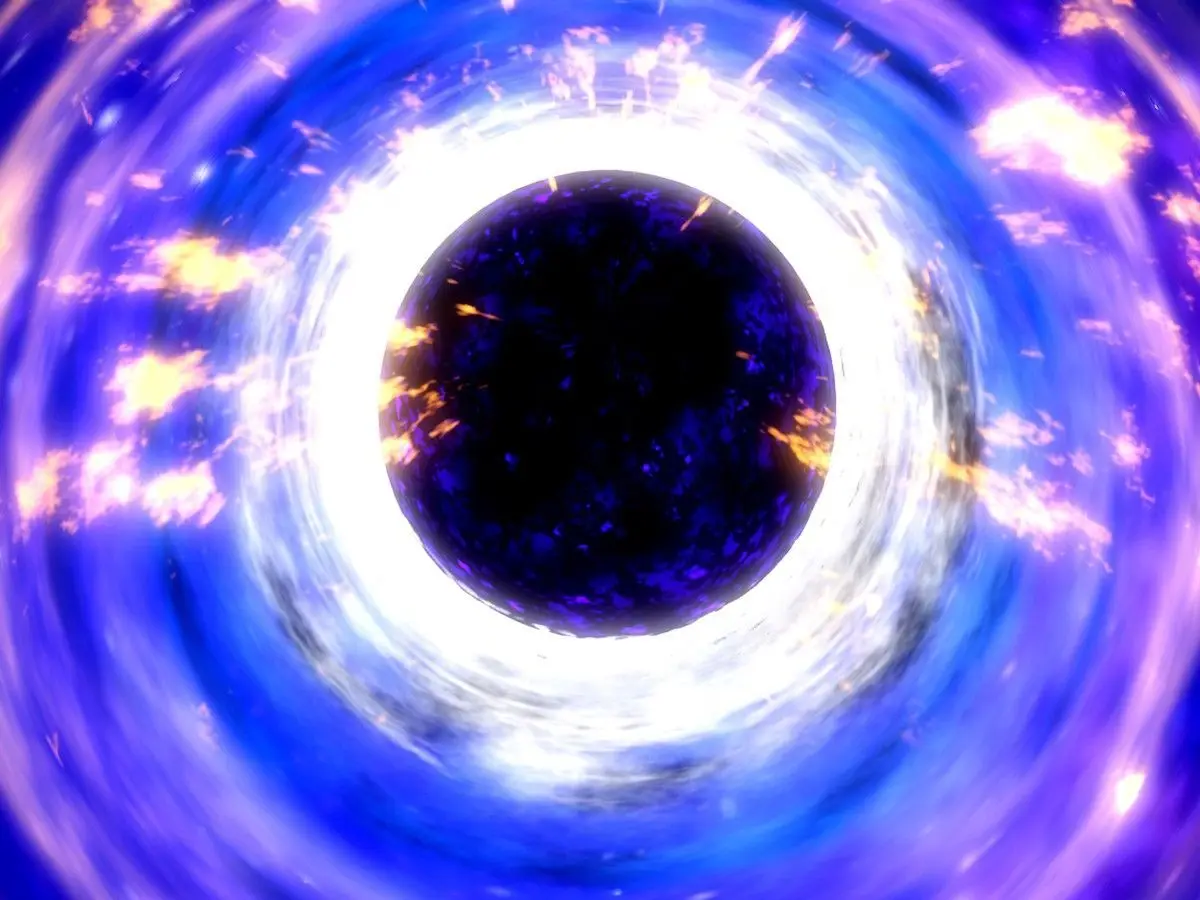
When two black holes collide, they send ripples through spacetime called gravitational waves. These are detected by instruments such as LIGO and Virgo, which can measure the masses, distances, and velocities of the merging black holes. In addition, black holes bend light from more distant objects, a phenomenon known as gravitational lensing, which can be used to detect and study them even when they are otherwise invisible.
A complete picture from indirect evidence
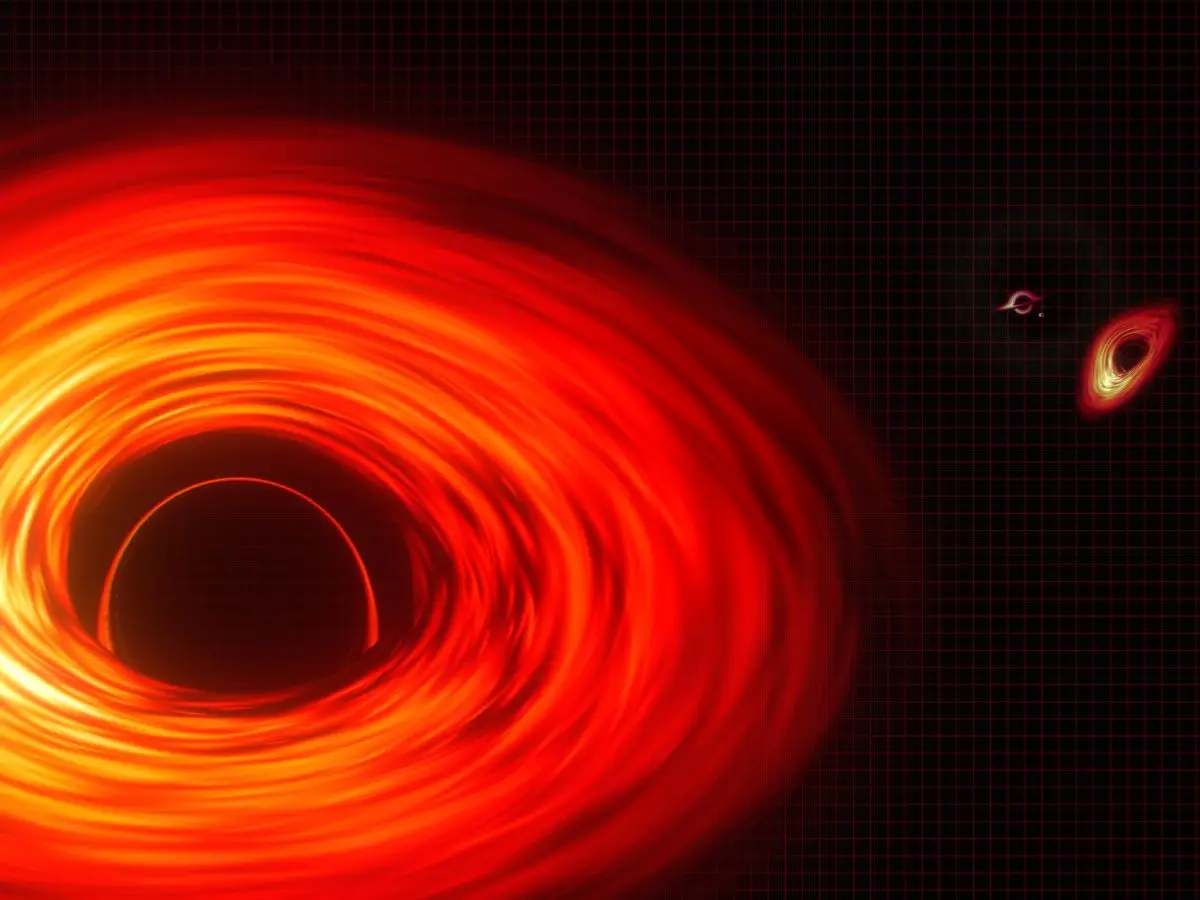
Although a black hole can never be seen directly, the combination of orbital measurements, high-energy emissions, gravitational waves, and lensing allows astronomers to study them in detail. These indirect methods have not only revealed the locations and masses of countless black holes but also deepened our understanding of how they shape galaxies and the universe as a whole.
)
)
)
)
)