If astronauts run out of oxygen in space, this is what happens..

Understanding the protocols and technologies in place to manage such a crisis is vital for the safety of crew members on long-duration missions.
Introduction: the critical role of oxygen in space
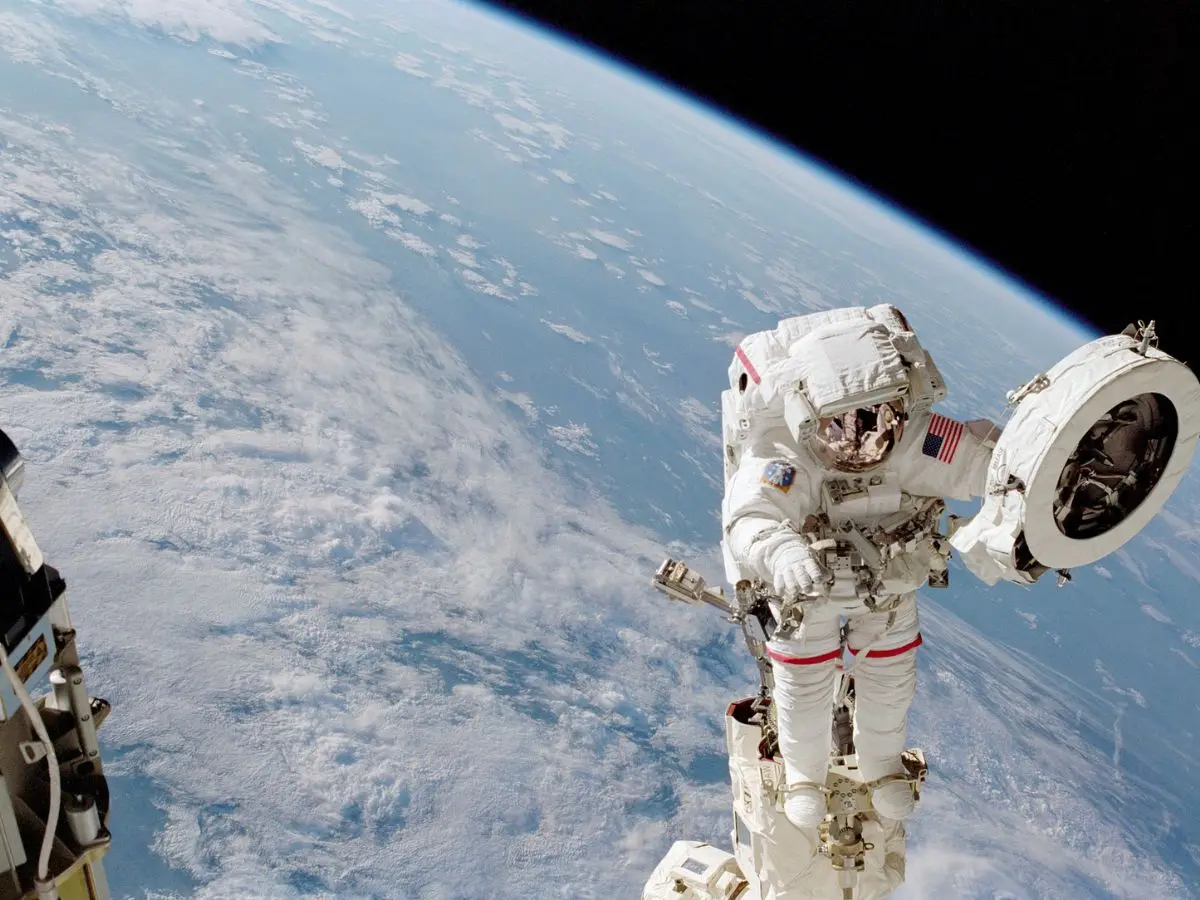
Oxygen is essential for human survival, and in the vacuum of space, it's even more critical. Astronauts rely on sophisticated life support systems to provide breathable air. But what happens if these systems fail or oxygen runs out? Understanding the protocols and technologies in place to manage such a crisis is vital for the safety of crew members on long-duration missions.
Life support systems aboard spacecraft
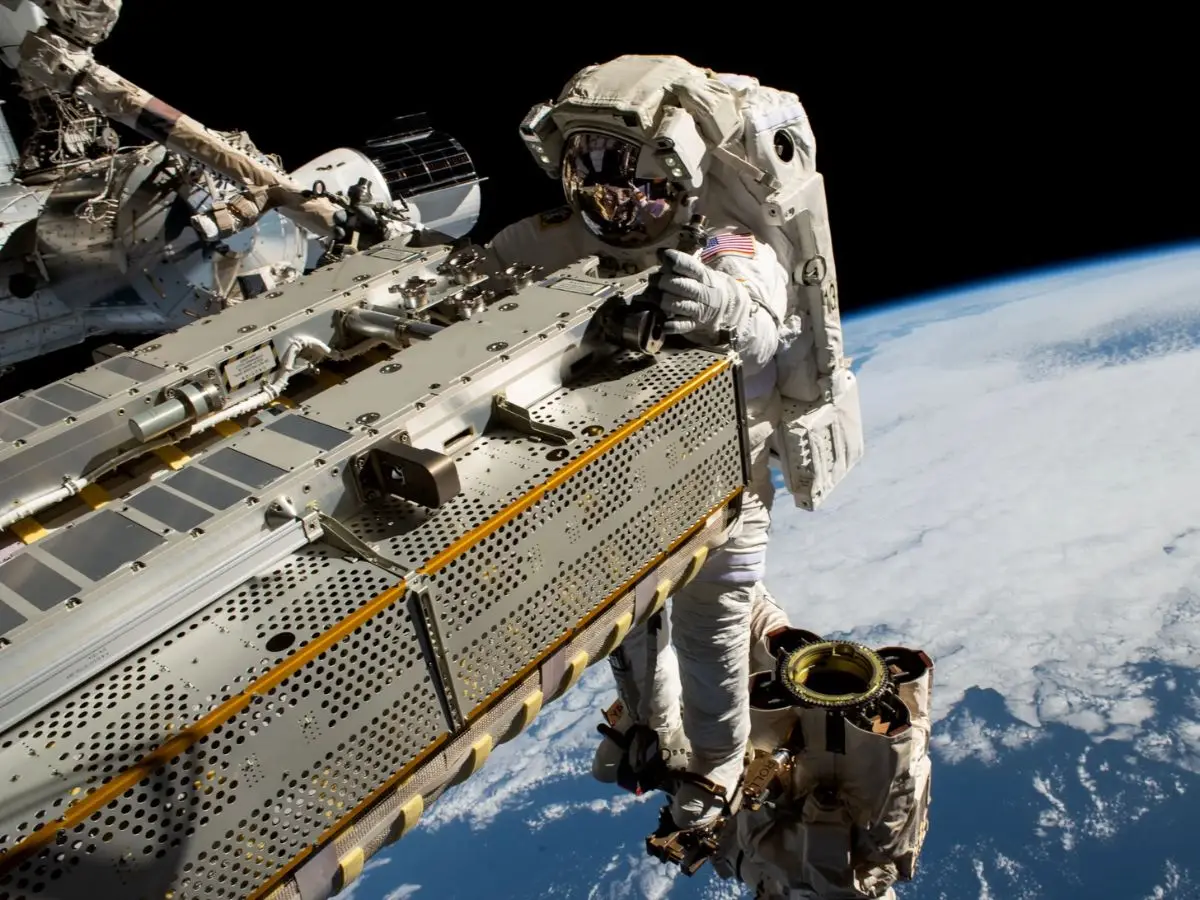
Spacecraft are equipped with Environmental Control and Life Support Systems (ECLSS), which regulate atmospheric pressure, temperature, humidity, and provide oxygen. These systems use technologies like water electrolysis to generate oxygen and remove carbon dioxide from the cabin air. Backup systems, such as emergency oxygen tanks, are also available to ensure a continuous supply of breathable air.

Emergency oxygen supply protocols
In the event of an oxygen supply failure, astronauts have access to emergency oxygen tanks and portable cylinders. These backups provide additional time for repairs or a return to Earth. The Emergency Supplemental Oxygen system can supply 30 to 90 minutes of oxygen if the primary system fails.
Space suits: a lifeline during spacewalks
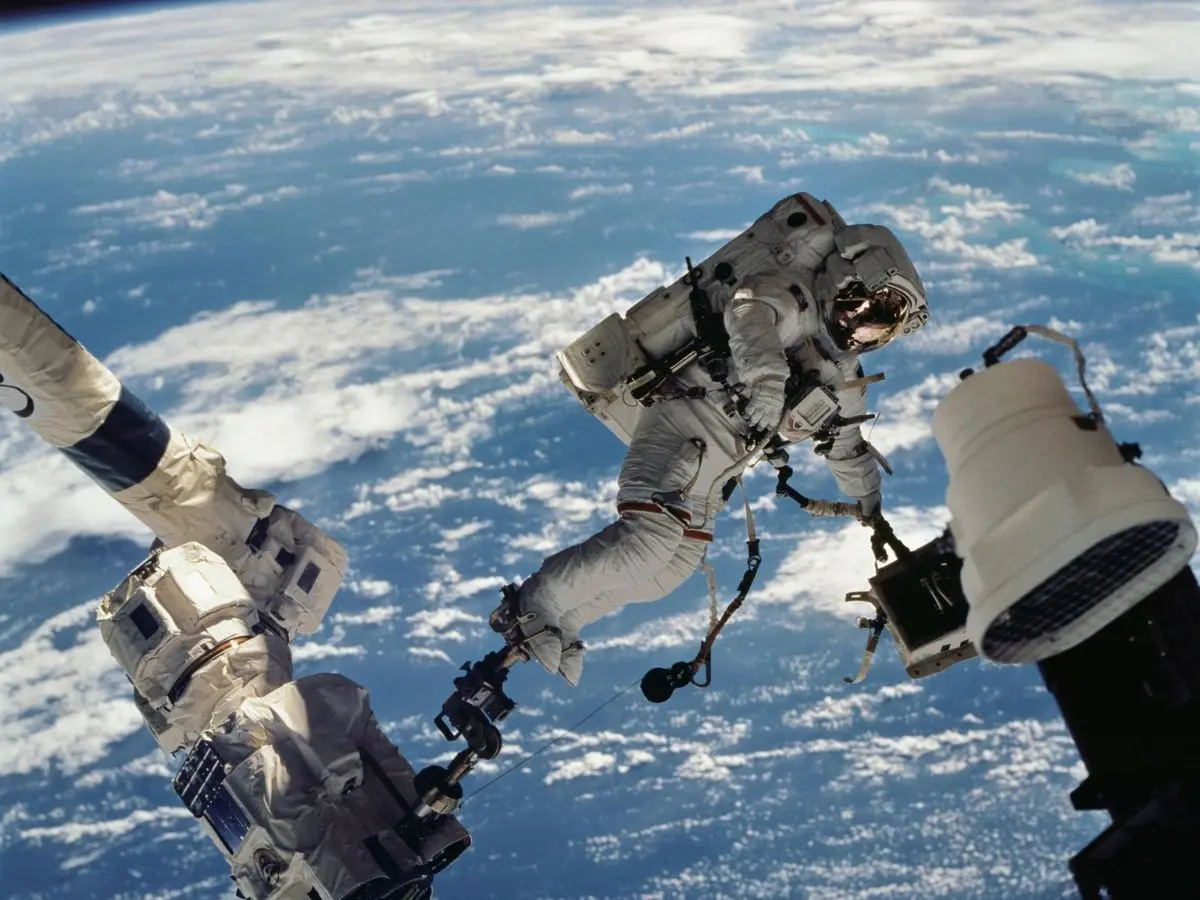
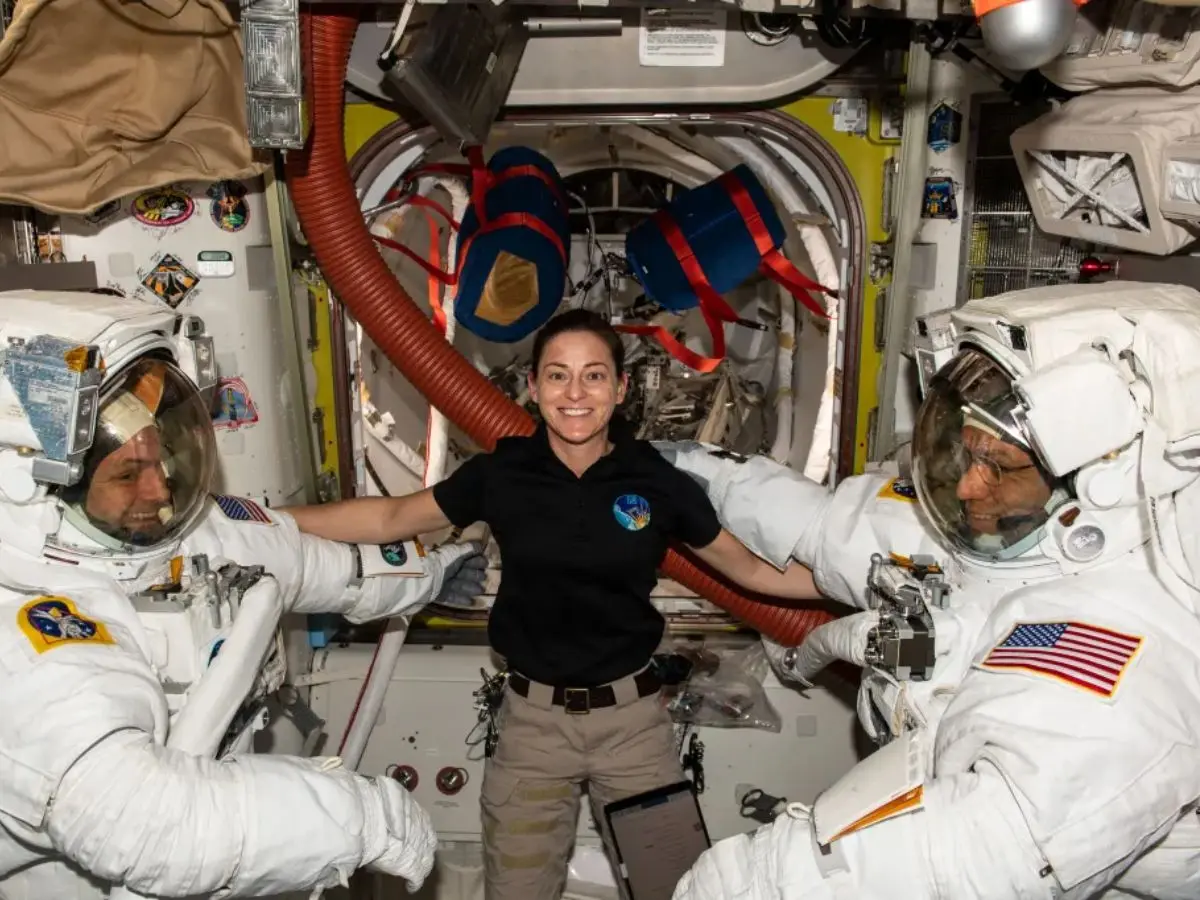
During extravehicular activities (spacewalks), astronauts wear spacesuits equipped with their own life support systems. These suits provide oxygen, remove carbon dioxide, and regulate temperature. In emergencies, the suit's oxygen supply can sustain an astronaut long enough to return to the spacecraft.

Training and preparedness
Astronauts undergo rigorous training to handle emergencies, including oxygen supply failures. They practice scenarios where they must rely on backup systems and work with Mission Control to resolve issues. This preparation ensures they can respond effectively to life-threatening situations.
Advances in oxygen generation technology
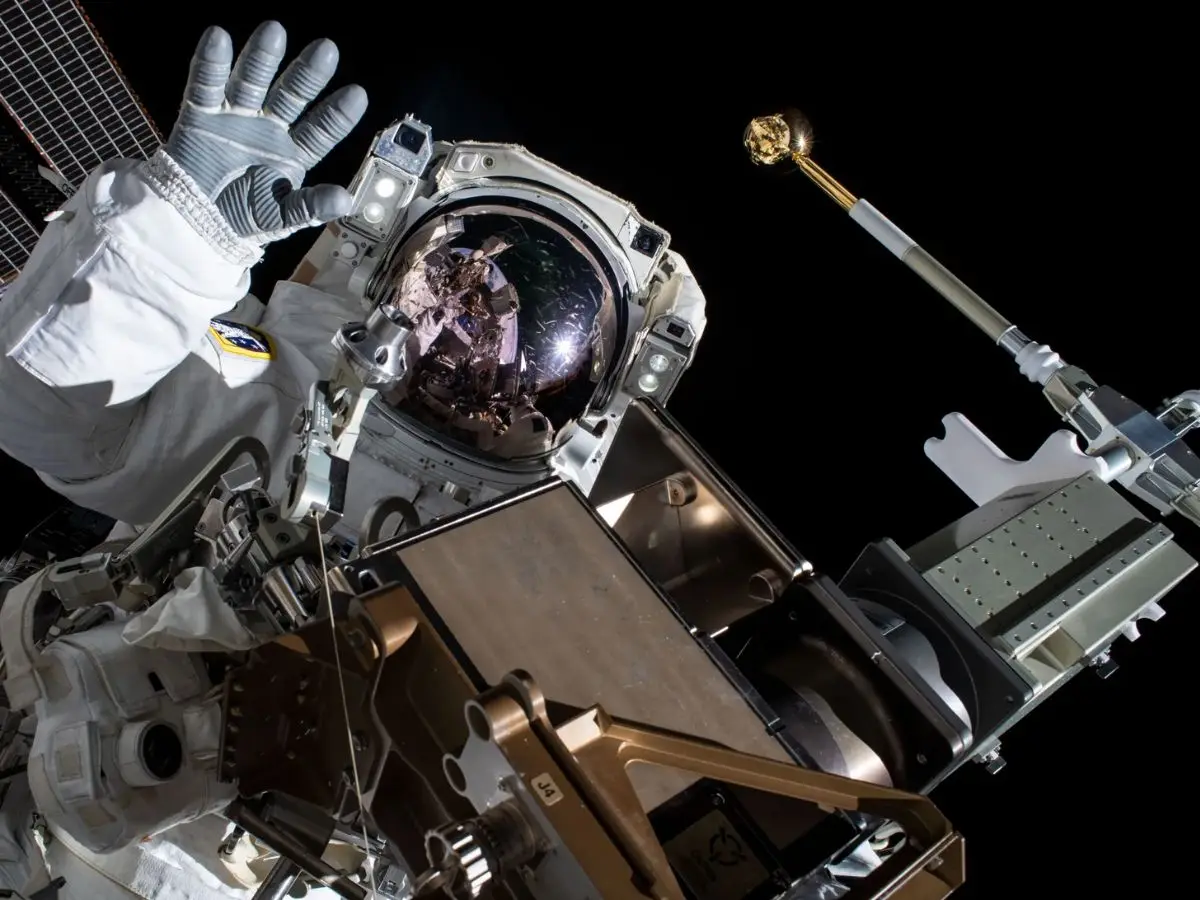
NASA is developing advanced technologies to enhance oxygen production on spacecraft. One such innovation uses magnets to separate gases in microgravity, eliminating the need for bulky centrifuges. This approach is more energy-efficient and suitable for long-duration missions to the Moon and Mars.
Ensuring safety in space
While the risk of running out of oxygen in space is minimal due to advanced life support systems and rigorous protocols, the potential consequences are severe. Continuous innovation and training are essential to ensure the safety of astronauts on all missions.
)
)
)
)
)