Iconic pictures of Indian General Elections

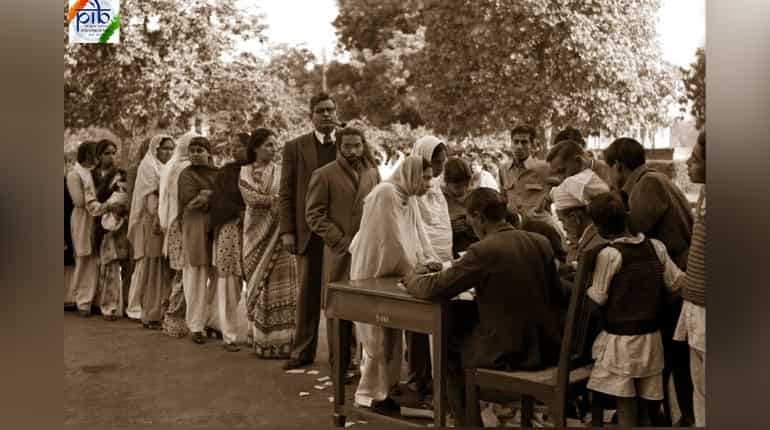
General Elections: 1952
The first ever General elections in India were held between October 25, 1951, and February 21, 1952.
(Image courtesy: PIB)
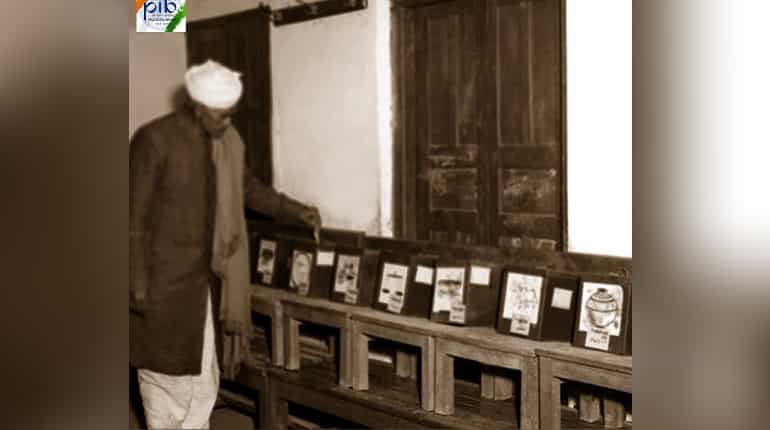
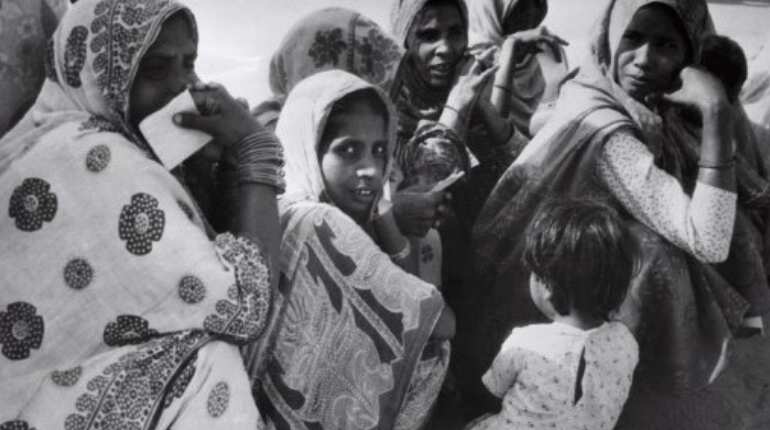
Polling after independence
A voter looks for the election symbol of a candidate of his choice 1950's.
(Image courtesy: PIB)
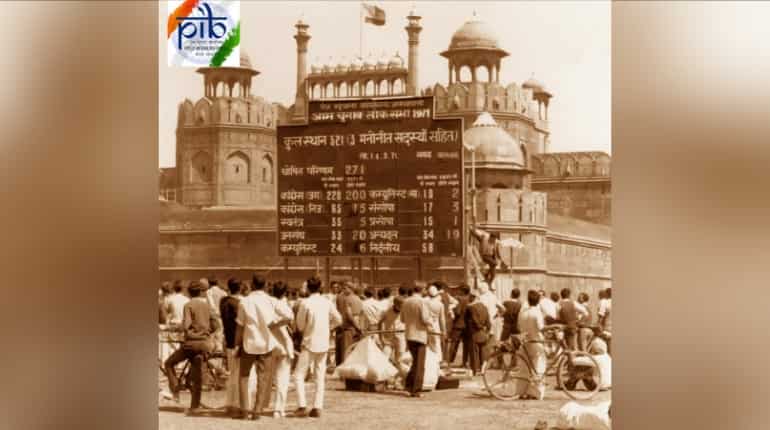
Result announcement
Picture showing the old procedure of result announcement just after independence.
It was publically declared at Red Fort since in those days there was no electronic system to broadcast the results.
(Image courtesy: PIB)
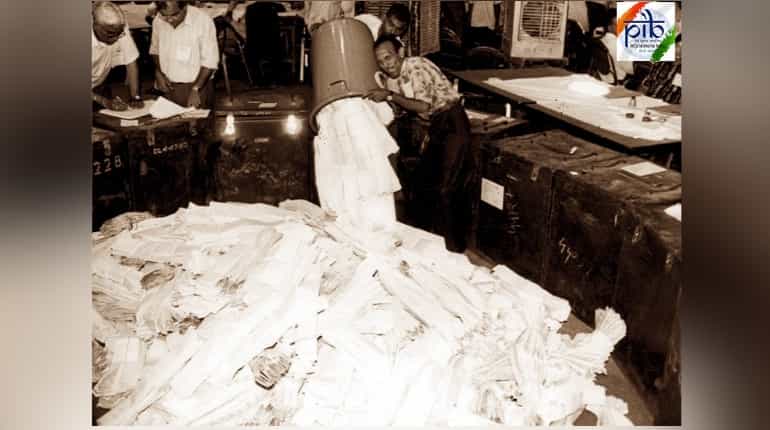
Ballot paper counting
There was no system for digitally counting the votes.This picture shows the old procedure of manual counting the votes.
(Image courtesy: PIB)

Look at the electoral posters
A wall covered with election posters, on February 25, 1957, in a street of Calcutta.
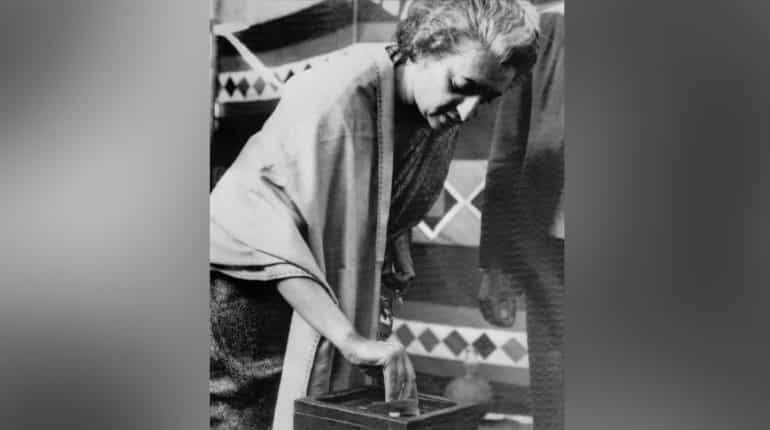
'Darkest period' in post-Independent India
The Emergency was imposed after India's President Fakhruddin Ali Ahmed issued orders under Article 352(1) of the Indian constitution plunging the country into what is now known as the "darkest period" in post-Independent India.
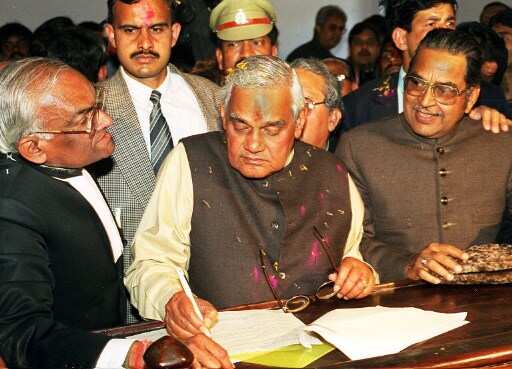
Vajpayee in power
Atal Bihari Vajpayee served in three terms as the prime minister of India, first for a term of 13 days in 1996, then for a period of 13 months from 1998 to 1999, and finally, for a full term from 1999 to 2004.
The picture above shows him filling his nomination for the general elections.
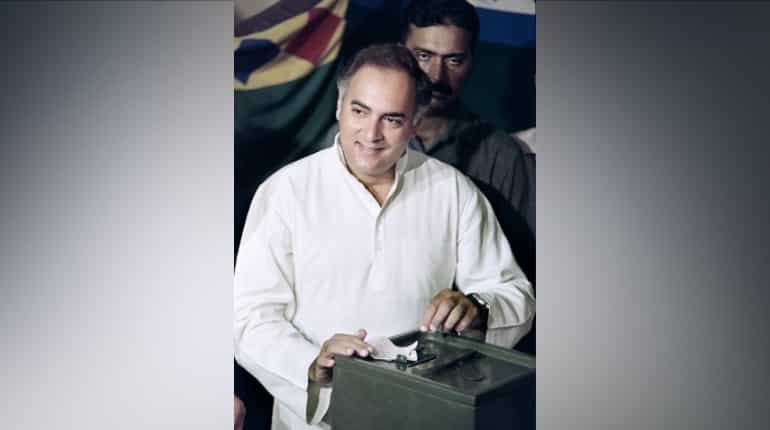
Rajiv Gandhi casts his ballot
After the assassination of the mother, 'Indira Gandhi'. Rajiv Gandhi took the legacy forward of the Gandhi family.
We see Rajiv casting his vote, on May 20, 1991, at the polling station in New Delhi.
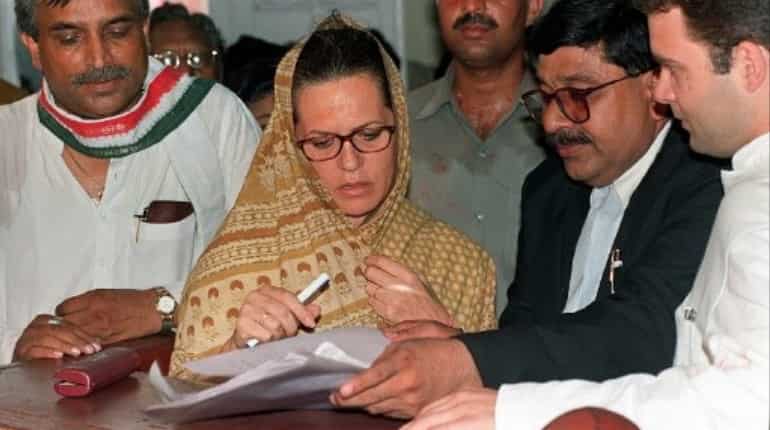
Sonia Gandhi
Sonia Gandhi widow of Rajiv Gandhi, filled her nomination papers at a local district magistrate's office in Sultanpur September 10, 1999, to contest in the ongoing general elections, from the family's traditional constituency of Amethi.
General Elections 2019
The current General Elections 2019 are scheduled in seven phases, from April 11 to May 19, 2019.
The counting of votes and result announcement will take place on May 23.
)
)
)
)
)