IAF's Jaguar fighter jet has no ejection seat auto-activation! What does it mean for pilots?

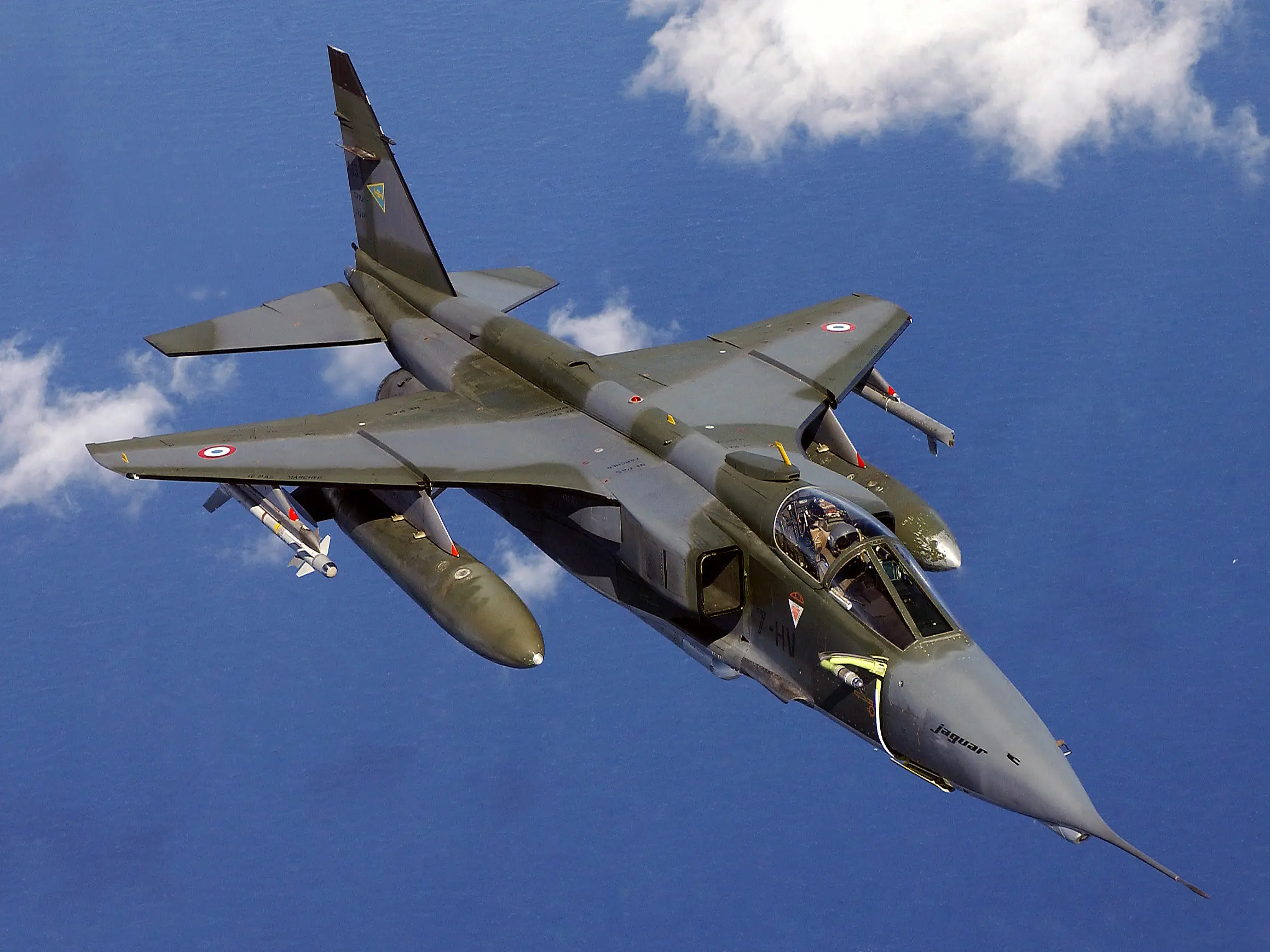
India’s ageing SEPECAT Jaguar fleet lacks this auto-eject feature and that’s more serious than it sounds. Let’s break down what this actually means for pilots flying the IAF’s deep-strike warrior and why it poses a silent danger even in peacetime.
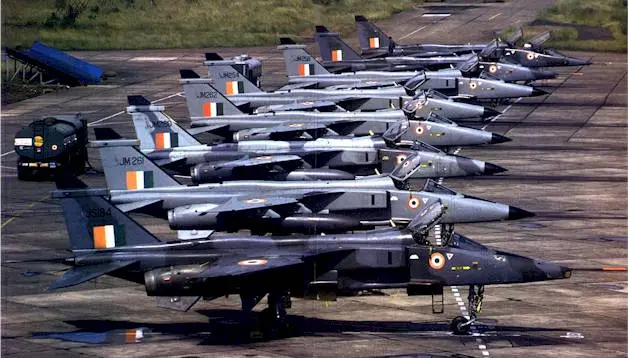
No Auto-Ejection: What’s Missing?
Modern jets like the Rafale or Su-30MKI are equipped with automated ejection seat activation. If the aircraft exceeds certain roll, pitch, or altitude thresholds or if the pilot blacks out due to G-forces, the system automatically launches the seat. Jaguar’s British-French era Martin-Baker seat, however, is manually triggered only. The pilot must physically pull the handle often under extreme stress or it won’t work. That means if the pilot is unconscious, disoriented, hit by bird strike, experiencing G-LOC (G-force-induced Loss of Consciousness)…the ejection simply won’t happen.
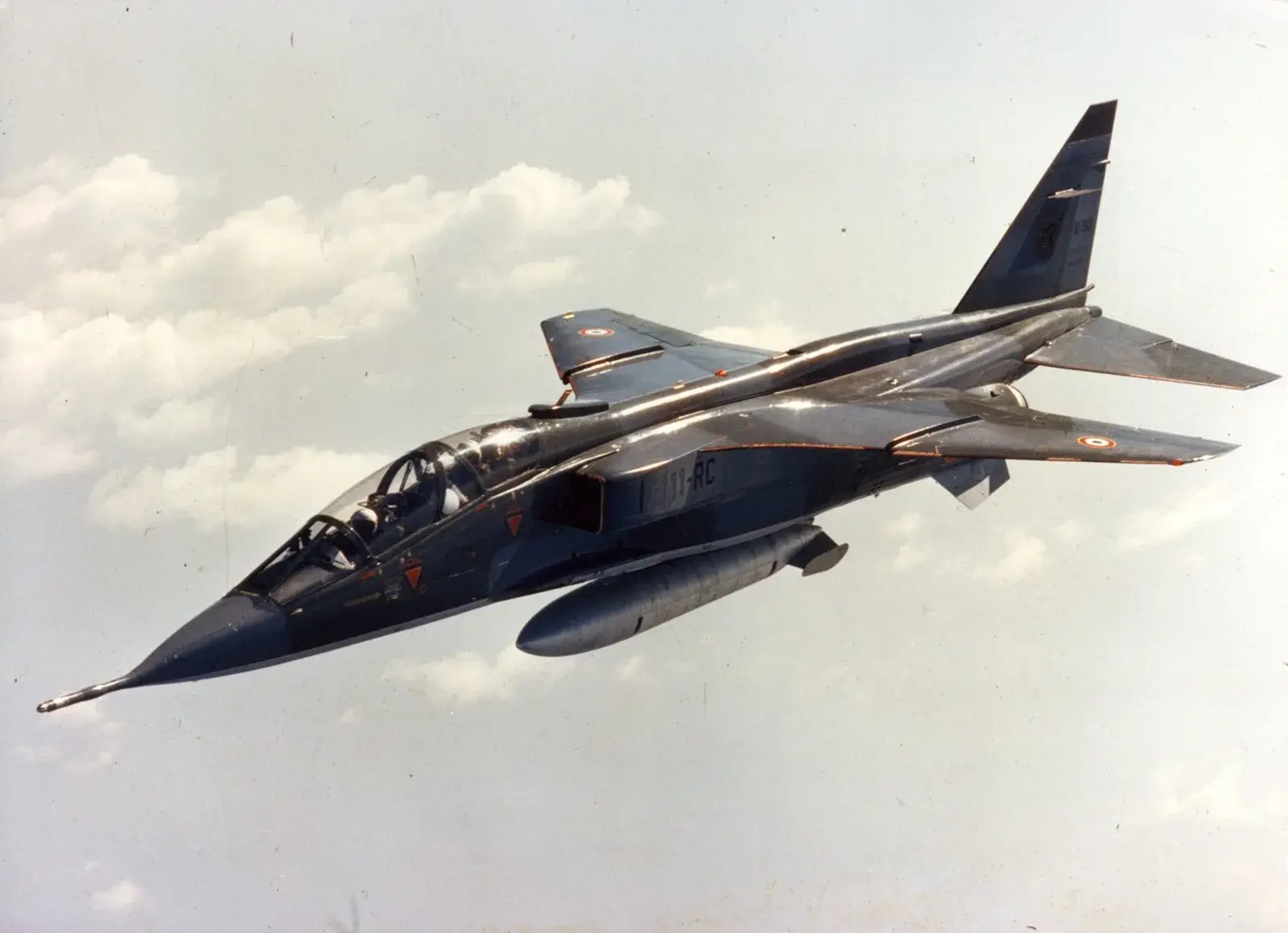
Why That’s a Big Problem in Low-Level Flying
Jaguars are known for terrain-hugging flight, often flying just 100–200 feet above ground at over 800 km/h. In this profile, the pilot has only seconds to notice a failure and eject. With no automatic system, reaction time must be superhuman. This leaves little to no margin for error if the aircraft suffers an engine flameout, the pilot is hit by debris or birds and if avionics failure disables altitude warnings. There have been multiple cases globally where delayed ejection cost pilots their lives, especially in low-level strike aircraft like the Jaguar.
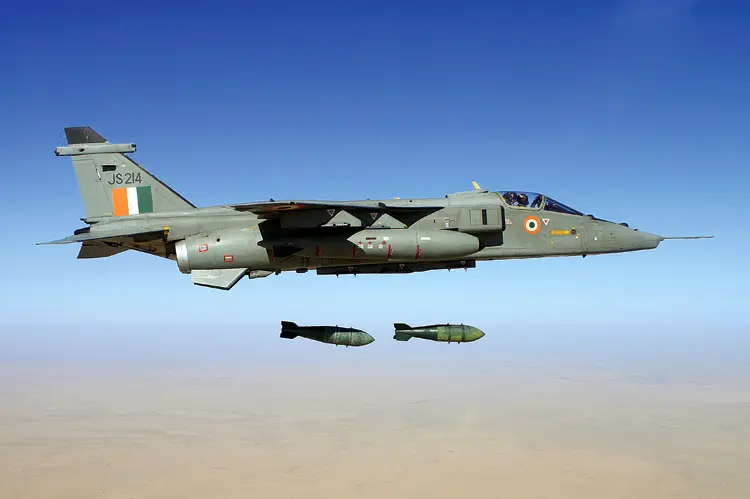
What IAF Pilots Do to Cope
IAF pilots flying Jaguars undergo rigorous psychological and reflex training, including emergency simulations, altitude and speed reflex drills, bird-strike ejection scenarios. But even the best training can’t account for sudden unconsciousness, which is where automation is critical and where the Jaguar shows its age.
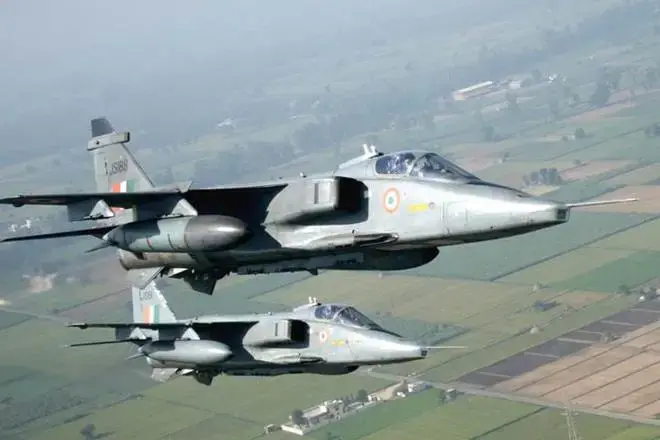
Why Doesn’t India Retrofit an Auto System?
Upgrading the Jaguar’s ejection system would mean reconfiguring cockpit wiring, altitude sensors, aircraft software, G-force and positional limiters. Given the aircraft’s age (most over 30 years) and planned retirement within the decade, the IAF has prioritised DARIN-III upgrades and operational safety protocols over costly ejection retrofits.
The Tradeoff: Precision vs Protection
The Jaguar remains a precision-strike asset with strong utility. But its manual ejection limitation is a sobering reminder that older jets demand constant alertness, even in training sorties. While IAF engineers and pilots work tirelessly to mitigate risk, this story underscores the need to accelerate induction of newer jets like Tejas Mk1A, where the aircraft protects the pilot, not just the other way around.
)
)
)
)
)