'Hunting a ghost ship': Can Iran find USS Abraham Lincoln without transponders?

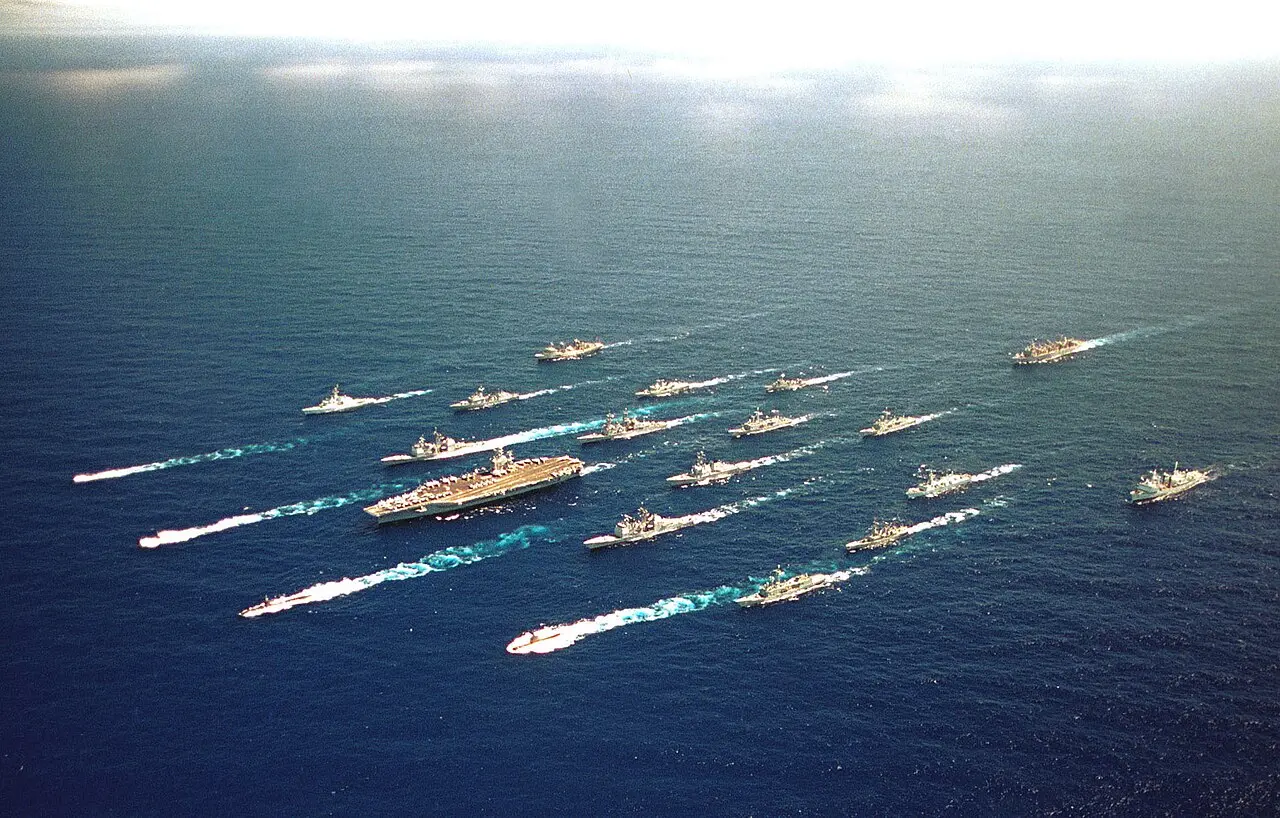
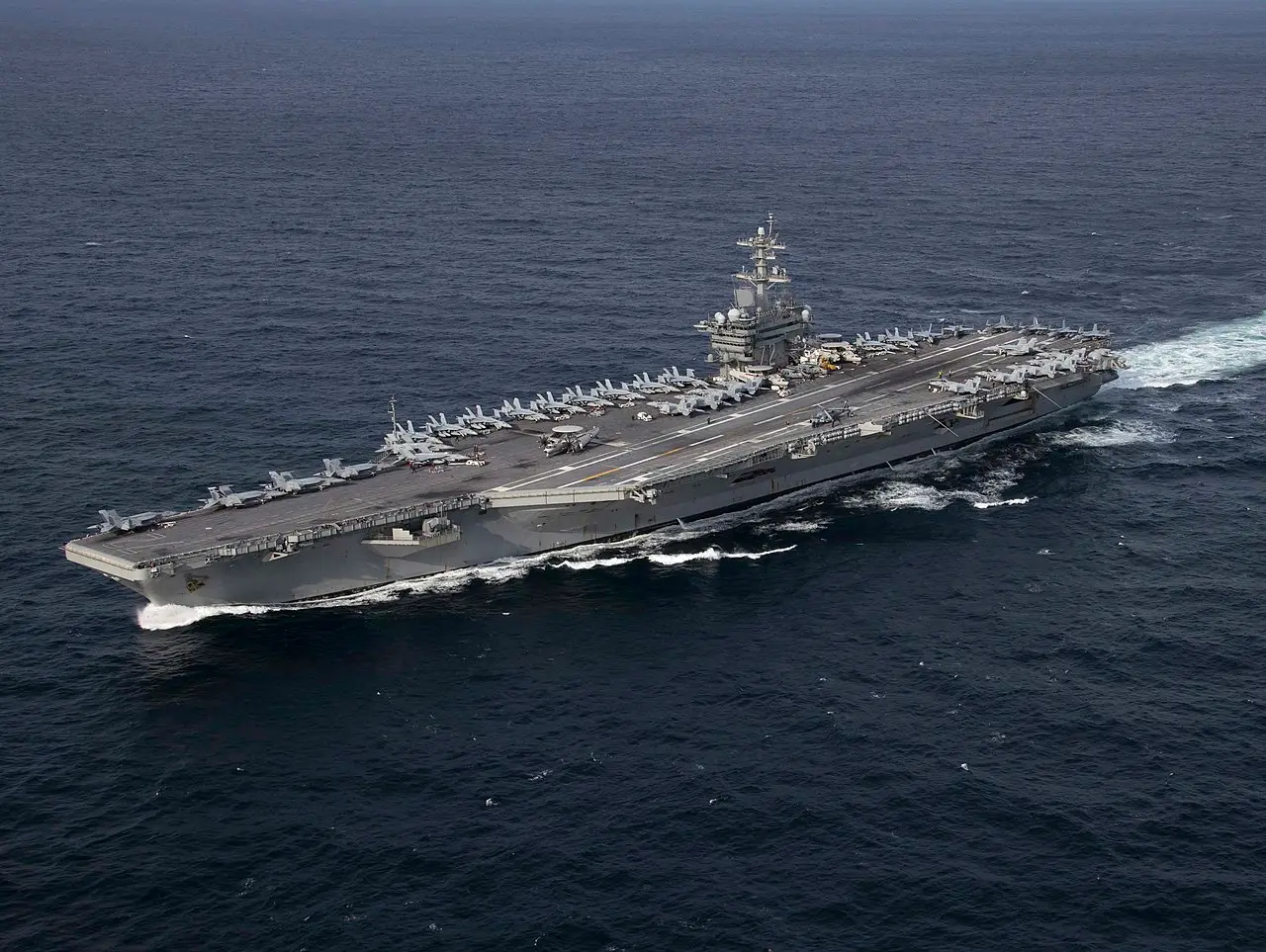
The USS Abraham Lincoln has turned off its trackers to evade Iranian detection in the Middle East. While Tehran uses satellites and drones to hunt the ship, the US Navy employs speed, silence, and electronic warfare to stay hidden.
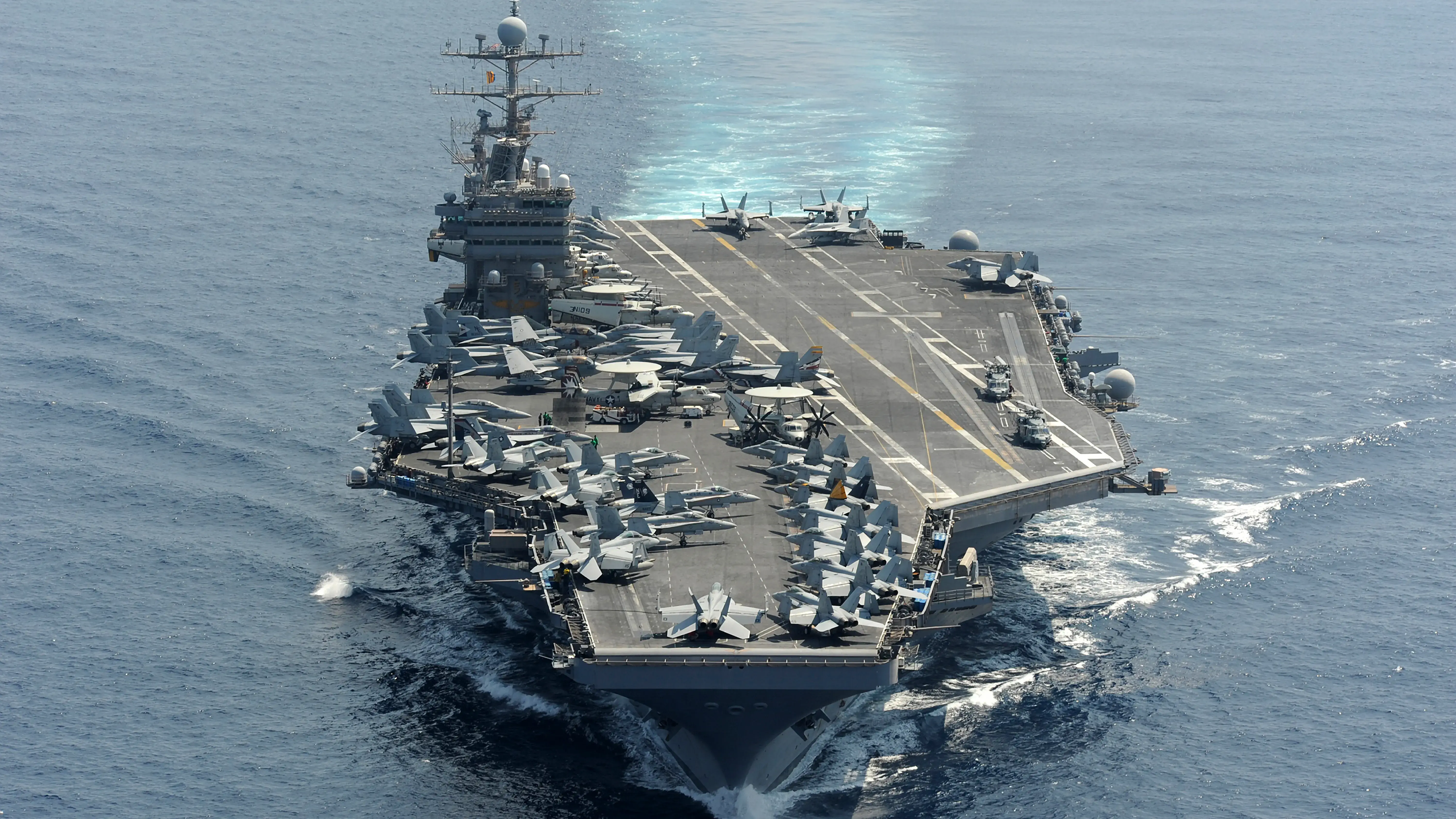
The Silent Giant
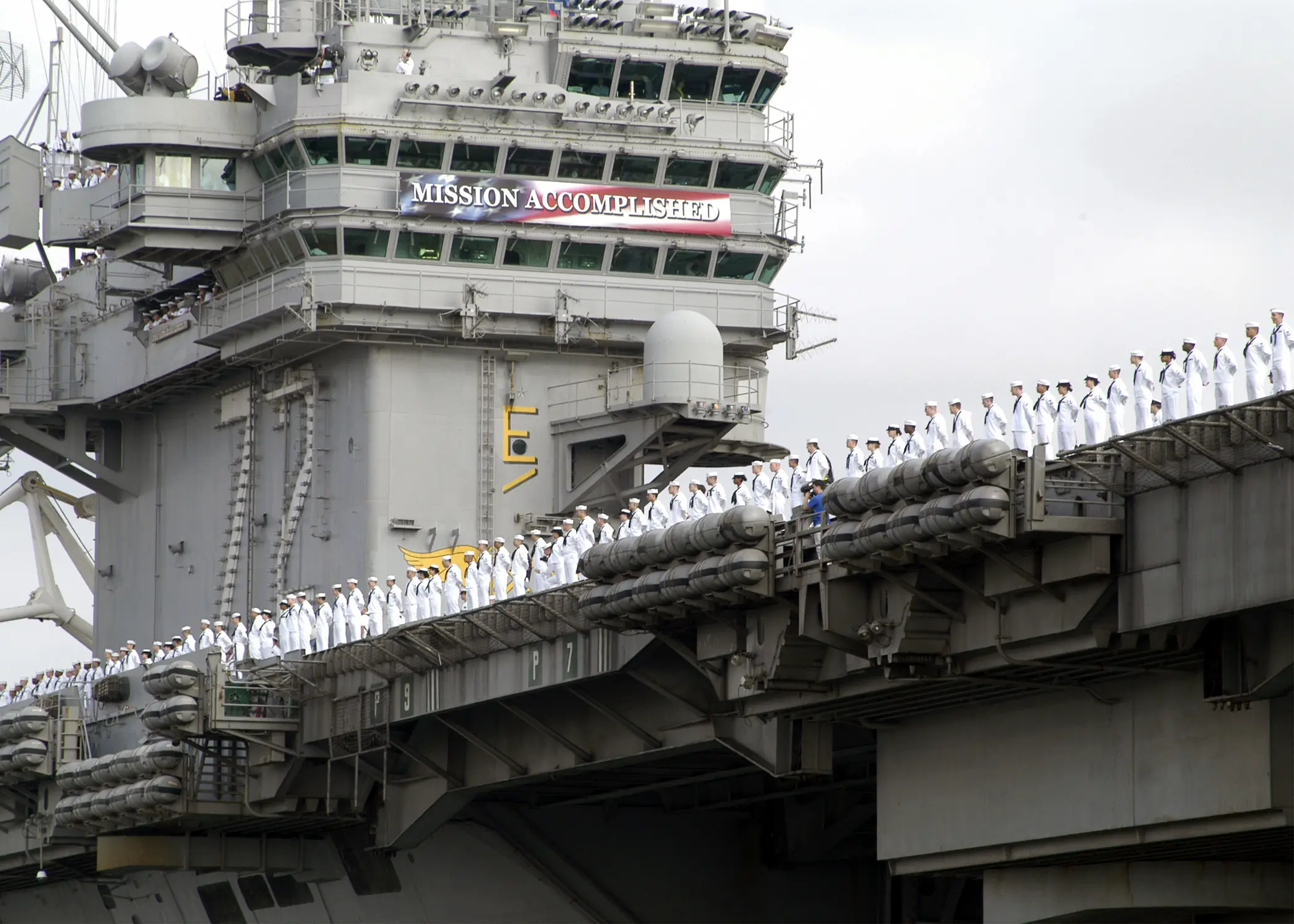
The USS Abraham Lincoln has deactivated its Automatic Identification System (AIS), a standard procedure for warships in combat zones. While AIS helps commercial vessels avoid collisions, turning it off denies enemies easy location data. This forces adversaries to use active radar or visual searches, which are far harder to maintain.
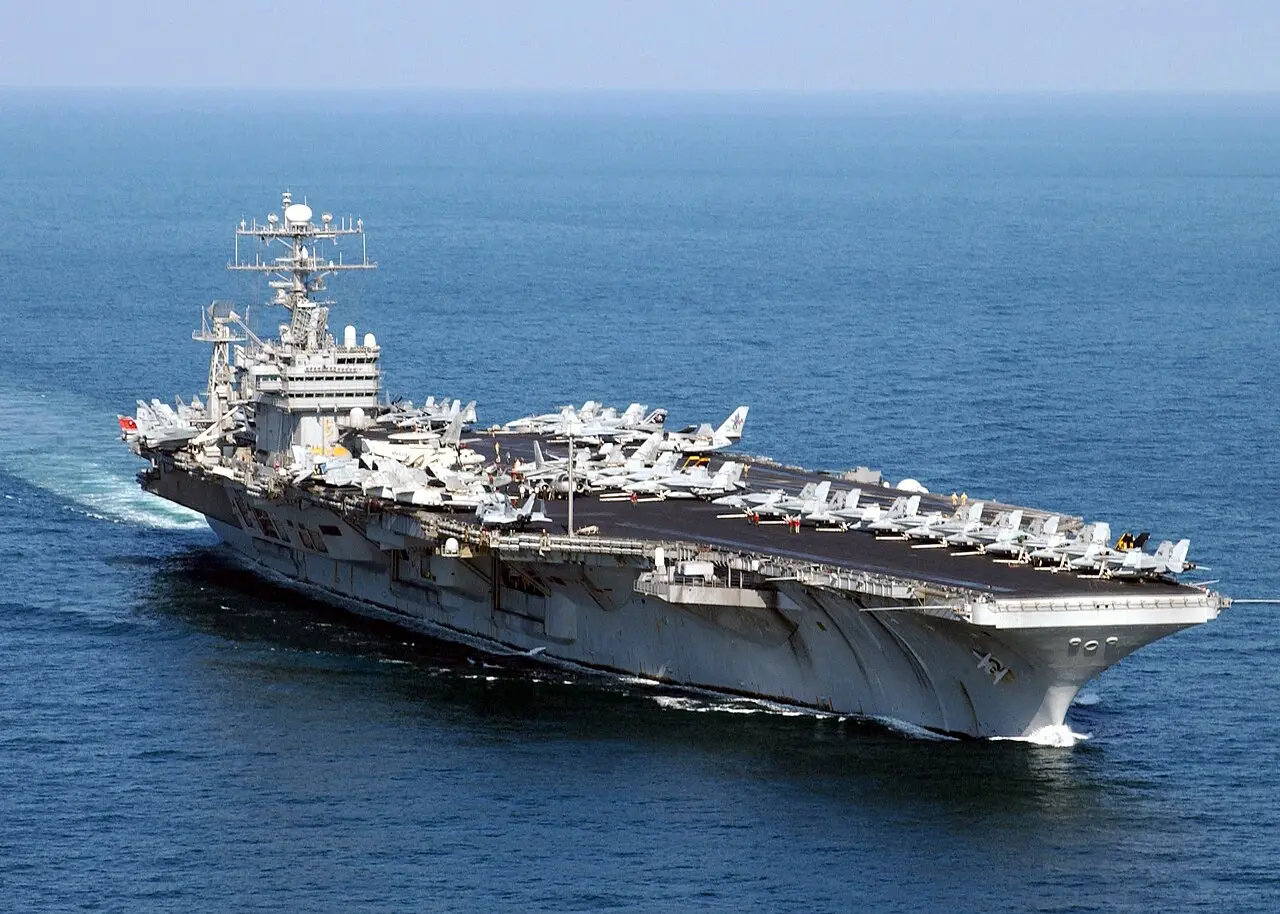
Needle in a Haystack
The Arabian Sea and the Gulf of Oman cover hundreds of thousands of square kilometres. Without a precise transponder signal, finding a single ship—even one as large as an aircraft carrier—is incredibly difficult. The carrier continuously moves at speeds over 30 knots, making any "last-known position" outdated within an hour.
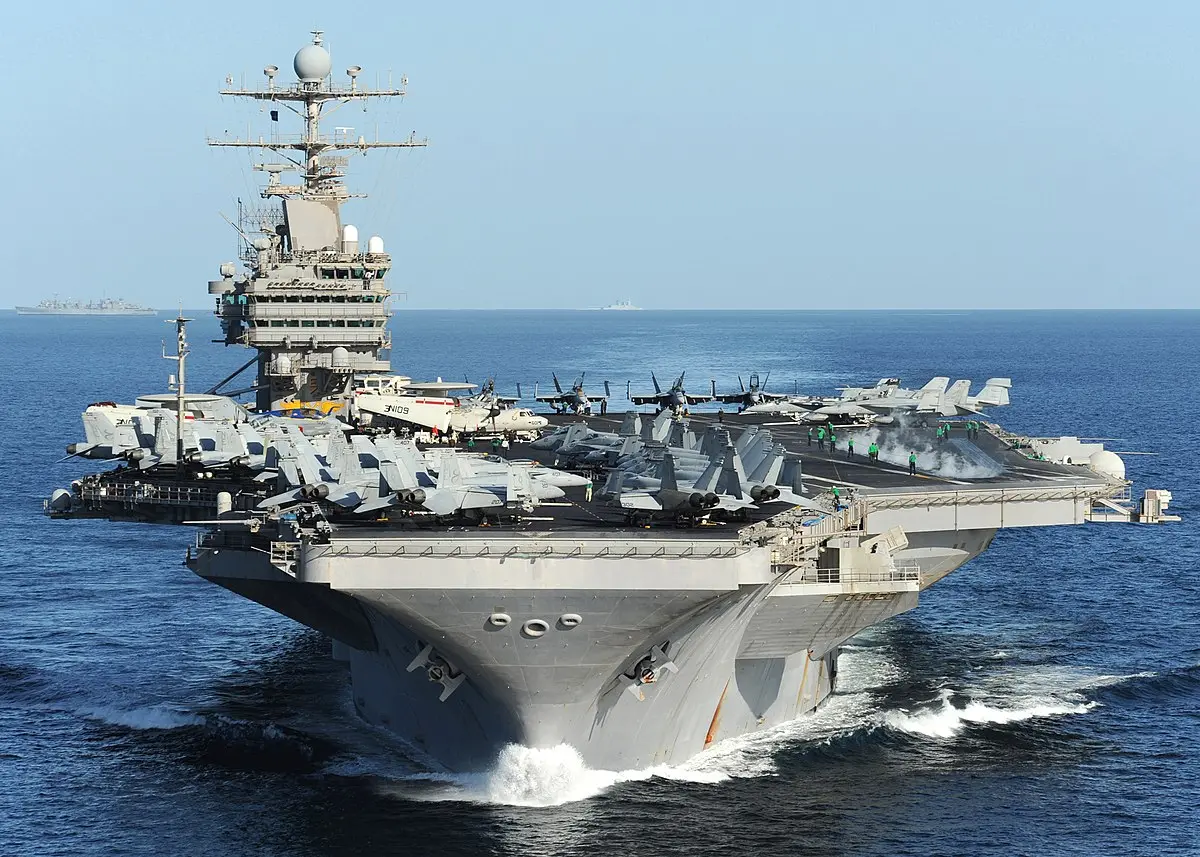
Iran’s Eyes in the Sky
Tehran operates indigenous satellites like the 'Noor' series to monitor maritime traffic. While these provide some surveillance, they lack the real-time precision of US equivalents. The carrier can exploit gaps in satellite orbits, repositioning unseen during "blind spots."
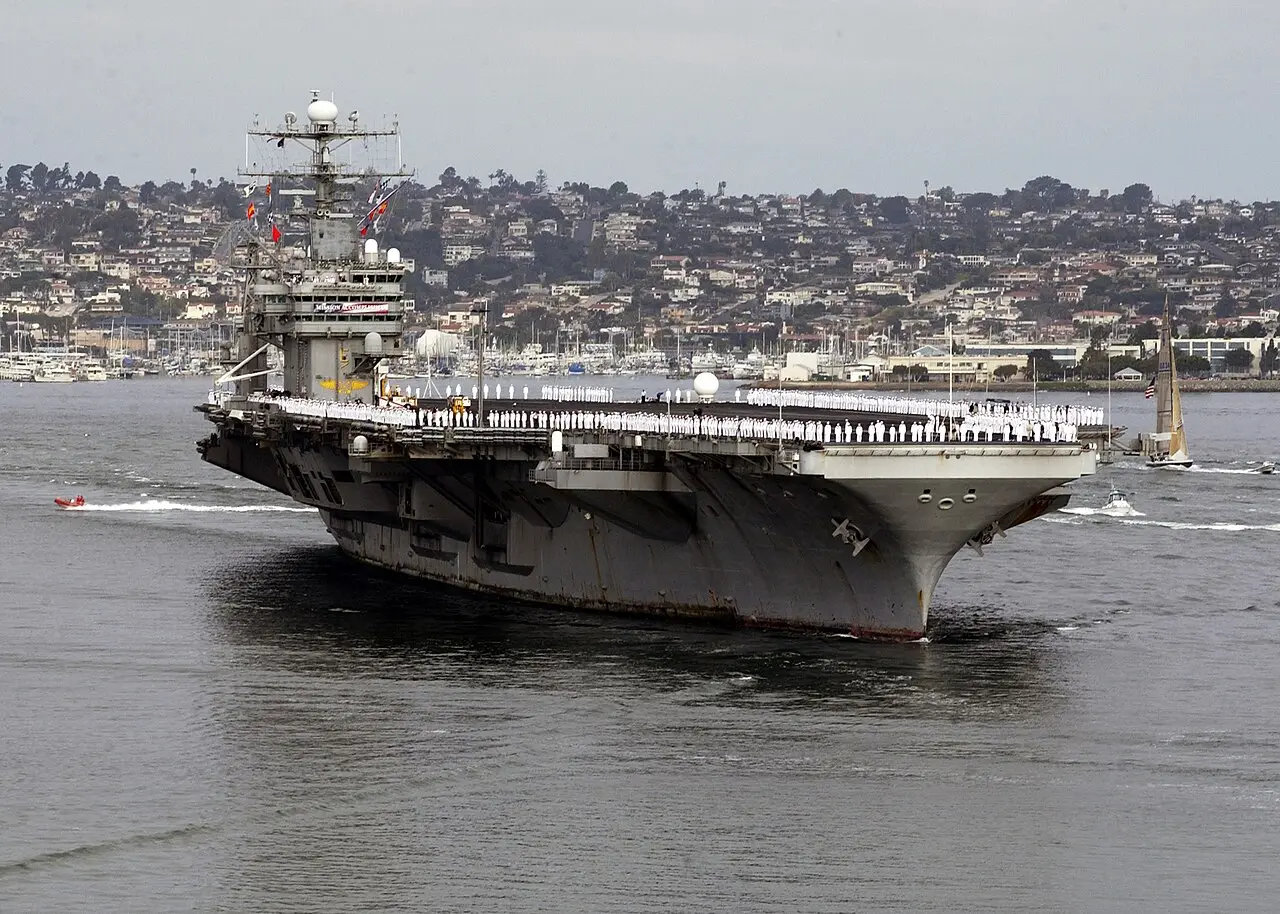
The Drone Swarm Threat
Iran relies on UAVs like the Shahed and Ababil for ocean reconnaissance. These drones can fly long distances to visually identify ships. However, they are highly vulnerable to the carrier’s advanced electronic jamming and air defence systems before they get close enough to see.
Electronic Footprints
Even with AIS off, ships emit signals from radar and radios. Iran employs coastal listening stations to triangulate these emissions. To counter this, the US Navy uses 'Emissions Control' (EMCON), strictly limiting radio silence to blend into the electronic background noise.
The Strait Trap
The open ocean offers safety, but the narrow Strait of Hormuz is a dangerous choke point. Here, geography forces the carrier into predictable shipping lanes within range of Iranian coastal radar. in these confined waters, stealth becomes impossible, and the focus shifts to heavy force protection.
Propaganda vs. Reality
Iranian state media frequently releases footage claiming their drones have flown over US carriers undetected. Analysts note these videos are often undated or from previous years, released strategically to project strength rather than current tactical reality.
The Escort Shield
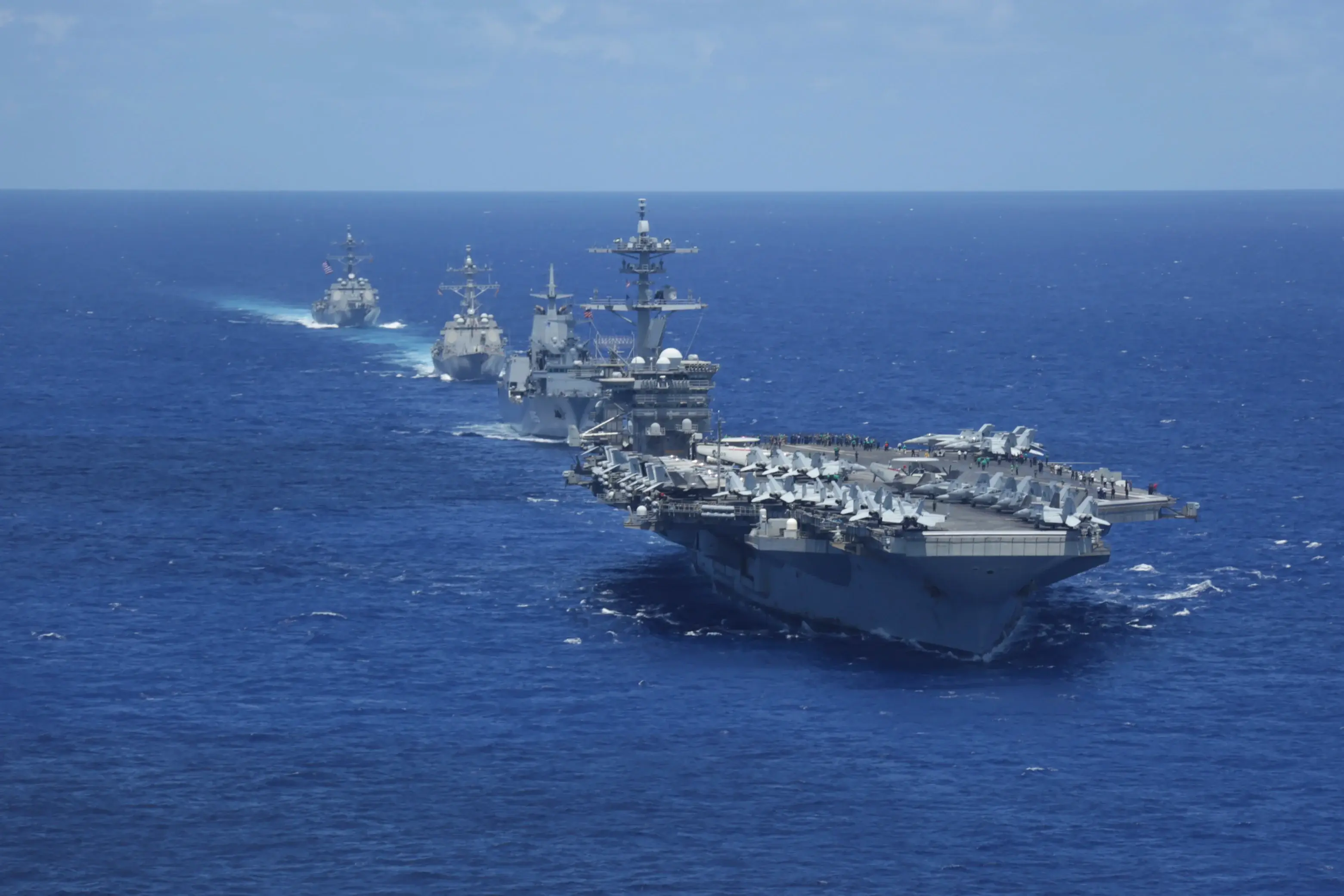
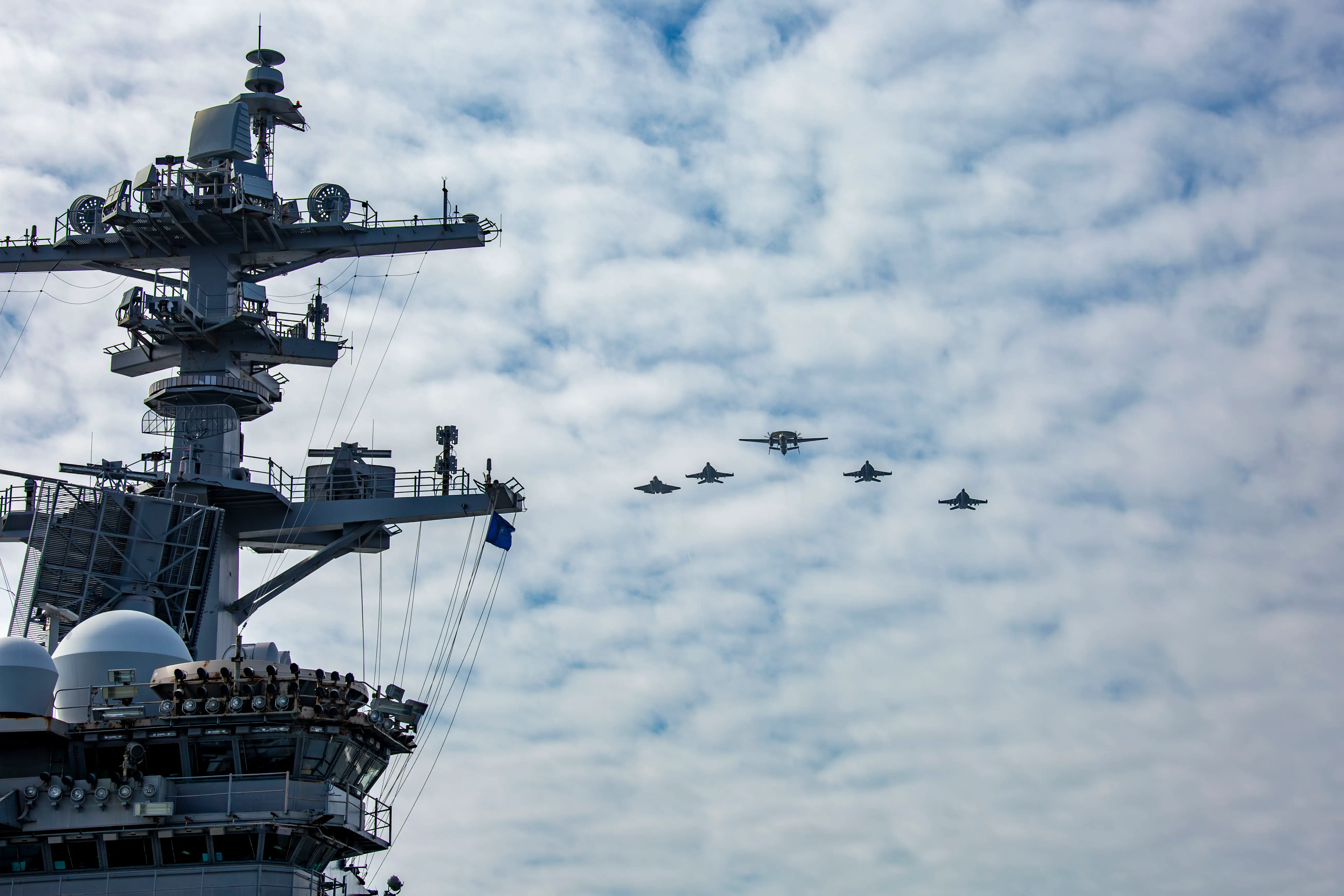
The Lincoln never travels alone; it is surrounded by Arleigh Burke-class destroyers. These escorts create a defensive bubble, using powerful Aegis radar systems to track hundreds of threats simultaneously. They can intercept surveillance drones long before they threaten the carrier.
Speed as a Weapon
A nuclear-powered carrier has unlimited range. This mobility is a tactical advantage, allowing the ship to outrun bad weather or reposition hundreds of miles overnight. By the time Iran processes a potential sighting, the target has moved significantly.

The Cat and Mouse Game
The standoff is a continuous cycle of concealment and detection. While Iran improves its surveillance network, the US Navy evolves its deception tactics. Ultimately, finding the carrier is only half the battle; successfully targeting it is a far greater military challenge.
)

)
)
)