In pics: What happens after no-confidence vote against Theresa May?

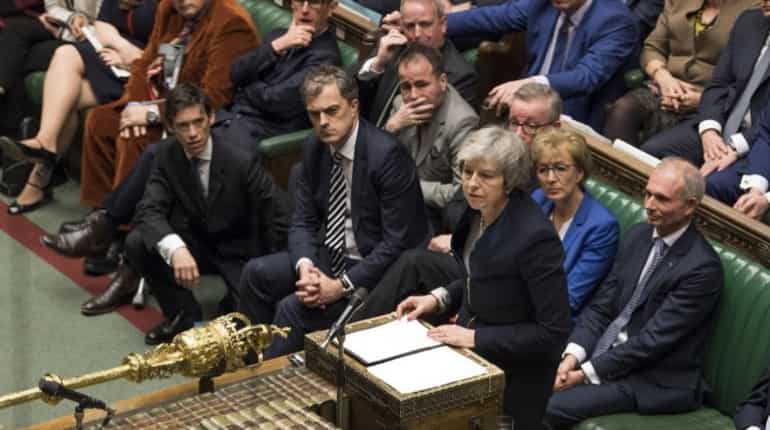
How does the process work?
The opposition Labour Party, backed by other smaller opposition parties, has put forward a motion which states "that this House has no confidence in Her Majesty's Government."
Labour leader Jeremy Corbyn will open the debate on the motion at around 1300 GMT.
May will also speak in the debate and it will last until 1900 GMT.
Lawmakers will then vote on the motion at 1900 GMT, with the result due at around 1915 GMT.

Theresa May
There are 650 lawmakers in the House of Commons. May's government needs 318 votes to win the vote, as seven members of the Irish nationalist Sinn Fein party do not sit, four speakers do not vote and four lawmakers who help count votes, known as tellers, are not counted.
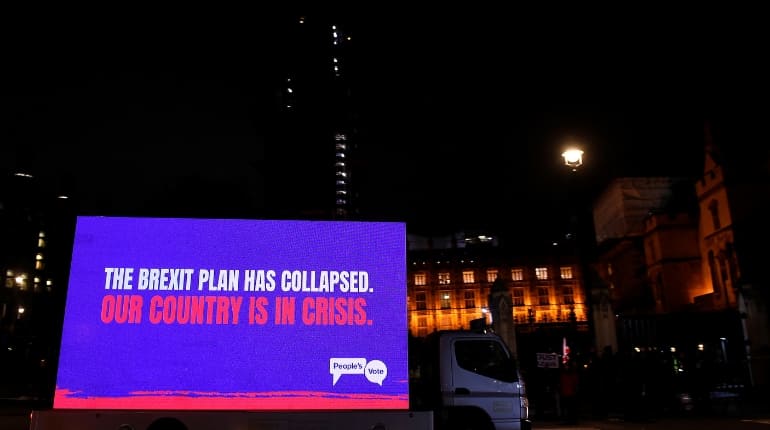
What happens if government wins?
The government will continue in office.
However, there are no restrictions on how soon another confidence vote can be called, so Labour could put forward another no-confidence motion at any point.
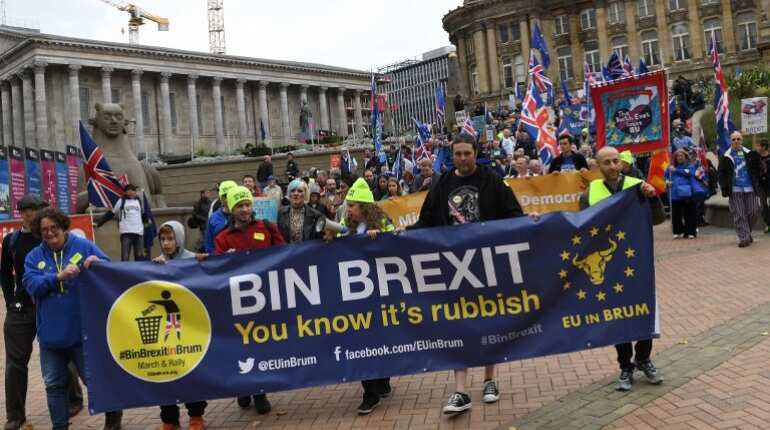
What if the government loses?
May will not have to resign.
A 14-day period is triggered in which any party, including May's Conservatives, can seek to form a government.
To do this they would have to win a confidence vote in the House of Commons. If a new government cannot be formed within 14 days, an election is triggered.
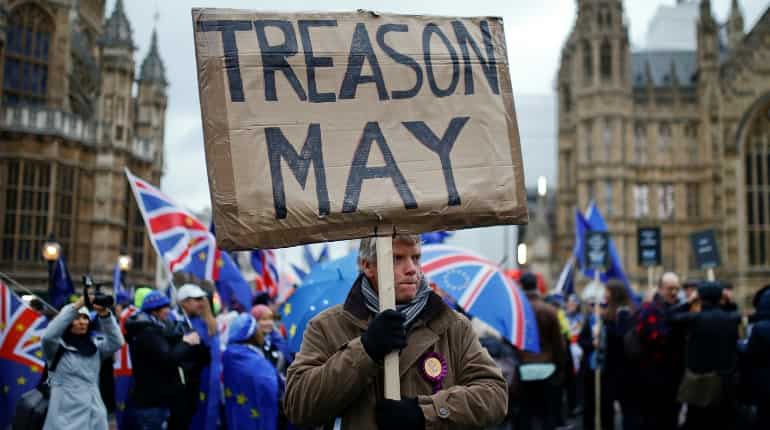
Conquences of May losing
May does not have an outright majority in parliament but the DUP, the small Northern Irish party that props up her government, has said it will support the government. So May would only lose if enough of her own Conservative members voted against the government.
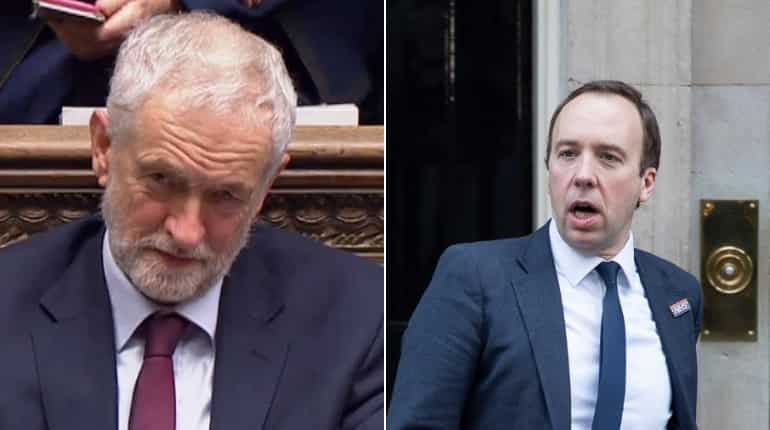
Lawmakers' reactions: Jeremy Corbyn vs Matt Hancock
Labour leader Jeremy Corbyn said, "The most important issue facing us is that government has lost the confidence of this house and this country ..."
But Conservative health minister Matt Hancock defended, "My party is no mood to hand over the reins to Jeremy Corbyn."
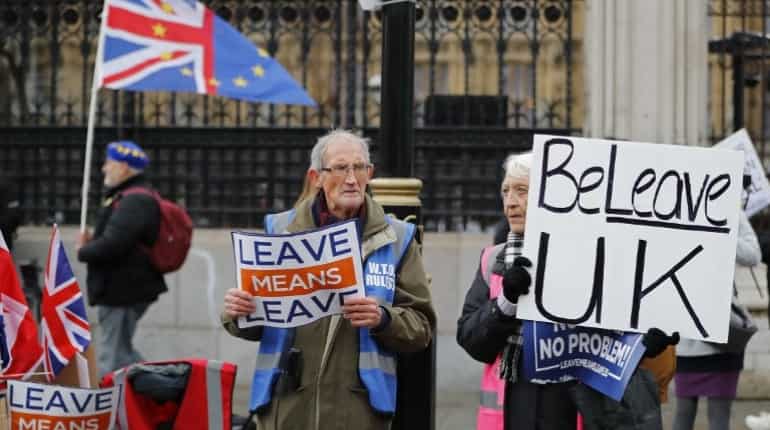
Lawmakers supporting Brexit
Pro-EU Conservative lawmaker Justine Greening, who favours holding a second referendum said, "We don't want a general election, this is not about party politics."
Also, DUP lawmaker Sammy Wilson commented, "We'll vote with the government. We'll vote against the Labour party's confidence motion... We never wanted a change of government, we wanted a change of policy."
)
)
)
)
)