How will OpenAI GPT-5 transform healthcare and education support?

OpenAI GPT-5 upgrades bring faster reasoning, fewer errors, and a huge context window for better healthcare and education support. It helps patients understand medical info, aids teachers with personalised lessons, and offers safer, clearer responses.

GPT-5 faster reasoning, fewer errors
GPT-5 offers faster reasoning, fewer errors, a larger context window of up to about 256,000 to 272,000 tokens, strong multimodal skills and safe completions that give helpful but safe guidance instead of blunt refusals.
Healthcare patient understanding
OpenAI showed GPT-5 helping patients make sense of biopsy reports and prepare questions for doctors. It is positioned as a health literacy assistant, not a medical device or a clinician.
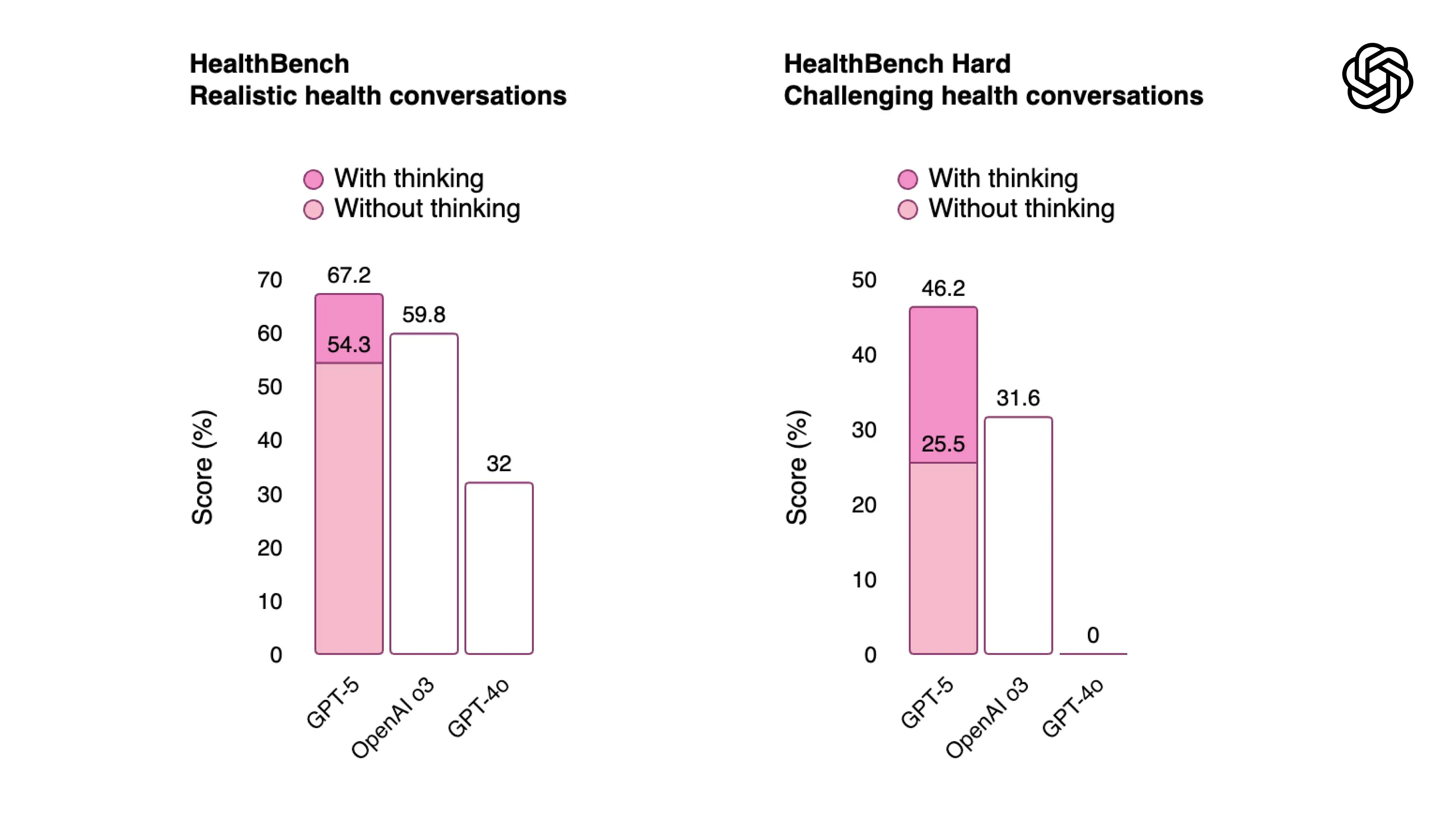
Healthcare clinical support signals
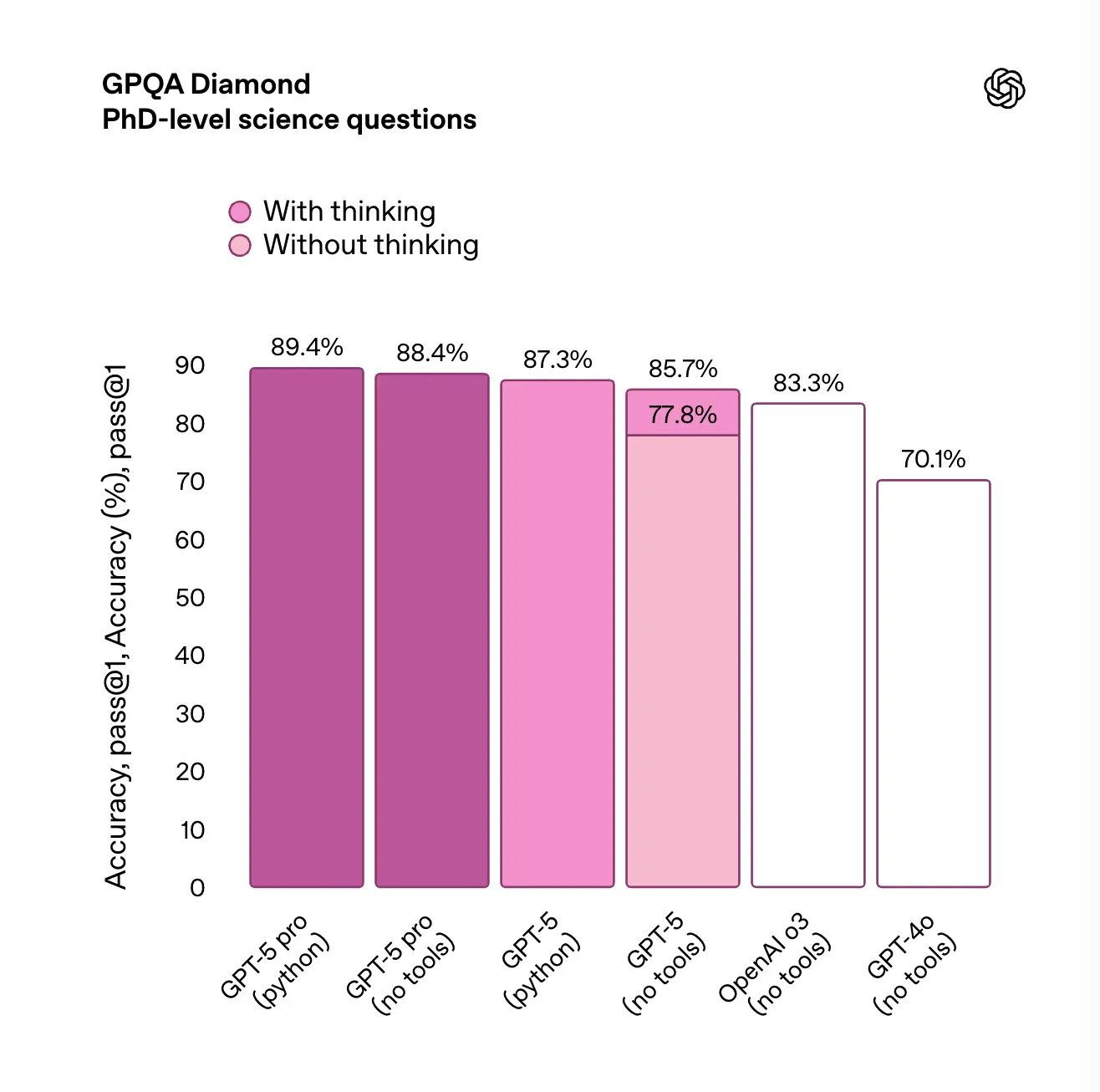
OpenAI says GPT-5 improves health benchmarks compared with earlier models, with fewer hallucinations and safer outputs. This matters for triage notes, discharge summaries and care navigation.
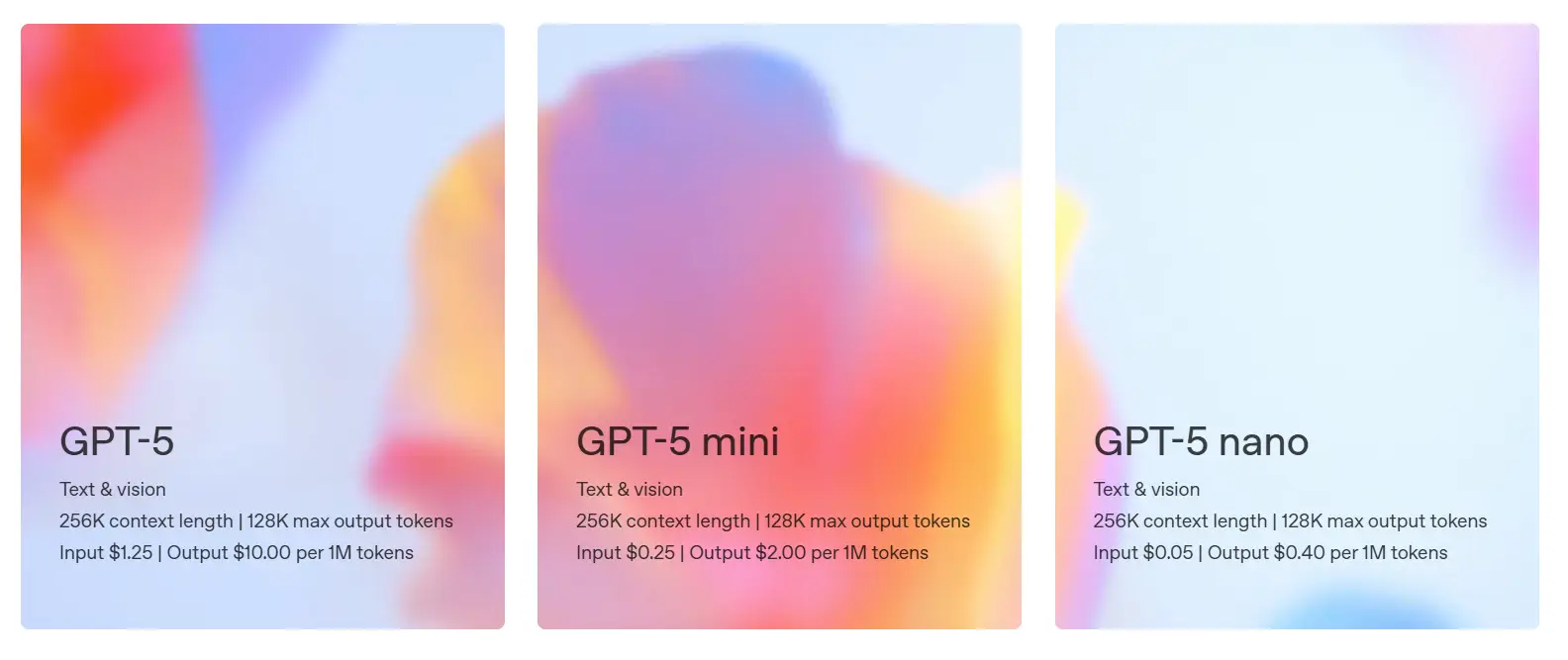
Healthcare - why long context helps
A larger context window lets GPT-5 handle long records, imaging notes and timelines in one session. This supports continuity of care and reduces copy-paste errors in summaries and care plans.
Education, personal tutors and class aides
GPT-5 strengthens the AI teaching assistant role. It can plan lessons, adapt difficulty, create quizzes, and offer one-to-one support across languages and formats.
Education, multimodal and accessibility
With stronger vision and long context, GPT-5 can analyse diagrams, grade structured work, and simplify texts. It also supports inclusive learning with tailored explanations and voice tools.
Safety, governance, and rollout
Safe completions aim to balance help and safety, cutting risky outputs while avoiding blanket refusals. GPT-5 is live for ChatGPT users, with enterprise and education tiers adding controls.
)
)
)
)
)