How will climate change affect space exploration?

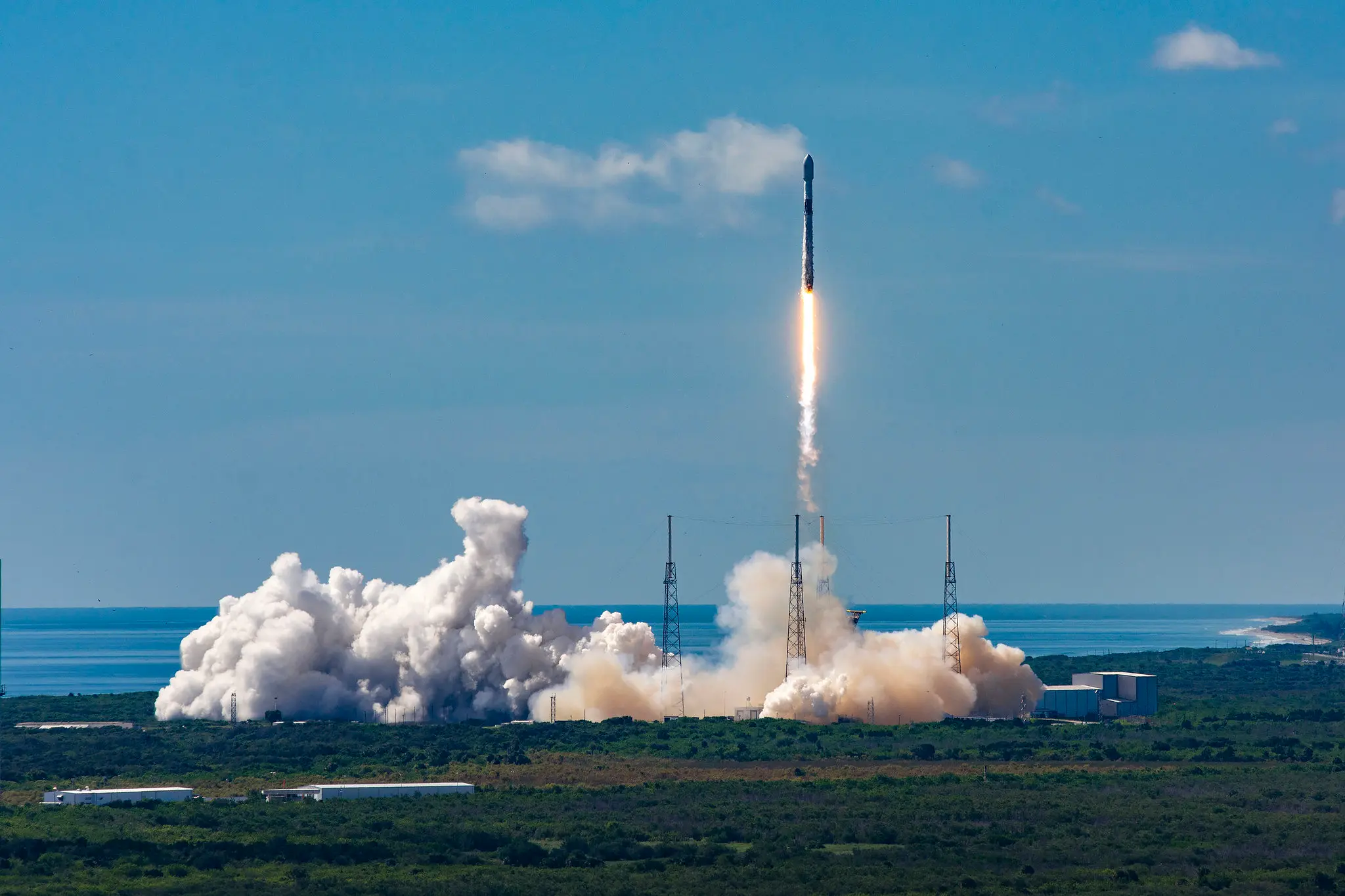
Rocket launches face new climate risks as global warming causes more storms and heatwaves. At the same time, launches create pollution and space debris that affect the upper atmosphere. Now, agencies are racing to find greener, safer ways for rocket launches.
Launching rockets
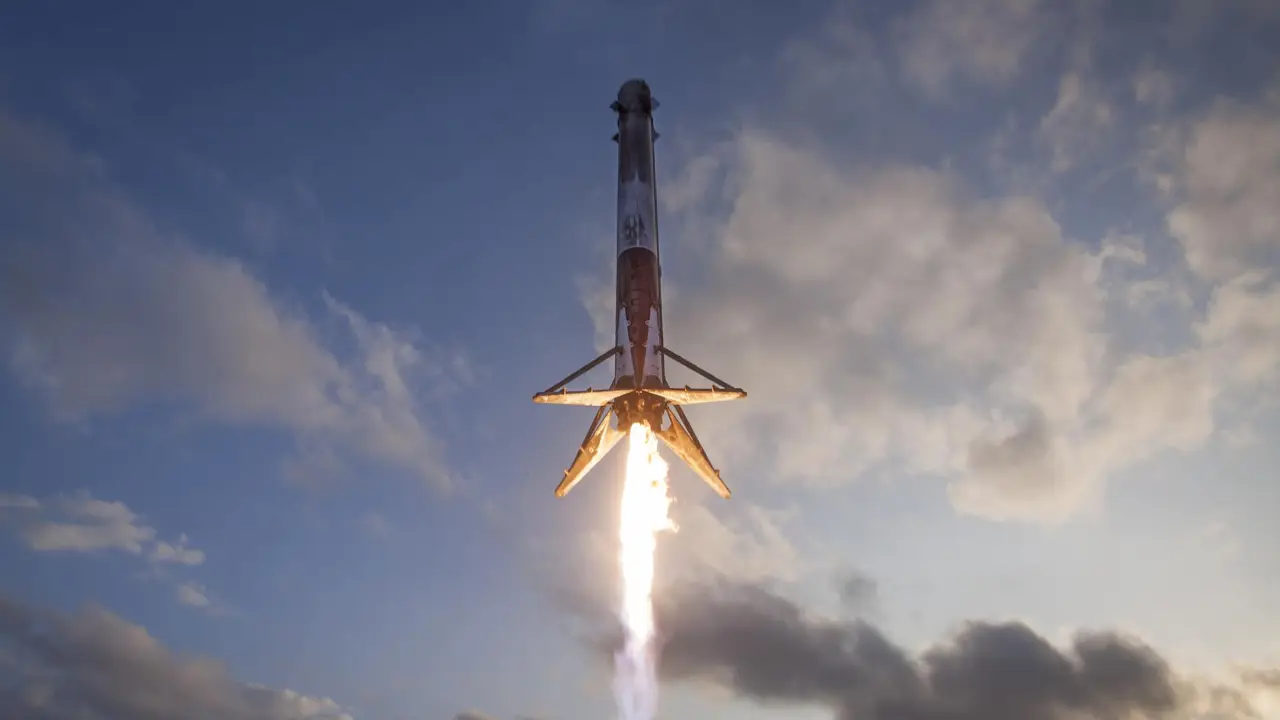
Climate change is increasing extreme heat, storms, and wind. Rocket launches may be delayed due to worse weather, high winds, or stronger lightning which makes launch windows shorter and harder to predict.
Rocket pollution and the ozone
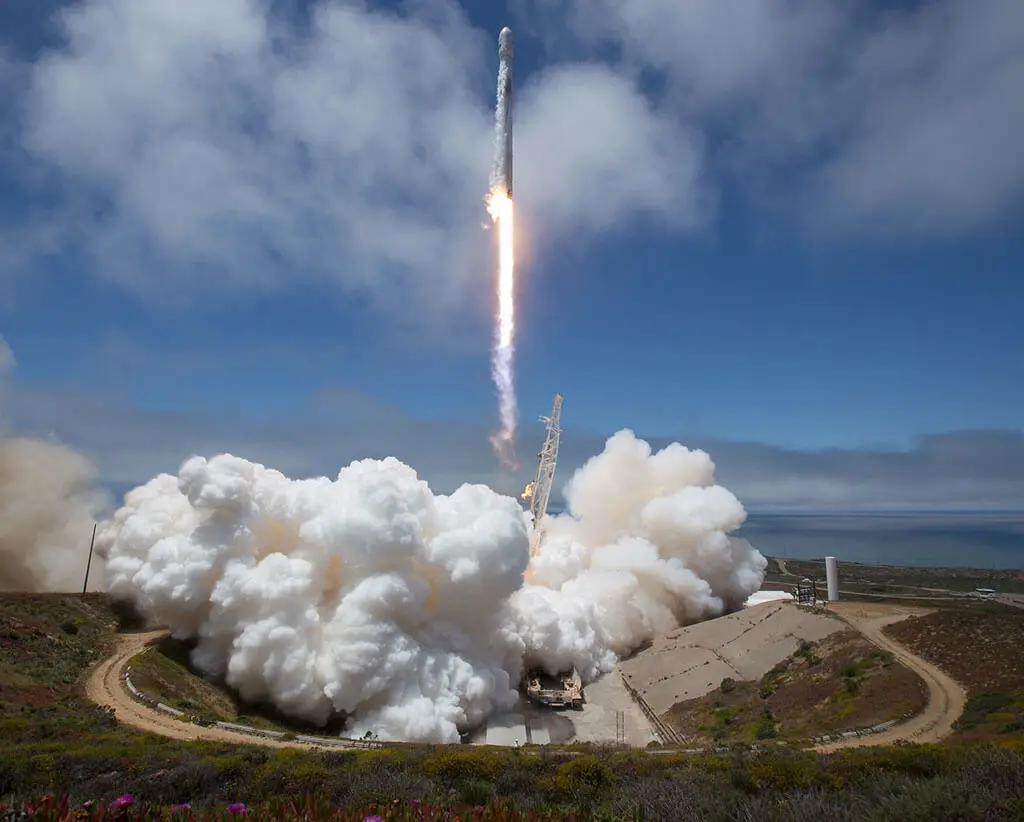
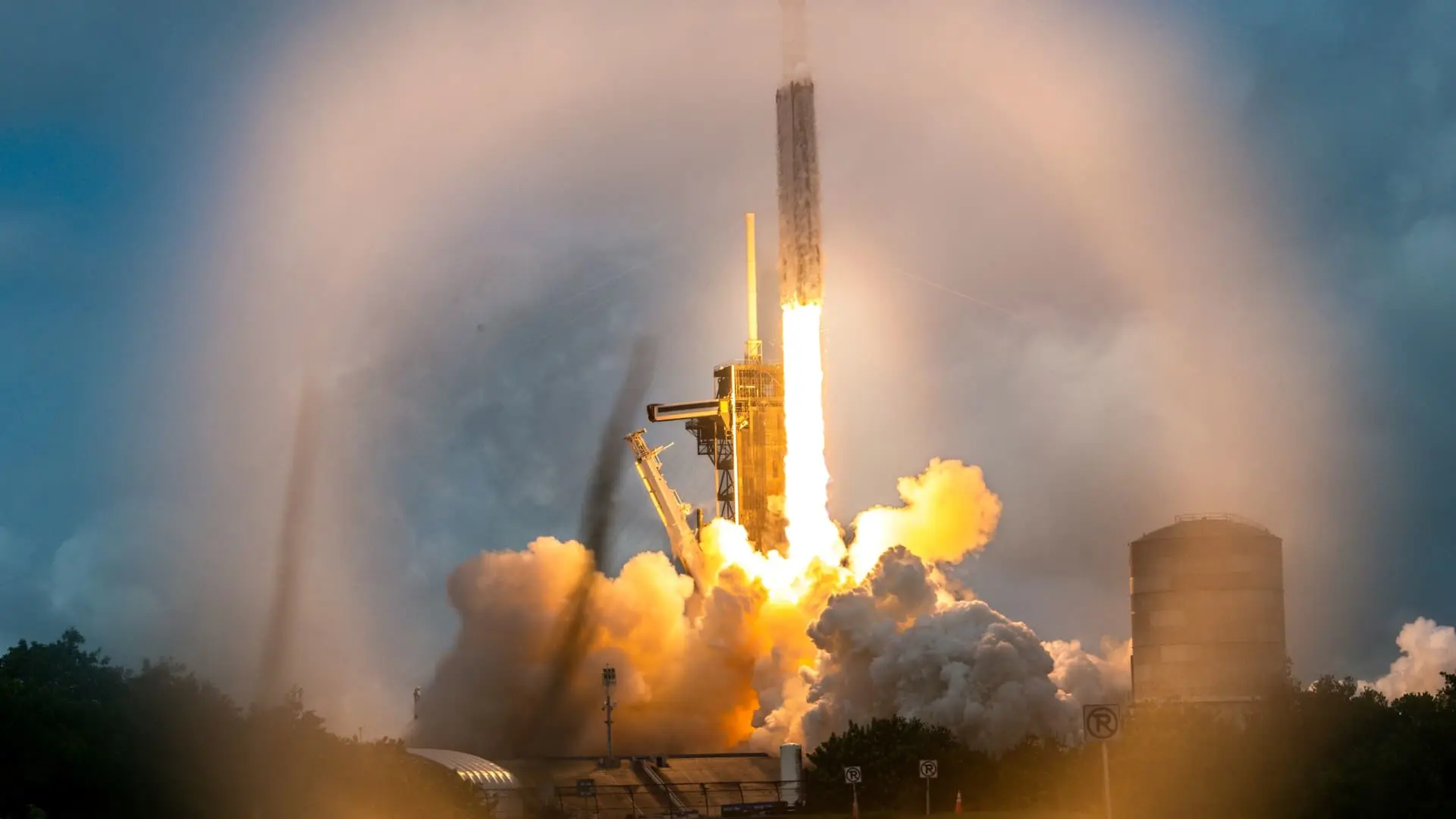
Rocket engines emit black carbon and nitrogen oxides into the upper atmosphere. These pollutants trap heat and can thin the ozone layer, which shields the Earth and satellites from dangerous ultraviolet rays.
The growing soot risk from launches
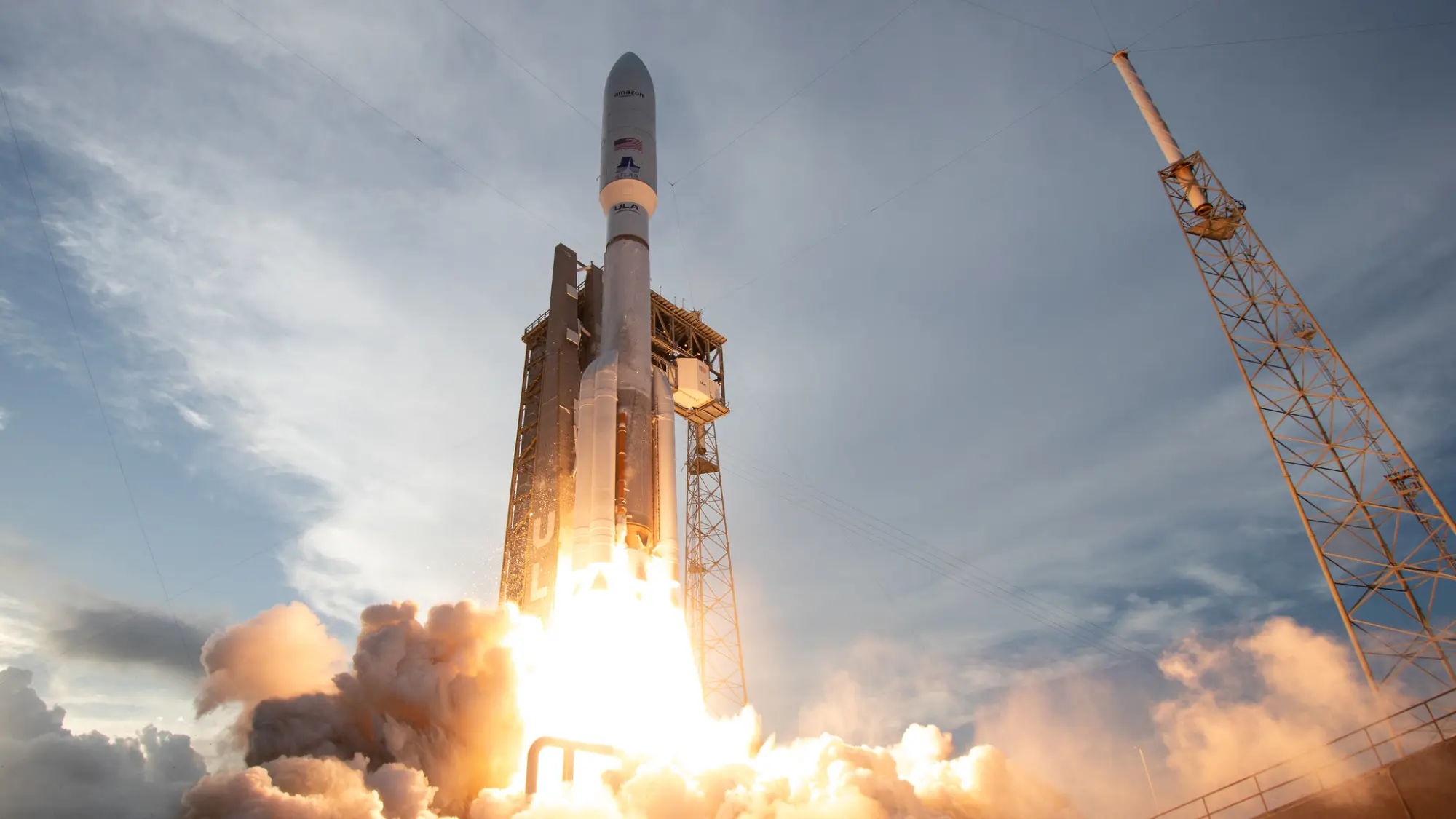
Rocket soot (black carbon) is 500 times more effective at holding heat than regular air pollution. Even though rockets emit less carbon dioxide than planes, their soot hangs in the stratosphere for years, raising local temperatures there.
Space junk and warming
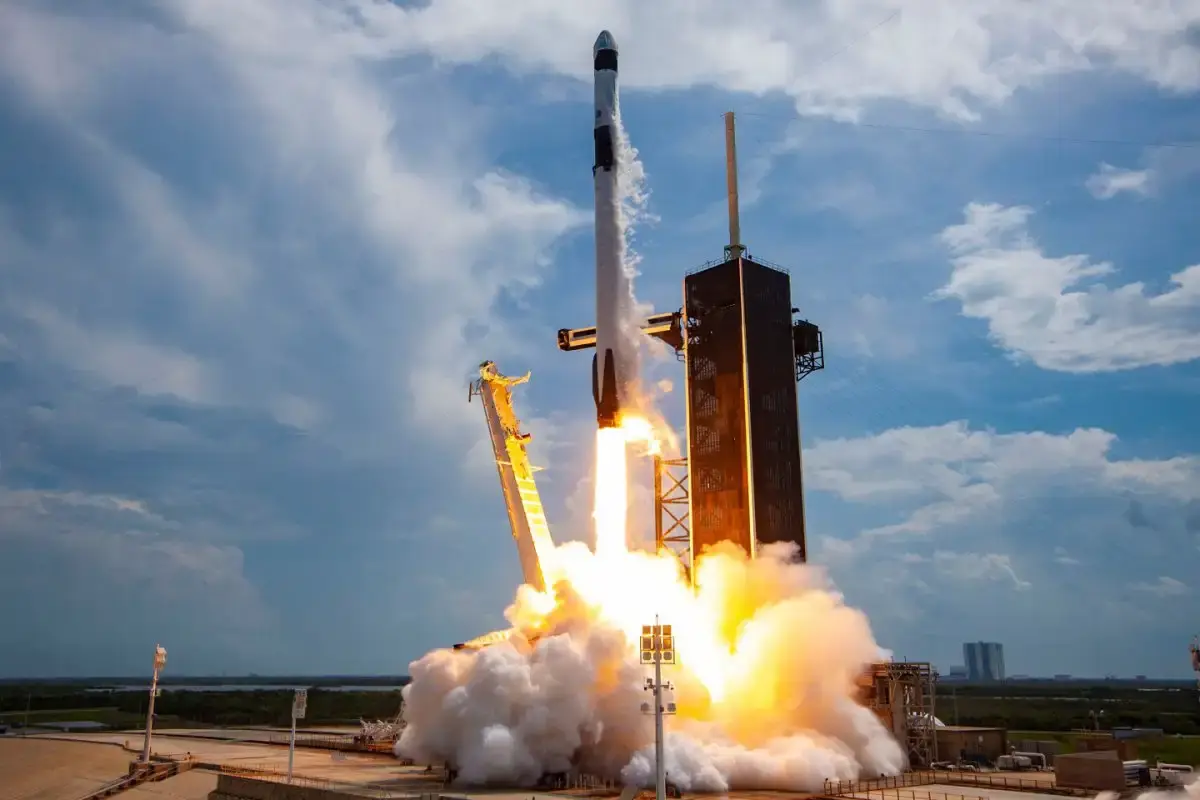
Higher launch rates mean more debris in orbit. Some old satellites and objects re-enter the atmosphere, adding pollution when they burn up and sometimes releasing toxic metals that also affect climate patterns.
Satellites and climate science
Despite these risks, satellites are essential for tracking global warming, measuring sea level, detecting pollution, and giving early warning for disasters. Earth observation from space is a key part of climate action and planning.
Technology innovation to adapt
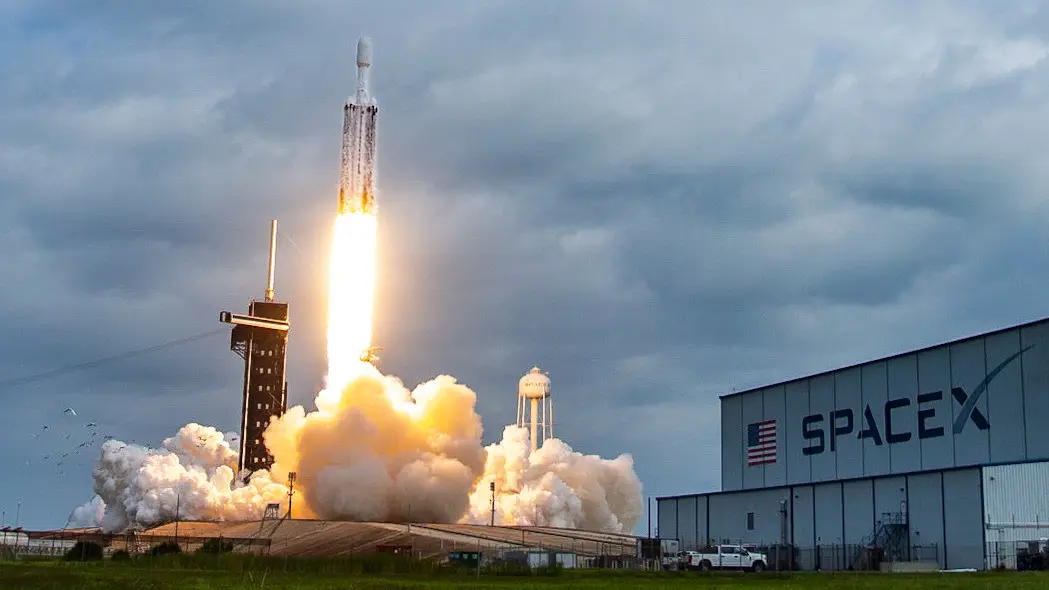
Space agencies and companies are now developing greener propellants, reusable rockets, and better ways to reduce emissions. New launch sites are planned to adapt to changing weather and coastal risks from sea level rise.
Balancing progress with responsibility
Future space missions must weigh the risks of pollution, debris, and climate impact. International action, new regulations, and technology partnerships will help balance exploration with the need to protect Earth’s environment.
)
)
)
)
)