How were black holes discovered? 240-year-old concept hypothesised 'dark stars' which turned out to be...

How were black holes discovered? These cosmic giants are a relatively new discovery, yet they have been theorised for over 200 years. Who was the first person to talk about black holes, or as they were initially known, “dark stars.”
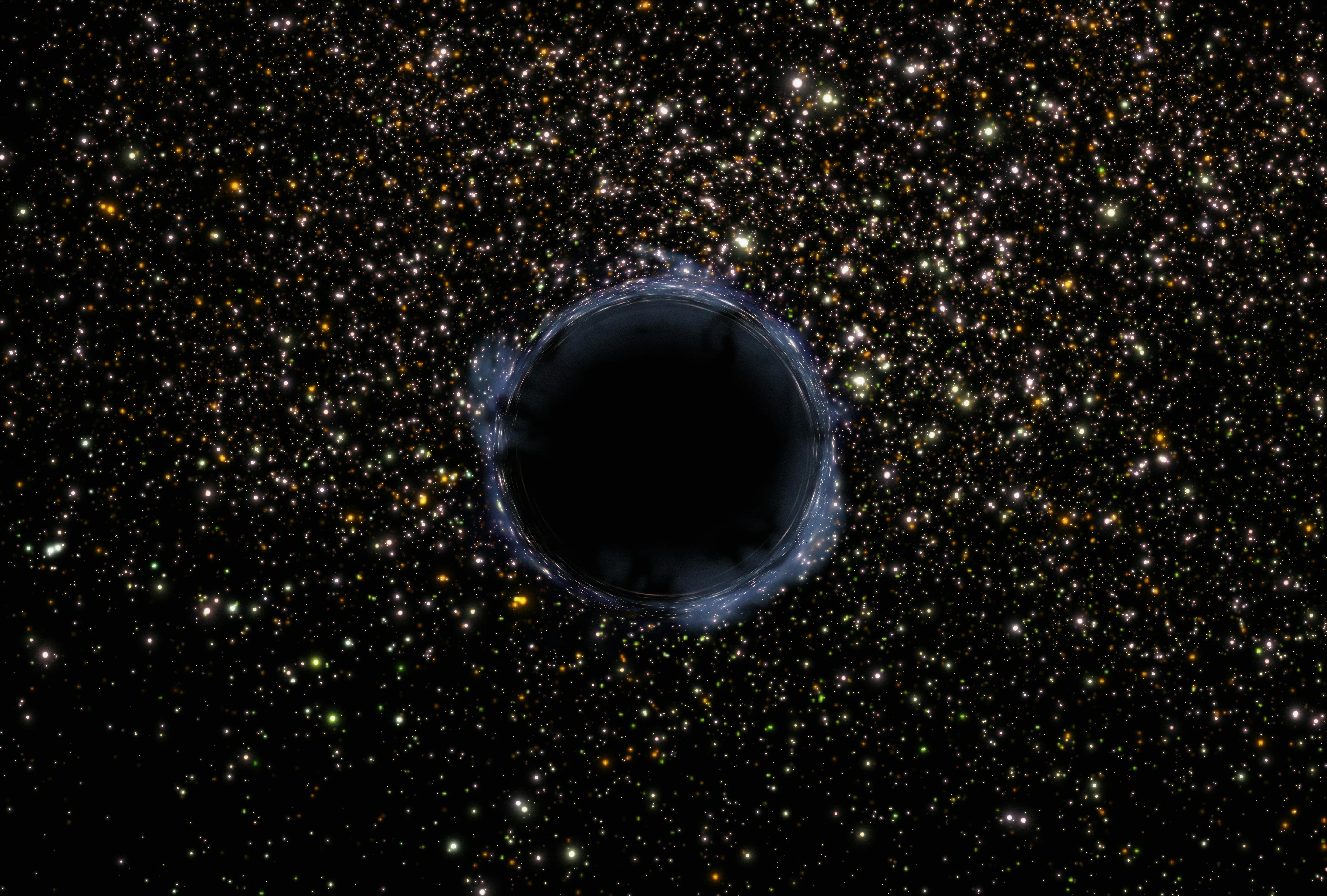
Black holes were first theorised over 200 years ago
Black holes weren't always known by this name. In fact, the name wasn't coined until 1967, and the first proof of black holes in the universe wasn't found until 1971. However, the first clues of their existence were identified nearly 240 years ago. Over 100 years later, Albert Einstein presented his general theory of relativity, which predicted that objects with immense gravitational force were present in the universe. Over 50 years later, the first black hole candidate was identified, and since then, these enigmatic cosmic objects have fascinated the world.
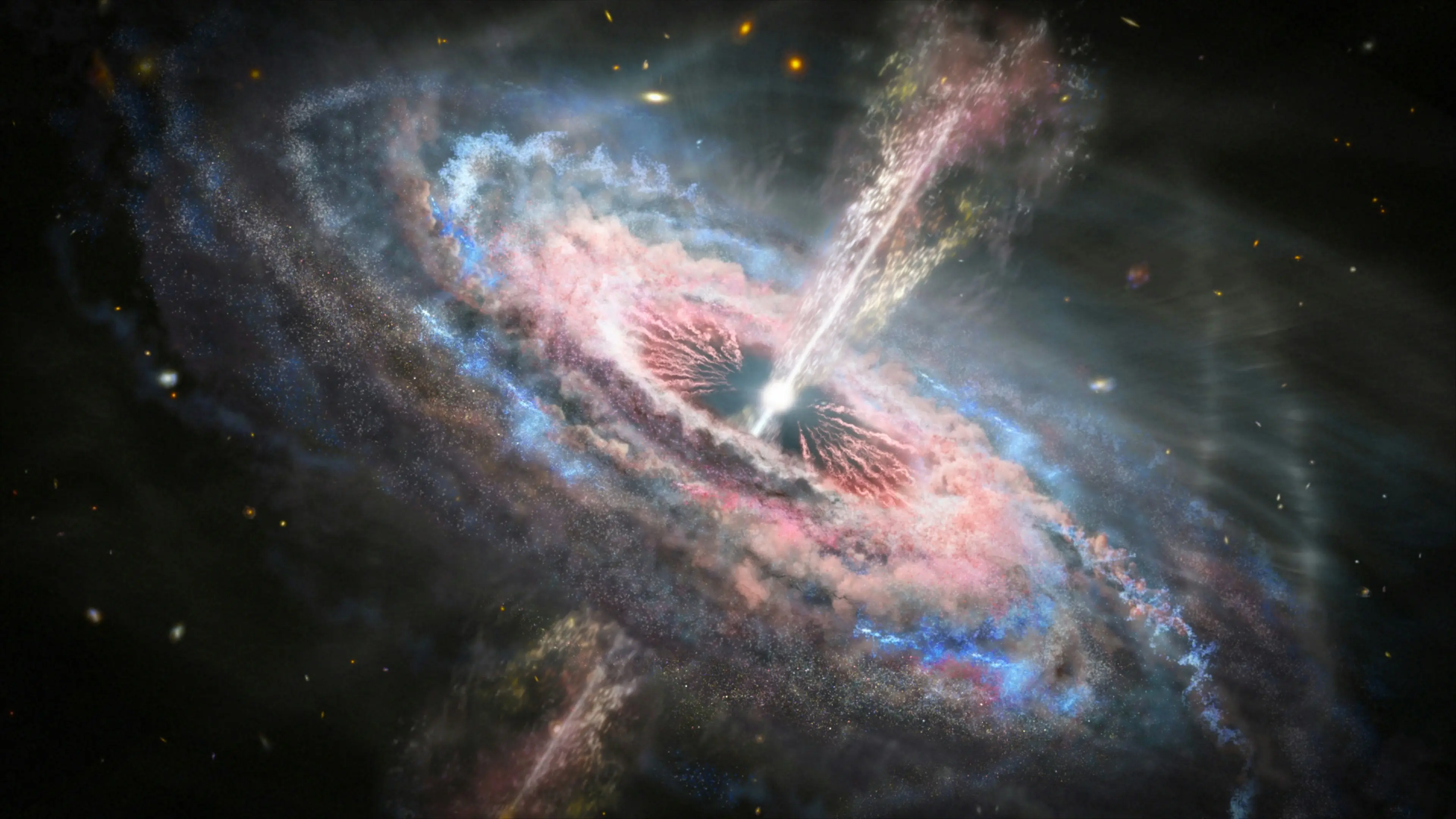
John Mitchell first proposed black holes as dark stars
English natural philosopher and clergyman, John Mitchell, was the first person to present the concept that hypothetical objects with such gravitational force from which even light could not escape were swarming the universe. He called them “dark stars” in 1783. His idea was based on Newtonian mechanics and the concept of escape velocity.
Black holes were also proposed by a French mathematician
He was not the only one to talk about black stars. Pierre-Simon Laplace, a scholar who worked in physics, astronomy, mathematics and a lot more fields, also presented a similar idea, stating that massive stars from which light could not escape existed in the universe.
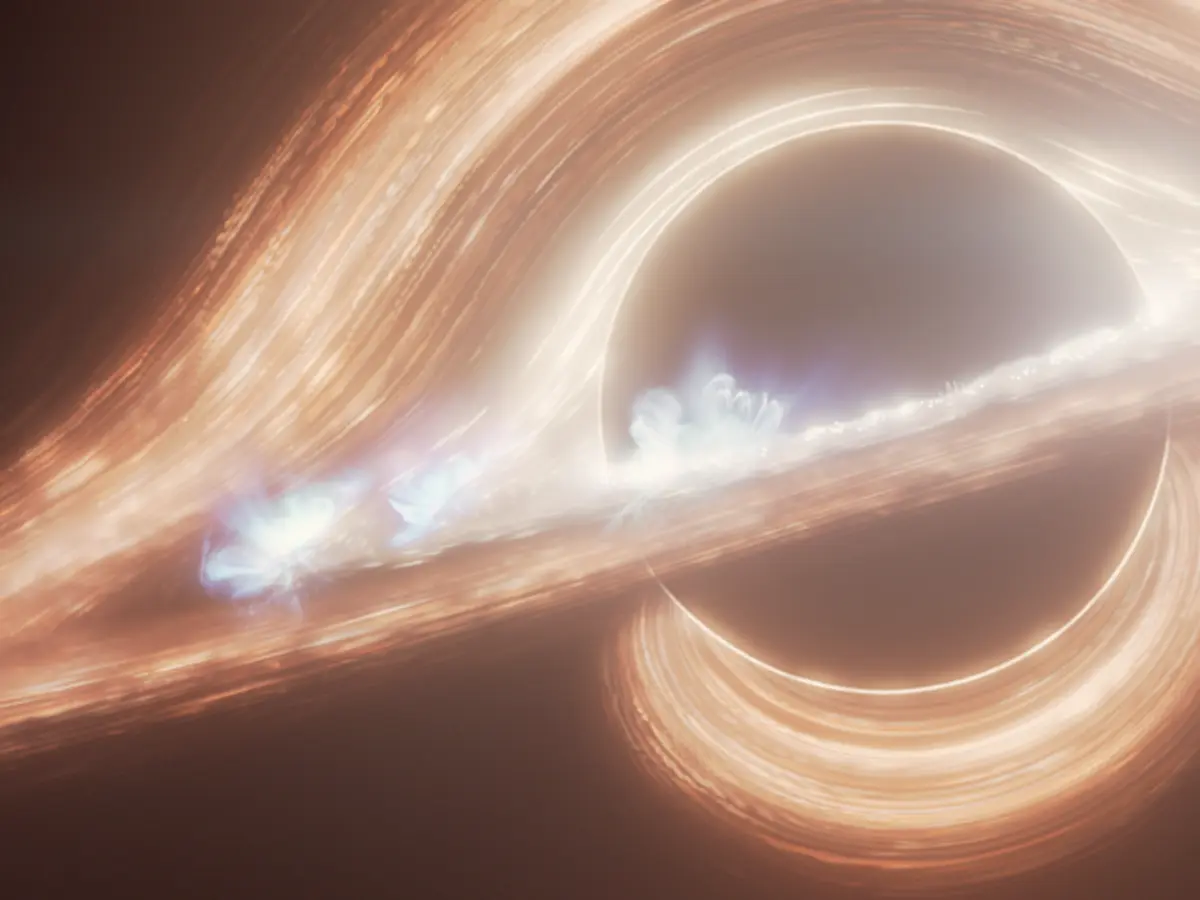
Albert Einstein predicted the event horizon
Albert Einstein presented the general theory of relativity in 1915. It predicted that a boundary lay around a singular massive object from which nothing can escape. This boundary is today known as the event horizon. These objects curved spacetime, and this decides how other objects move through it. This theory not only explained the orbits of planets, but also the existence of black holes.
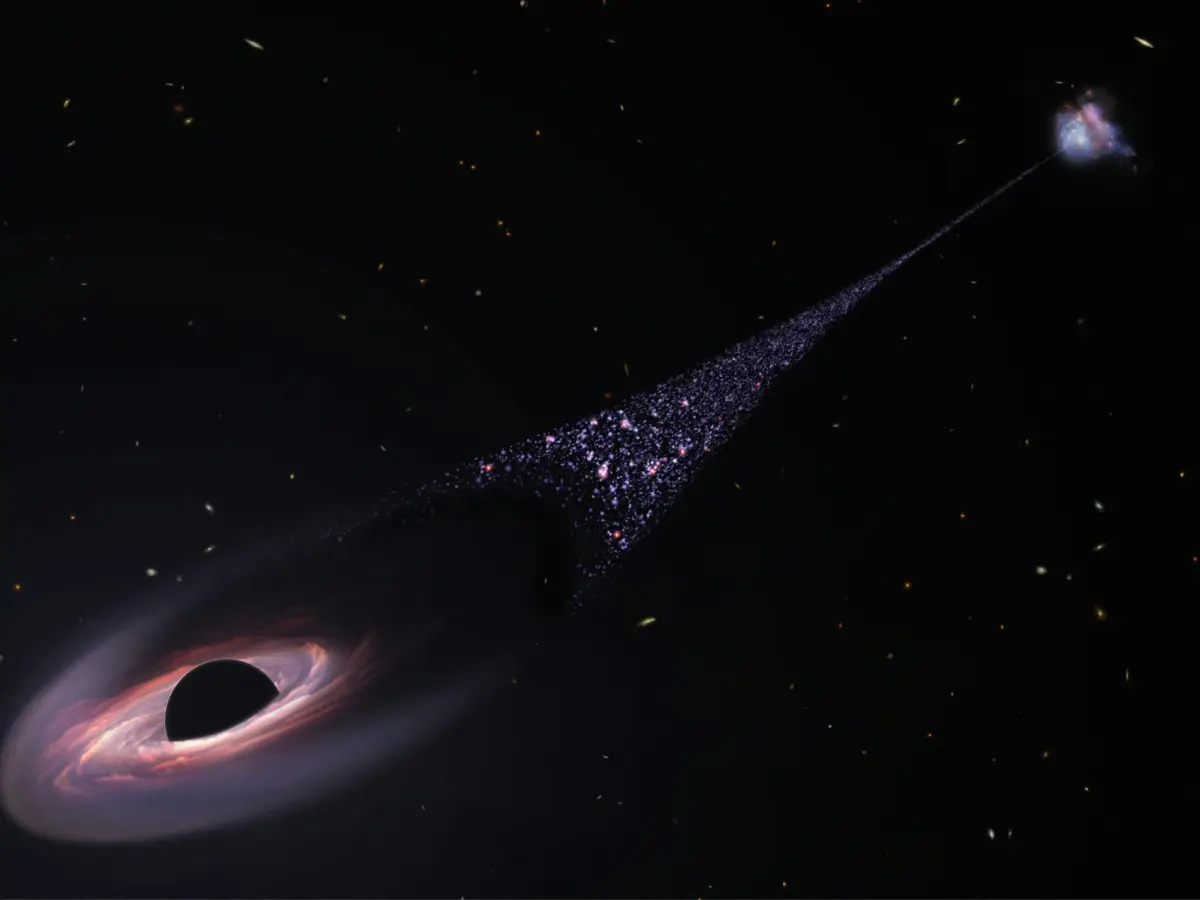
The name 'black hole' was coined in 1967
Black holes remained a theoretical concept for several years to come. In 1965, Roger Penrose proved that black holes are real and the result of gravitational collapse. These secretive objects generated so much curiosity that in 1967, astronomer John Wheeler formalised them by giving them a name - black hole. This meant that the scientific community was sure of such an object in the universe; however, one had yet to be found.
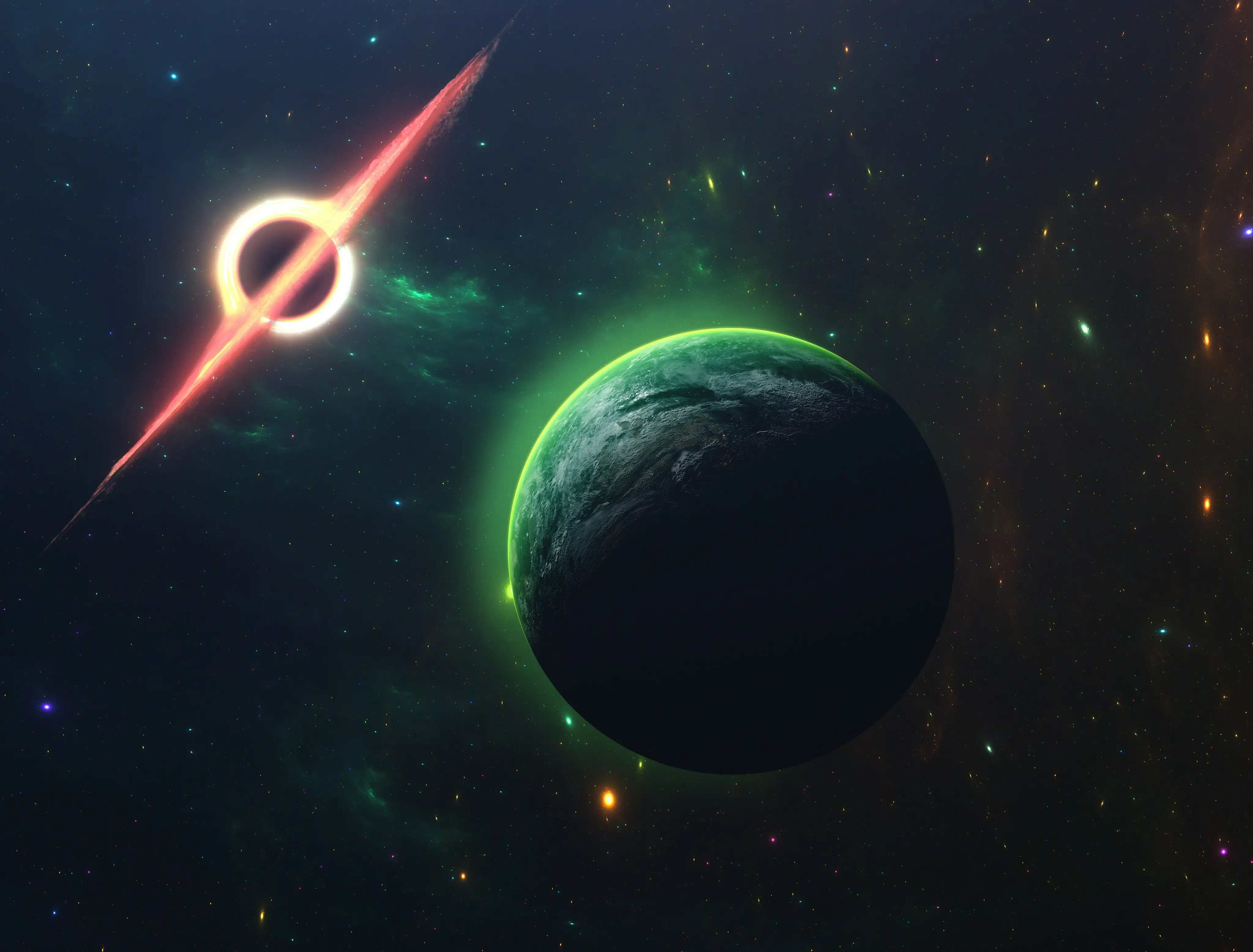
Cygnus X-1, the first cosmic object widely accepted as a black hole
In 1971, Paul Murdin and Louise Webster discovered the first cosmic object that was widely accepted as a black hole. It was Cygnus X-1, a system in the constellation Cygnus. Scientists detected X-rays from Cygnus X-1, which they believed was being generated by a star that was losing matter and falling into something unseen, something dark.
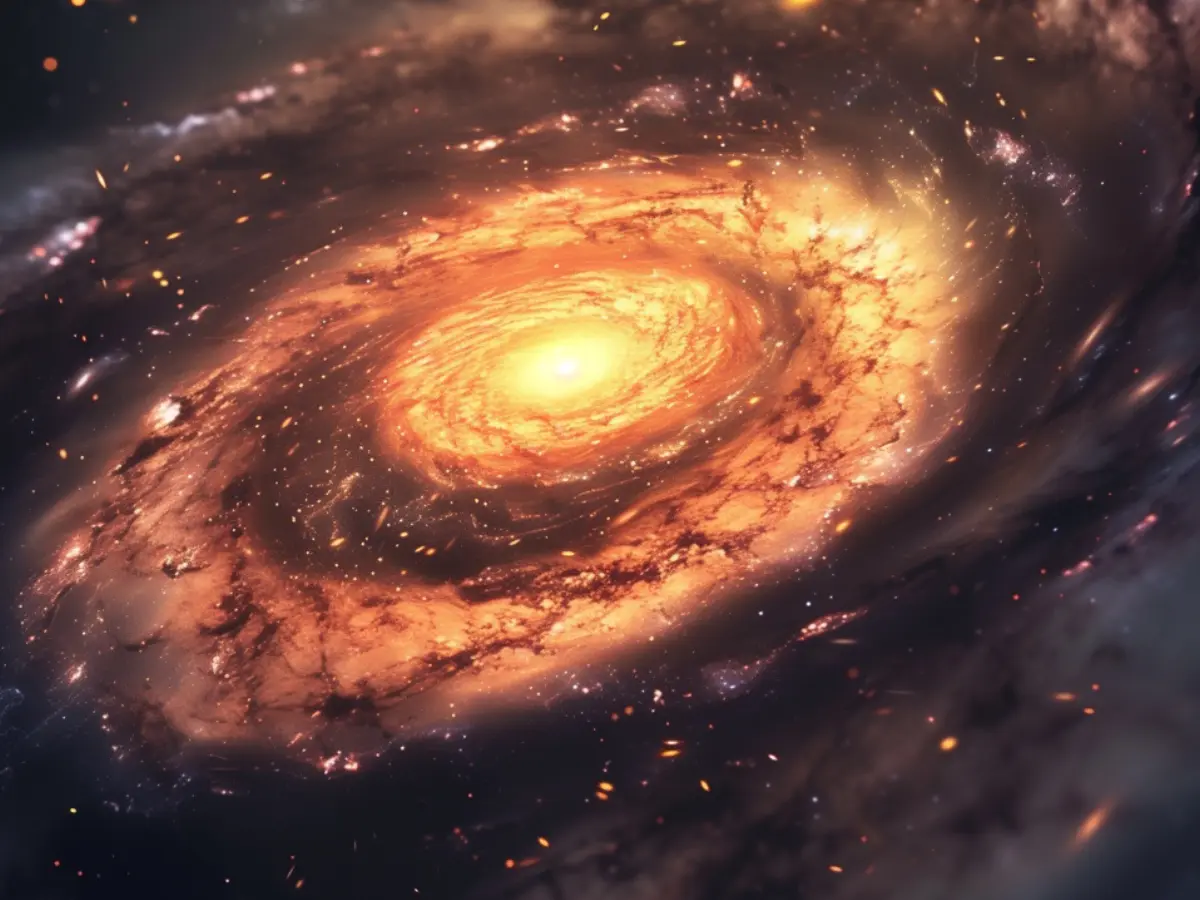
Blue supergiant star in its orbit is known as HDE 226868
The stellar-mass black hole in this system is believed to have a mass approximately 20 to 21 times that of the Sun. The massive blue supergiant star in its orbit is known as HDE 226868. Cygnus X-1 is an extremely bright X-ray source because of the material being pulled from the supergiant star.
)
)
)
)
)