How weather radars in fighter jets reduce crashes and why upgrades matter

Modern weather radar in fighter jets helps pilots avoid bad weather, reduce crashes, and improve missions. Find out how it works, real stats from reports, and why upgrades like India’s Virupaksha matter. Know more, read more below.
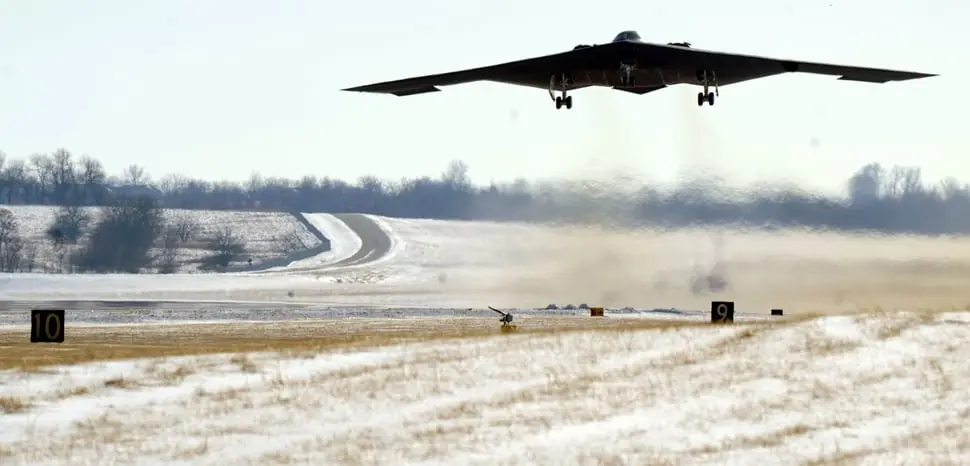
Weather Radar
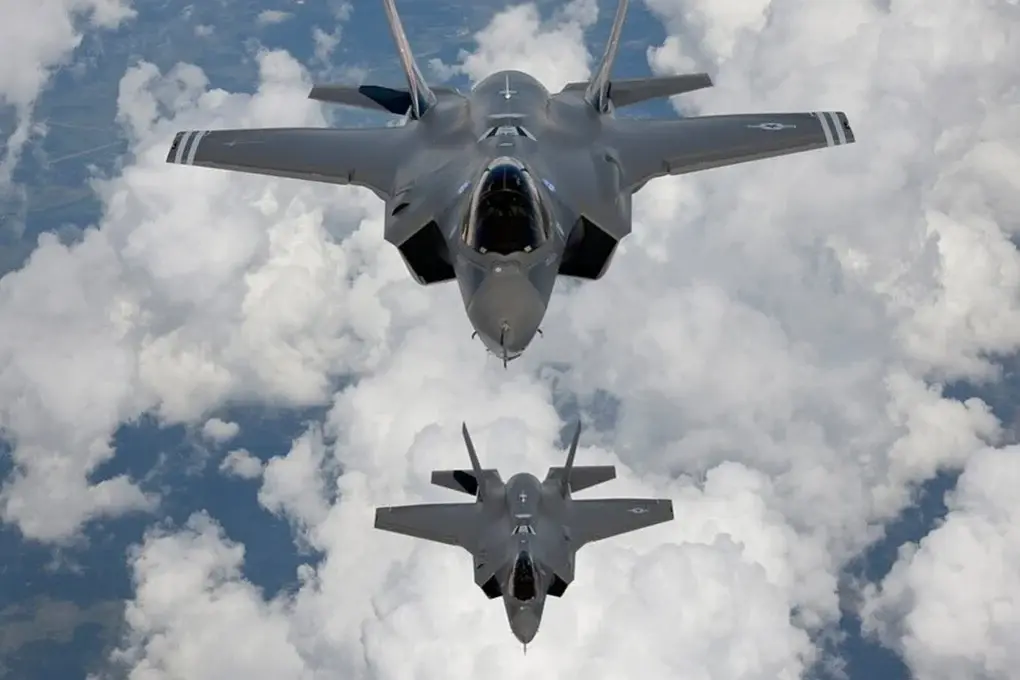
Modern fighter jets carry advanced weather radar to detect storms, heavy rain, hail and turbulence. As per the Aviation Services report, these radars help pilots avoid dangerous conditions, which adds safety for pilots and aircraft.
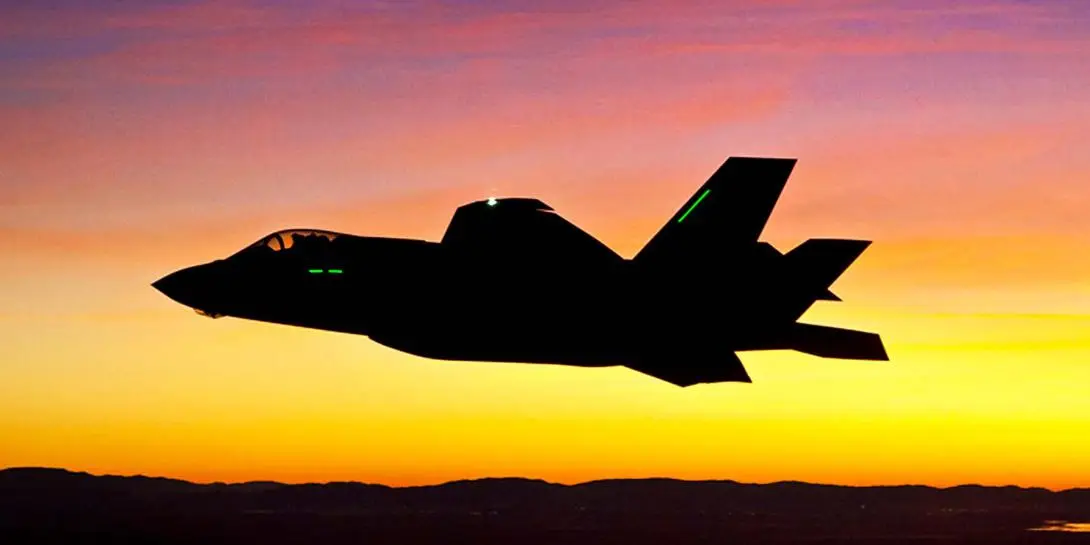
Real-Time Hazard Detection
These advance radars give pilots live images of the weather ahead. This allows them to steer clear of thunderstorms, which is one of the leading causes of crashes worldwide. Early alerts mean fewer last-minute decisions and lower risk.
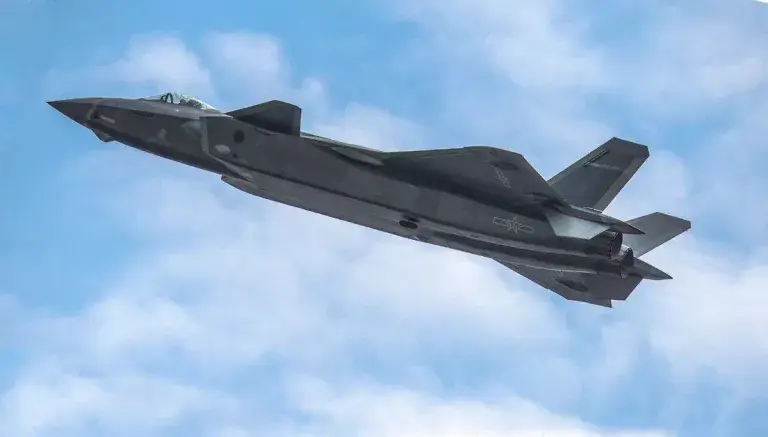
Better Routes and Safer Missions
By spotting weather patterns, radar lets pilots adjust to safer and more efficient routes. This saves fuel, avoids delays and reduces the chance of risky landings. In combat zones.
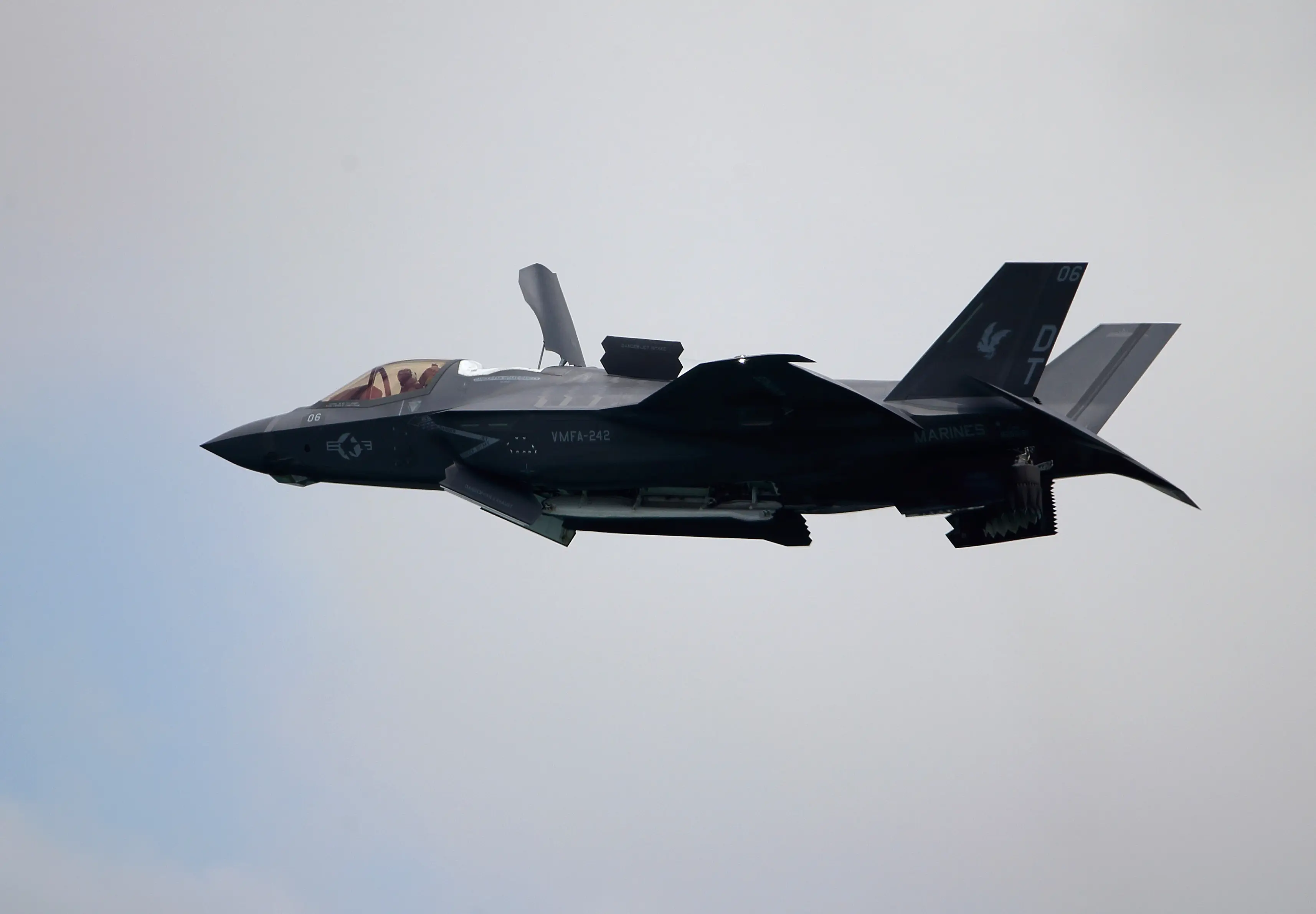
Turbulence and Crash Figures
In the past, severe weather often played a role in jet accidents. Better radar now helps pilots detect storms and turbulence earlier, cutting the number of weather-related crashes. NASA and global data link radar advances directly to improved safety.
Upgrades Make a Big Difference
Radars are frequently upgraded with new features such as 3D mapping, automatic hazard alerts and longer range. BBC reports notes that this new radar technology can detect storm threats up to 320 miles away and label dangers like hail or lightning automatically.
Indian Air Force’s New Radar
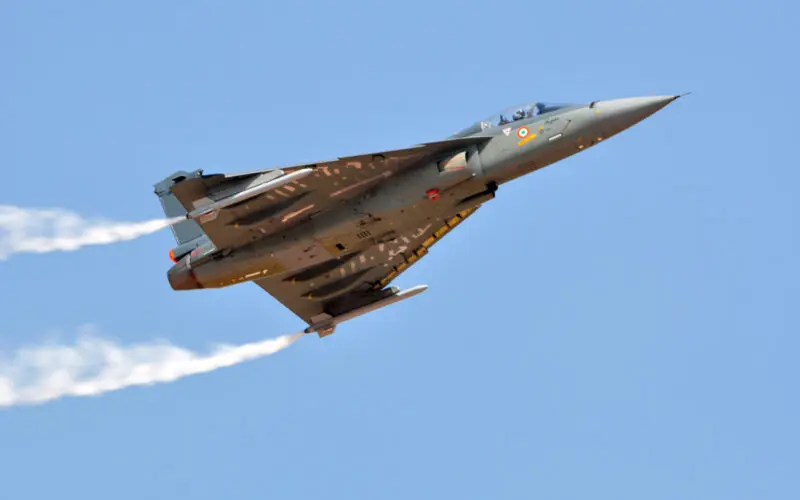
The Indian Air Force is fitting its frontline jets with a new radar named Virupaksha. Developed by DRDO and HAL, it can detect targets up to 30 per cent further away.
)
)
)
)
)