How Washington's Iran narrative collapsed under its own weight?

The US-Israeli operation, which managed to kill Ayatollah Khamenei, failed to create a domestic resistance. It was built on three compounding strategic failures: mistaking diaspora as a nation, manufacturing an economic crisis to stir up a revolt, and secular culture underestimating theology
Making Iran broke again
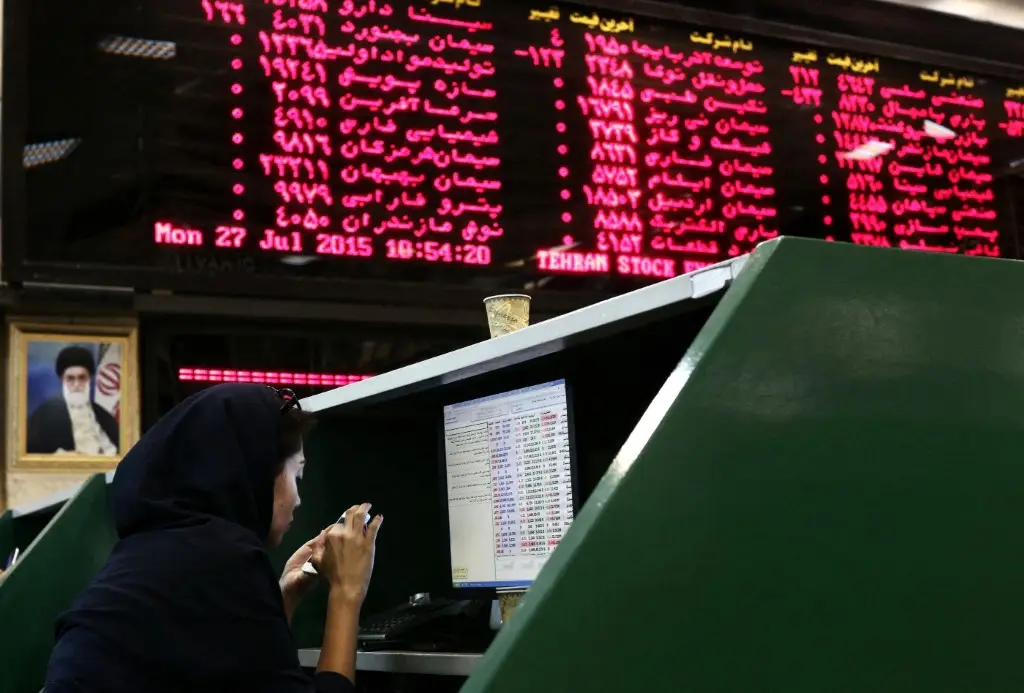
The financial crisis in Iran did not emerge in isolation. Trump's maximum pressure policy on Iran was introduced in Trump's first administration and renewed immediately after he returned to the White House in January. In March 2025, US Treasury Secretary Scott Bessant said that "Making Iran Broke Again" was the slogan of the US Sanction policy. In 2017, before US sanctions were imposed, Iran exported 2.5 million barrels oil per day. In 2024, it dropped to 500,000 barrels per day. Iran utilised a fleet of 200–477 ghost tankers, reflagging, transferring ship-to-ship and disabling ship transponders to raise it to $1.5 million barrels per day. But the US sanctions increased the cost and reduced the profit margin, due to high intermediary fees, shipping costs, and steep discounts. The returns were held in escrow accounts, which Iran cannot access to purchase goods of its choice, but must buy items that were allowed by the US, effectively turning the multi-billion dollar oil trade into a glorified barter system. In 2015, when the nuclear accord was implemented, the Rial was trading at 32,000 to the dollar. Now, the rate has hit a peak of 1.75 million to the dollar. In February 2026, the US Treasury Secretary Scott Bessant acknowledged publicly that the US deliberately created a shortage of dollars to accelerate the collapse of the Rial.
The amplification ecosystem- Media, Civil Society and Diaspora
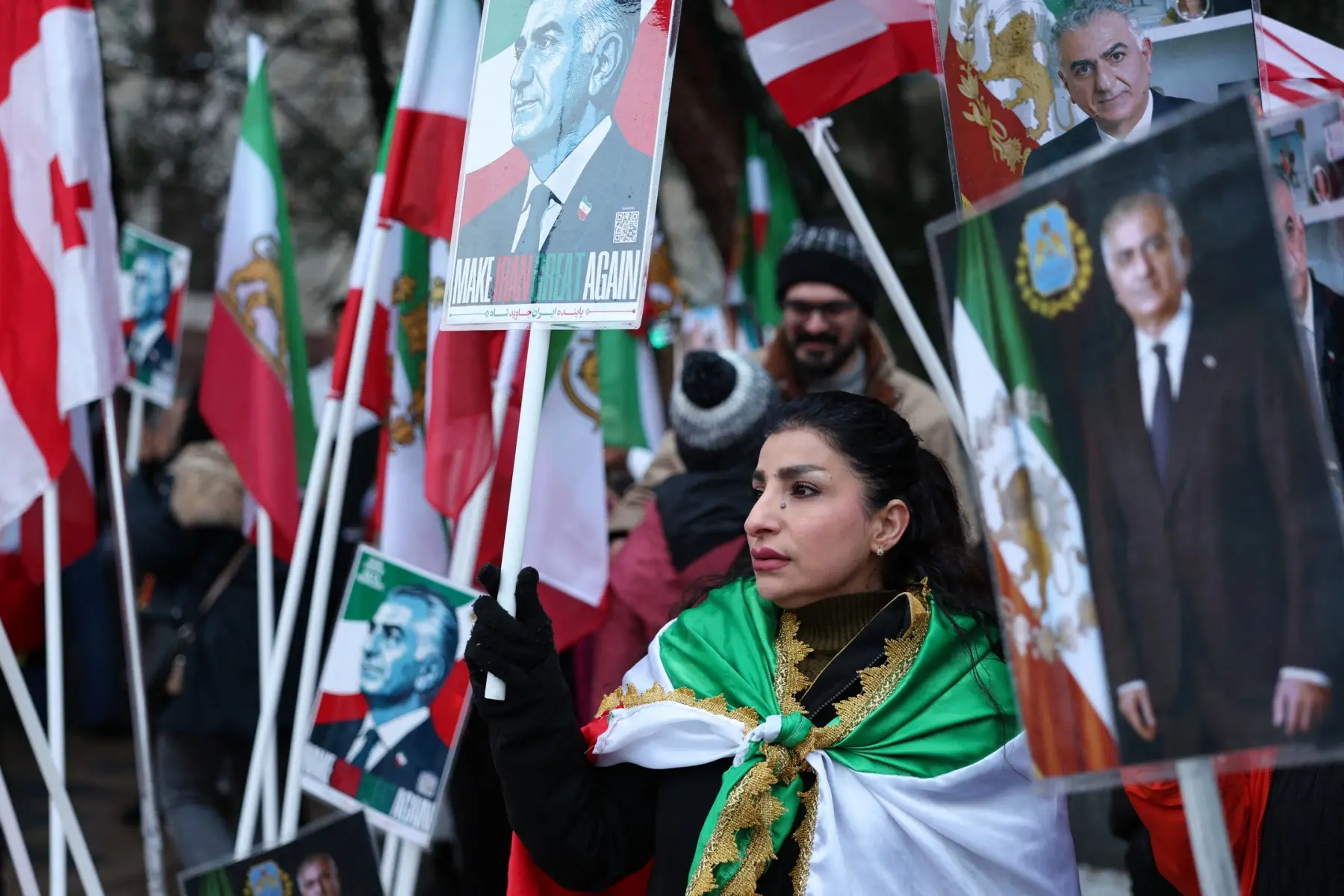
With the economic crisis producing social unrest, the next step was to globalise the crisis; the infrastructure for this was built gradually over the years. The three primary elements are media, civil society and diaspora. The National Union for Democracy in Iran, primarily based in Washington, worked as an “external engine” to coordinate the Iranian diaspora and influence US policy toward the 2025-2026 protests. The group maintains close ties with the Vandenberg Coalition, whose chairman is Elliott Abrams, a Jewish American Diplomat, a regular speaker at AIPAC, known for his advocacy for the US-Israel alliance. Iran International is the most-watched Farsi-language channel inside Iran and across the diaspora. It was routinely moderating in the symposiums for the National Union for Democracy. It used to convene meetings on Capitol Hill, circulated newsletters to congressional staffers and provided counsel to US government agencies. The correspondent of Iran International, Negar Mojtahedi, used to moderate panels alongside Reza Pahlavi. When the protests began on December 28, Pahlavi launched an extensive media campaign across social media and Western media. The American non-profit organisation NetFreedom Pioneers, which received $150,000 in US Government funding, distributed starlink terminal inside Iran to continue the protest.
Mossad, CIA on the ground
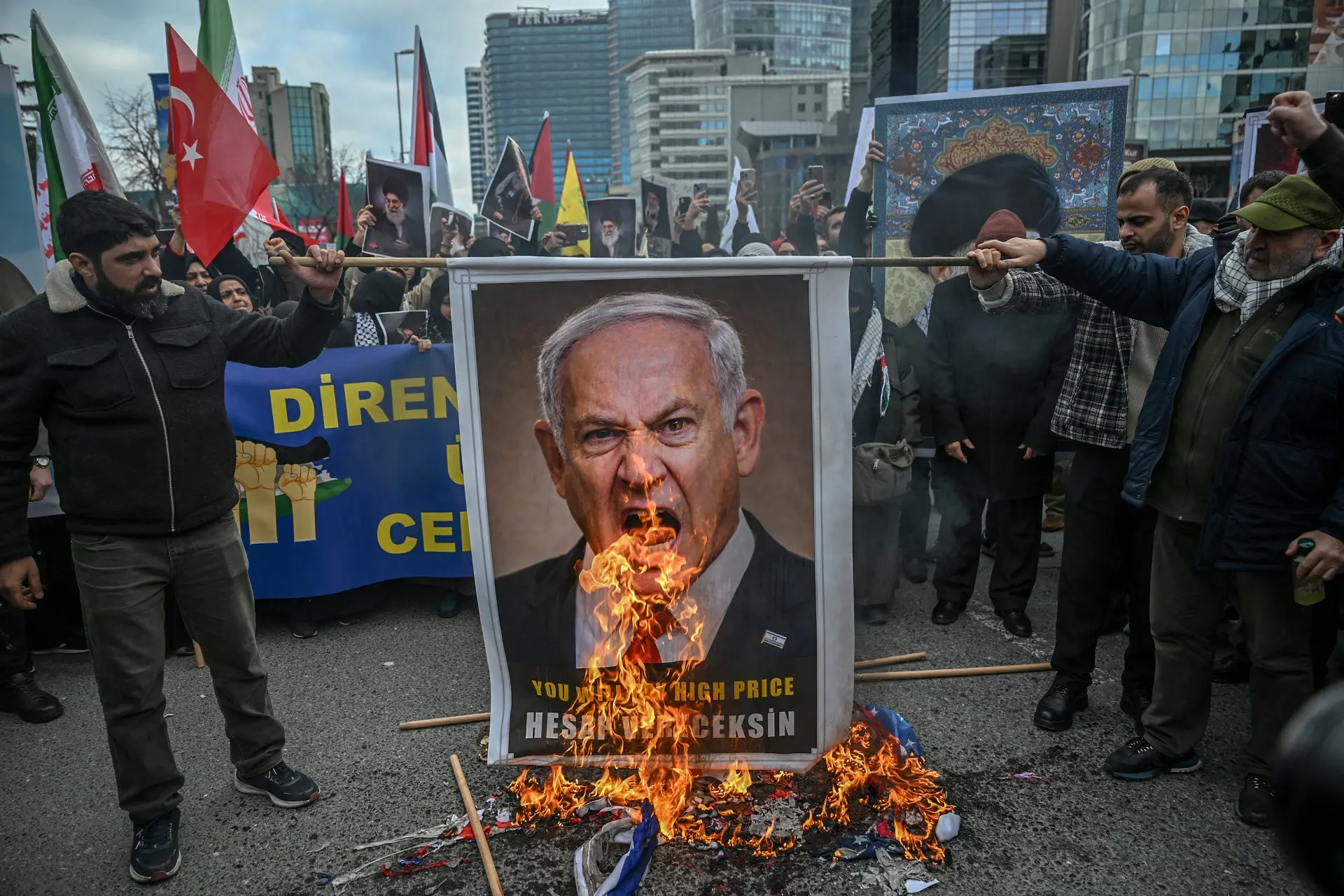
The covert operational layer of the manufactured uprising was not subtle, nor was it deniable. Mossad officially posted on X: We are with you on the field. Former CIA director Mike Pompeo made the comment again, implying that Iran was filled with Mossad agents. Then the CIA started actively supplying arms to the Kurdish groups to make the protests violent. On January 6, 2026, seven major Kurdish parties- including the PDKI, Komala, and PJAK issued a joint call for a general strike. The protests were observed across 39 cities and towns in Iranian Kurdistan, including Kermanshah and Ilam. They claimed attacks on IRGC positions in cities like Kermanshah and Isfahan between January 11 and 13. The IRGC captured more armed Kurdish groups trying to cross the border and capitalise on the January unrest. Now CIA is actively pondering arming Kurdish groups to balkanise the region, which will inevitably draw Turkey into war.
Diplomacy before bombing
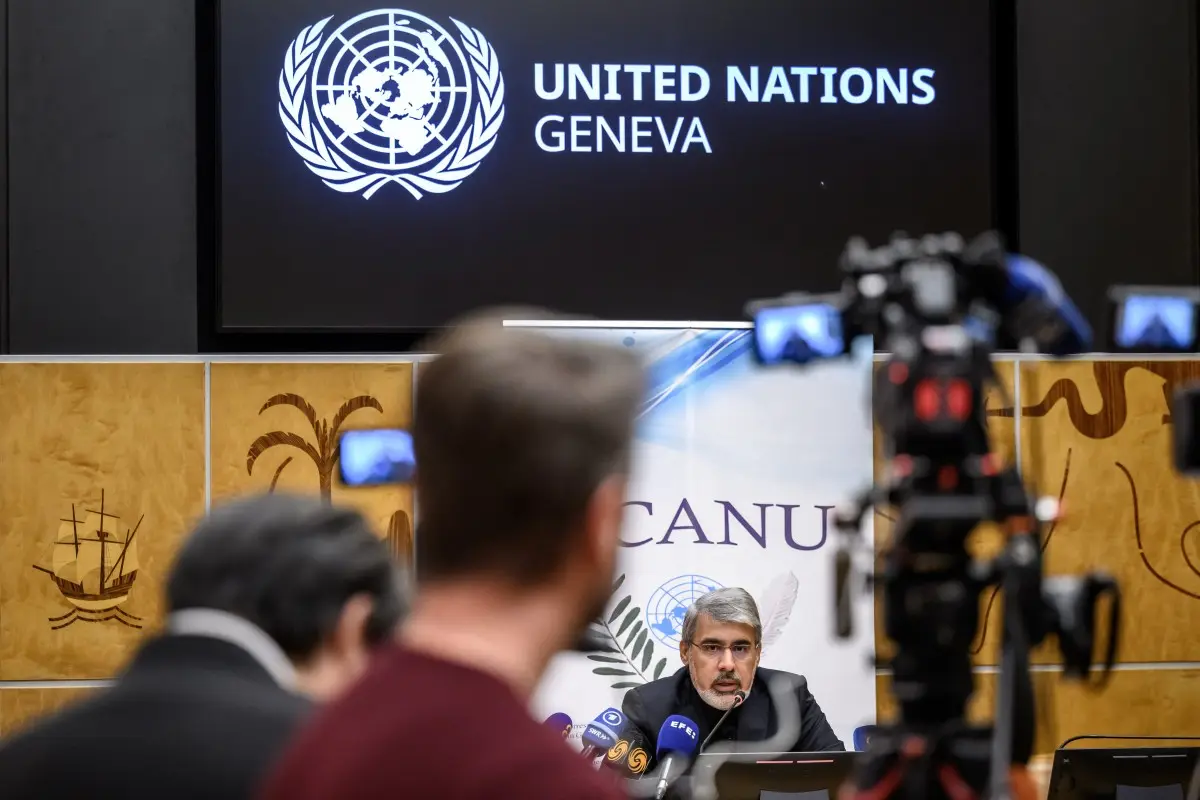
The US was involved in talks with Iran indirectly through Oman from February 6, 2026, with the aim of curbing Iran's nuclear stockpile. On February 27, Oman's Foreign Minister said that Iran agreed to degrade its nuclear capacity to unrefined levels in exchange for sanction relief. The pair was supposed to meet in the following weeks to finalise the details. Oman's Foreign Minister just stopped short of publicly announcing it. Trump launched an attack after weeks of buildup and lobbying by an unusual pair, Saudi Arabia and Israel. Oman's Foreign Minister Sayyid Badr bin Hamad Albusaidi expressed his "dismay" and stated that active negotiations had been undermined two times in June 2025 and February 2026. He is still actively pursuing a way to bring both parties to the negotiation table.
The miscalculation of faith, civilisation and culture
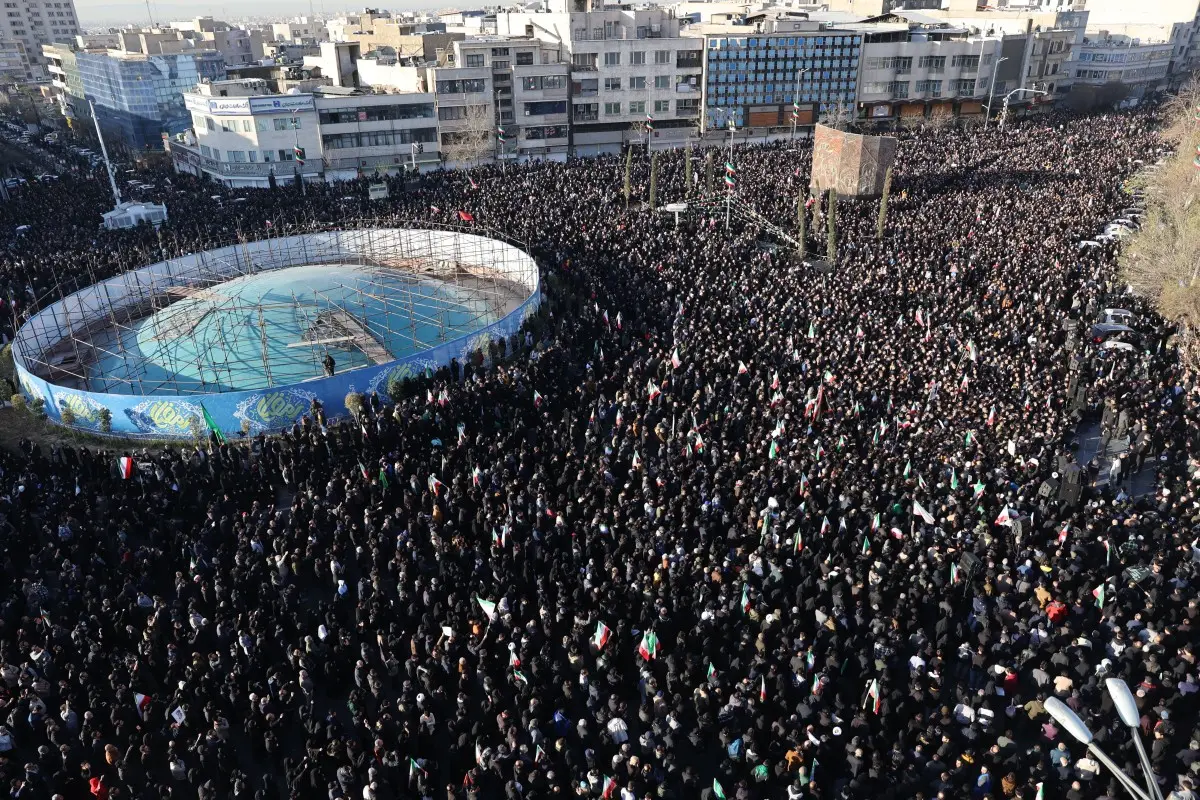
In every layer of the operation, the manufactured crisis, the globalisation of the crisis, the diaspora pipeline to legitimise those crises, feed them as evidence, and then the use of Mossad, the Kurdish proxy, to instigate violence and depict the regime as brutal instead of orthodox. All this rested on one foundational Western assumption: that the Iranian people, exhausted by economic deprivation and brutalised by its own regime, would be primed to revolt at a decapitating strike. The ecosystem they have created did not appreciate the spiritual authority of the Islamic leader. It was set to dehumanise Iranian faith and culture, so it did not account for their sensibilities. The result was a closed loop diaspora feeding think tanks, think tanks feeding Congress, Congress shaping intelligence priorities to confirm diaspora aspirations. It did not leave room for contrary arguments. It built a narrative, fed the narrative and then consumed that same narrative itself.
In the eschatology of Twelver Shiaism, which drives the Iranian faith, martyrdom is not a cost to be avoided; it's a form of victory. So, Iranian President Pezeshkian framed the killing of Khamenei as an open war on Muslims. The Western media was trying to show Iranians celebrating Khamenei's death, but they were grieving; the grief turned into outrage and reached the US embassies in Karachi and Iraq. Washington did not show philosophical or conceptual clarity to understand, let alone engage with, a theological war.
)
)
)
)
)