How was the universe discovered? A chance observation 100 years ago

The universe as we know it was only discovered 100 years ago. Before that, scientists thought that the Milky Way was the entire universe. But one observation by Edwin Hubble changed that forever, introducing us to a world where our galaxy was almost negligible.
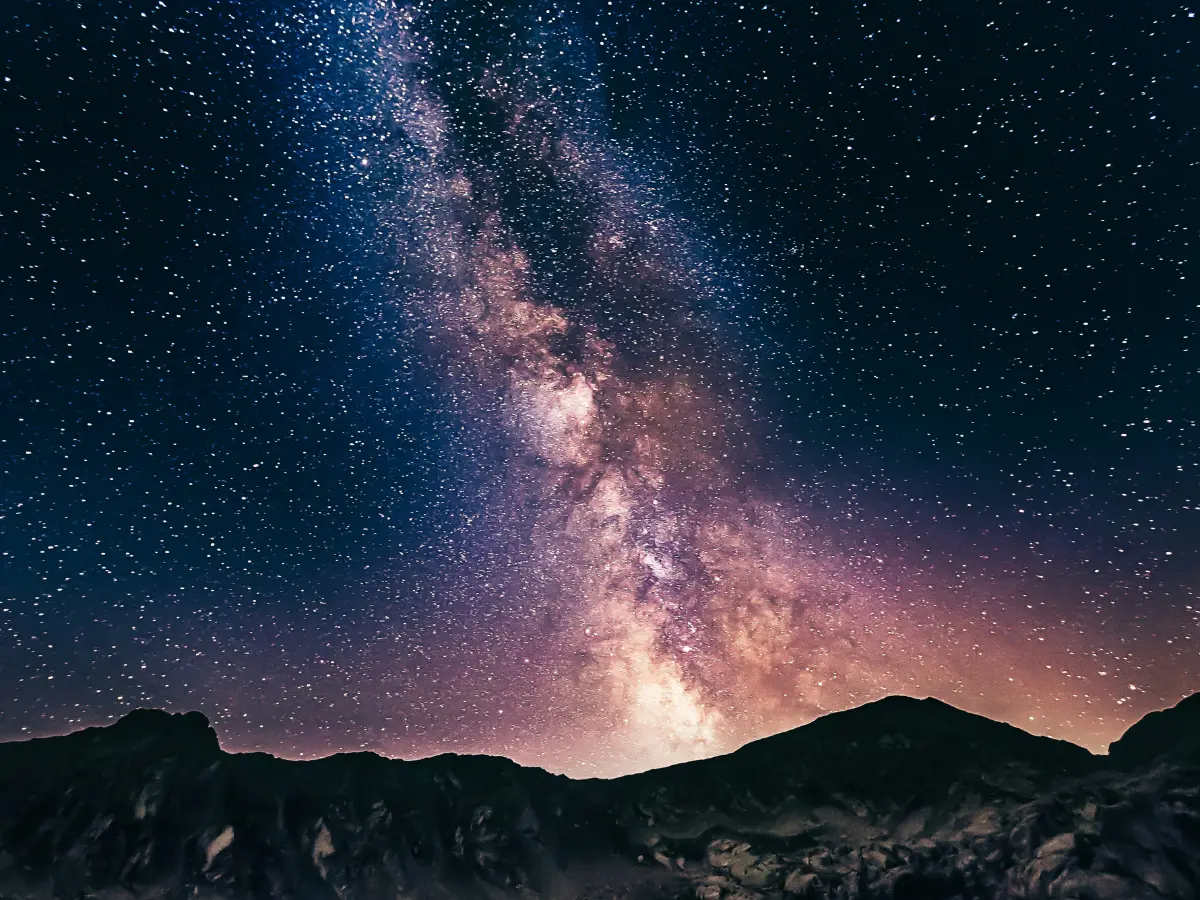
Milky Way was once considered the entire universe
Over 100 years ago, astronomers believed the Milky Way was the entire universe. They thought our galaxy is it and nothing else exists outside this world. However, it was by accident that a renowned astronomer discovered that the universe existed beyond just our galaxy. Finding Andromeda was what opened doors to years and years of space exploration, leading scientists to create telescopes that could peer into the darkness of the universe. Over the years, they found the final frontier, the observable universe. This is the point at which humans have been able to see. However, there could be a whole other world beyond the observable universe, maybe even another universe.
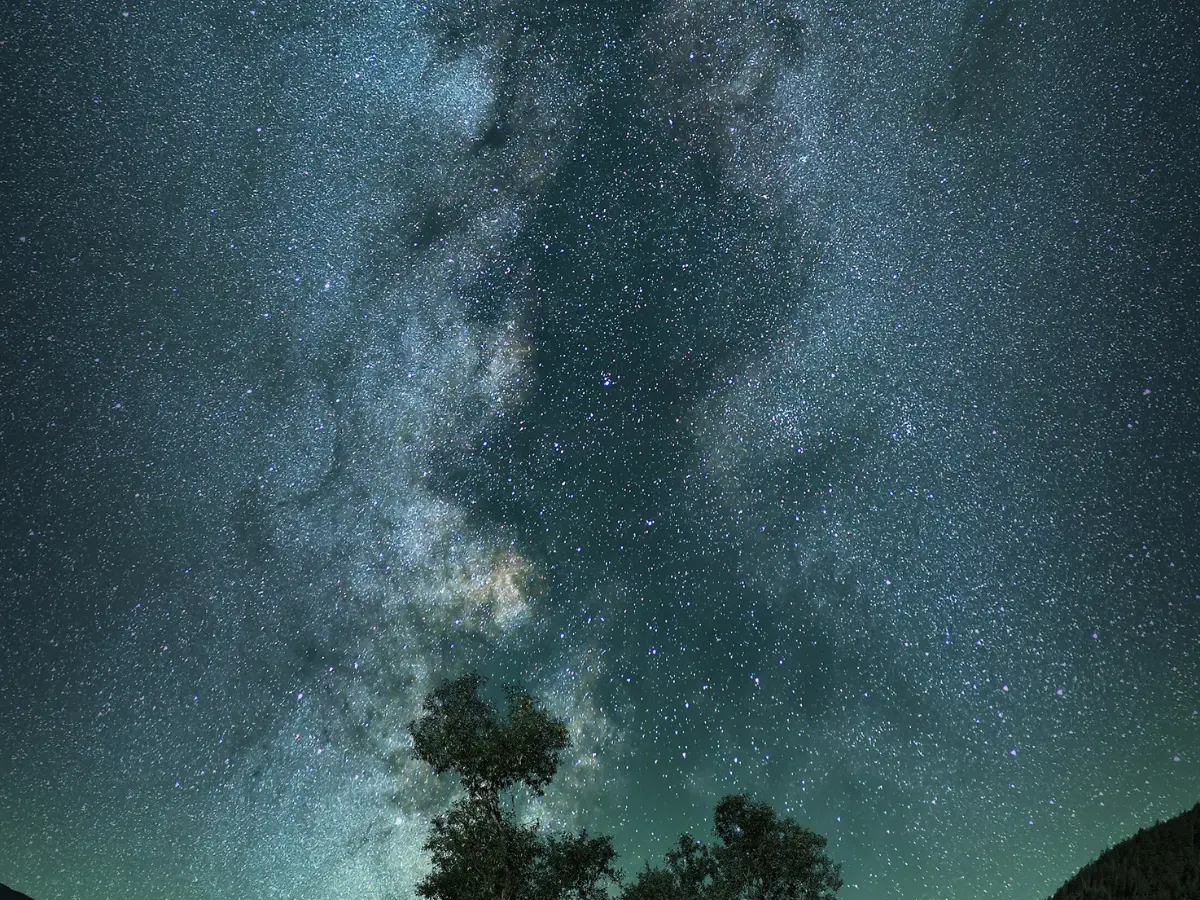
Edwin Hubble made a startling discovery in 1923
For several years, scientists thought that all the stars they could see in the sky existed in the Milky Way. However, Edwin Hubble shattered that myth in 1923. According to NASA, Hubble was using the 100-inch Hooker Telescope at Mount Wilson Observatory in California to observe a distant star. He noticed something off about it.
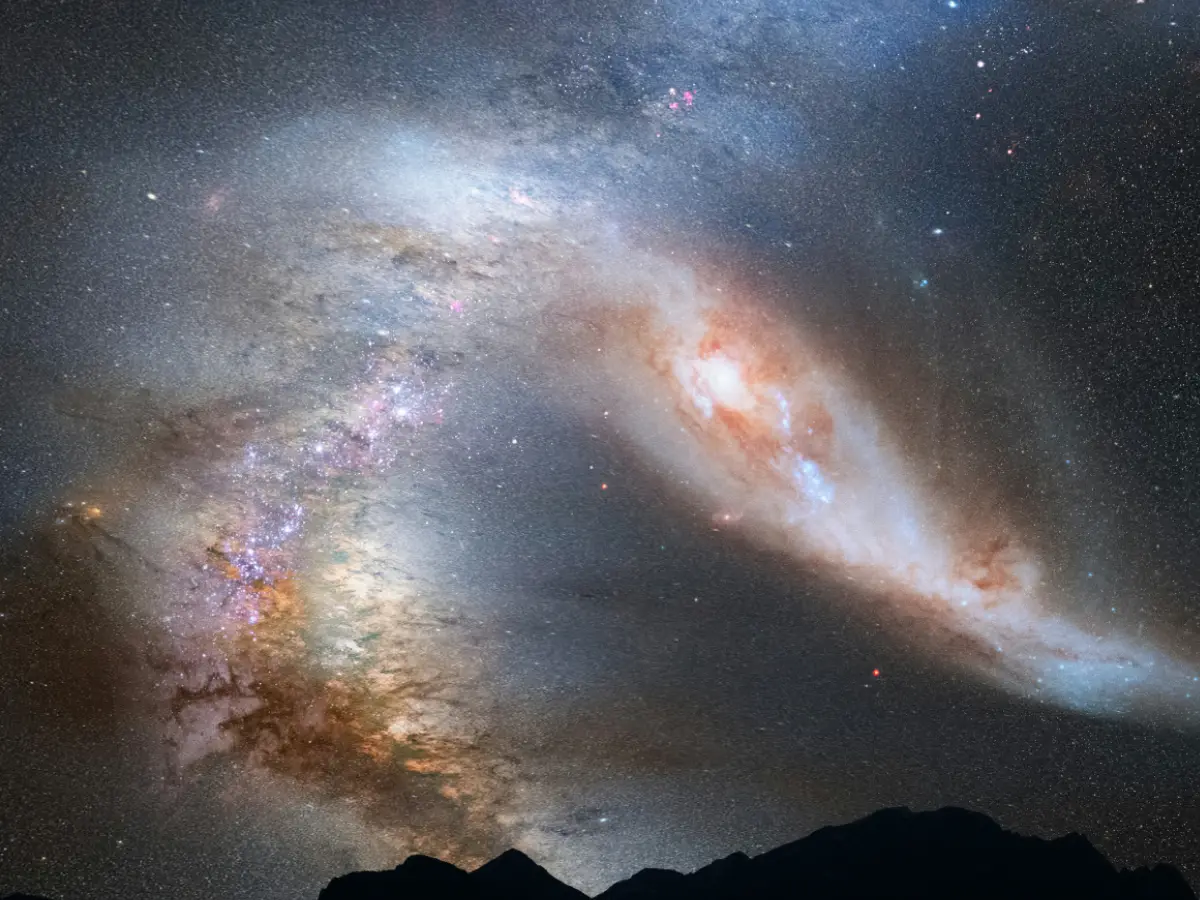
Andromeda "nebula" revealed the secret of the universe
Hubble was looking at the Andromeda "nebula" using the telescope. What he was watching was a rare type of pulsating star, called a Cepheid variable. It was a milepost used to establish how far an object was based on the pulsation and its luminosity. Hubble was shocked to see that V1, located inside the Andromeda "nebula," did not conform to the established scientific rules.
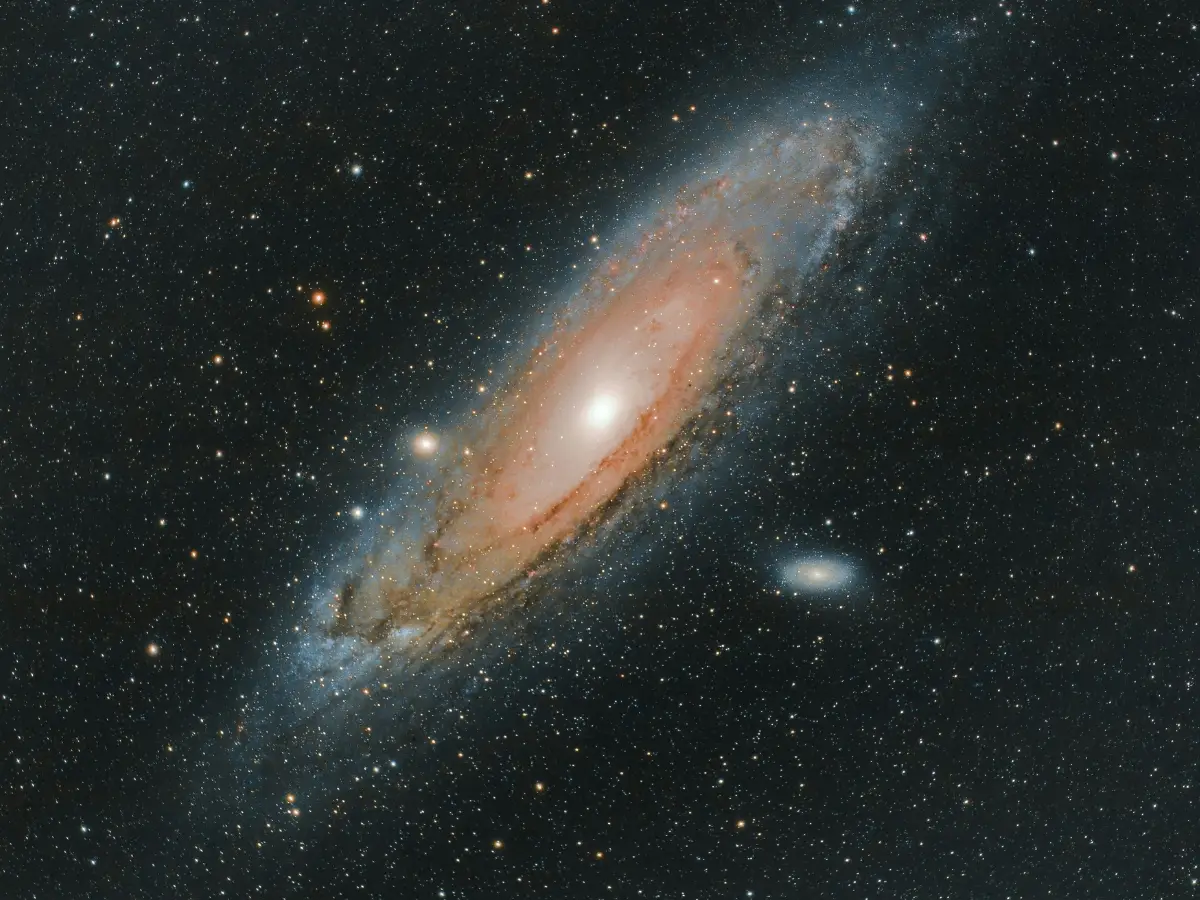
V1 star was extremely far, and it couldn't have lived in the Milky Way
The edge of the Milky Way marked the edge of the entire universe till this time. But, Hubble noted that V1 was too far to make sense. It was flickering at a distance that far exceeded anything in our own Milky Way galaxy. This was the moment Hubble realised that the universe extended far beyond the Milky Way.
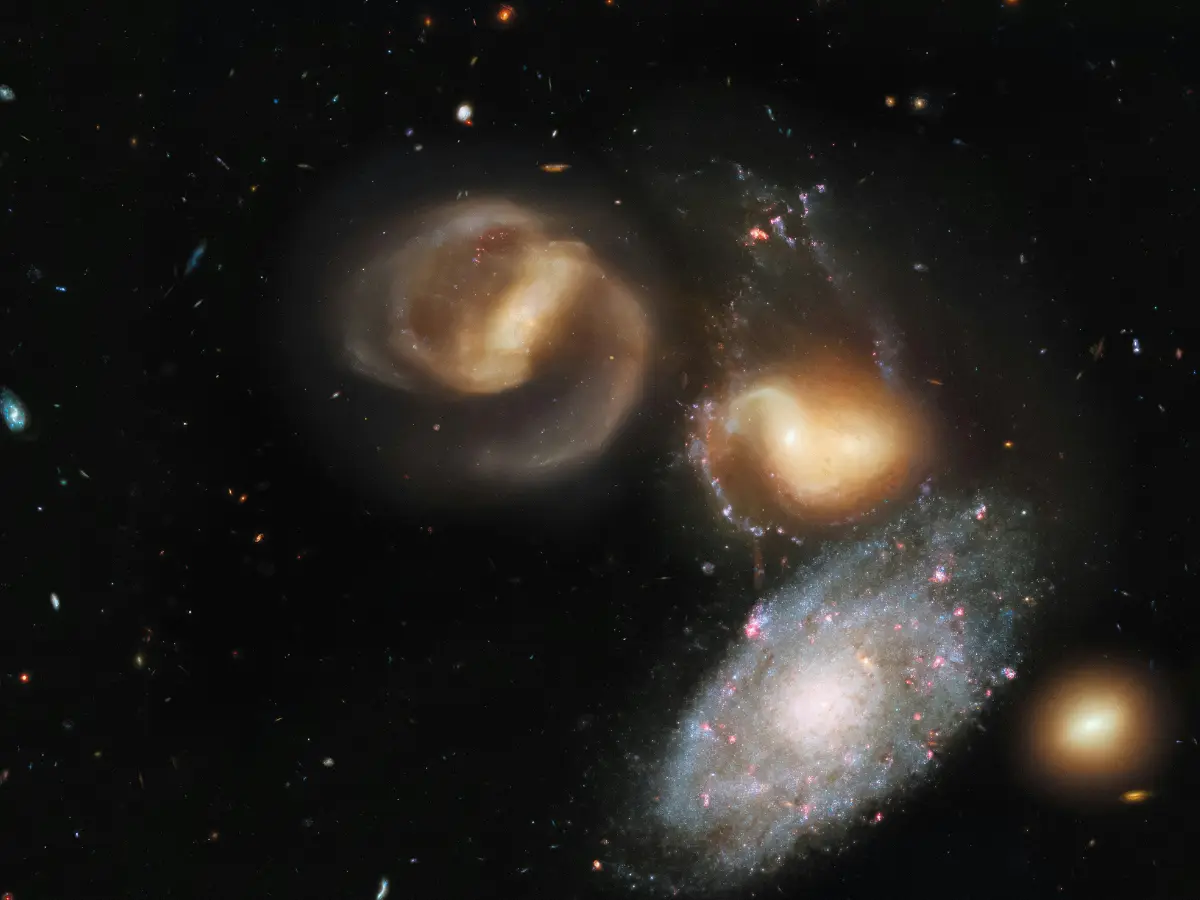
Breakthrough moment for those who studied the universe
This was a game-changer, a breakthrough that changed things overnight for the cosmic community. To realise that Earth is only a part of a vast space meant there was not one, but several galaxies out there. Andromeda and the Milky Way were only the tip of the iceberg. Astronomers realised that there are millions and billions of galaxies that together form the universe.
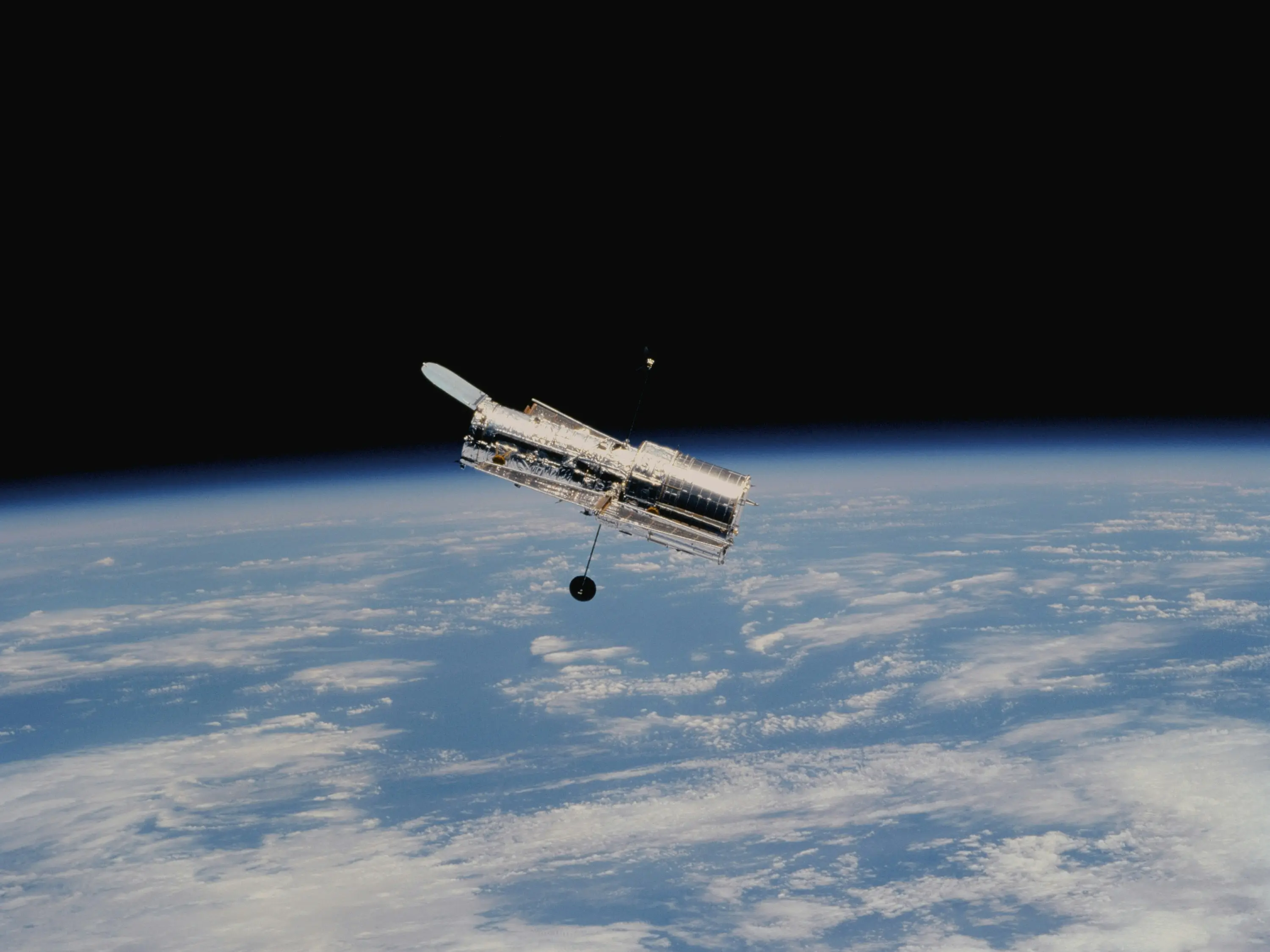
Andromeda was not just a spiral nebulae, but a whole other galaxy
Hubble's discovery shattered Harvard astronomer Harlow Shapley's world. He once said at the Smithsonian Museum of Natural History that the Milky Way was so huge that it was the entire universe. He acknowledged the presence of mysteriously fuzzy "spiral nebulae," such as Andromeda, but dismissed them as simply stars forming on the periphery of our Milky Way.
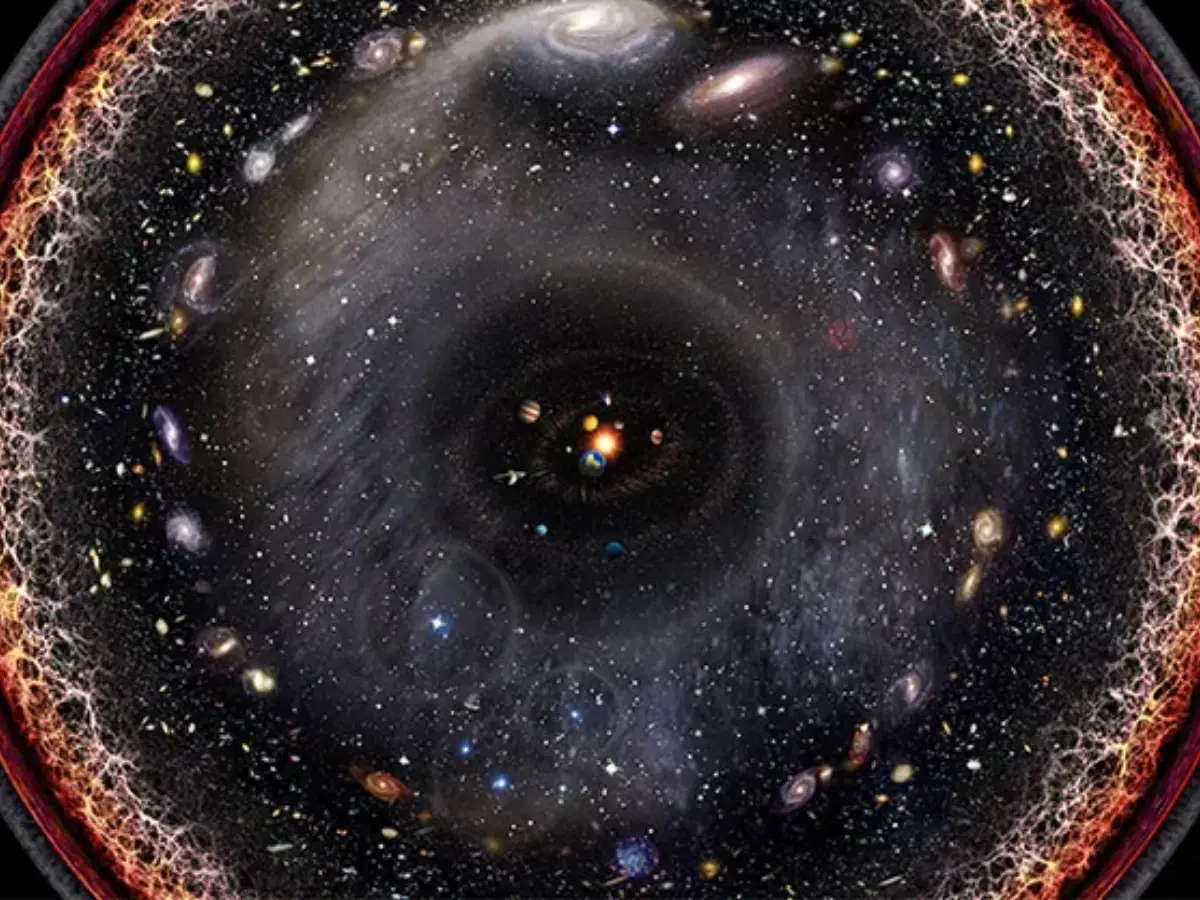
Could there be something more beyond the observable universe?
Today, Hubble's namesake telescope is placed in space and peering at stars billions of light-years away. Over 100 years on, we know that the universe comprises trillions of galaxies, and that the Milky Way is merely one of them. But could there be more out there? After all, at one point we believed the Milky Way was it. So there is a chance that there is a bigger universe beyond the boundary of the observable universe.
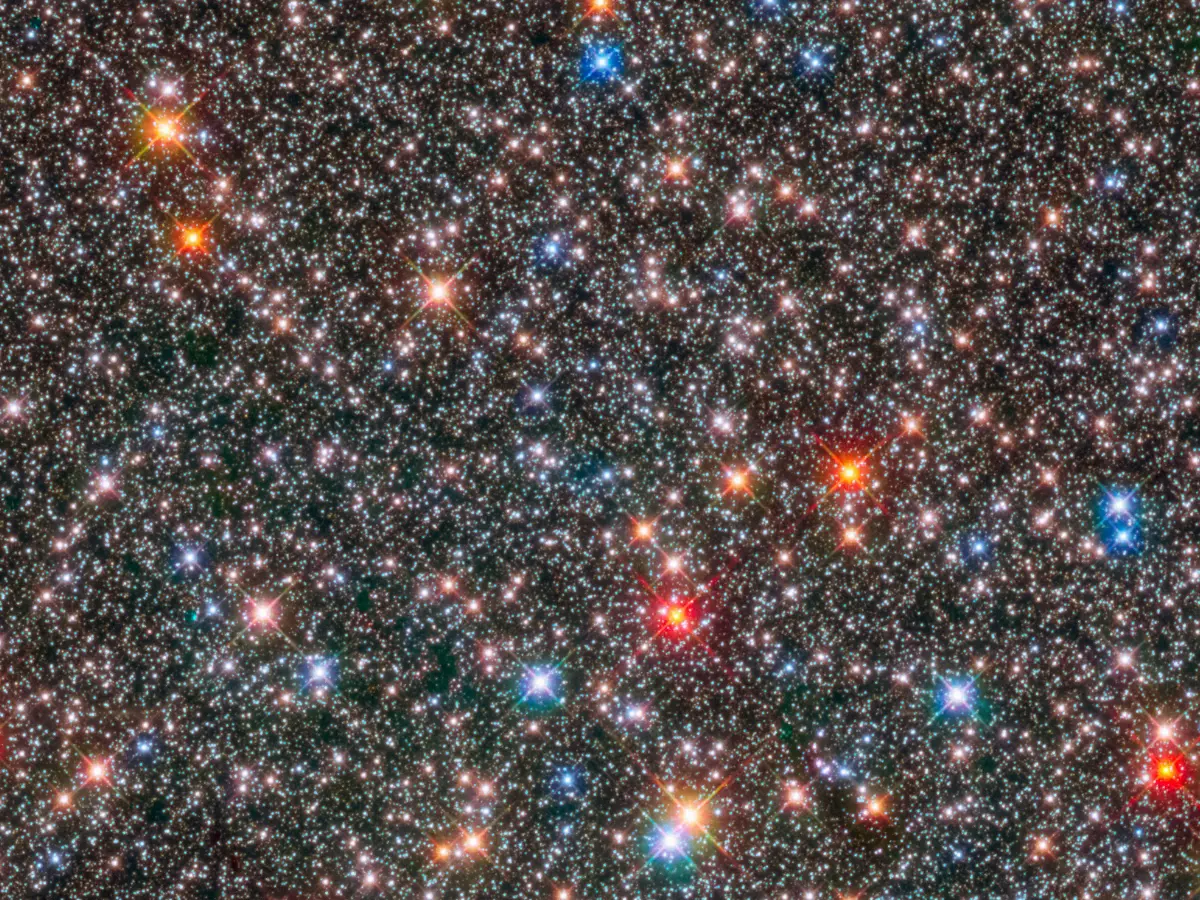
A photo of the Milky Way taken by Hubble
Take a look at this photo taken by Hubble. The telescope, named after the man who basically discovered the universe, captures a glittering, crowded place in our Milky Way Galaxy.
)
)
)
)
)