What if Voyager crossed the edge of the solar system into the unknown?

Voyager’s historic journey: launched in 1977, Voyager 1 entered interstellar space in 2012 and Voyager 2 recently followed. Passing the heliopause, they probe the vast interstellar medium with cosmic‑ray, plasma‑wave and magnetic‑field data. know more below.

Voyager’s incredible journey
Launched in 1977, the Voyager spacecraft have travelled further than any other human-made objects. Voyager 1 crossed the solar system’s edge in 2012, with Voyager 2 following recently, entering what we call interstellar space.
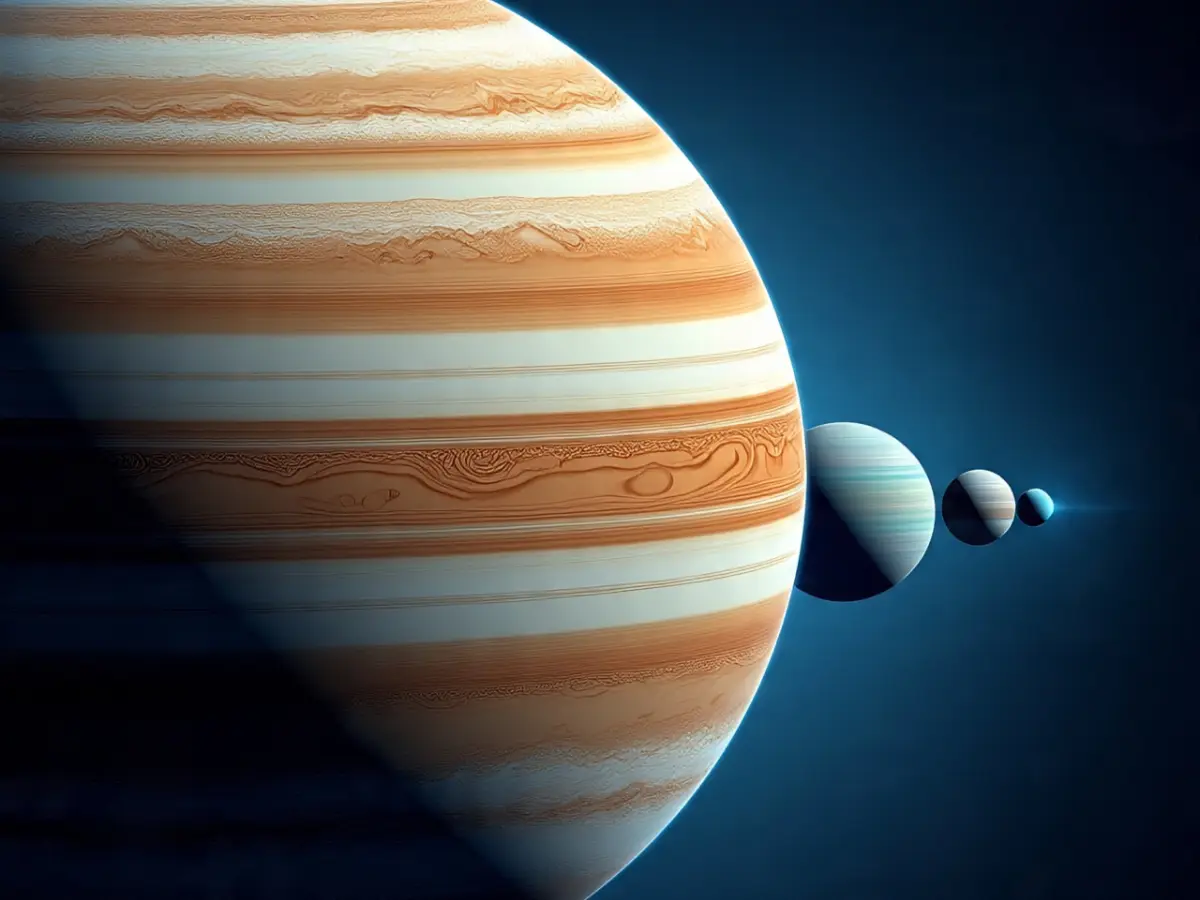
What is the solar system’s edge?
The solar system does not end where the planets stop. It’s surrounded by a vast bubble called the heliosphere, created by the Sun’s solar wind pushing against the space filled with dust and particles from other stars.
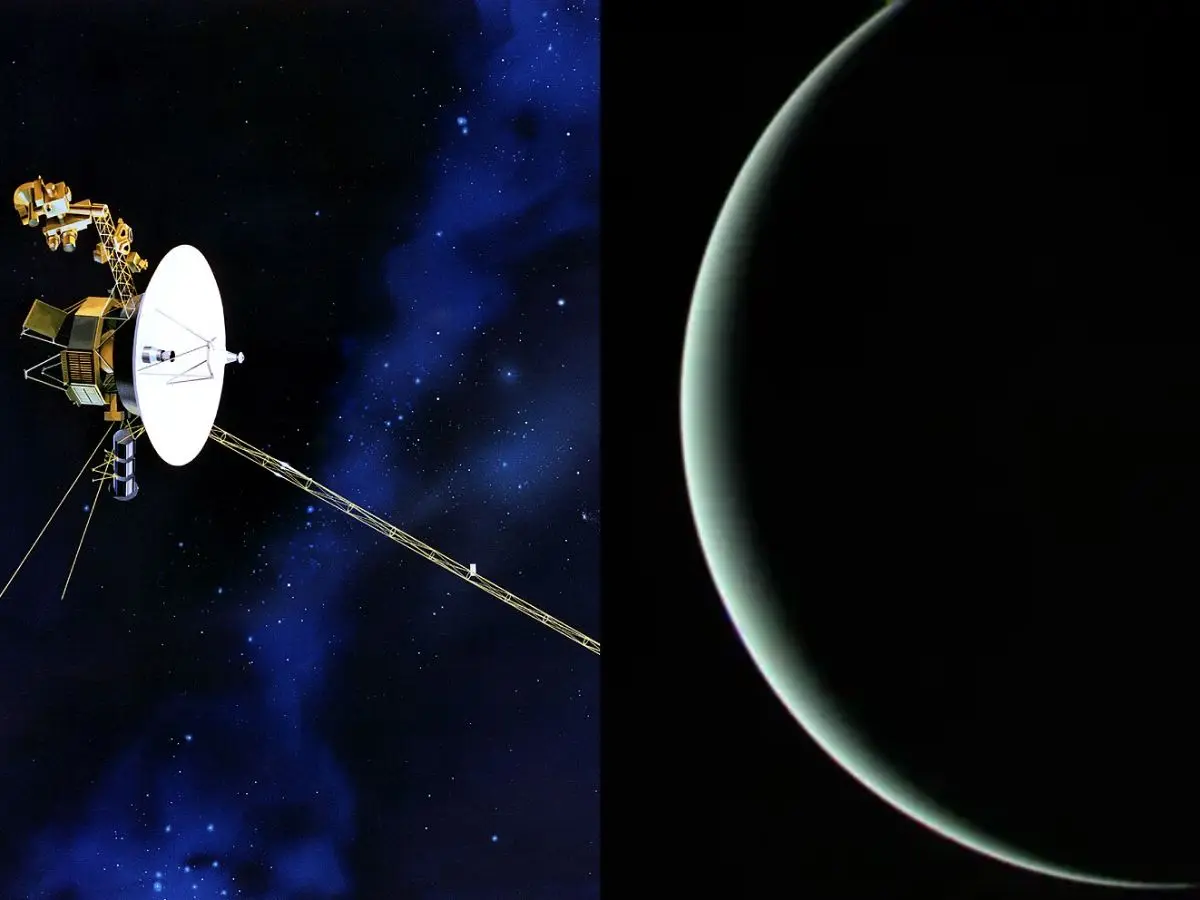
Voyager crossed the heliopause
The heliopause is the boundary where the solar wind ends and interstellar space begins. In this region, Voyager has detected changes in charged particles and magnetic fields, proving it has entered a new, unknown environment.
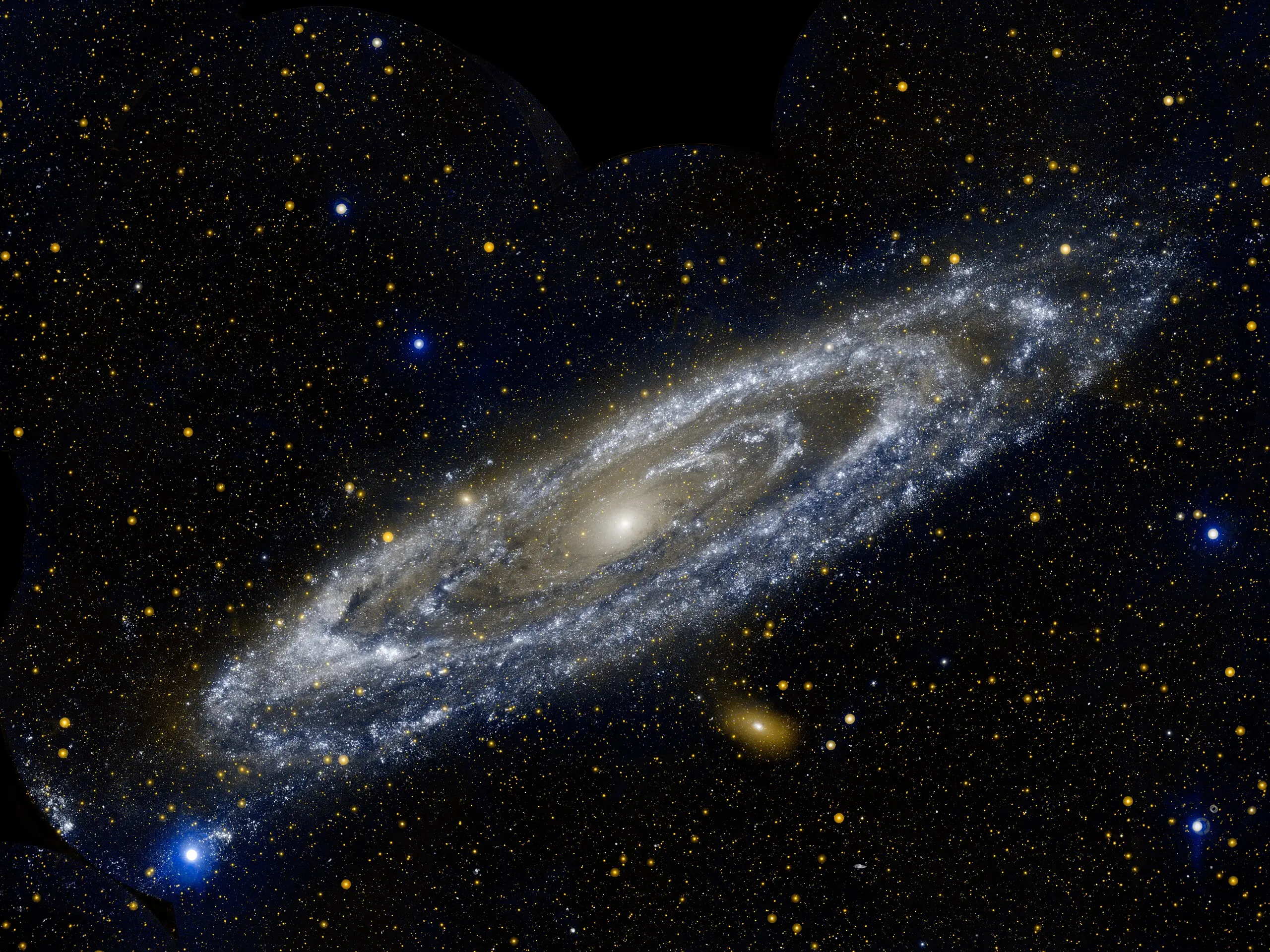
What lies beyond the heliopause?
Beyond this edge, the spacecraft encounters the interstellar medium a sparse, cold mix of hydrogen, cosmic rays, and dust. Voyager’s data revealed a surprising ‘wall’ of hot plasma, with temperatures reaching 30,000 to 50,000 Kelvin.
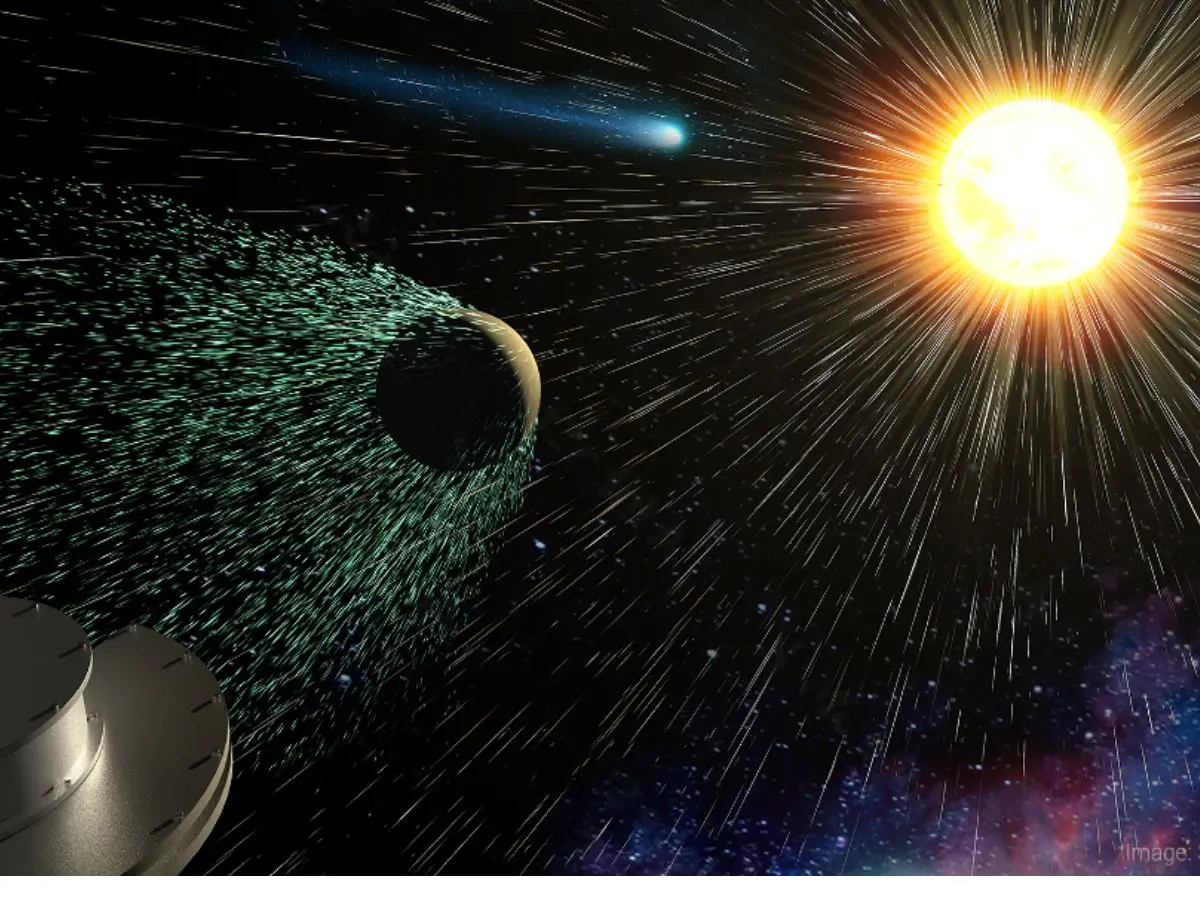
How does Voyager study this unknown?
Voyager is equipped with instruments to measure plasma waves, cosmic rays, and magnetic fields. Though some instruments have failed over time, Voyager continues sending valuable data, helping scientists learn about interstellar space.
Significance of Voyager’s crossing
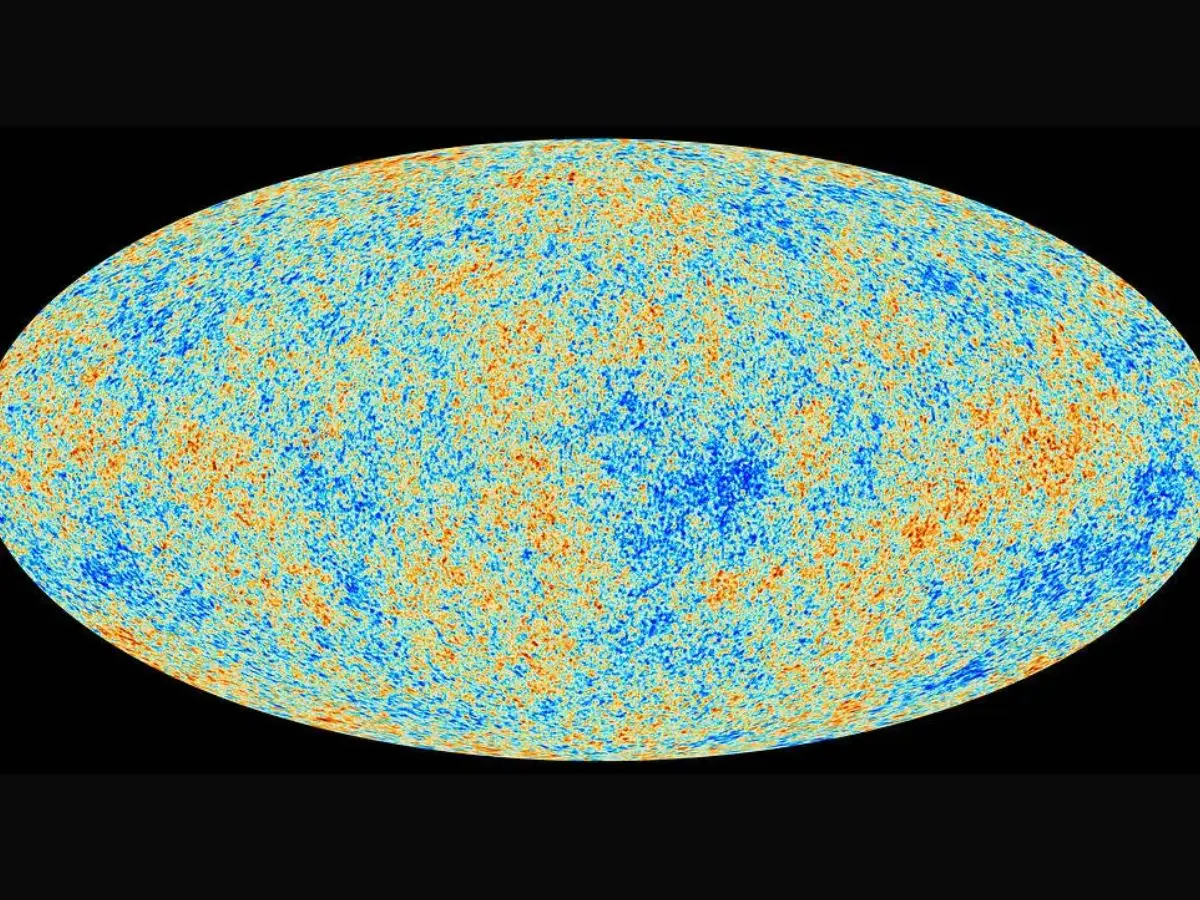
Voyager’s journey offers humanity’s first direct glimpse of the space between stars. It shows how our Sun interacts with the wider galaxy, shaping our understanding of the universe and future space missions.
Voyager’s legacy and future
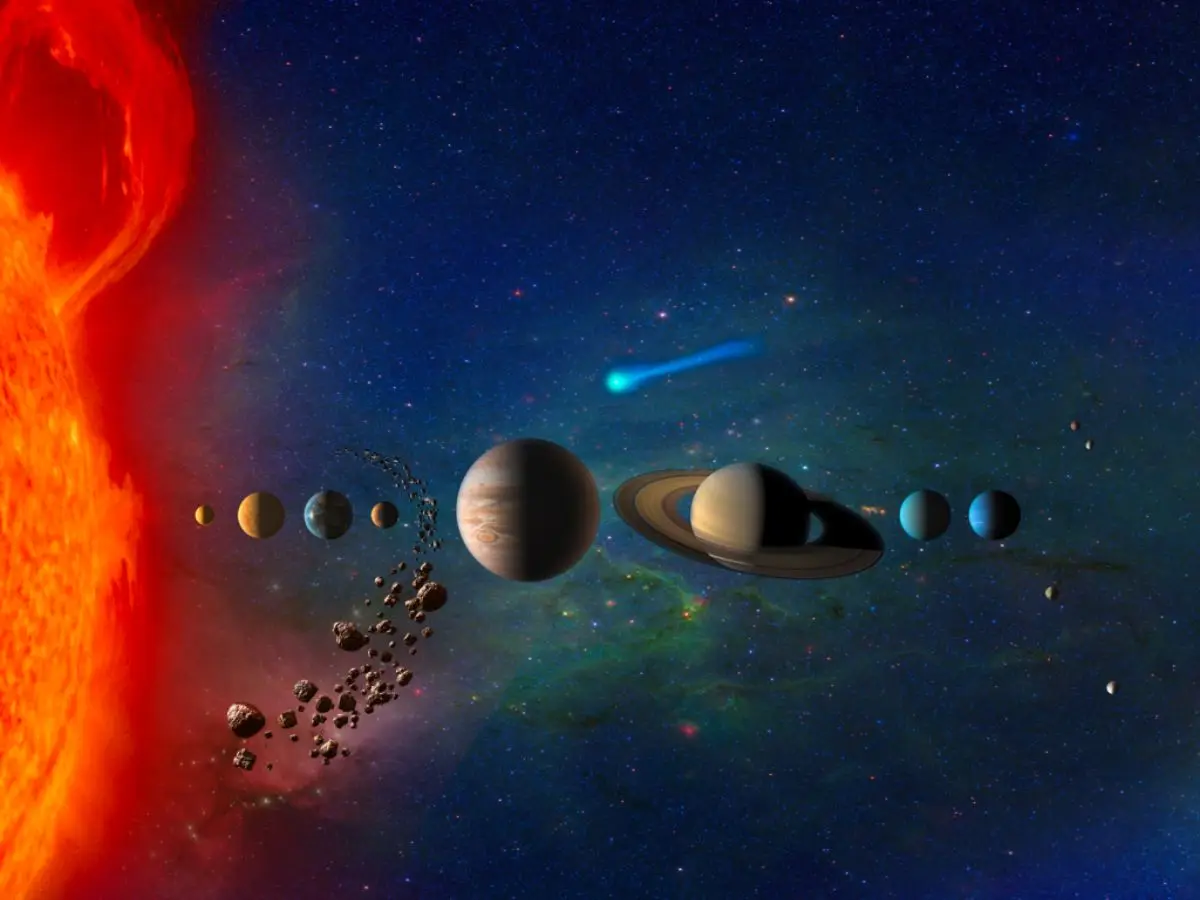
Though the Voyagers will never leave the solar system completely surrounded by the distant Oort Cloud their discoveries have transformed space exploration. They inspire future missions to explore the vast unknown beyond the solar system.
)
)
)
)
)