How Voyager's 'Firewall' blocks cosmic radiation before it reaches Earth?

As Voyager crossed the heliopause, its detectors recorded a sharp drop in incoming cosmic rays from outside, showing the firewall’s effectiveness as a natural filter.
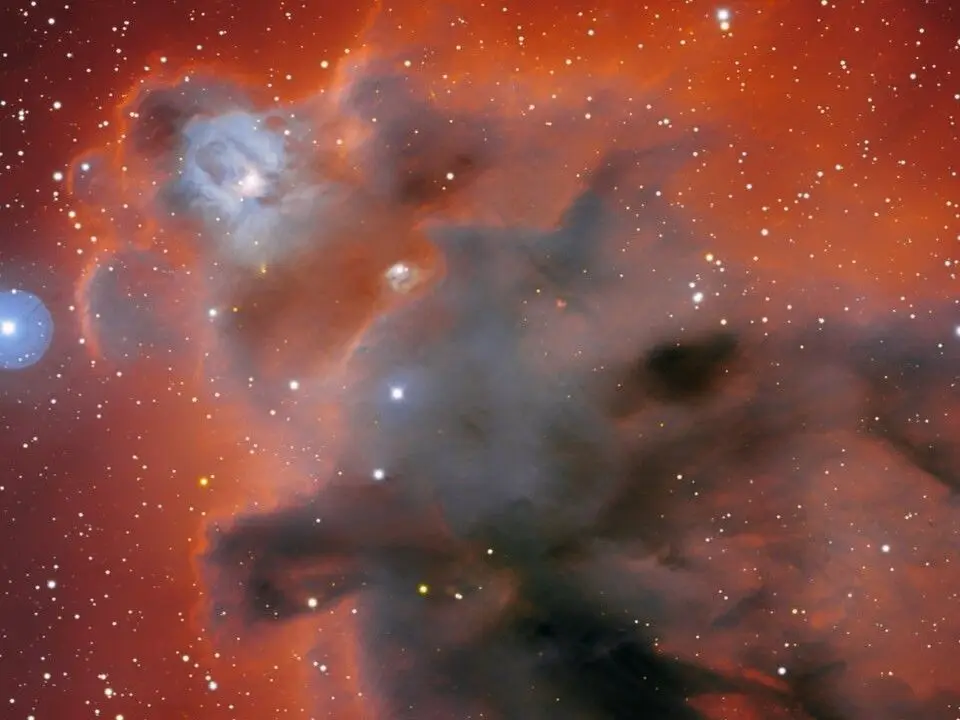
Cosmic Rays in Interstellar Space
High-energy cosmic rays constantly travel through the galaxy. Without barriers, they would freely penetrate the Solar System and reach Earth in far greater numbers.
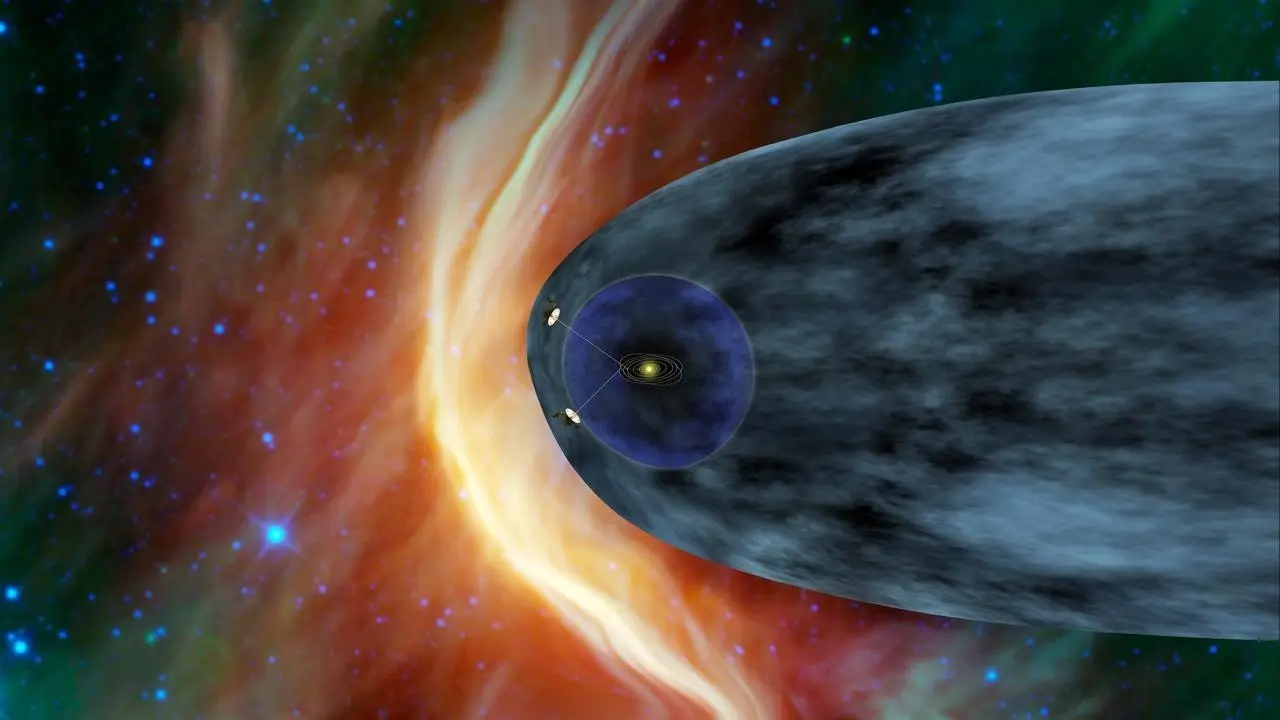
The Firewall at the Heliopause
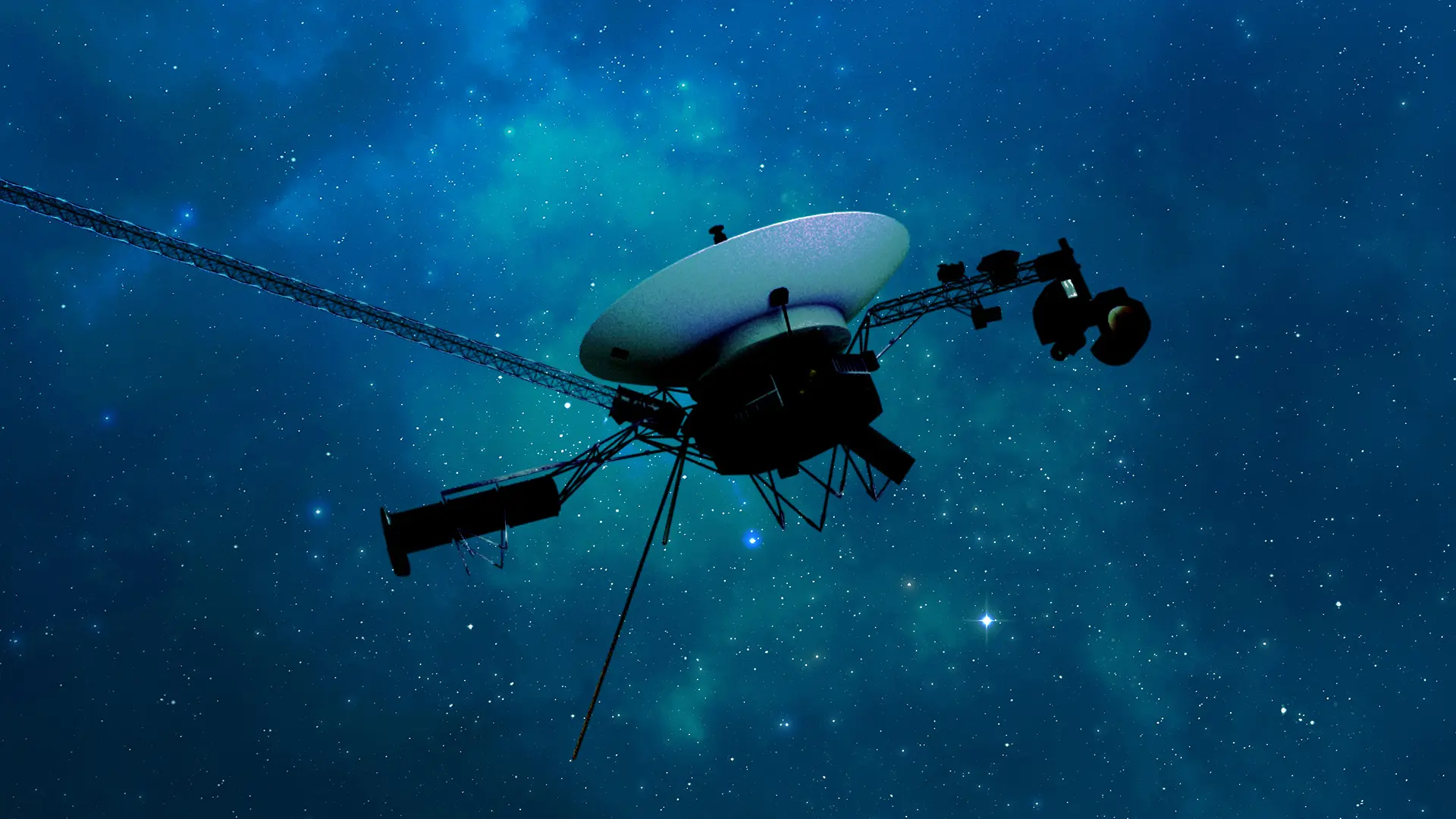
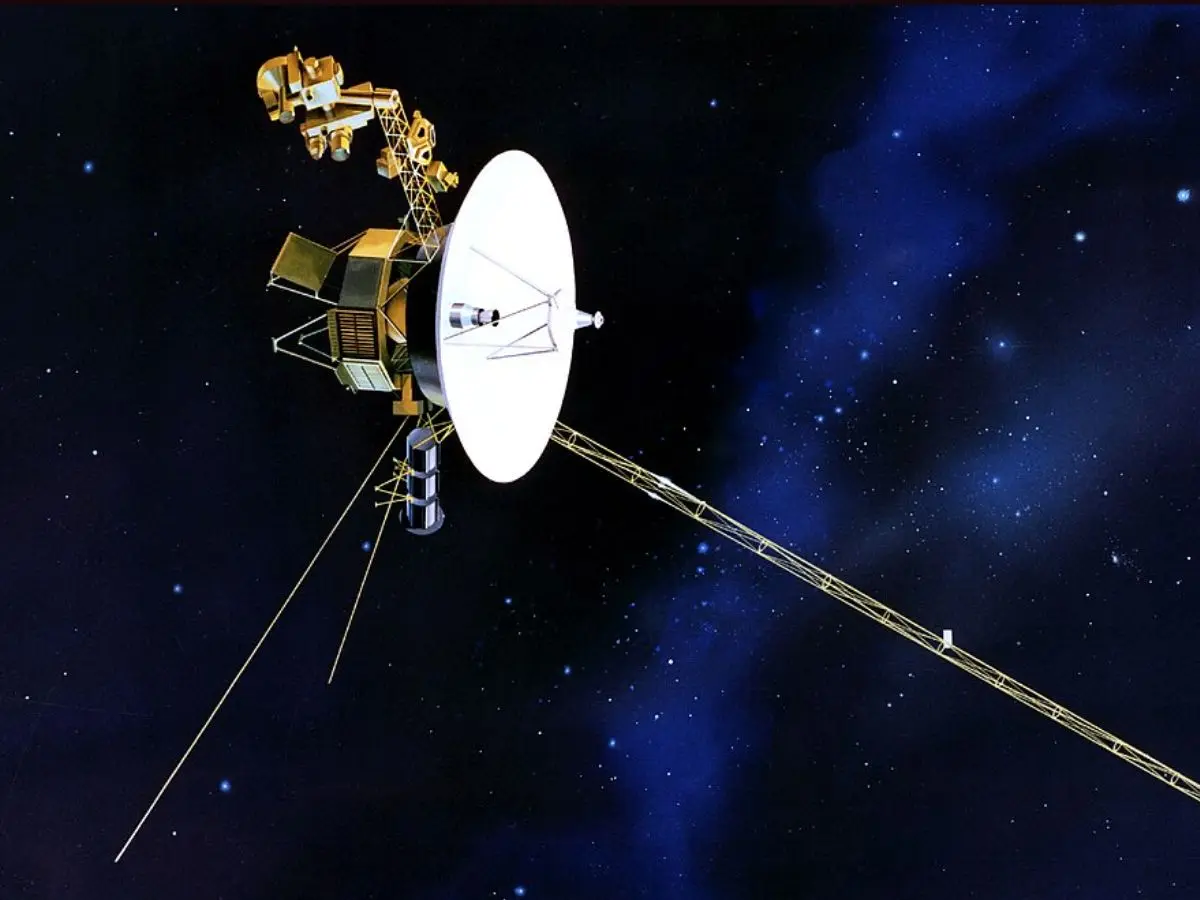
Voyager 1 and 2 confirmed the existence of a firewall at the edge of the Solar System, a region where the solar wind collides with interstellar plasma, forming a turbulent shield.
Filtering Mechanism
This firewall slows down and scatters charged particles. Much like a sieve, it prevents the most energetic cosmic rays from directly streaming into the inner Solar System.
Voyager’s Observations
As Voyager crossed the heliopause, its detectors recorded a sharp drop in incoming cosmic rays from outside, showing the firewall’s effectiveness as a natural filter.
Earth’s Additional Shields
Even with the firewall in place, some cosmic radiation enters the Solar System. On Earth, the magnetosphere and atmosphere provide a second layer of protection.
A Dynamic Defence
The firewall is not static. Its strength changes with the solar wind cycle, expanding when solar activity is high and contracting during quieter periods.
Why This Matters for Life
By blocking a large portion of cosmic radiation, the firewall contributes to maintaining a stable radiation environment in the inner Solar System, essential for both planetary habitability and safe human space exploration.
)
)
)
)
)