How Venezuela and Houthis became key recipients of Iran’s arms exports

Venezuela emerged as Iran’s second-largest recipient, accounting for 11 per cent of exports, the data also showed that around 7.1 per cent of Iran’s arms exports went to Houthi forces in Yemen.
Iran’s Arms Export Position
Iran’s share of the global arms export market remains limited. According to the Stockholm International Peace Research Institute (SIPRI), Tehran accounted for just 0.4 per cent of worldwide arms exports between 2020 and 2024, ranking 18th globally. Despite sustained sanctions and pressure from the United States and other powers, Iran’s weapons trade has become increasingly concentrated on a narrow group of partners, notably Venezuela and Houthi forces in Yemen, rather than traditional state buyers.
Iran's exports
Venezuela emerged as Iran’s second-largest recipient, accounting for 11 per cent of exports, the data also showed that around 7.1 per cent of Iran’s arms exports went to Houthi forces in Yemen. This underlined Iran’s long-standing strategy of supporting allied forces to shape regional conflicts indirectly.
Drone Deployment in Venezuela
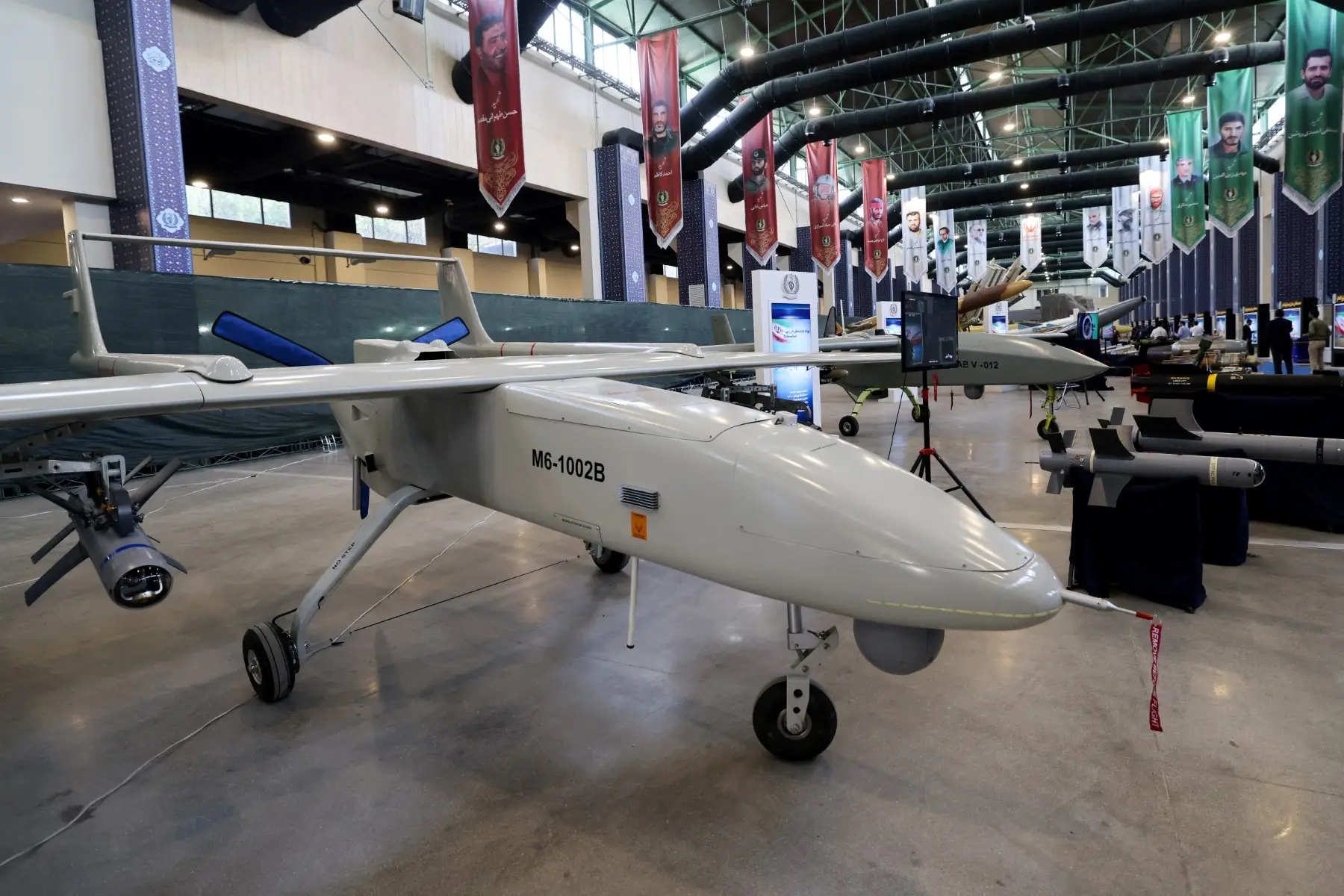
Iranian-designed Mohajer-6 combat drones deployed at Venezuela’s El Libertador Air Base, were captured recently, marking a notable expansion of Tehran’s military cooperation with Caracas. According to the US Treasury, "Since 2006, Iran and Venezuela have coordinated Iran’s provision of Qods Aviation Industries’ (QAI) Mohajer-series UAVs for Venezuela, which are re-branded in Venezuela as ANSU-series UAVs.” The Mohajer-6 is capable of intelligence, surveillance and strike missions, and its presence in Latin America brings Iranian UAV technology within striking distance of US forces, prompting concern in Washington.
US Sanctions on Iran–Venezuela Network
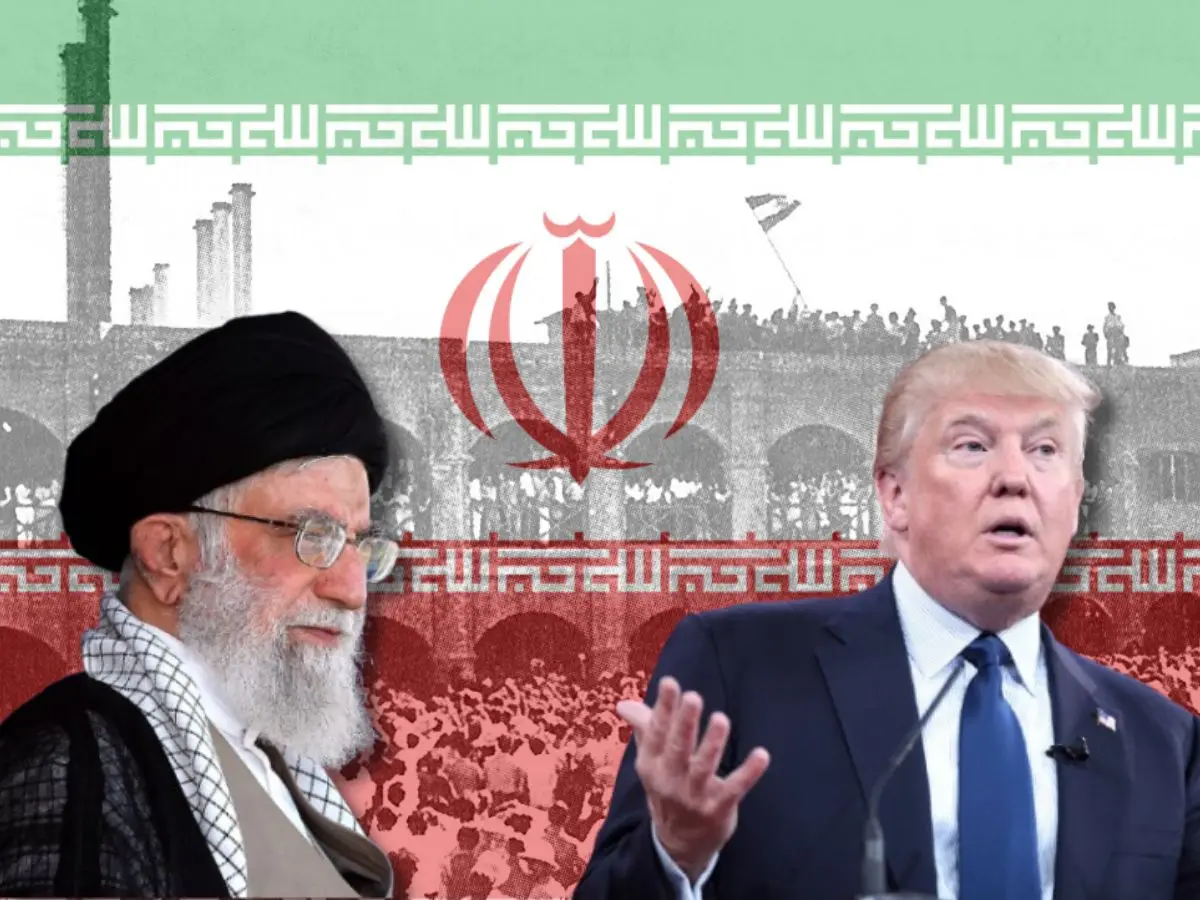
On December 30, 2025, the US Treasury Department sanctioned 10 individuals and entities from Iran and Venezuela linked to the transfer, assembly and proliferation of Iranian UAVs and missiles. The designated Venezuelan firm, Empresa Aeronautica Nacional SA (EANSA), and its chair were accused of acquiring Iranian-designed UAVs and coordinating production with Tehran. Washington described Iran’s conventional weapons provision to Caracas as a threat to US interests in the region. This crackdown came before US finally captured former Venezuelan President Nicolas Maduro in a military operation on January 3, 2026.
Support to the Houthis in Yemen
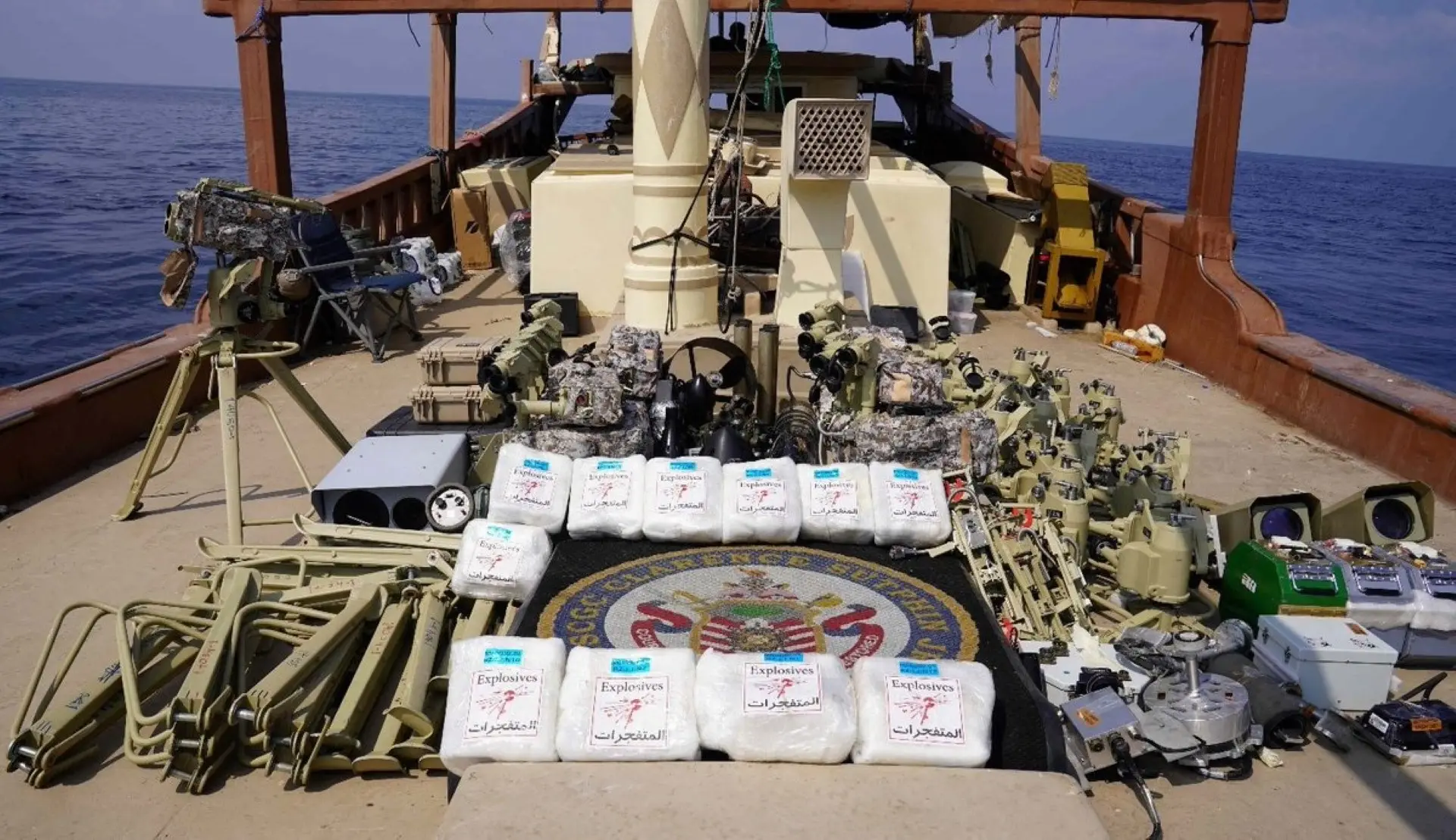
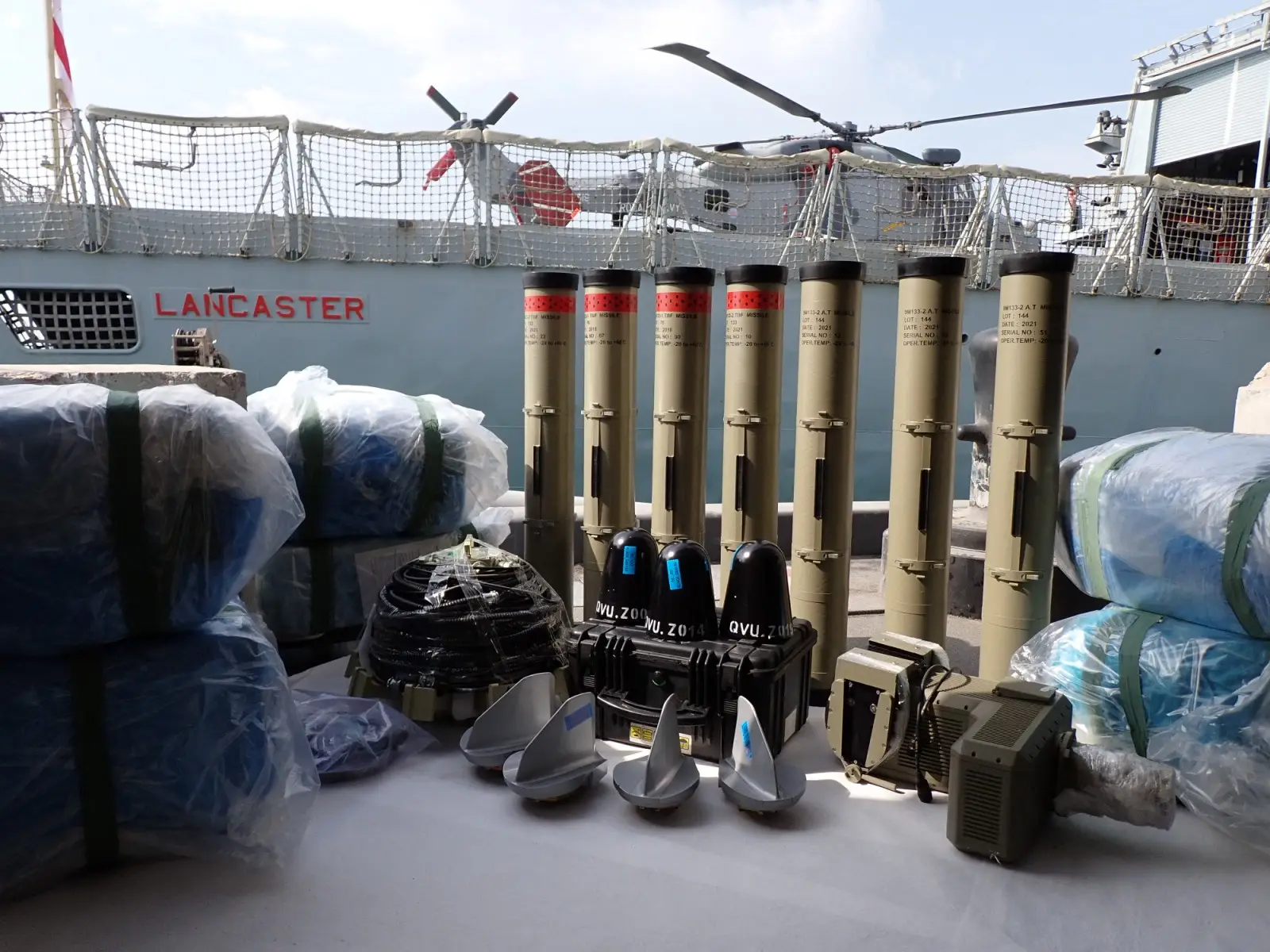
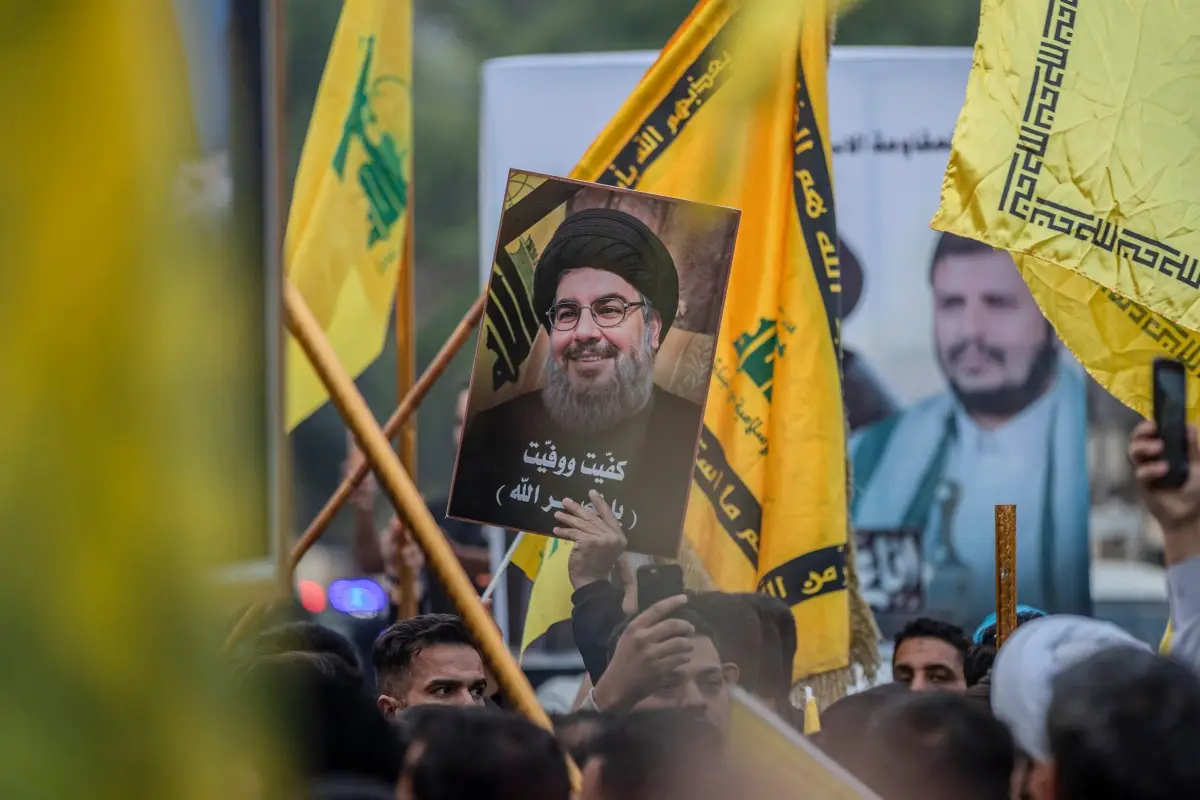
In the Middle East, Iran’s role as the primary backer of Yemen’s Houthi movement has long been documented. Houthi procurement operatives reply on shipping facilitators transport weapons and other military-grade materials into Yemen. Reports suggest that Tehran provides weapons, training and logistics support that include drones, missiles and other weapon components. A US Defence Intelligence Agency report released in July 2024 showed Iranian origin critical components of various missiles seized at sea bound for Houthi-held Yemen.
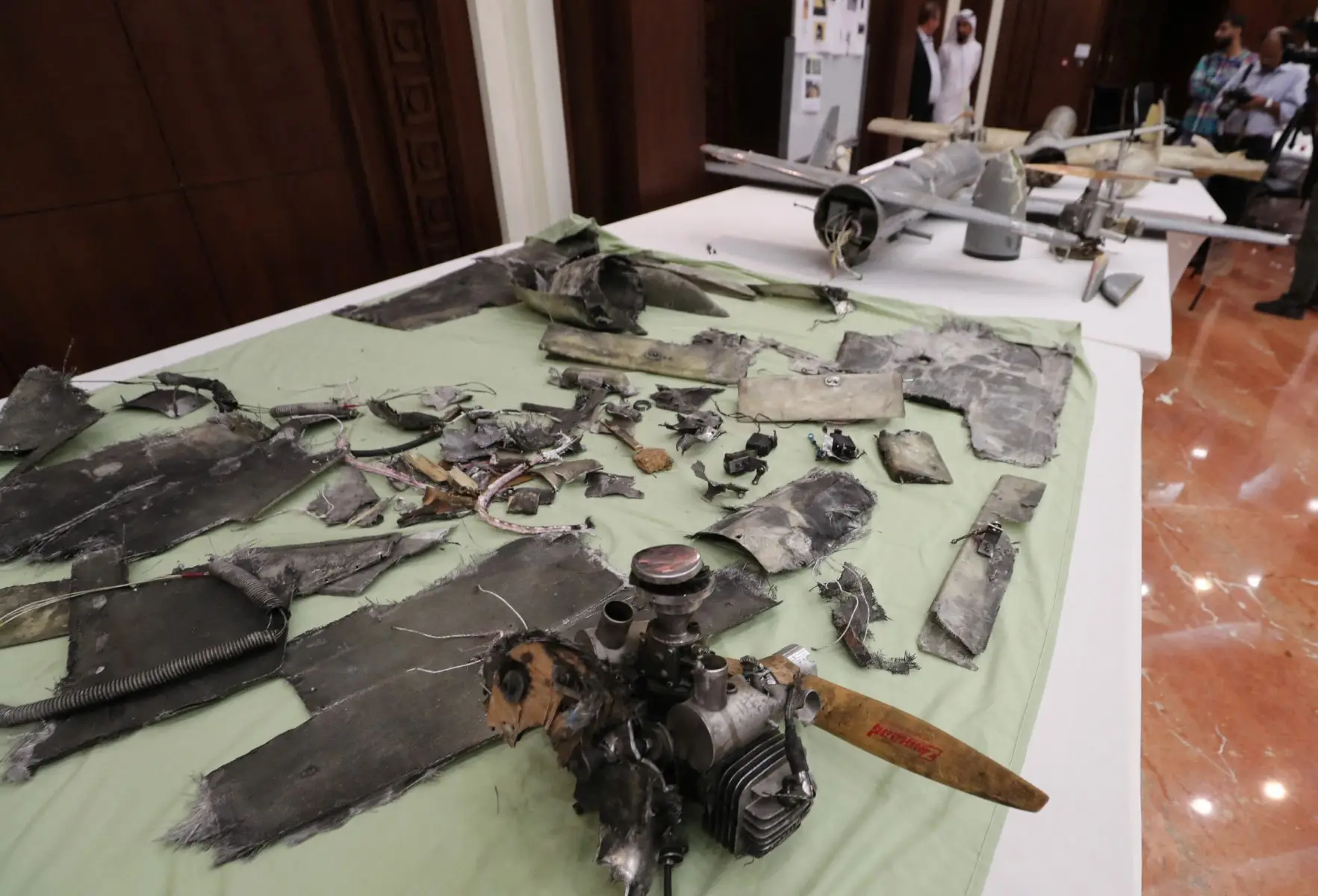
What the DIA said
Between 2015 and 2024, the United States and its partners have interdicted at least 20 Iranian smuggling vessels, seizing ballistic, cruise, and surface-to-air missile components, antitank guided missiles, unmanned aerial vehicles, and other illicit weapons destined for the Houthis. By 2024, These supplies were used to conduct more than 100 land- and sea-based attacks across the Middle East, the Red Sea, and the Gulf of Aden.
Strategic Use of Proxies
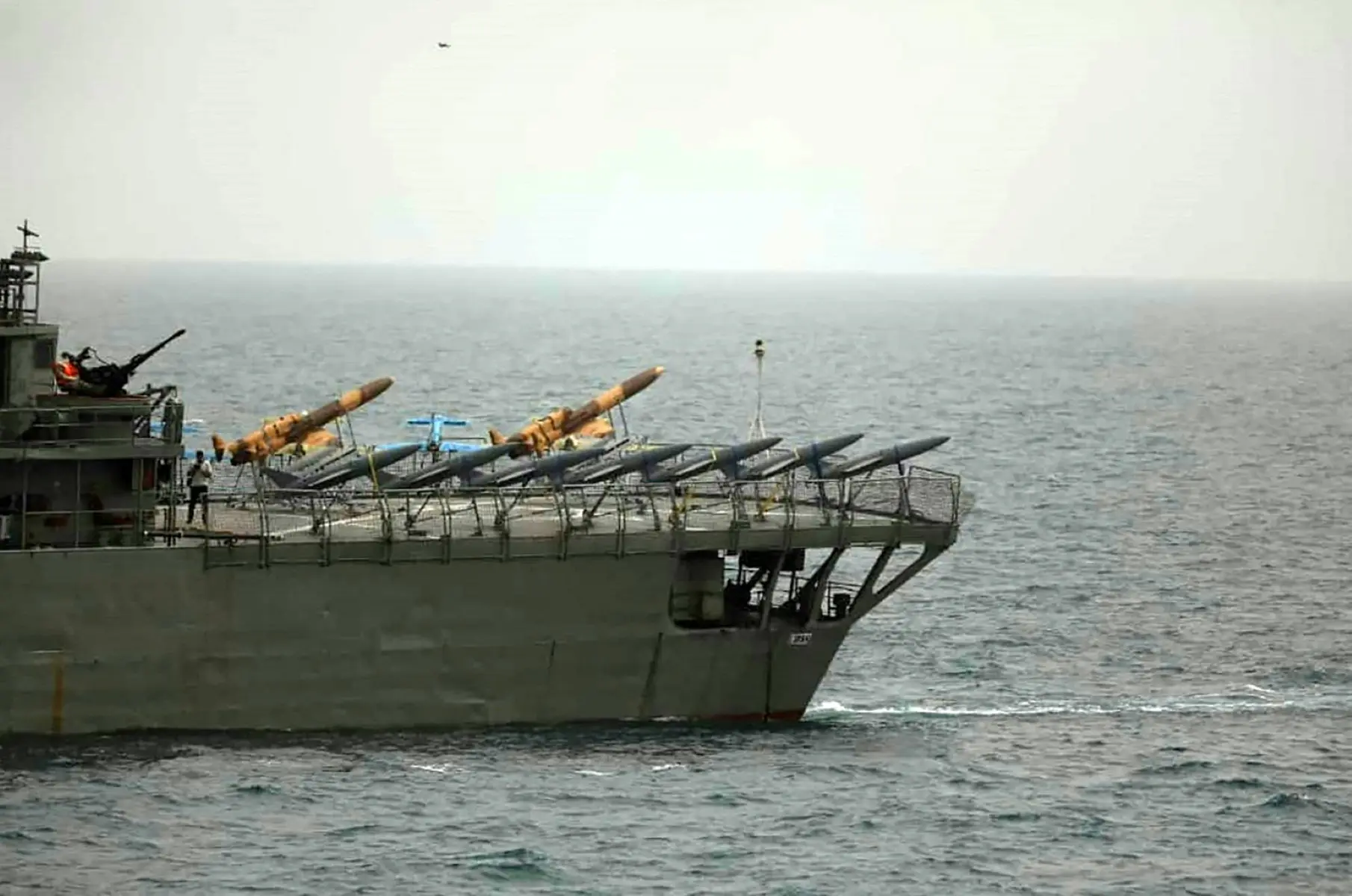
The disproportionate share of Iranian exports to Venezuela and the Houthis reflects Tehran’s emphasis on strategic partners and proxy groups. By supplying advanced UAVs and other weapons to these actors, Iran extends its influence geographically in the Gulf and operationally, using remote clients rather than seeking broader commercial markets.
)
)
)
)
)